Explore our engaging "Understanding Time Worksheets for Ages 5-9" designed to introduce young learners to the concept of time. These worksheets cover essential skills, including reading clocks, understanding AM/PM, and sequencing daily events. Tailored to match the developmental stages of kids between 5 and 9, each activity makes learning fun and interactive. Perfect for classroom or at-home practice, our worksheets help children build a solid foundation in time-telling through colorful illustrations and age-appropriate exercises. Support your child's journey towards mastering time with our expertly crafted resources!

Check out this FREE "Understanding time" Trial Lesson for age 5-9!

Years

Favorites
With answer key
Interactive
  • 5-9
  • Understanding time
Years Worksheet
Years Worksheet

Years Worksheet

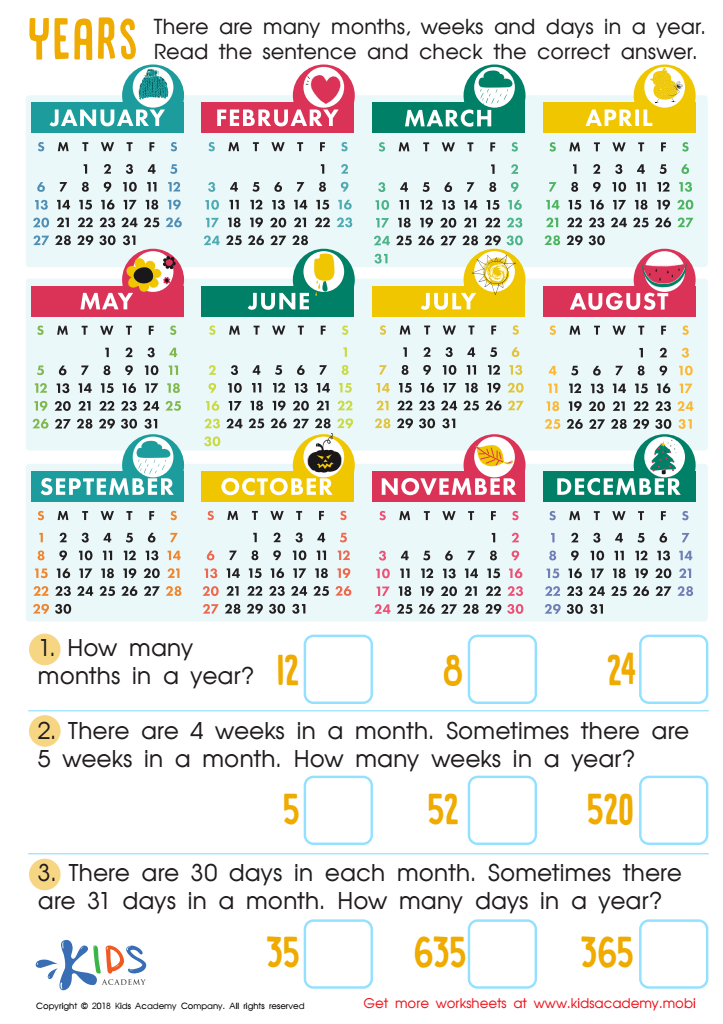
This worksheet is a great way to test your children's knowledge of the calendar. Ask them if they can name the days of the week and months in a year. Read and discuss the questions with them and help them find the right answers. Encourage them to check their answers.
Years Worksheet
Worksheet
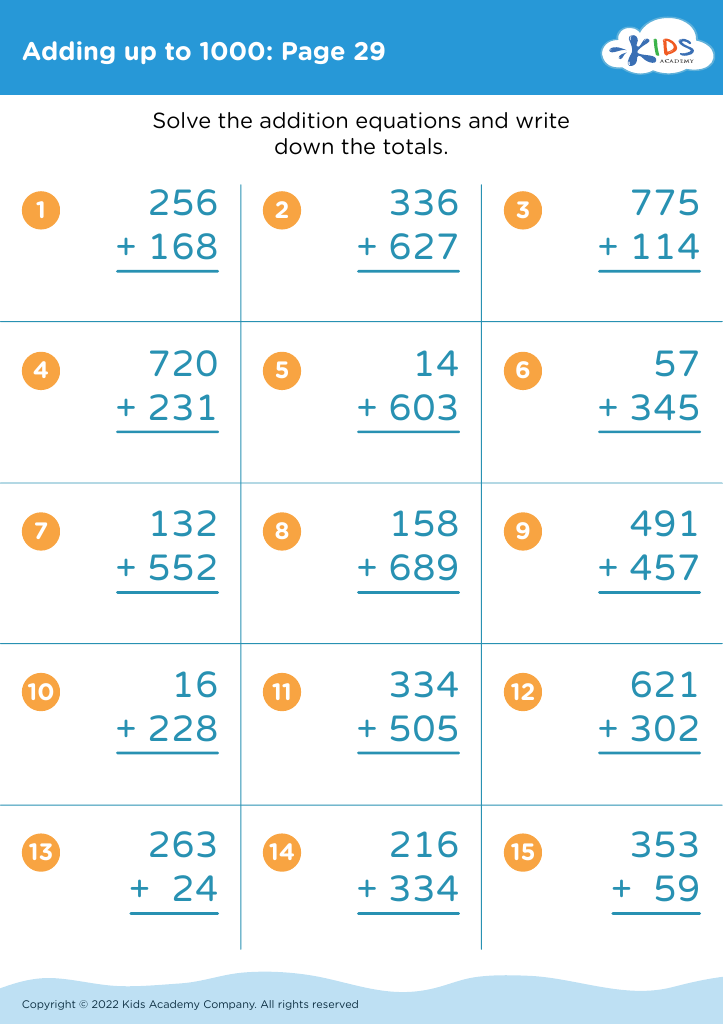
Adding up to 1000: Page 29

Adding up to 1000: Page 29

Adding up to 1000: Page 29
Worksheet
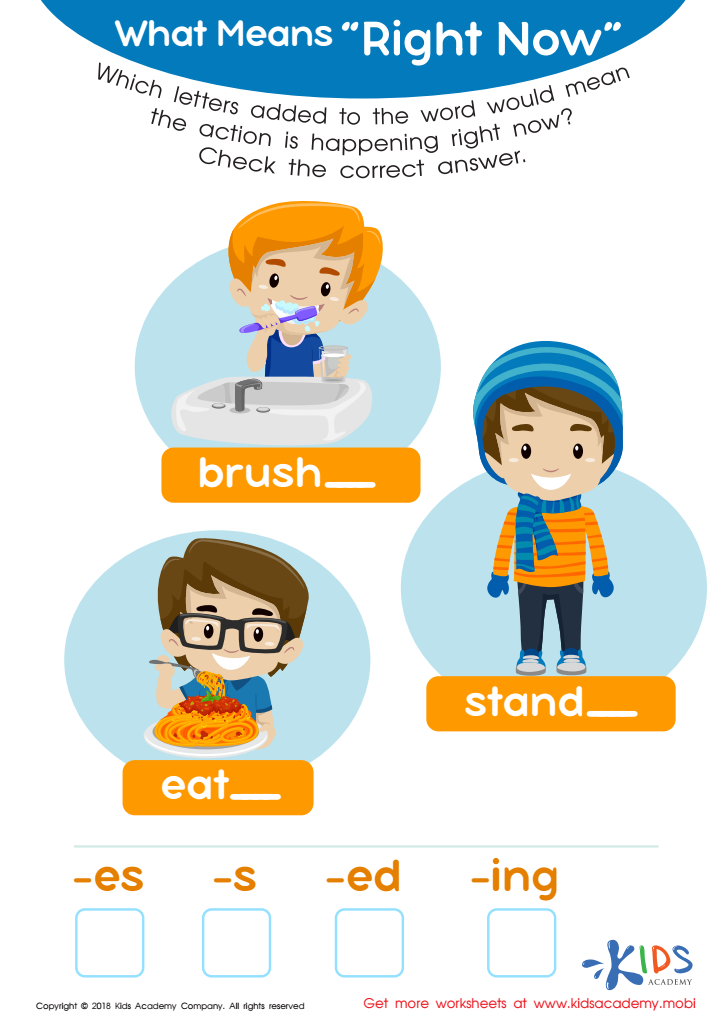
What Means "Right Now" Worksheet

What Means "Right Now" Worksheet

Explain present/past tense verbs to your kids, giving them simple examples. Ask which letters make a verb present tense; read the words aloud and help them check the correct answers.
What Means "Right Now" Worksheet
Worksheet
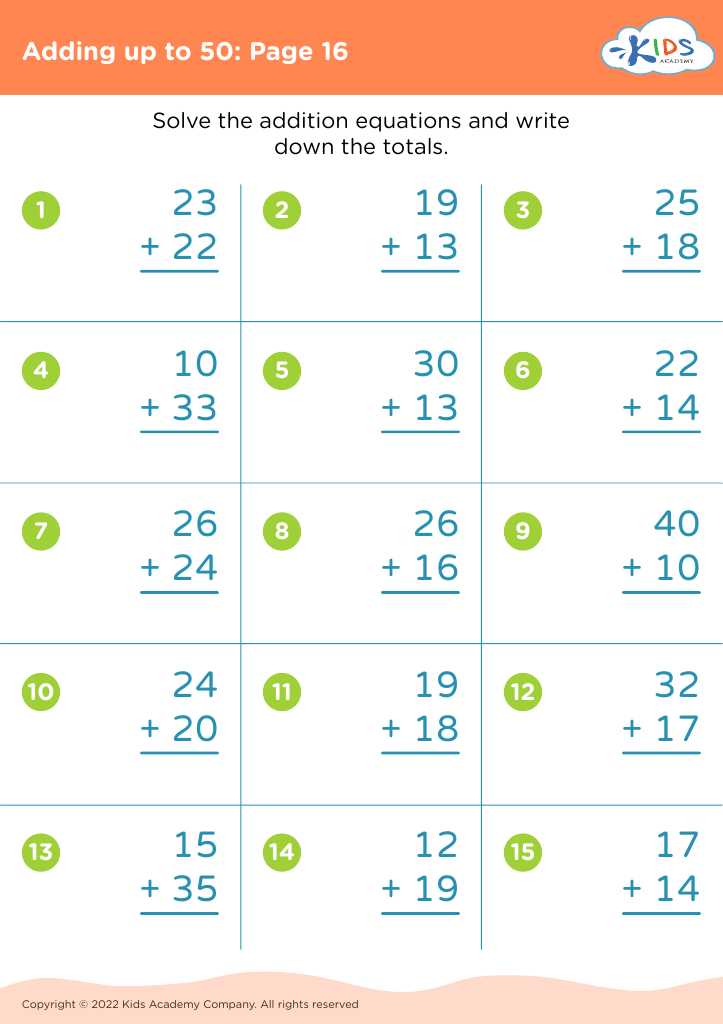
Adding up to 50: Page 16

Adding up to 50: Page 16

Adding up to 50: Page 16
Worksheet
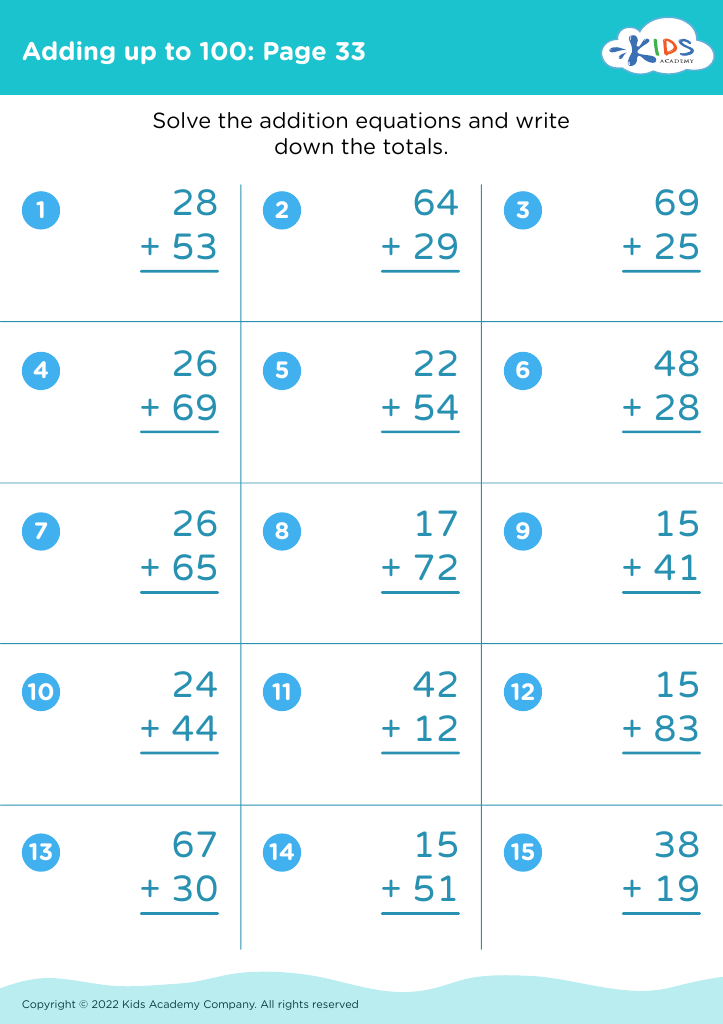
Adding up to 100: Page 33

Adding up to 100: Page 33

Adding up to 100: Page 33
Worksheet
What Time Is it? Minute Hands Worksheet

What Time Is it? Minute Hands Worksheet

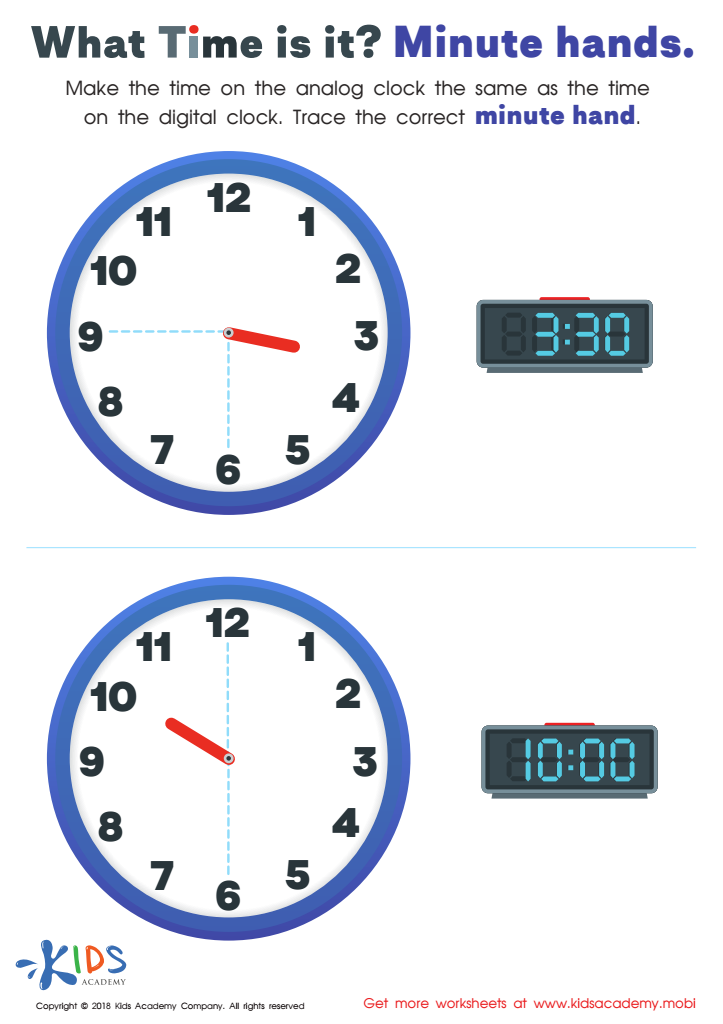
Help your kids telling time with the minute hand correctly with this tracing sheet. Trace the correct minute hand to make the time on the analog clock the same as the time on the digital clock. Give them a pictured demonstration of how to do it and you'll be all set!
What Time Is it? Minute Hands Worksheet
Worksheet
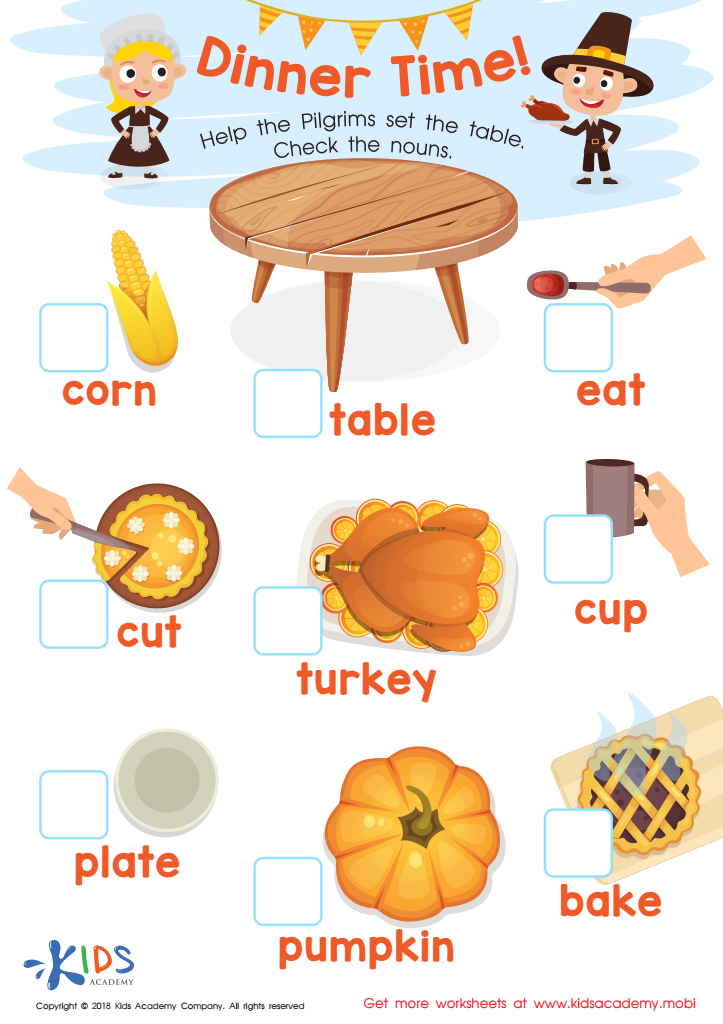
Dinner Time! Worksheet

Dinner Time! Worksheet

Help your child learn about the Pilgrims by completing this worksheet! The Pilgrims set sail on the Mayflower in 1620 and colonized America, meeting the Native Americans already living there and picking up some of their traditions, like Thanksgiving dinner. Check the nouns in the picture and help your child set the table with the celebratory turkey!
Dinner Time! Worksheet
Worksheet
Place Value: Assessment 2 Worksheet
Place Value: Assessment 2 Worksheet
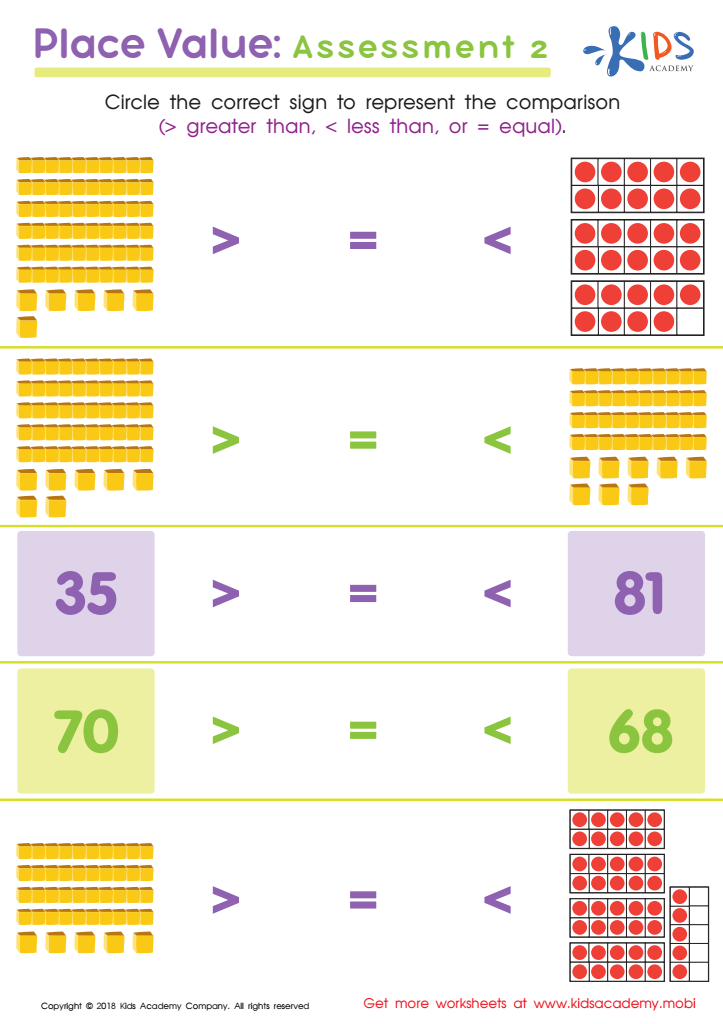
Children must learn to recognize the value of numbers and break them into chunks of ten. They must also be able to compare numbers to know if one is greater, less than or equal to another. The Place Value Assessment PDF is a great tool to assess their skills and identify what requires more practice.
Place Value: Assessment 2 Worksheet
Worksheet
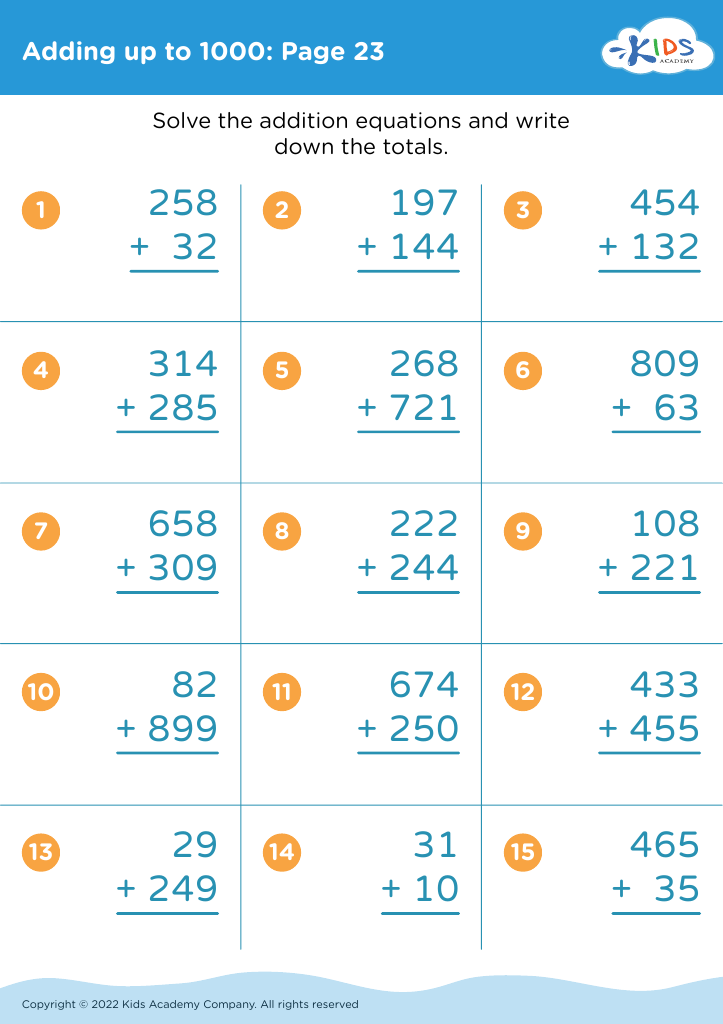
Adding up to 1000: Page 23

Adding up to 1000: Page 23

Adding up to 1000: Page 23
Worksheet
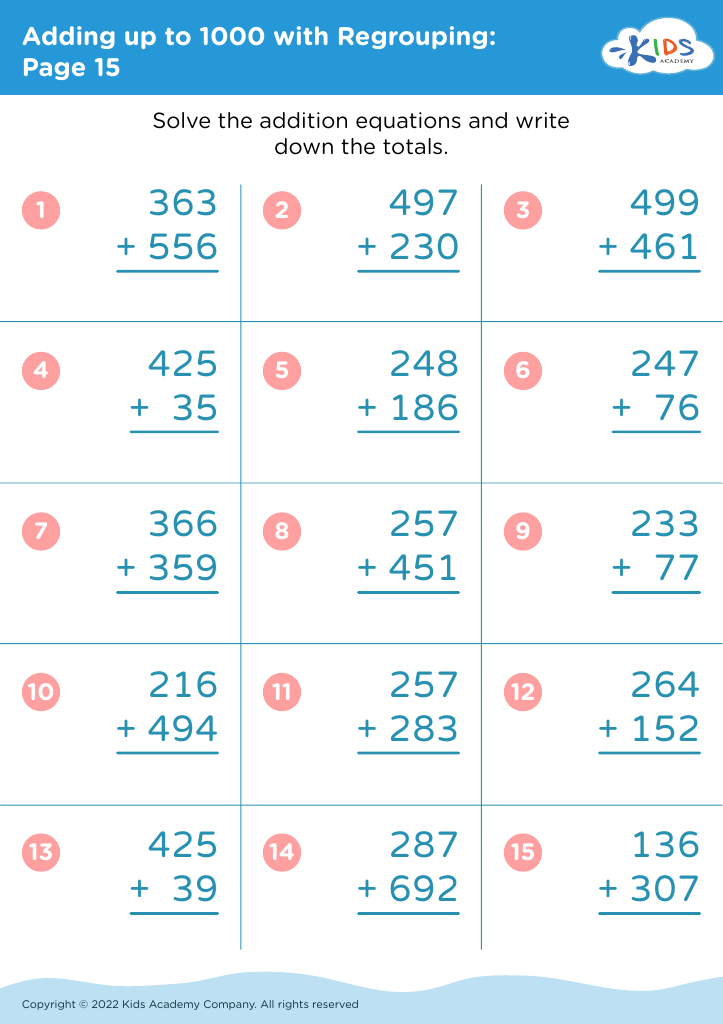
Adding up to 1000 with Regrouping: Page 15
Worksheet
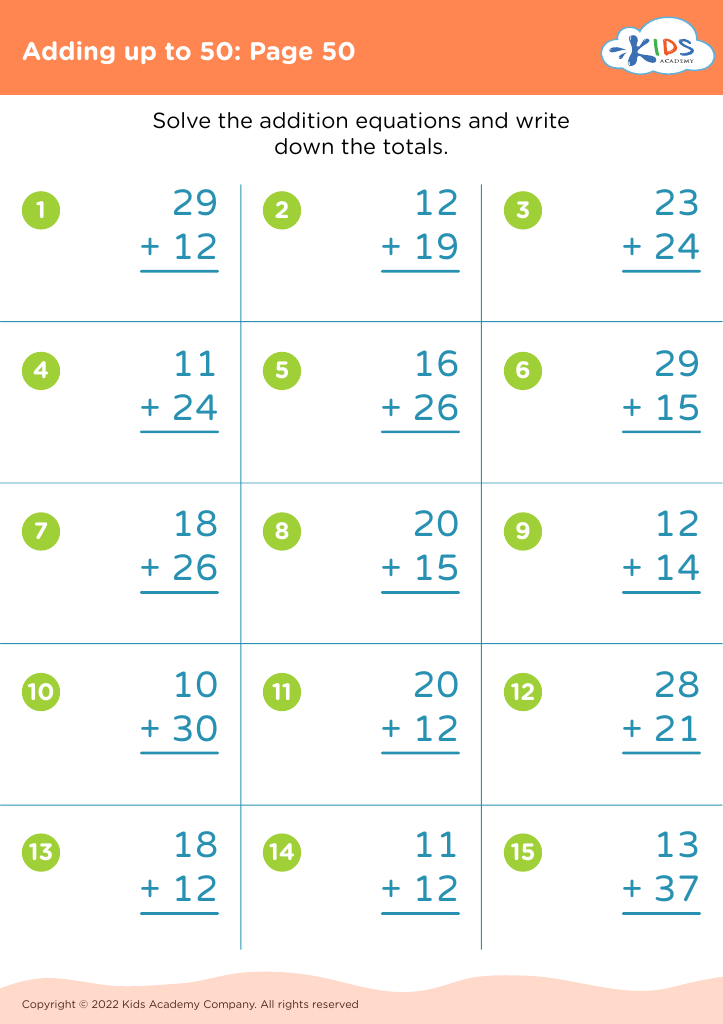
Adding up to 50: Page 50

Adding up to 50: Page 50

Adding up to 50: Page 50
Worksheet
My Day Worksheet
My Day Worksheet

My Day Worksheet

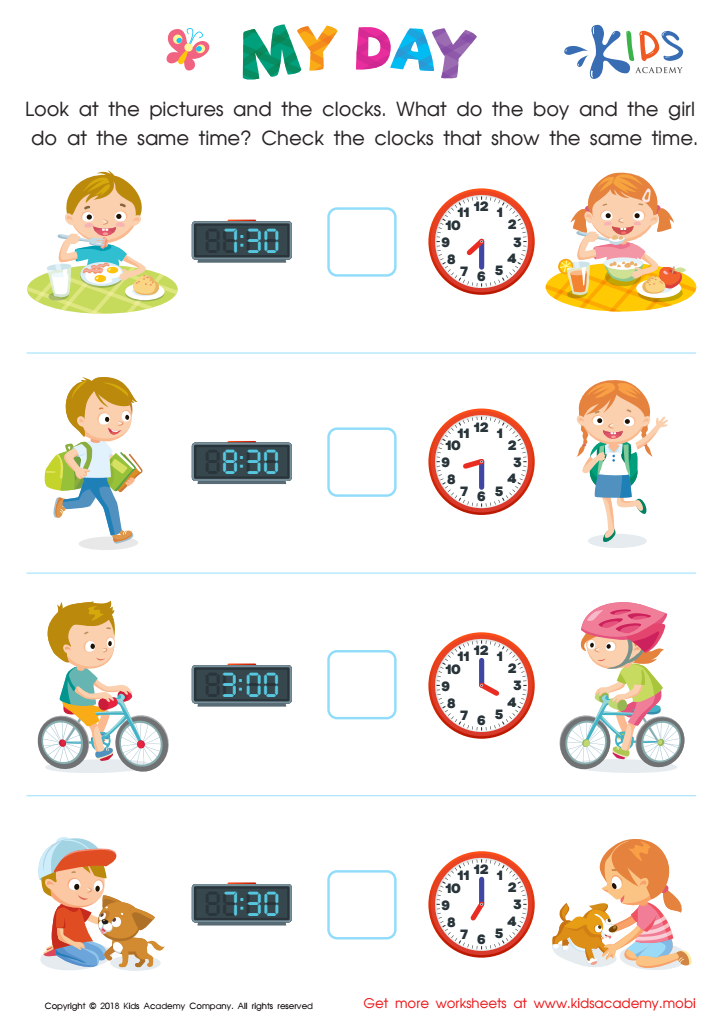
Show your students the pictures and clocks in the colorful worksheet. Ask what the boy and girl are doing in each, then what time the clocks show. Finally, ask what activities they both do at the same time. Help them check the clocks showing the same time in both pictures.
My Day Worksheet
Worksheet


Understanding time is crucial for children ages 5-9 as it lays a foundational aspect of their cognitive and social development. For parents and teachers, fostering this skill is important as it helps children grasp the concept of routines and schedules, which are vital for their daily functioning. Knowing how to read clocks and understand the passage of time helps kids manage their day, whether it's knowing when it’s time to wake up, attend school, do homework, or participate in extracurricular activities.

Furthermore, understanding time improves a child's organizational skills and sense of responsibility. It enables them to set and achieve goals, understand cause and effect, and manage tasks efficiently. For example, recognizing that one hour of study impacts their playtime can improve their time management skills.

In the classroom, time comprehension enhances learning across other subjects. For instance, understanding the timeline of historical events in social studies or sequencing in storytelling can be better grasped by those with a strong sense of time. Equally important, it serves as a building block for more complex mathematical concepts like intervals and fractions.

Overall, children who have a good understanding of time find it easier to adapt to their environment and are better prepared to develop independence crucial for their future success.