Visual comprehension Worksheets for Ages 5-9
11 filtered results
-
From - To
Unlock your child's potential with our Visual Comprehension Worksheets designed specifically for ages 5-9! These engaging and educational worksheets foster critical thinking and sharpen observation skills by combining vibrant images with interactive activities. Perfect for early learners, our resources enhance attentiveness, reasoning, and spatial awareness in a fun, creative manner. Ideal for both classroom settings and home practice, these worksheets will captivate young minds, stimulating their curiosity and promoting a love for learning. Visit Kids Academy for a diverse collection of printable exercises, crafted to support your child's educational journey and help them excel in their formative years.
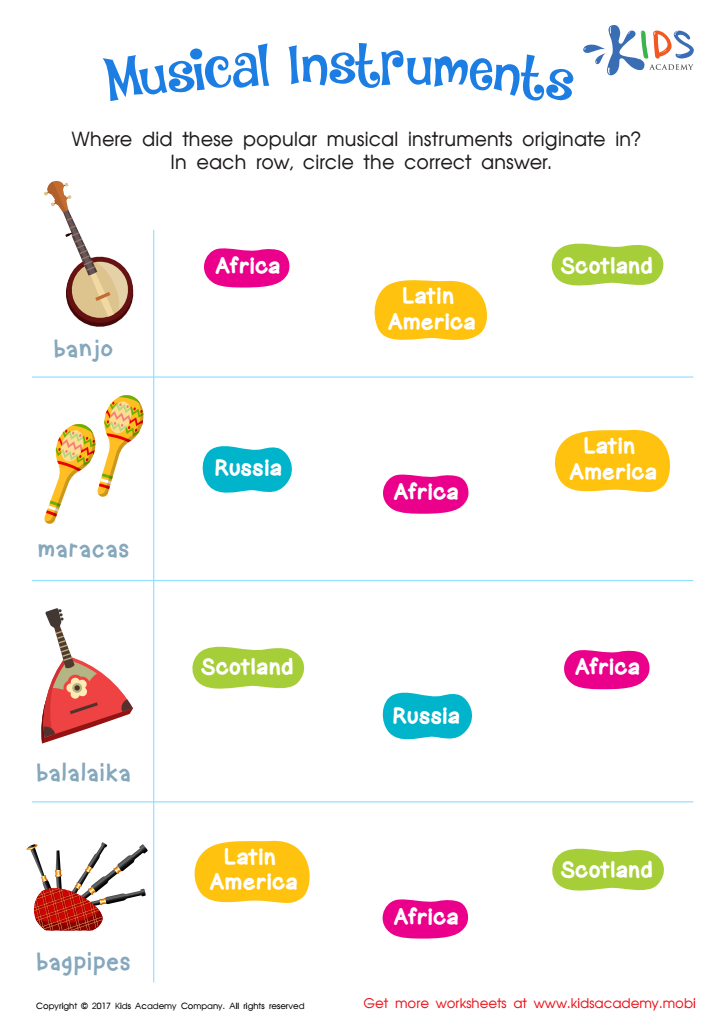
Musical Instruments Printable
 Assign to My Students
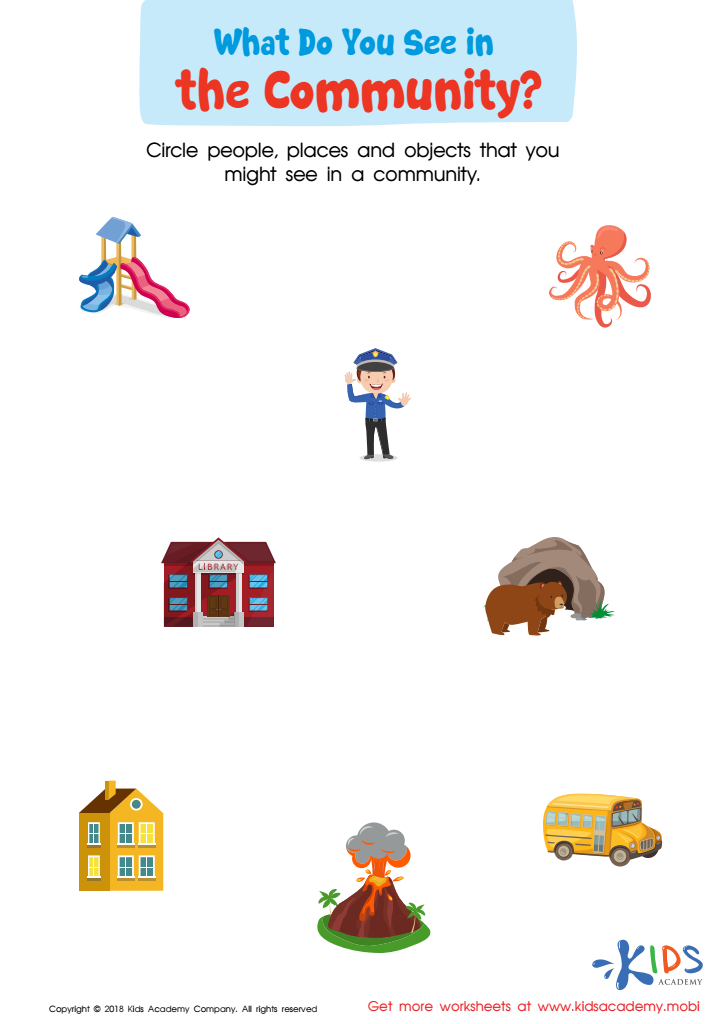
What Do You See in the Community Worksheet
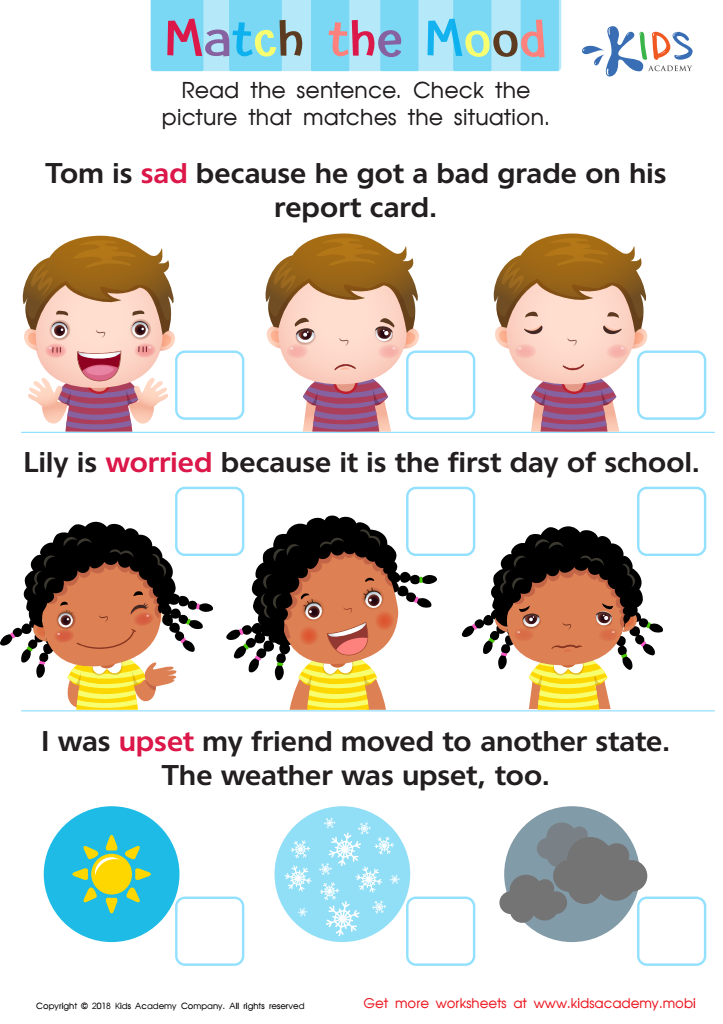
Match The Mood Worksheet
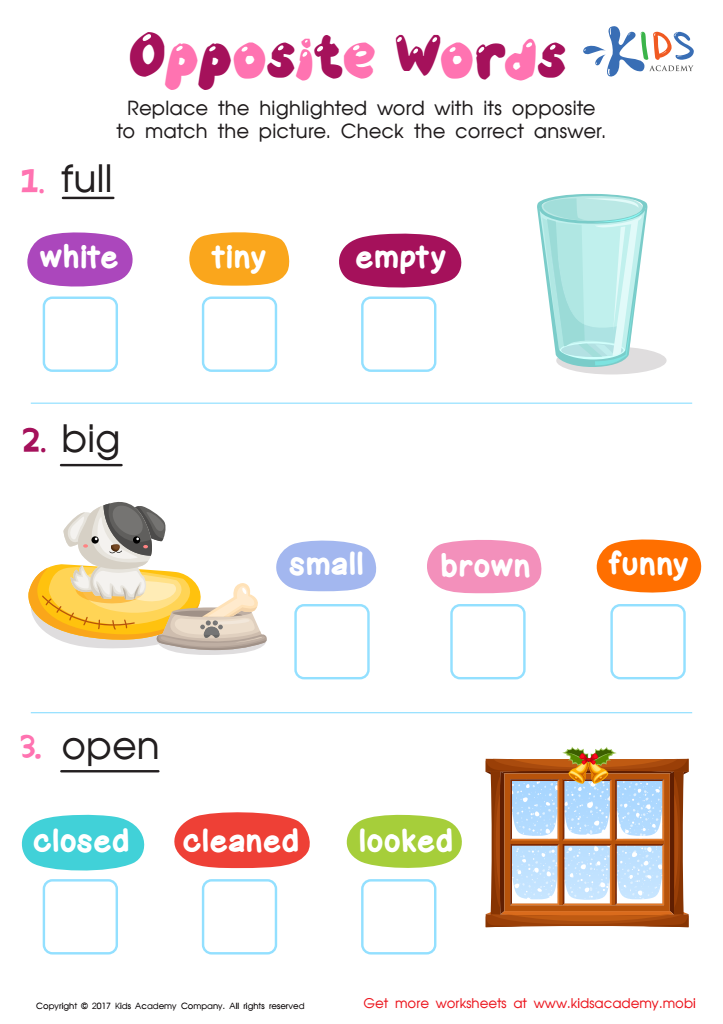
Opposite Words Worksheet
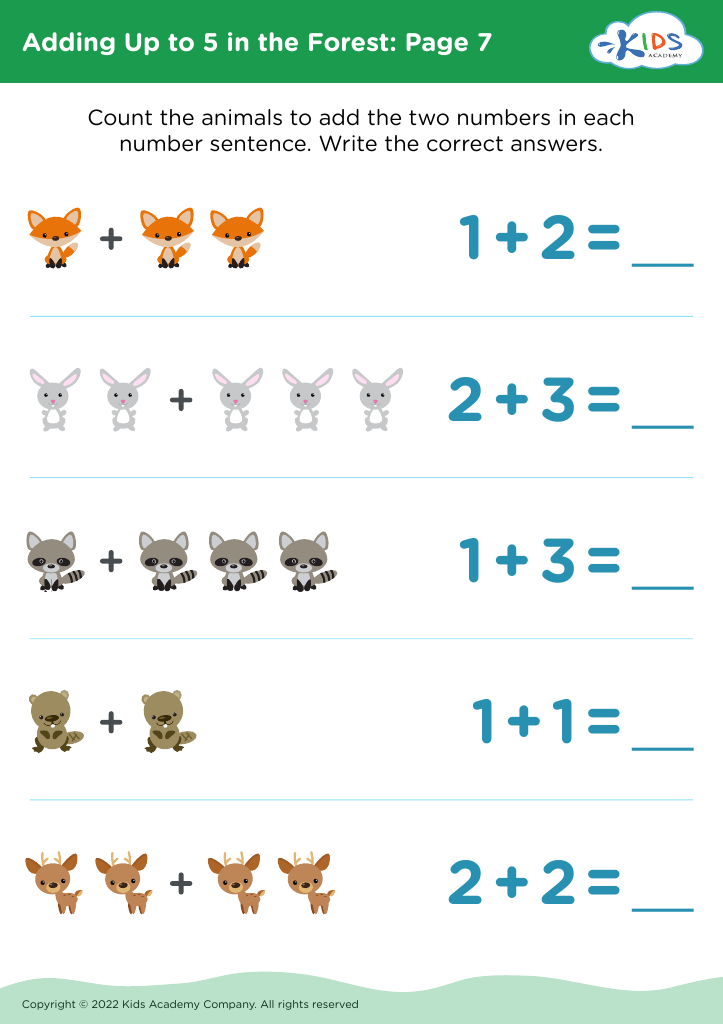
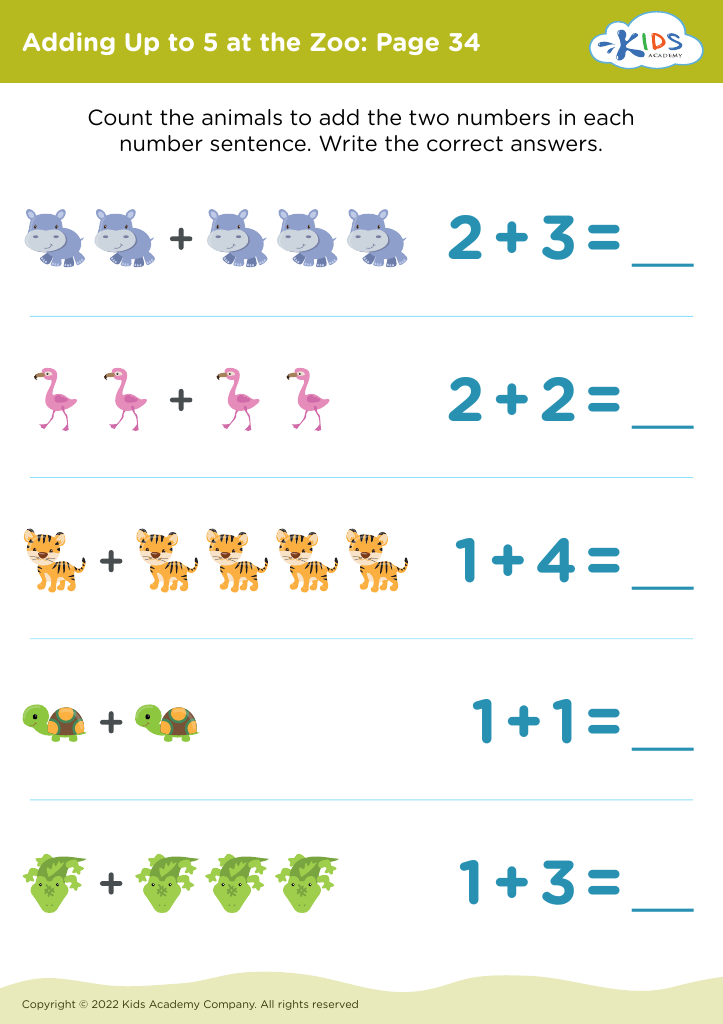
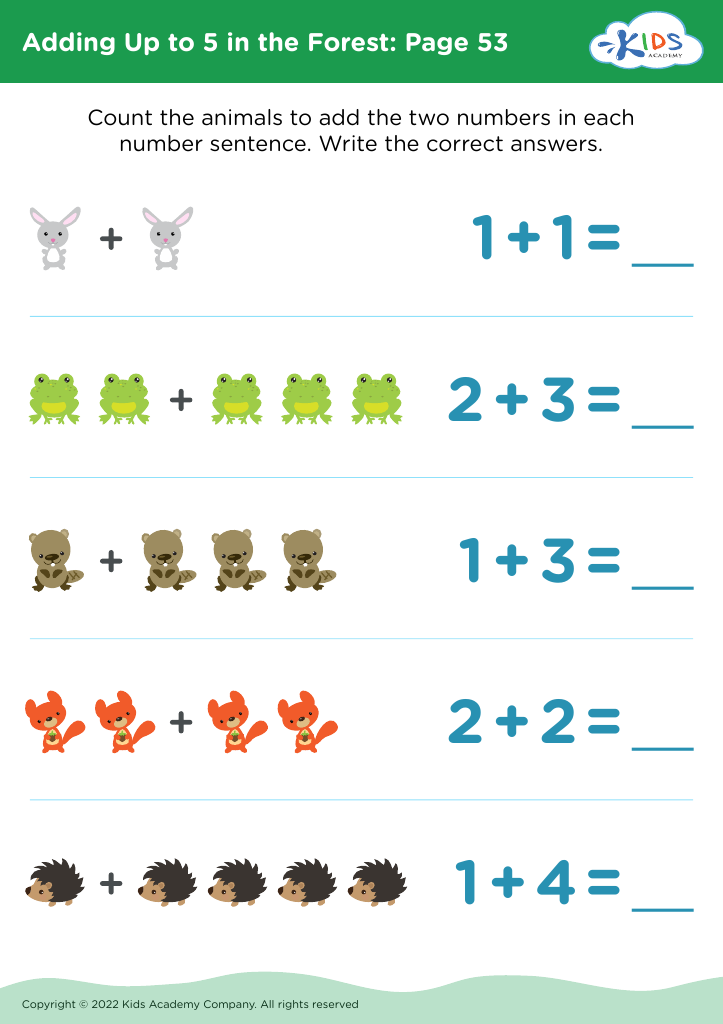
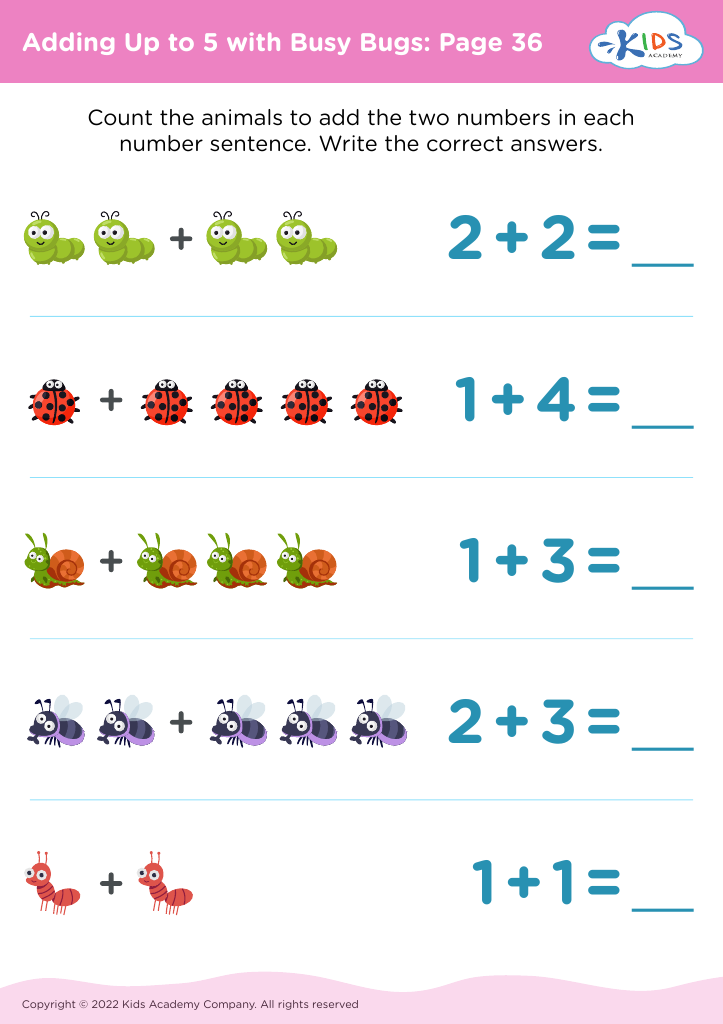
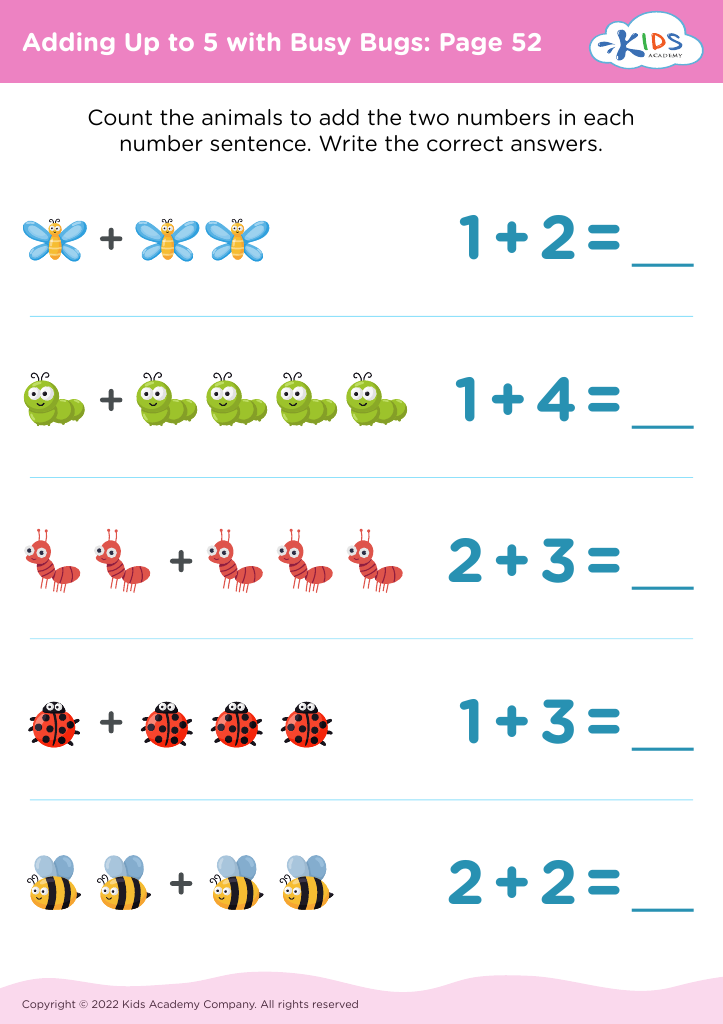






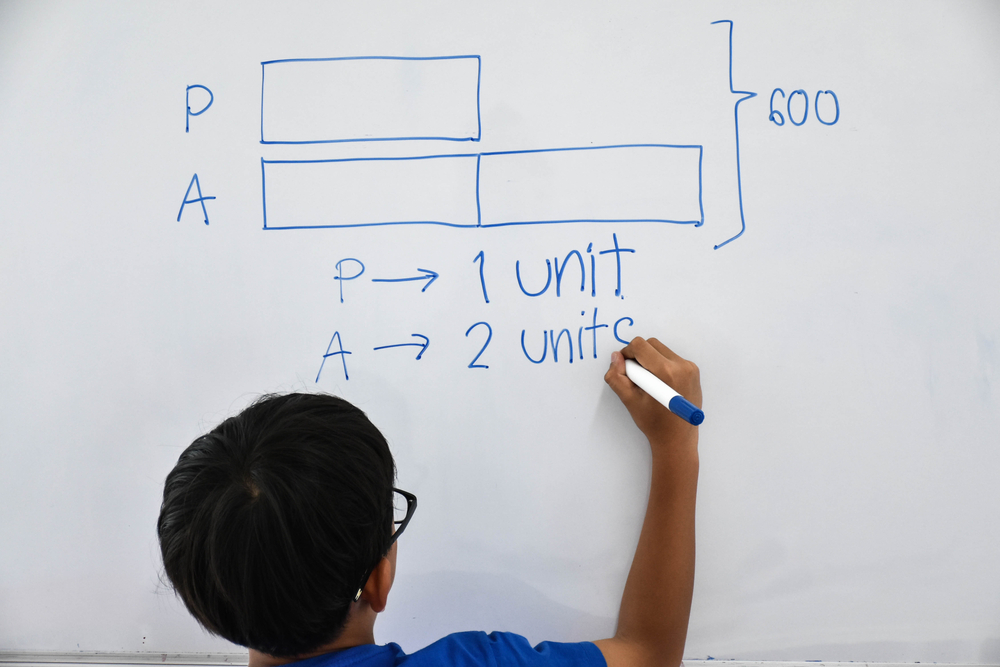
Visual comprehension is essential for children ages 5-9 as it serves as a crucial foundation for their cognitive and academic development. At this age, children rely heavily on visual stimuli to make sense of the world around them. This ability to understand and interpret visual information directly influences their literacy, problem-solving, and critical thinking skills.
When children grasp visual concepts, they're better able to recognize letters, numbers, shapes, and patterns, all integral components of early learning curricula. Proficiency in visual comprehension aids in reading development, as children learn to decode and understand the meaning of words and sentences, boosting their overall academic performance.
Furthermore, visual comprehension enhances a child's ability to follow instructions, focus, and engage in learning activities. It fosters creativity and imagination as they interpret and create visual art, map stories, and engage in play-based learning. Socially, children who can accurately read facial expressions and body language are better equipped to navigate interpersonal relationships.
Investing time in developing visual comprehension skills can lead to enriching educational experiences and more confident, well-rounded learners. By emphasizing this area, parents and teachers prepare children not only for academic success but for effective communication and problem-solving abilities throughout their lives.








