Visual discrimination skills Worksheets for Ages 5-9
10 filtered results
-
From - To
Unlock your child's potential with our engaging Visual Discrimination Skills Worksheets for Ages 5-9! Designed to enhance early learners’ ability to distinguish differences and similarities in shapes, colors, and patterns, these worksheets provide a fun and interactive way to build essential visual processing skills. Perfect for parents and educators, each worksheet includes colorful, age-appropriate exercises that promote cognitive development and boost confidence. From identifying objects to matching activities, our resources are tailored to create a joyful learning experience. Start fostering critical thinking and observation skills today with printable worksheets that make learning enjoyable and effective!
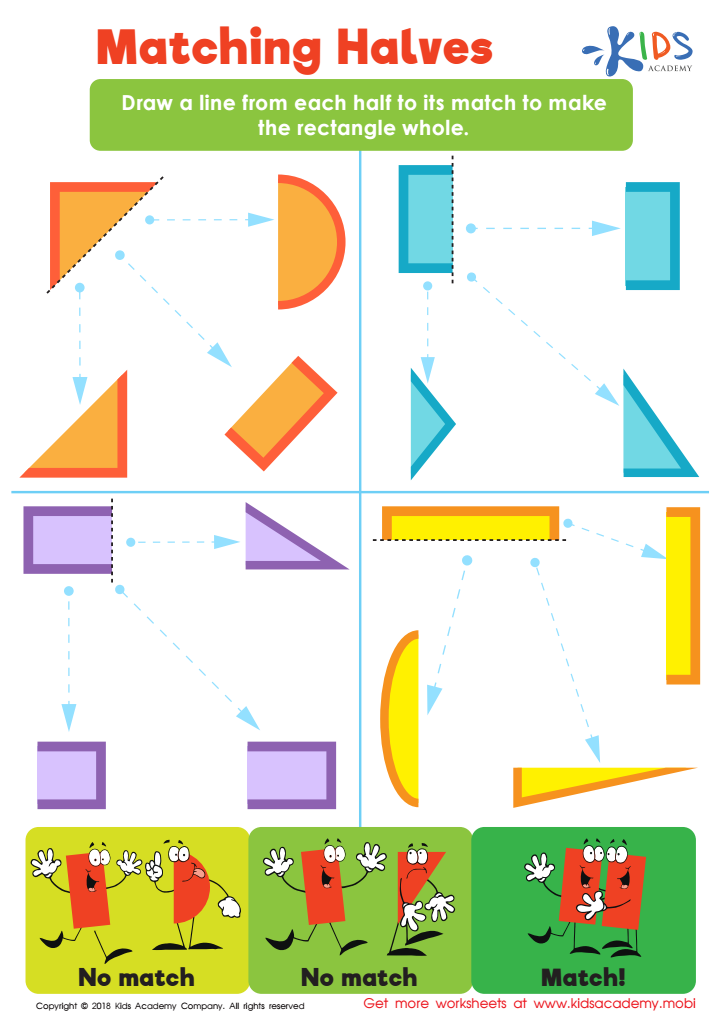
Matching Halves Worksheet
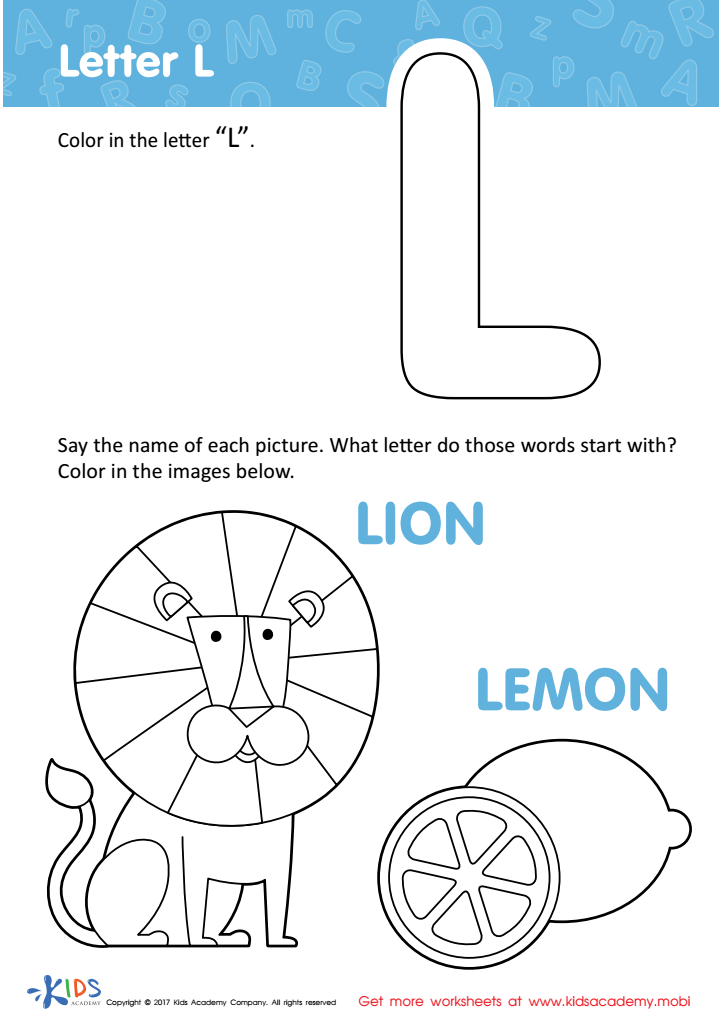
Letter L Coloring Sheet
 Assign to My Students
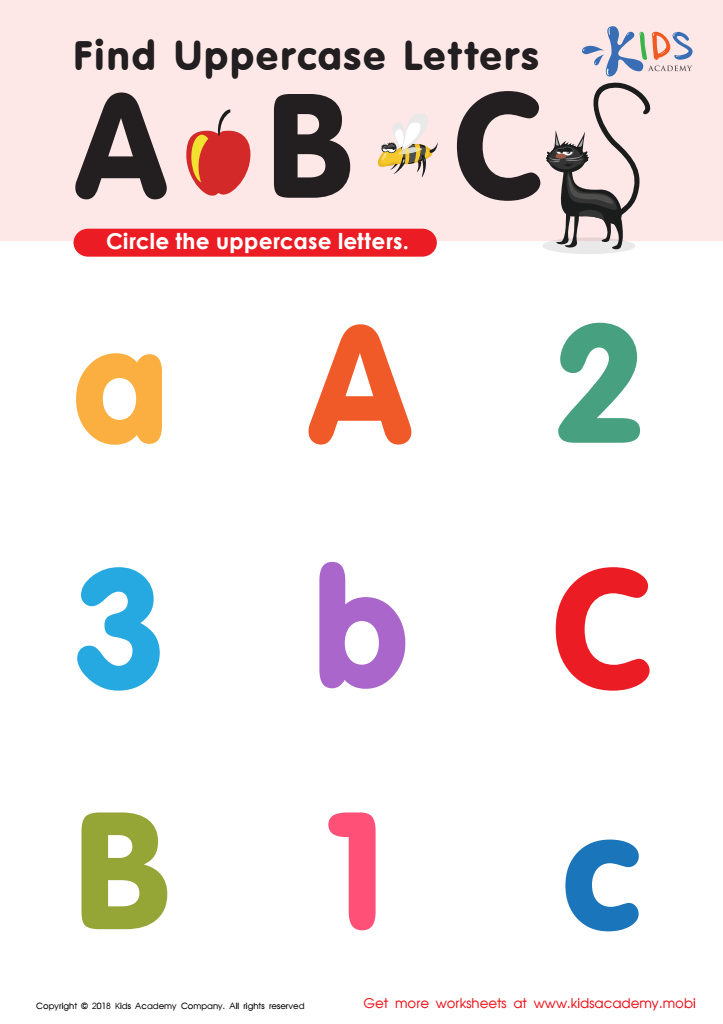
Find Uppercase Letters A, B, and C Worksheet
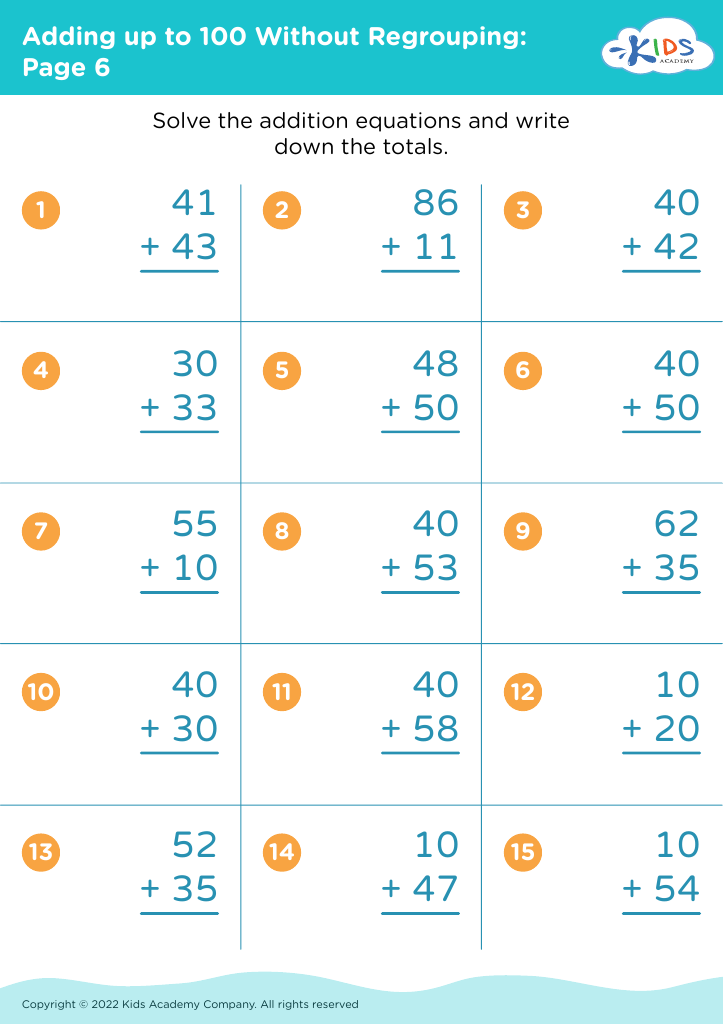
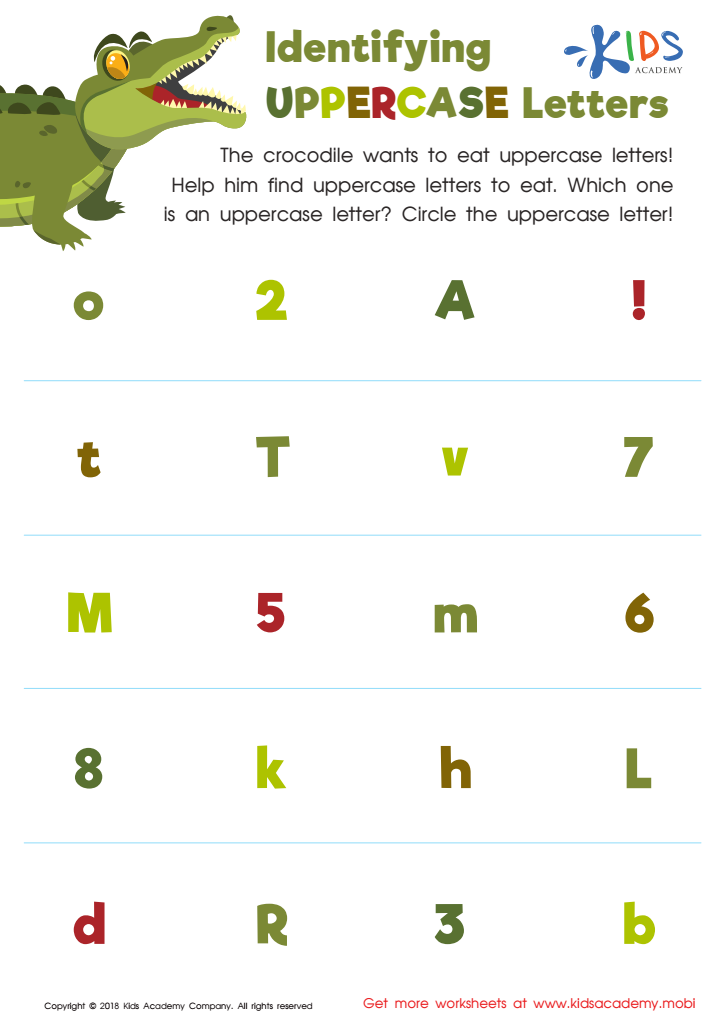
Identifying Uppercase Letters Worksheet

Find lowercase letters a b c Worksheet
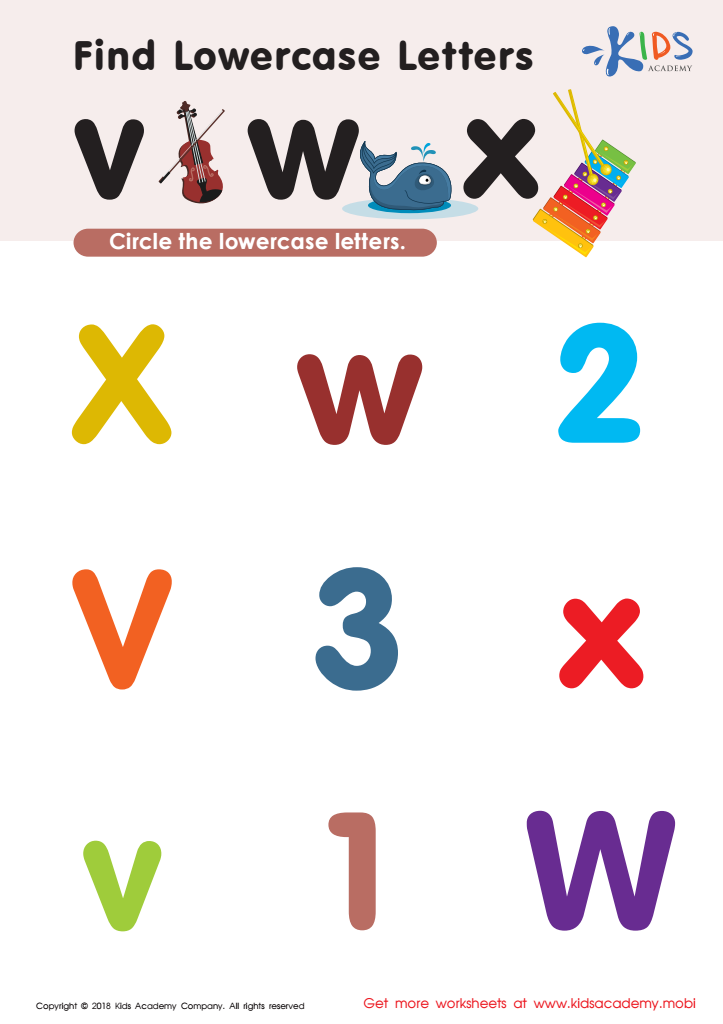
Find Lowercase Letters v w x Worksheet
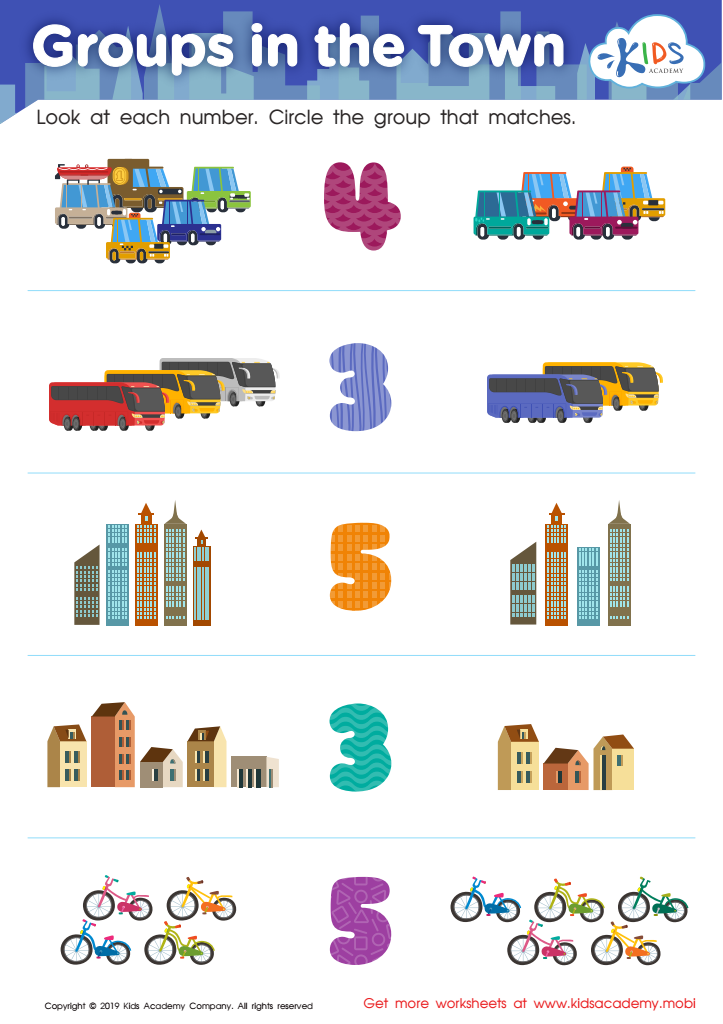
Groups in the Town Worksheet
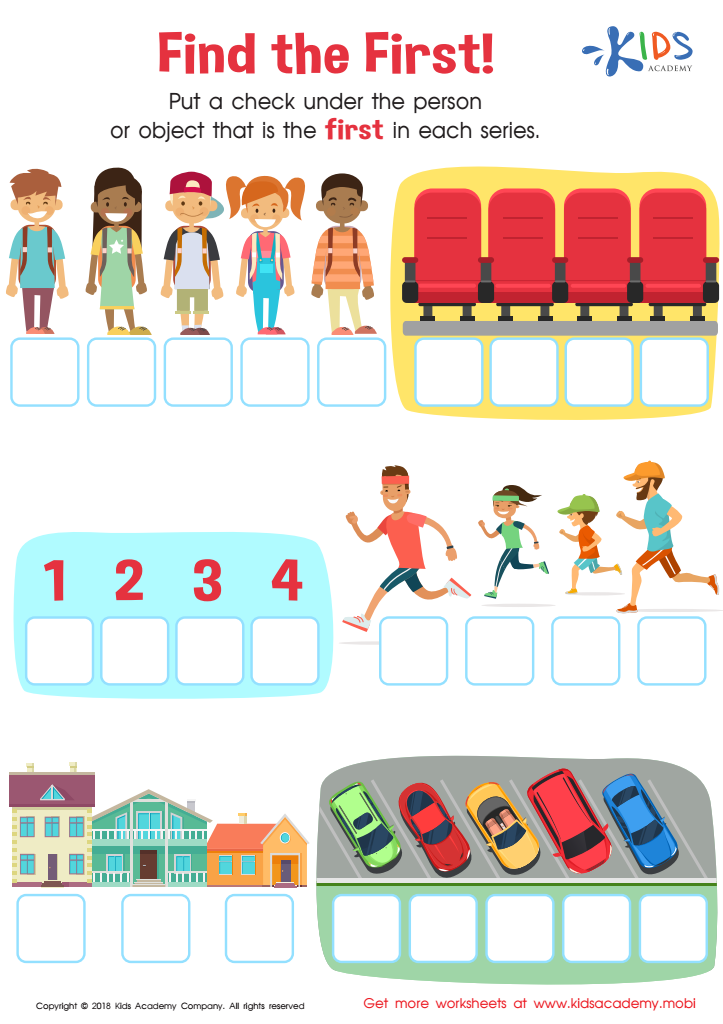
Find the First! Worksheet



.jpg)




Visual discrimination skills, crucial for children aged 5-9, involve the ability to differentiate between similar objects, shapes, and letters. Parents and teachers must prioritize these skills as they form the foundation of literacy and numeracy development. Strong visual discrimination fosters reading readiness; for example, children need to recognize letters and sounds distinctly to decode words accurately. Without these skills, children might struggle with reading, leading to frustration and disengagement from learning.
In addition to literacy, visual discrimination impacts math proficiency. Identifying numerical symbols and patterns is essential for problem-solving and number sense. Activities that enhance these skills—like puzzles, matching games, and sorting exercises—engage children in enjoyable learning experiences while reinforcing valuable cognitive abilities.
Furthermore, developing visual discrimination enhances a child's ability to observe details in their environment, promoting stronger overall observation and critical thinking abilities. This skill not only aids academic success but also instills confidence, as children feel competent in distinguishing and processing their surroundings.
Thus, by supporting visual discrimination skill development, parents and teachers not only boost educational achievement but also equip children with foundational tools necessary for lifelong learning and everyday problem-solving. Investing in these skills is essential for nurturing well-rounded, capable young learners.








