Word Recognition Worksheets for Ages 5-9 - Page 4
77 filtered results
-
From - To
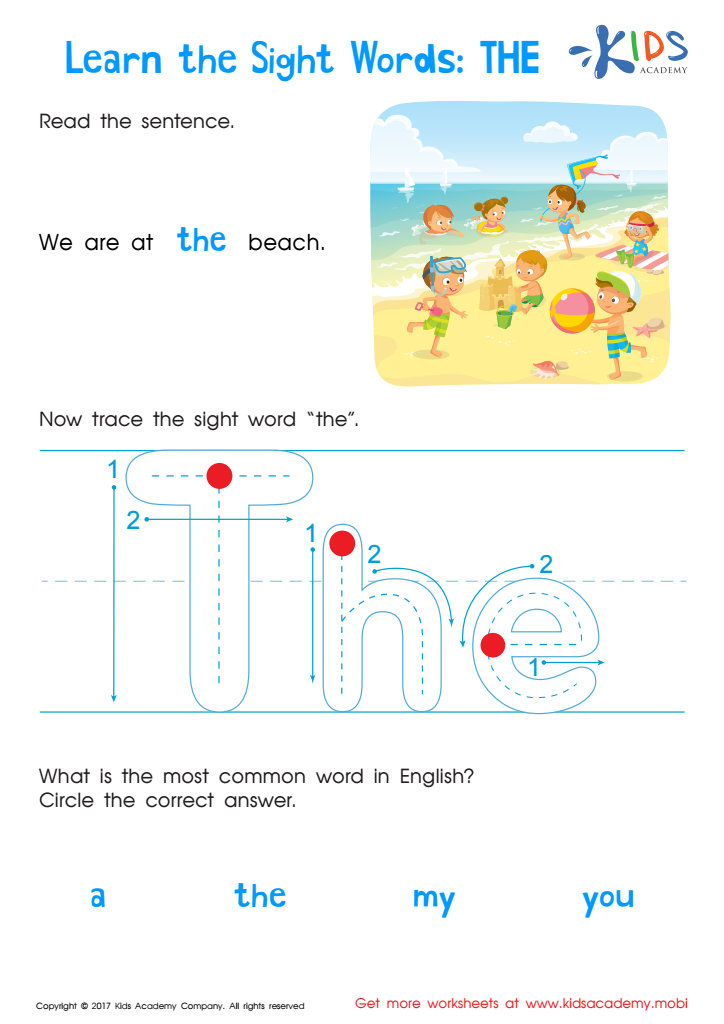
Sight Words: The Worksheet
 Assign to My Students
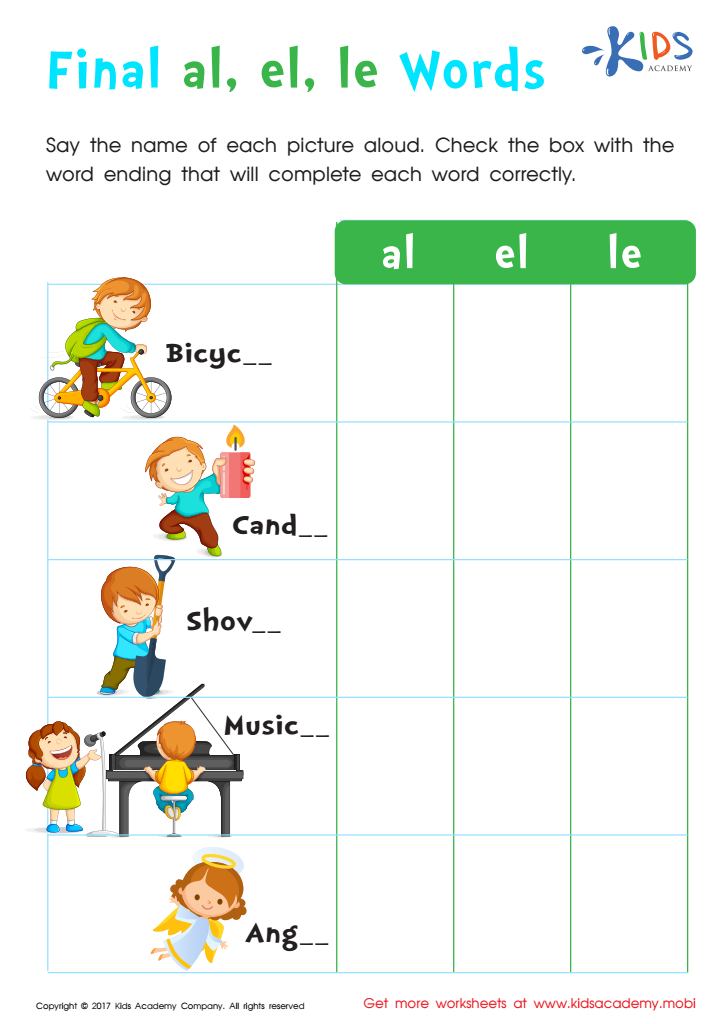
Spelling Words Ending with –le, –el and –al Worksheet
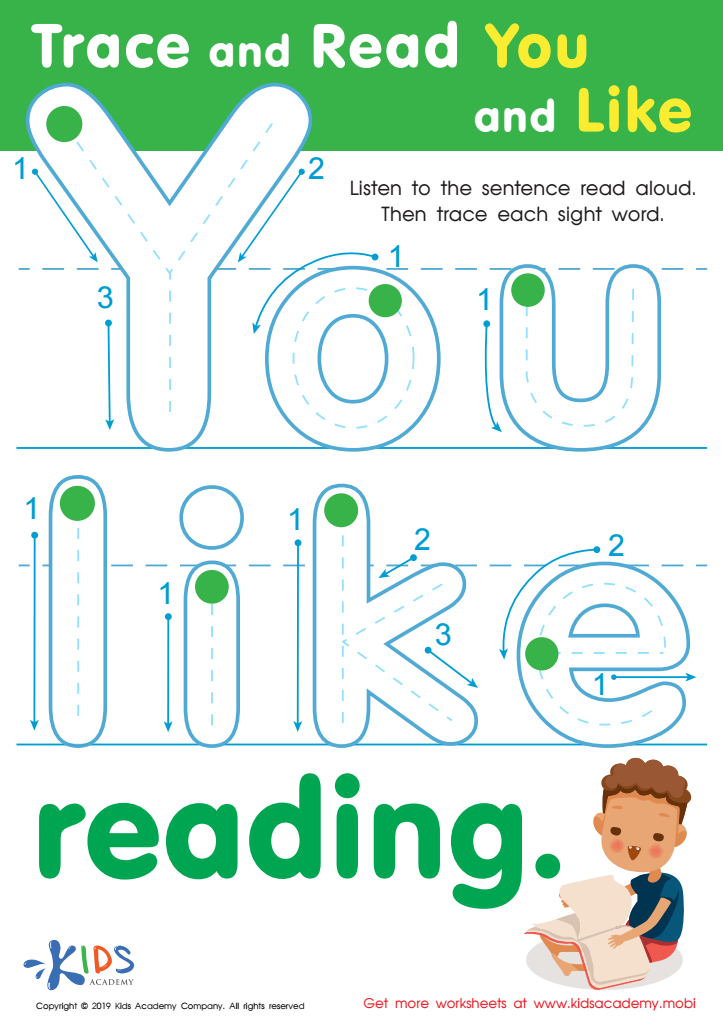
Trace Read You Like Worksheet
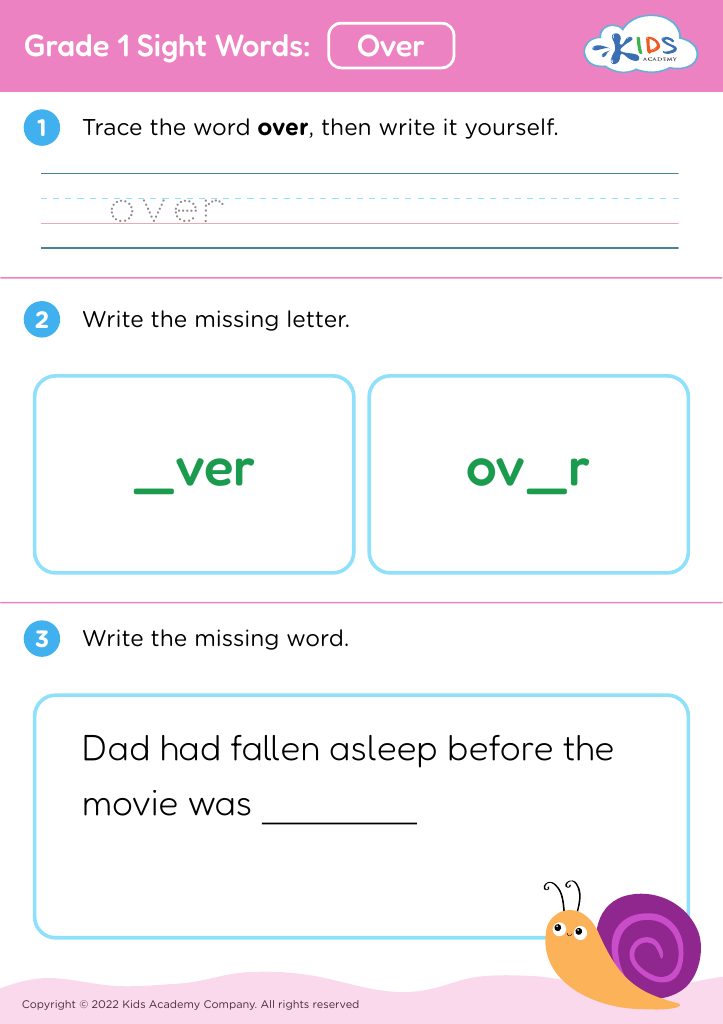






Word recognition is a crucial linguistic skill for children aged 5 to 9, making it an essential focus for both parents and teachers. During these formative years, children are developing foundational literacy skills, and being able to quickly and accurately recognize words contributes significantly to their reading fluency and comprehension. When children can recognize words effortlessly, they can shift their cognitive resources towards understanding the meaning of texts, rather than merely decoding.
Additionally, strong word recognition capabilities foster confidence in young readers, encouraging them to engage with books and other reading materials. This engagement not only enhances vocabulary but also promotes a lifelong love for reading, which is vital in an increasingly literacy-driven world.
For teachers, prioritizing word recognition can lead to more effective instruction and improved student outcomes. Teachers can implement targeted activities that promote sight word recognition, paving the way for more integrated reading strategies. For parents, supporting word recognition at home through shared reading sessions and playful language activities not only bolsters academic performance but also fosters quality parent-child interactions, reinforcing the importance of a supportive learning environment. Together, parents and teachers can motivate children, laying the groundwork for successful reading journeys ahead.








