Improve number recognition Addition & Subtraction Worksheets for Ages 5-9
15 filtered results
-
From - To
Enhance your child's number recognition skills with our engaging Addition & Subtraction Worksheets designed for ages 5-9. These interactive worksheets provide a fun and effective way to reinforce essential math concepts while helping young learners develop their understanding of numbers. Through a variety of vibrant activities, children will explore addition and subtraction in a playful manner, boosting their confidence and enthusiasm for math. Perfect for both classroom use and at-home practice, our resources cater to diverse learning styles, ensuring every child can flourish. Download these worksheets today and watch your little ones excel in their early math journey!
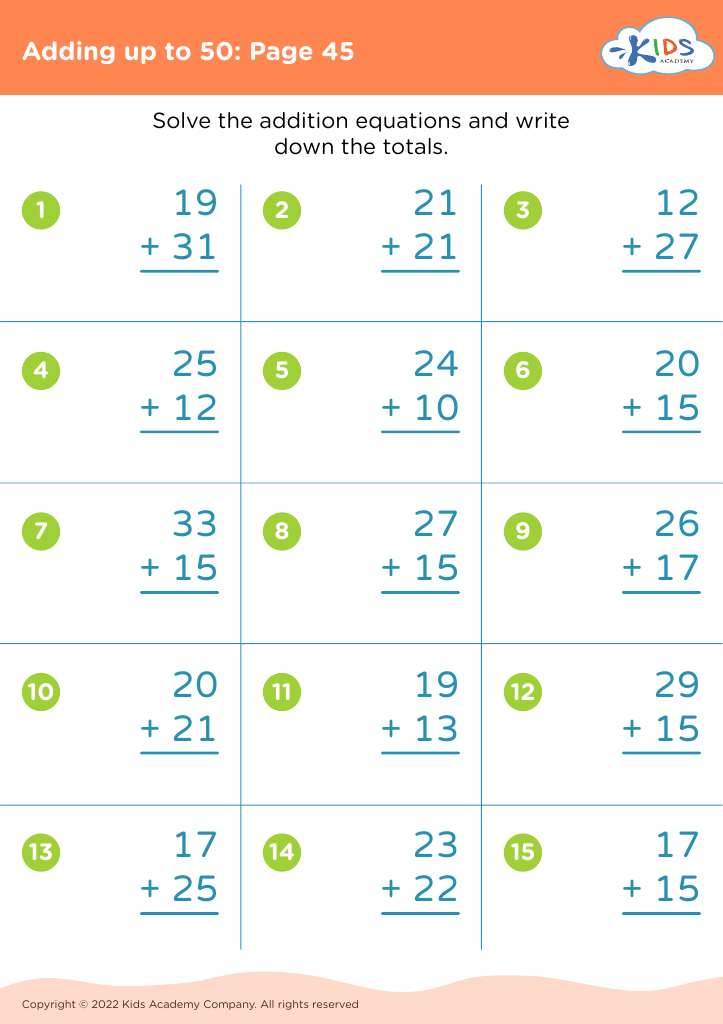
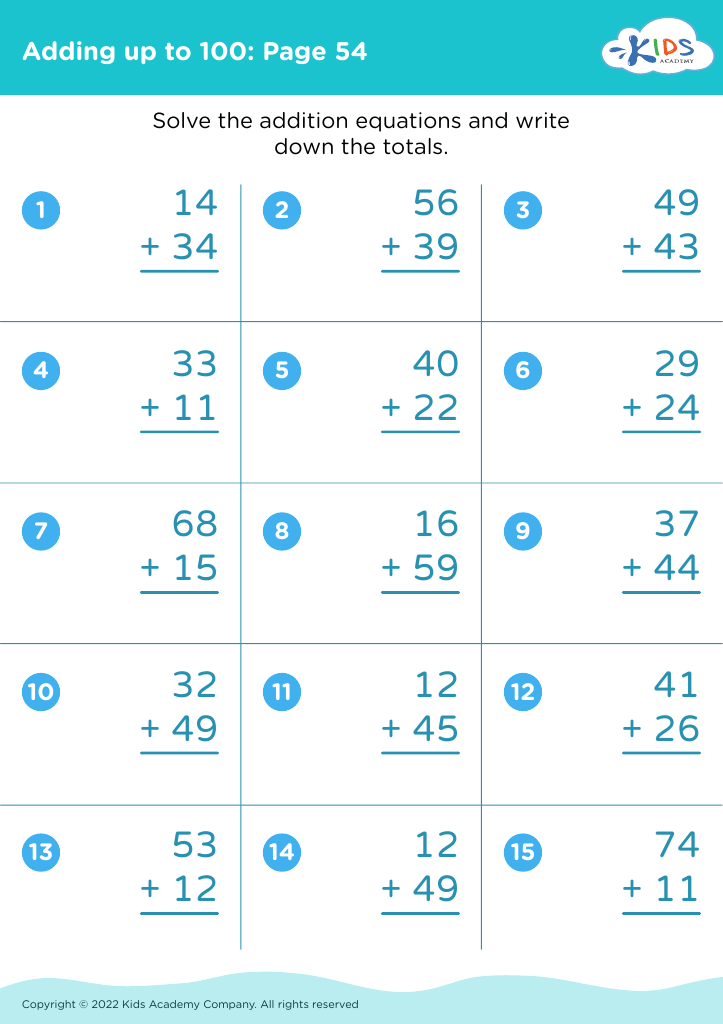
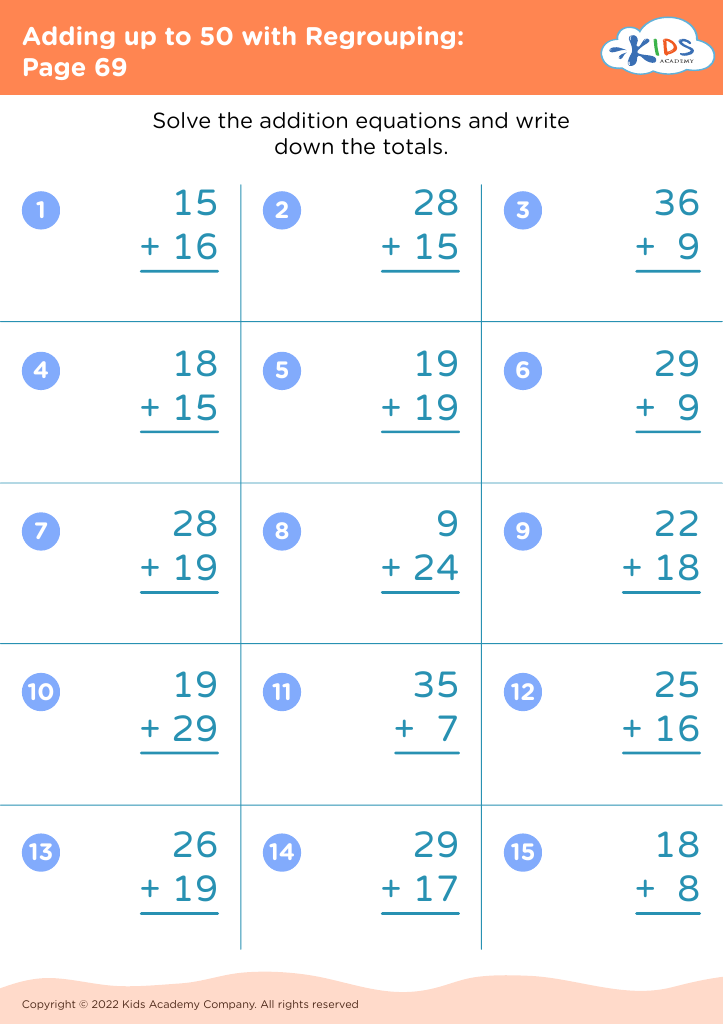
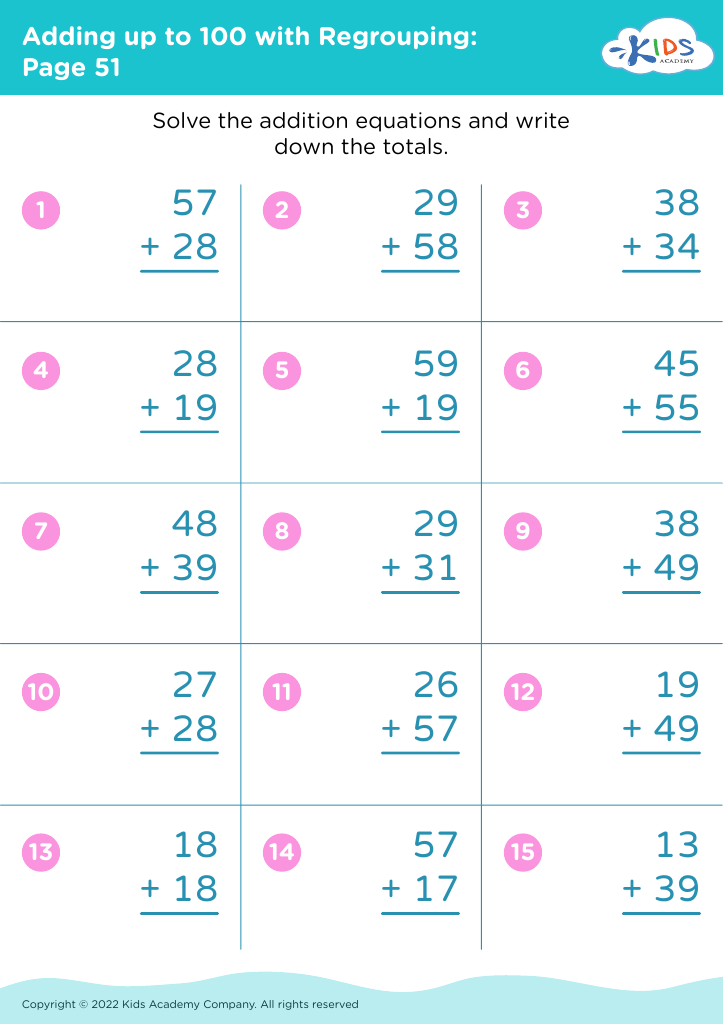
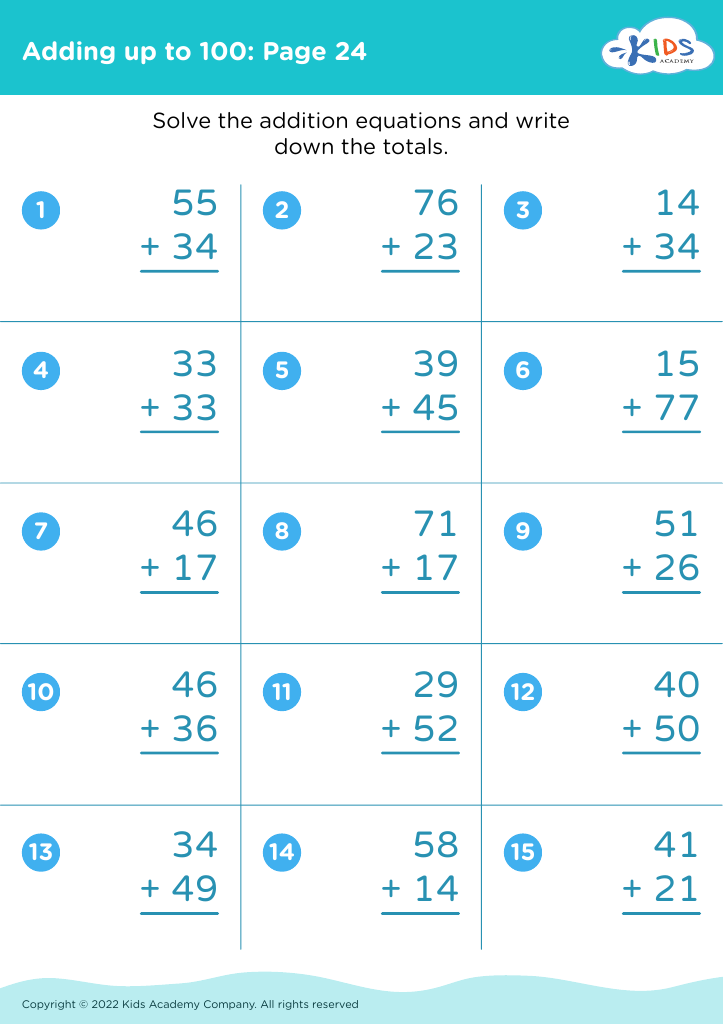
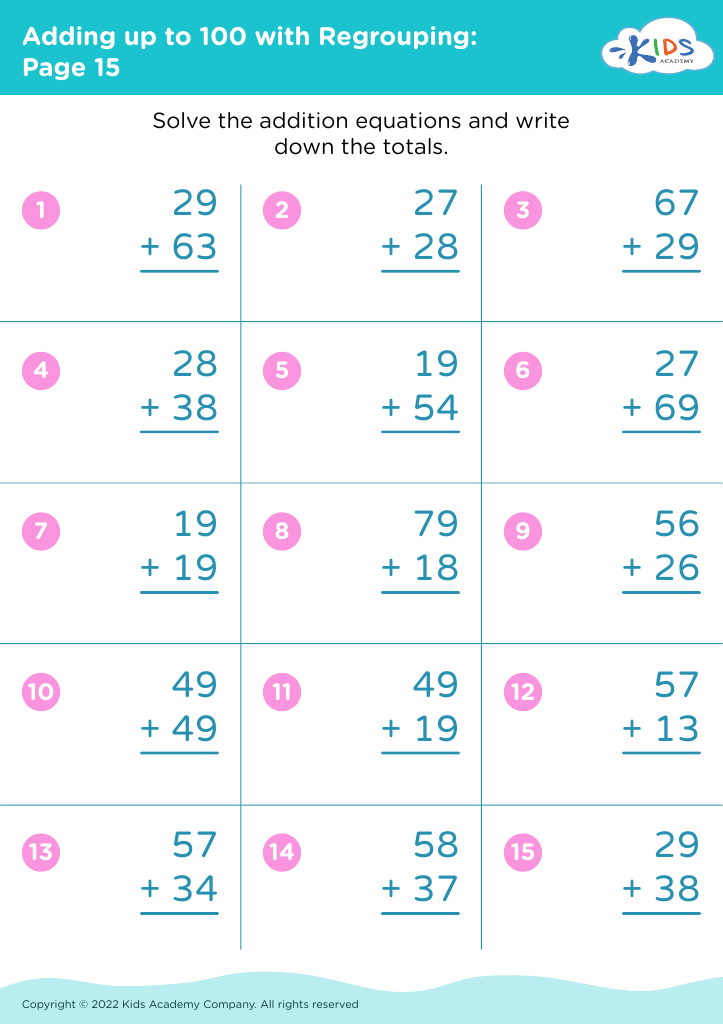
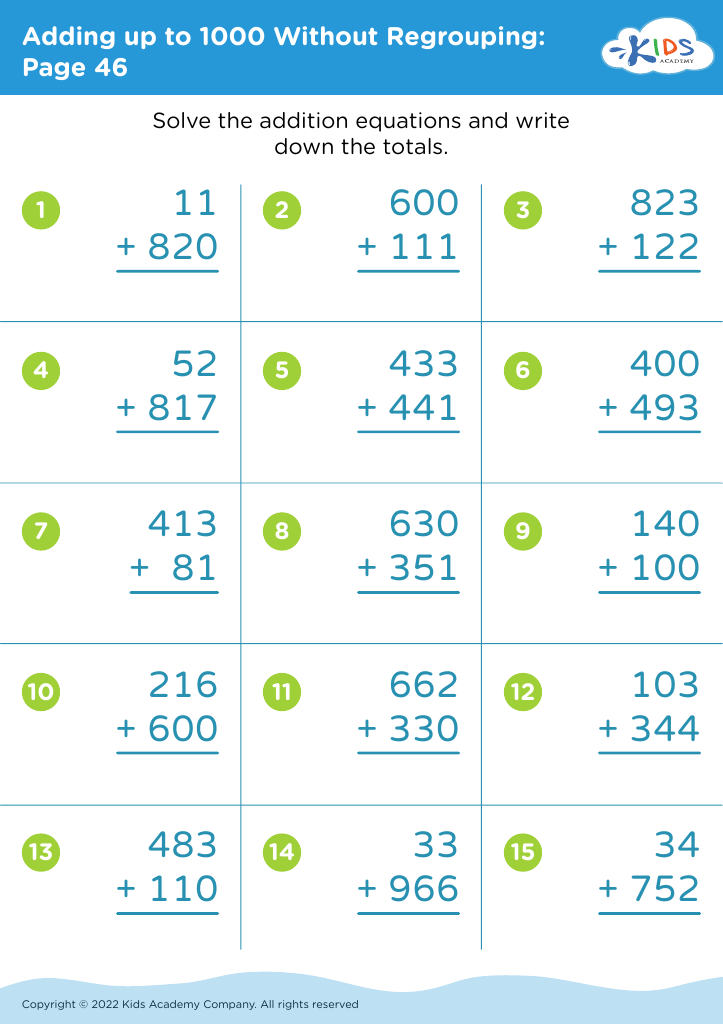
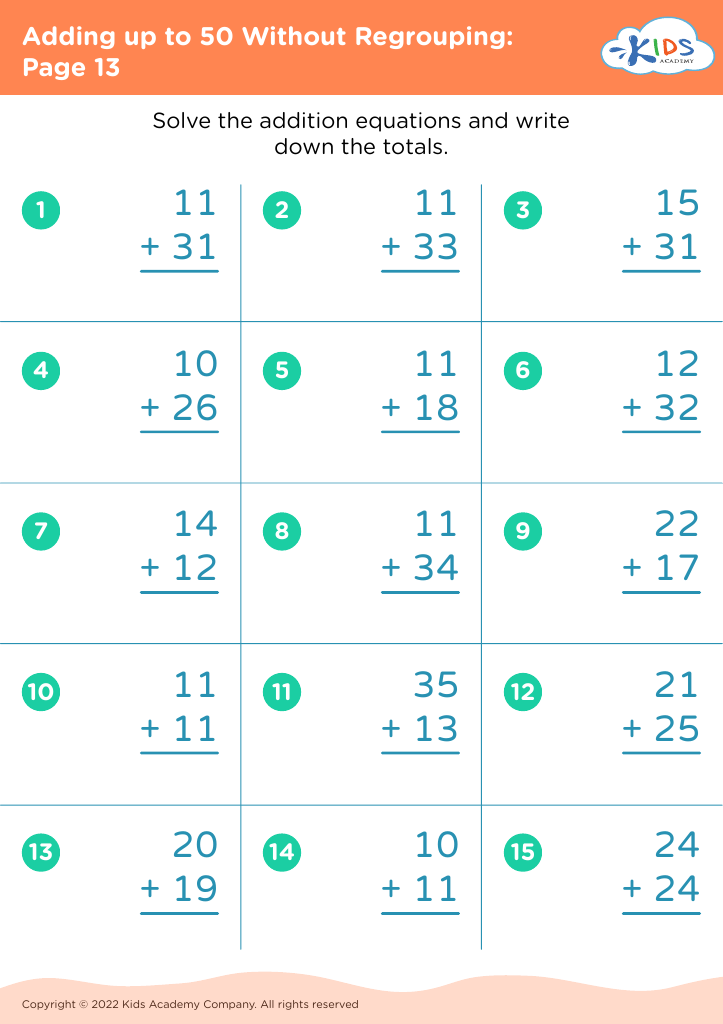
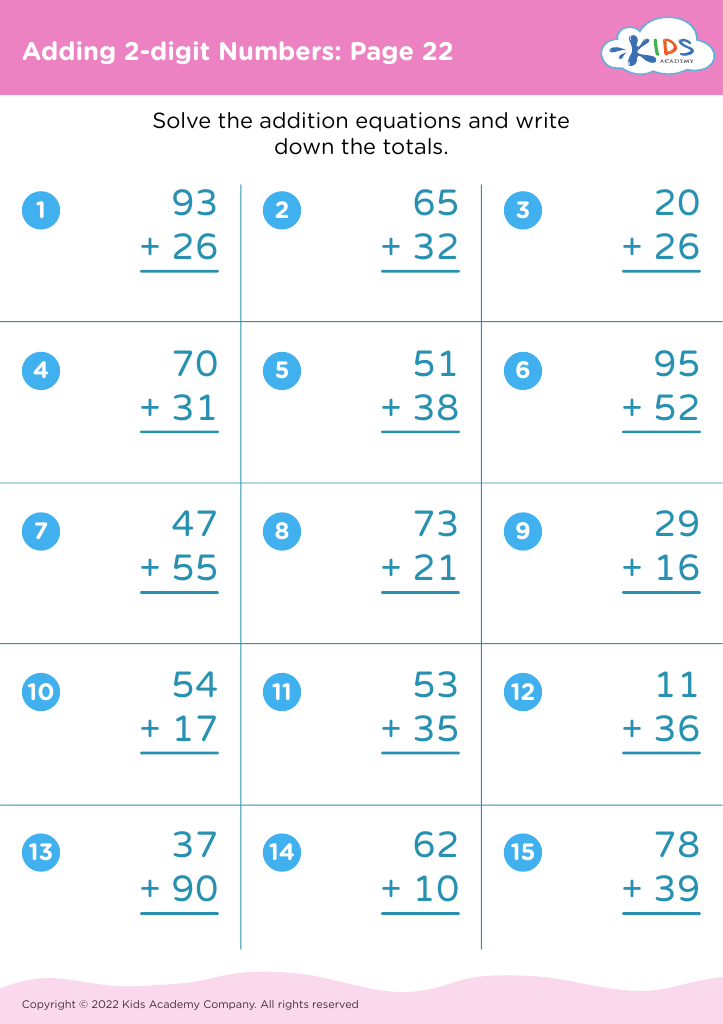
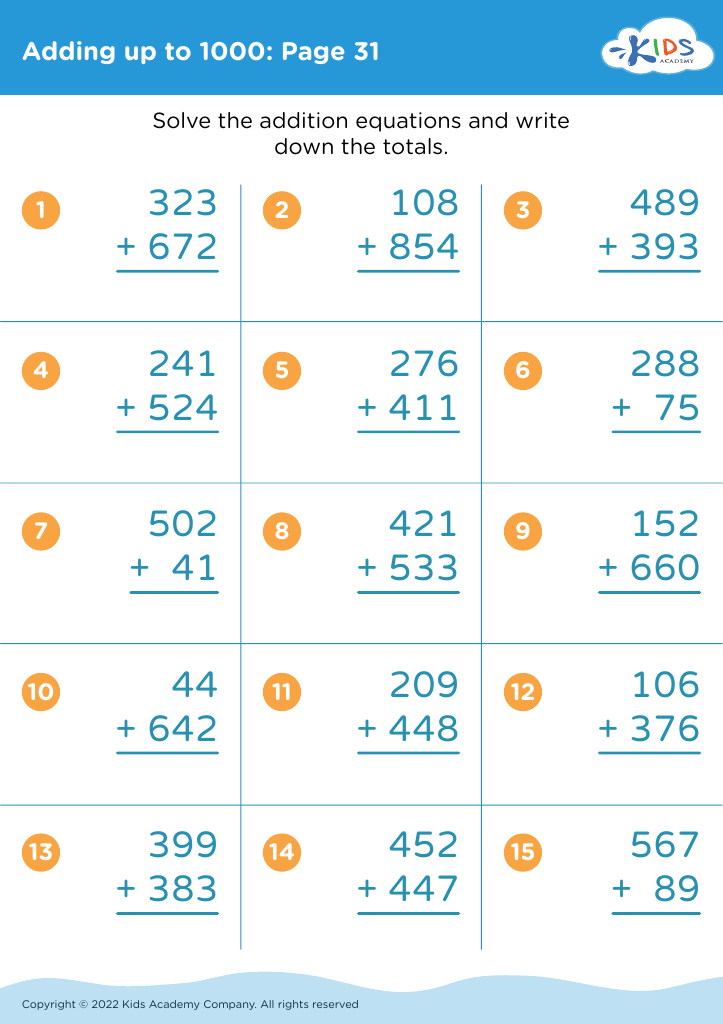
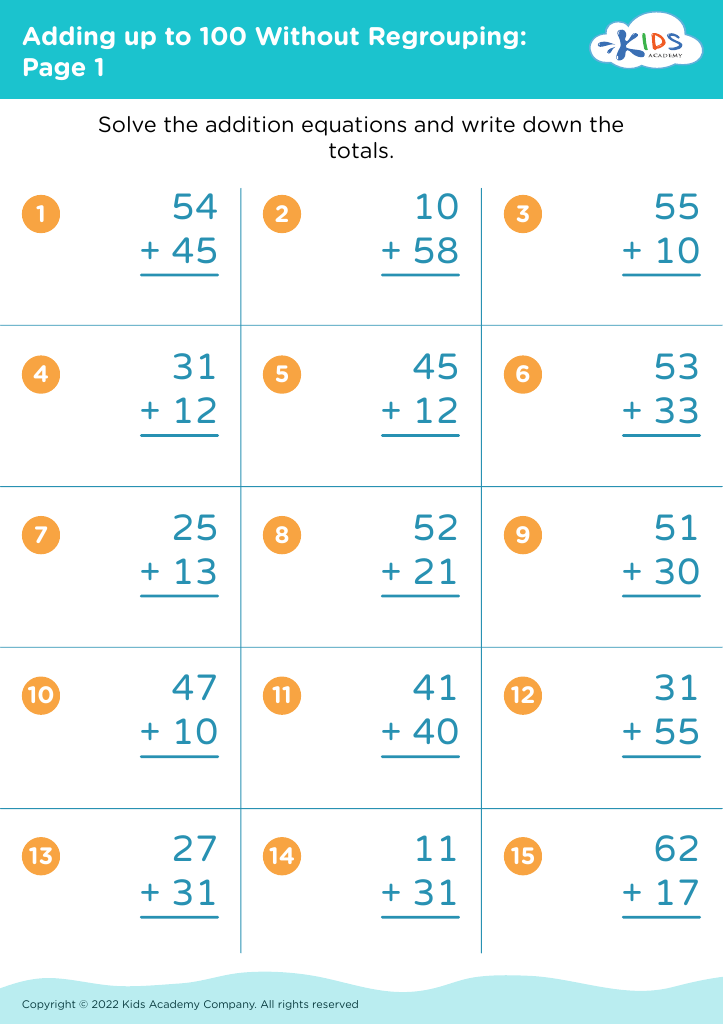
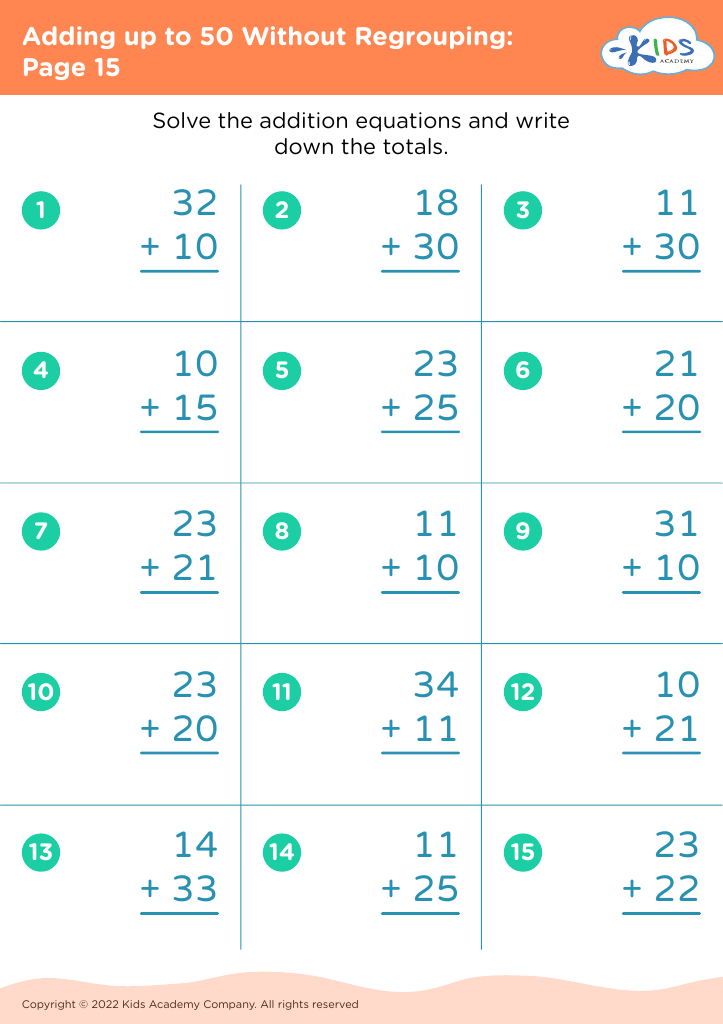
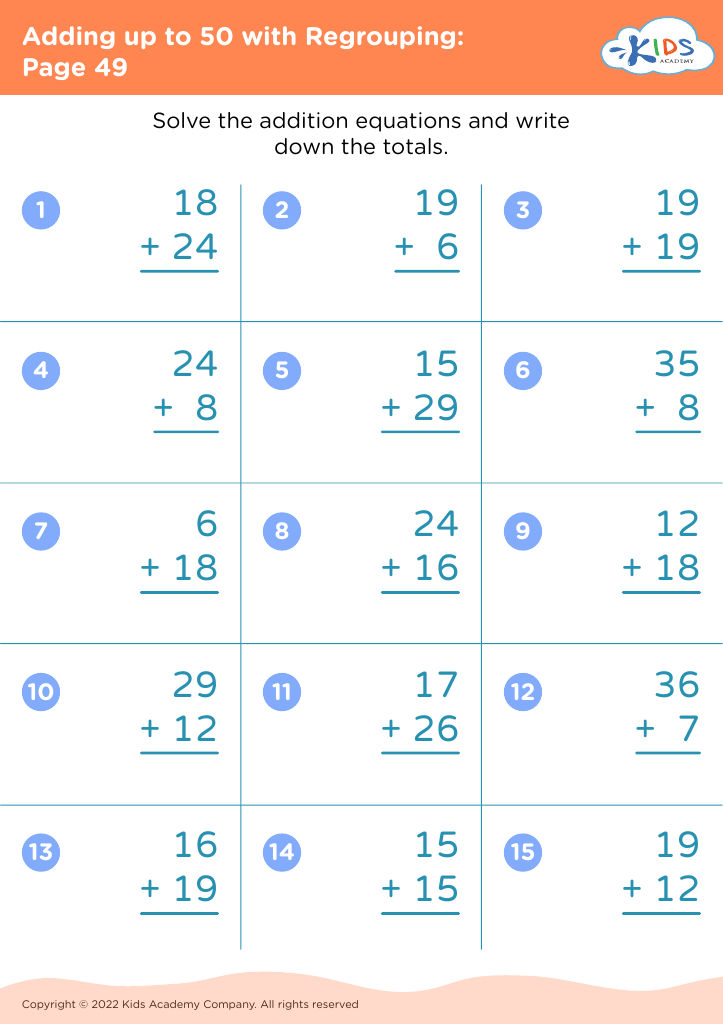
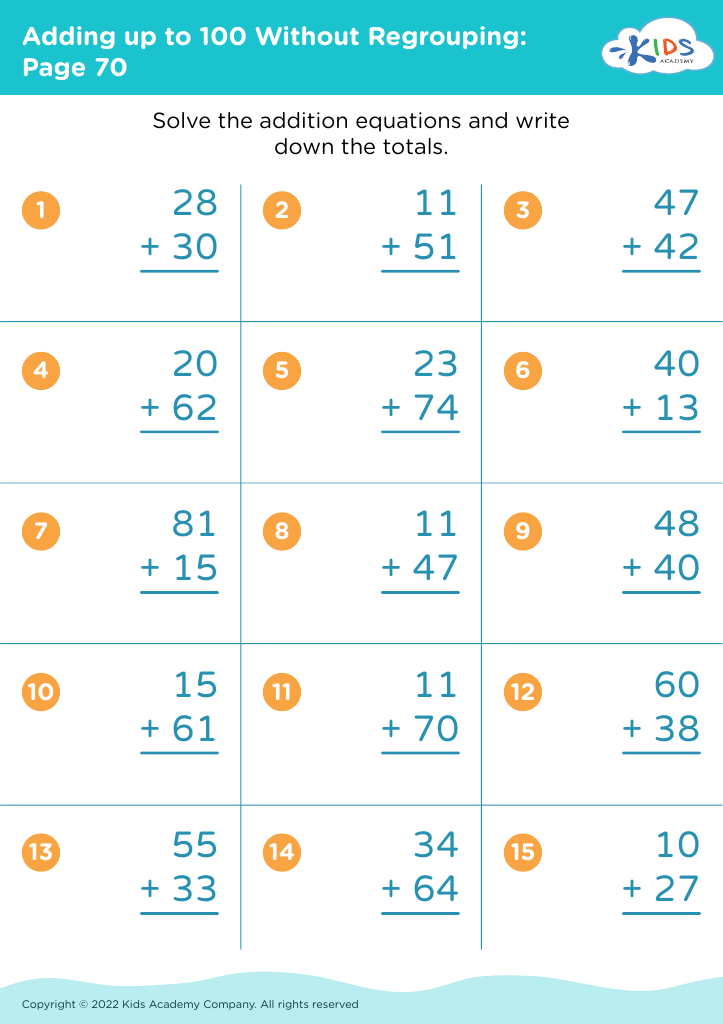
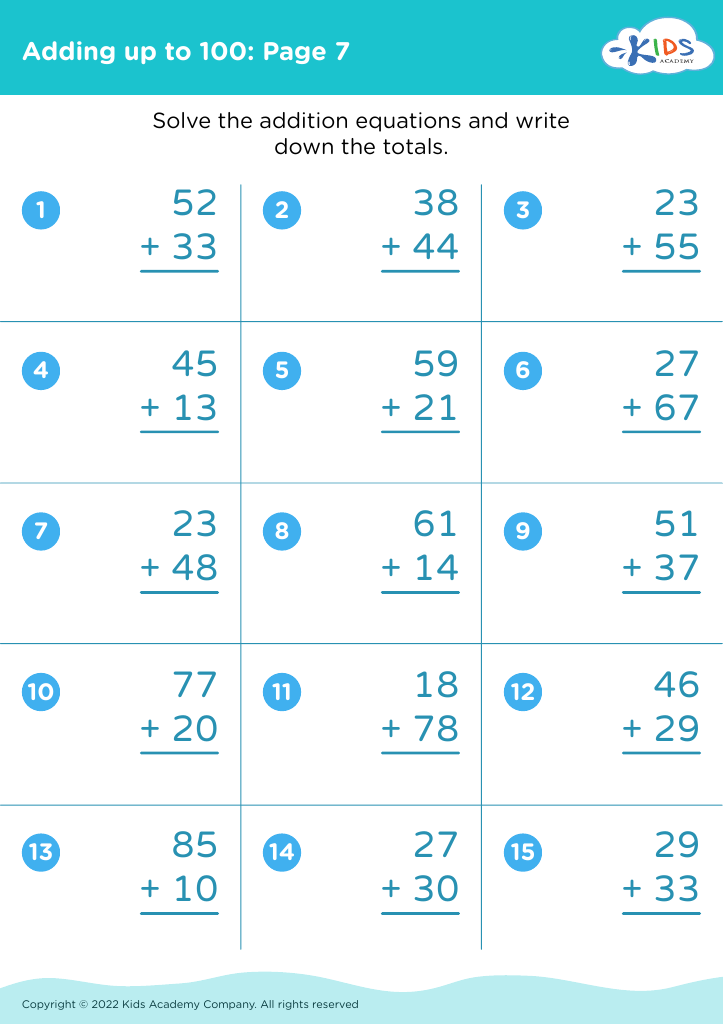








Improving number recognition and basic addition and subtraction skills among children aged 5-9 is vital for crucial early math development. During these formative years, children form the foundation for their future mathematical abilities, which influences their confidence and academic success throughout their lives. Number recognition enables young learners to identify and manipulate numbers, serving as a gateway to more complex mathematical concepts.
Incorporating addition and subtraction skills fosters problem-solving abilities and logical thinking. Mastery of these fundamental operations helps children understand the relationships between numbers and lays the groundwork for more advanced topics, such as multiplication and division. Engaging parents and teachers in this process can create a supportive environment where children feel encouraged to explore numbers through hands-on activities and games, reinforcing their love for math.
Additionally, strong early math skills are linked to higher performance in later grades, impacting overall academic achievement. By prioritizing number recognition and basic operations, parents and teachers can nurture mathematical proficiency that translates to real-life applications, from managing money to understanding statistics in everyday situations. Investment in these foundational skills will empower children, equipping them with the resources they need for both academic and personal success.








