Improve reading skills Addition & Subtraction Worksheets for Ages 5-9 - Page 2
29 filtered results
-
From - To
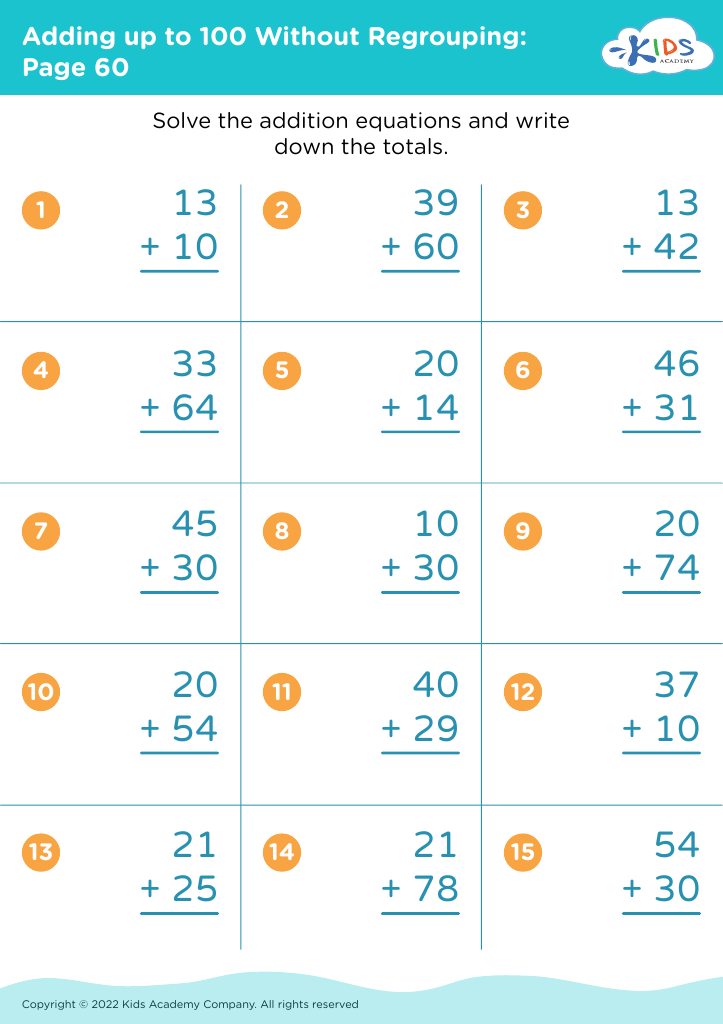






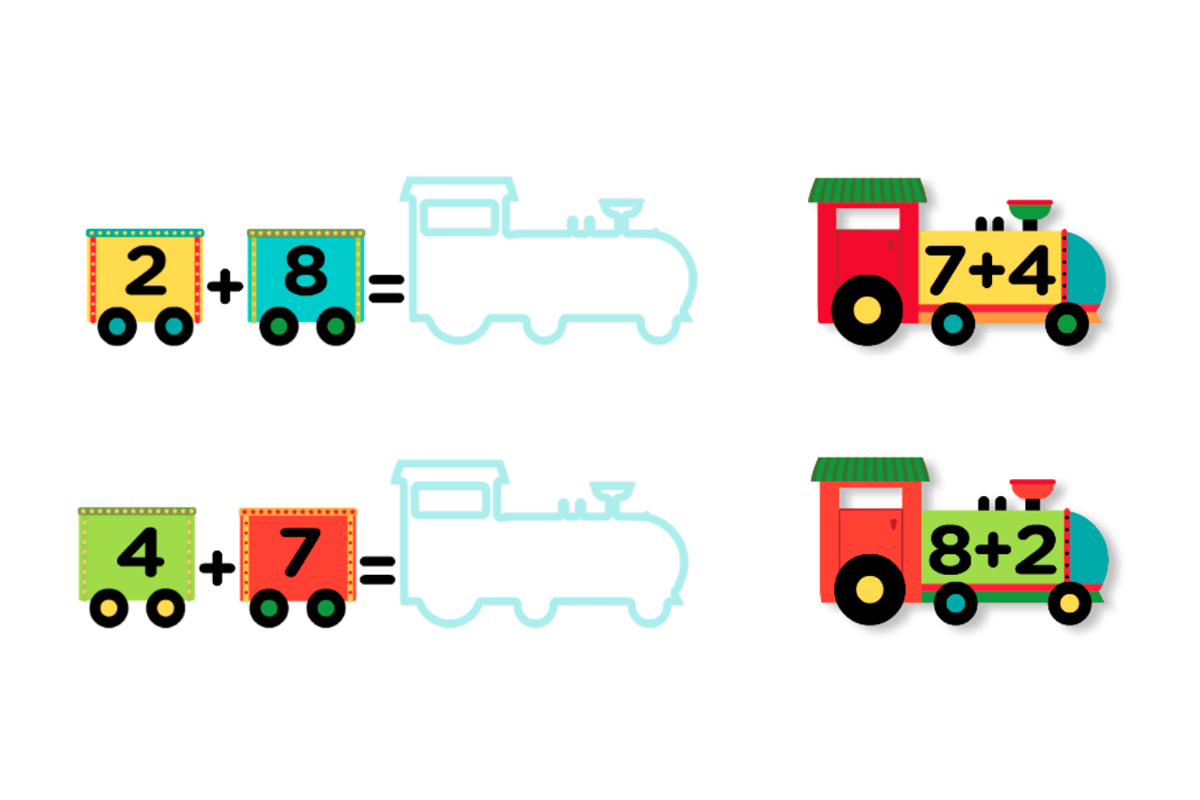

Parents and teachers should prioritize improving reading skills and mastering addition and subtraction for children ages 5-9 because these foundational skills are critical for their overall academic success and personal development. Reading is a fundamental skill that allows children to access and engage with various subjects, fostering their ability to learn and comprehend new information. Early proficiency in reading promotes vocabulary expansion, critical thinking, and imagination, setting the stage for lifelong learning.
Similarly, a strong grasp of addition and subtraction forms the basis of mathematical understanding. These core arithmetic operations are essential for solving more complex math problems in the future. Mastering addition and subtraction helps children develop logical thinking and problem-solving abilities, which are indispensable in everyday life as well as in academic pursuits.
Moreover, the confidence gained from being proficient in reading and math can positively impact a child’s self-esteem and attitude towards learning. Early success in these areas can motivate children to tackle more challenging subjects with courage and resilience. Thus, investing time and resources in improving these skills provides children with the tools they need to thrive academically and to become confident, competent individuals capable of navigating myriad life challenges.








