Improves number recognition Addition & Subtraction Worksheets for Ages 5-9
3 filtered results
-
From - To
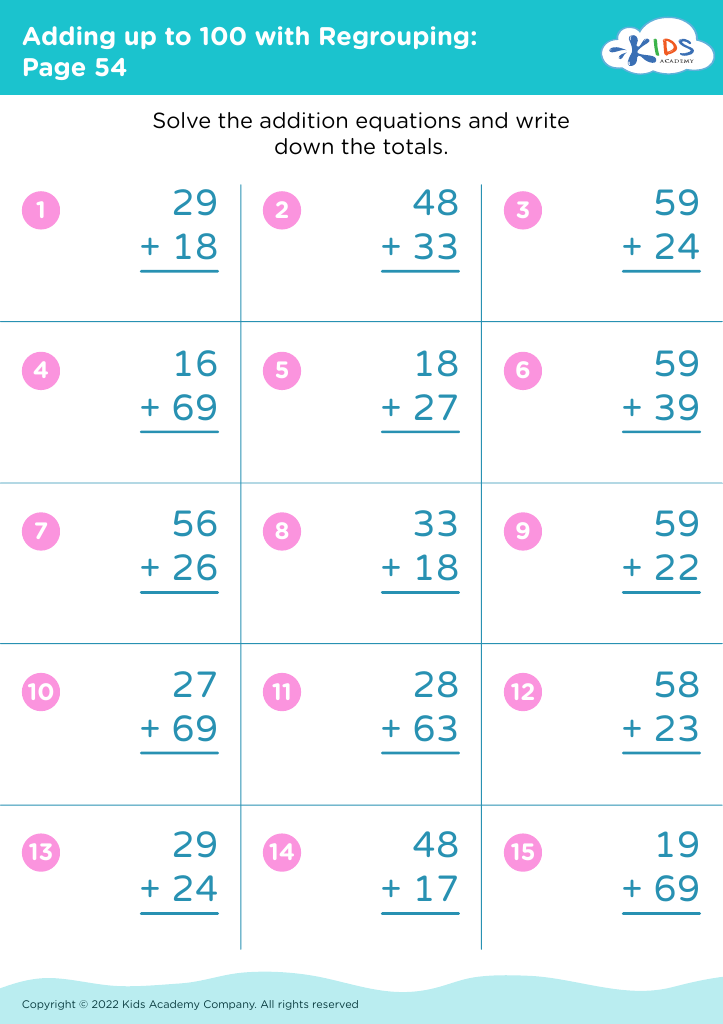
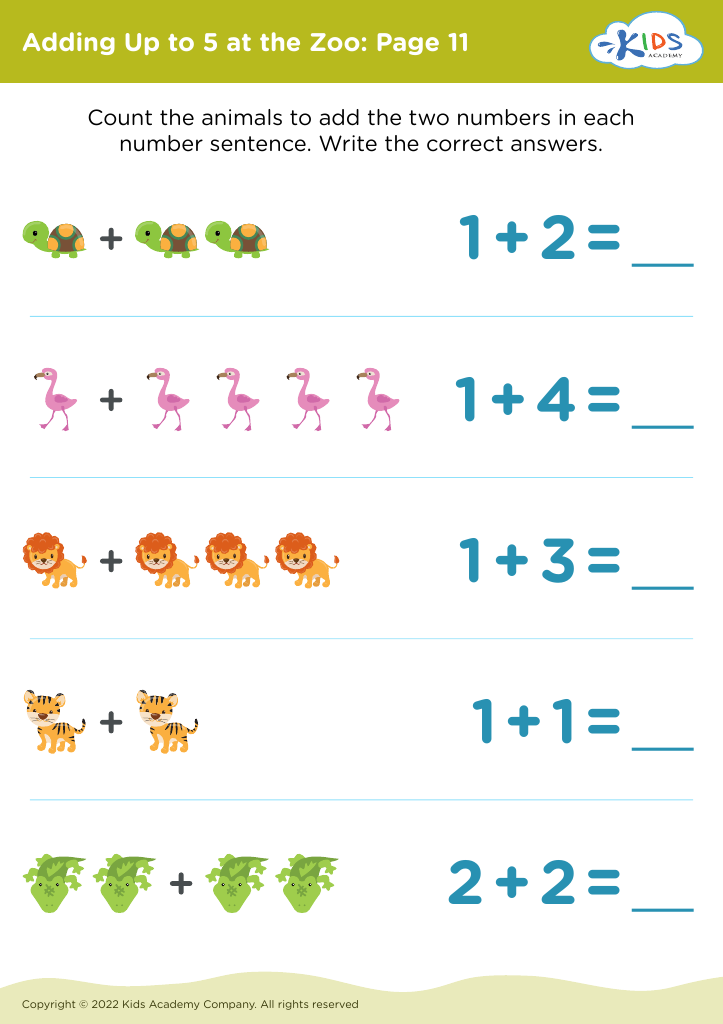
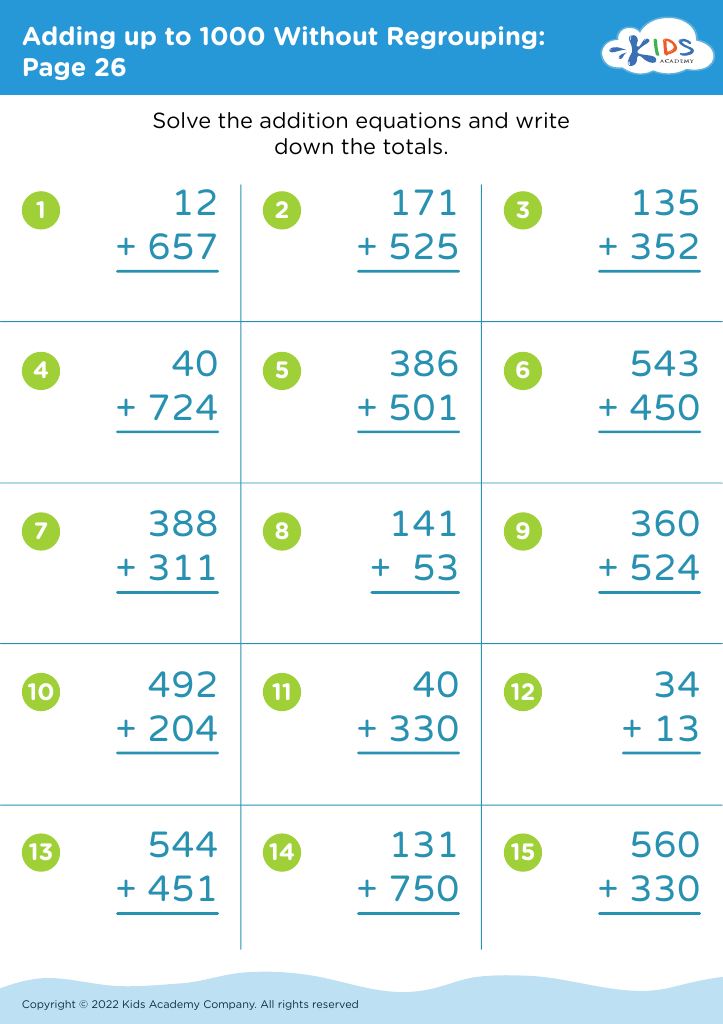
Enhance your child’s math skills with our engaging Addition & Subtraction Worksheets, specially designed for kids aged 5-9! These worksheets focus on improving number recognition while introducing fundamental arithmetic concepts in a fun and engaging way. With colorful illustrations and interactive exercises, children will develop confidence as they practice counting and solving addition and subtraction problems. Our comprehensive resources cater to different learning styles, ensuring that every child can excel. Perfect for home or classroom use, these worksheets provide a solid foundation for future math success. Start your child’s math journey today and watch them flourish!








Parents and teachers should prioritize improving number recognition along with addition and subtraction skills for children aged 5-9 because these foundational math skills are essential for lifelong learning and everyday life. At this critical developmental stage, children are building a framework for future mathematical understanding. Mastering number recognition helps children confidently identify and understand numerical values, which is vital for solving mathematical problems and developing number sense.
Additionally, strong addition and subtraction skills foster critical thinking and problem-solving abilities. By engaging with these concepts, children learn to employ logical reasoning and develop a methodical approach to challenges, skills that extend beyond mathematics into other academic areas and real-world situations. Moreover, children's early successes in math can significantly boost their self-esteem and mindset about learning. Positive experiences with foundational math can lead to a lifelong interest in the subject, preparing them for more complex topics in the future.
Ultimately, effective early math instruction not only sets the stage for academic achievement but also equips children with essential skills for financial literacy and daily decision-making in adulthood, making it crucial for both parents and educators to actively support these essential areas of learning.








