Problem-Solving Skills Addition & Subtraction Worksheets for Ages 5-9 - Page 3
215 filtered results
-
From - To
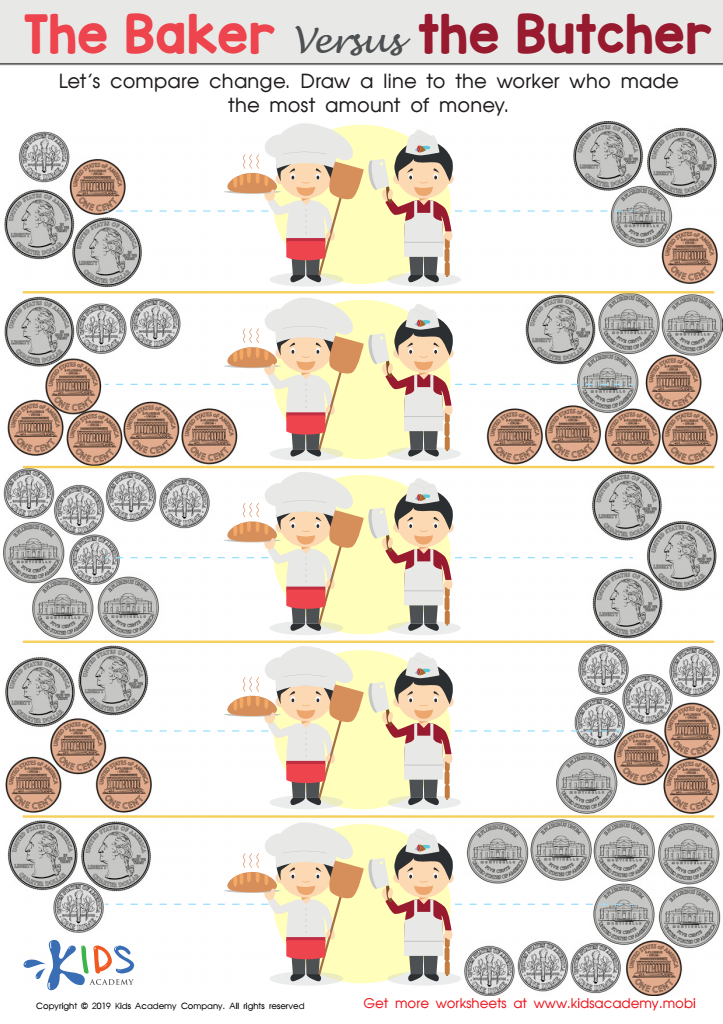
The Baker versus the Butcher Worksheet
 Assign to My Students
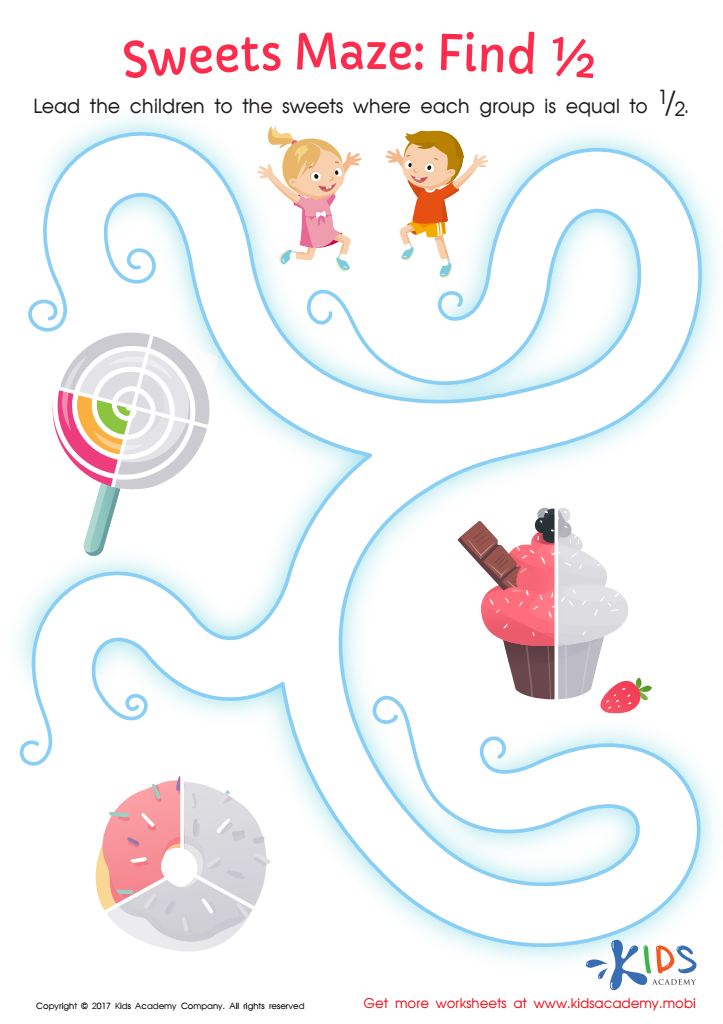
Fractions: Sweets Maze Worksheet
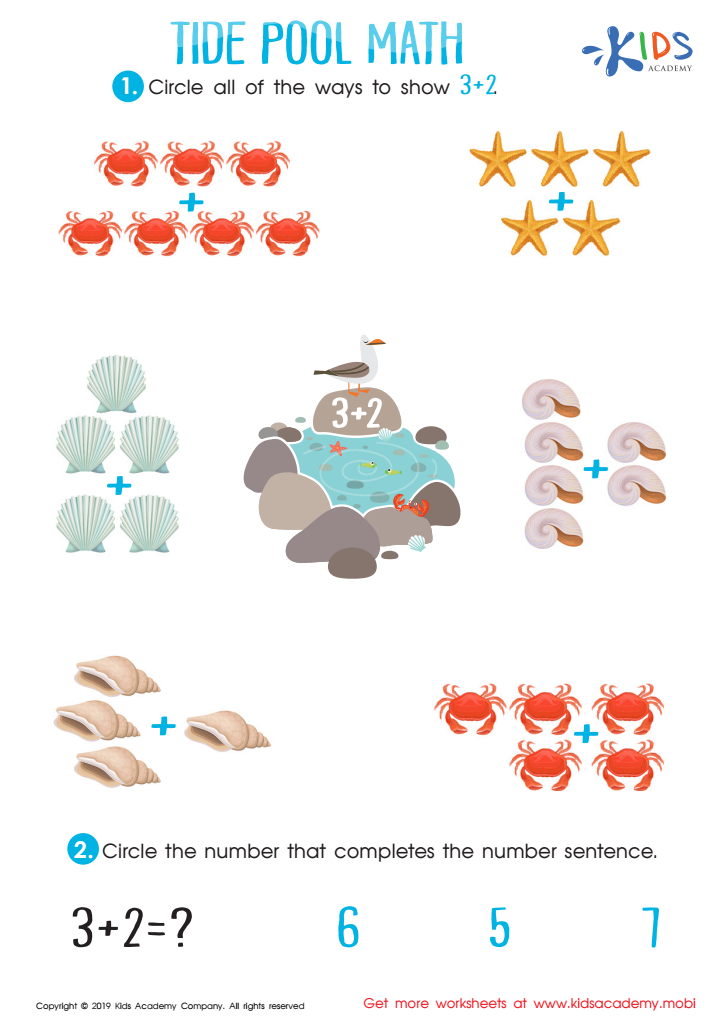
Tide Pool Math Worksheet
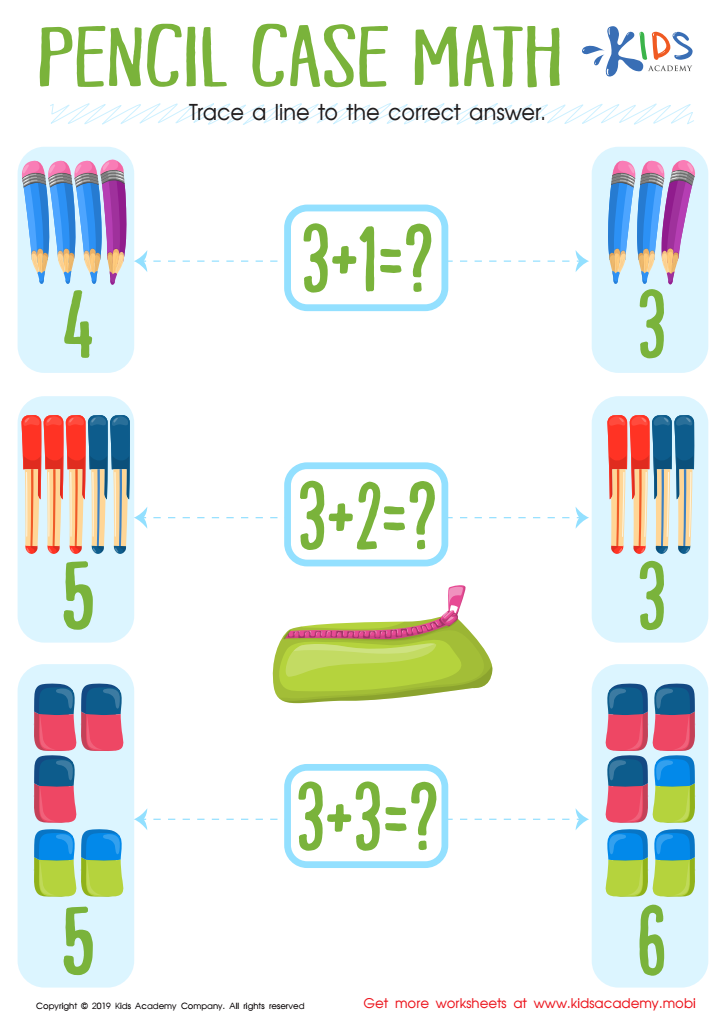
Pencil Case Math Worksheet
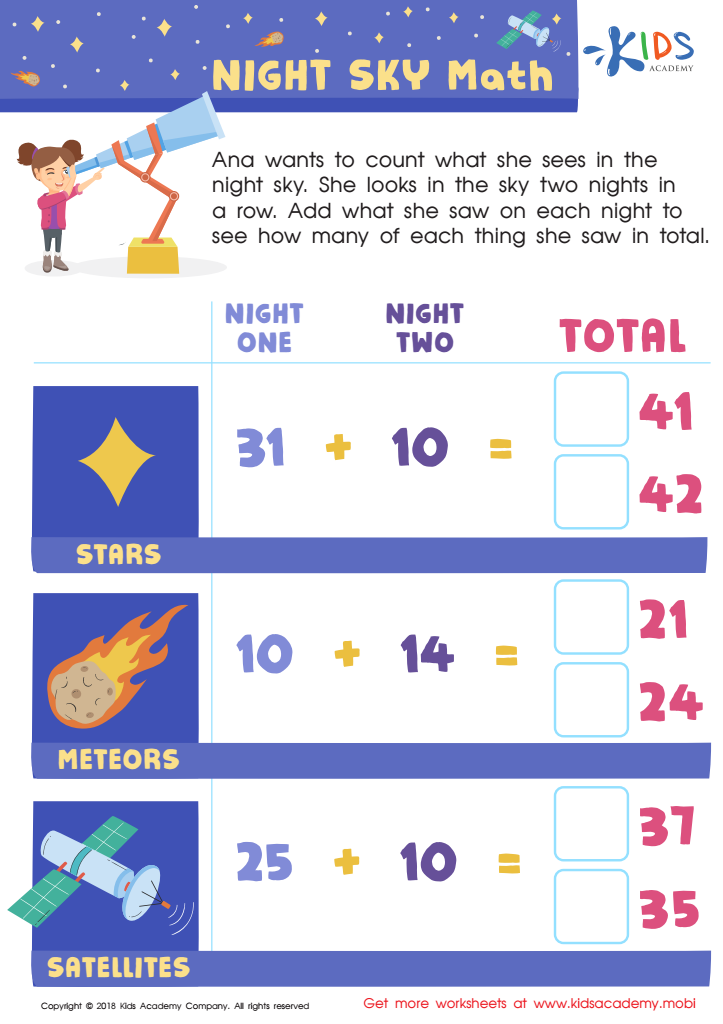
Night Sky Math Worksheet
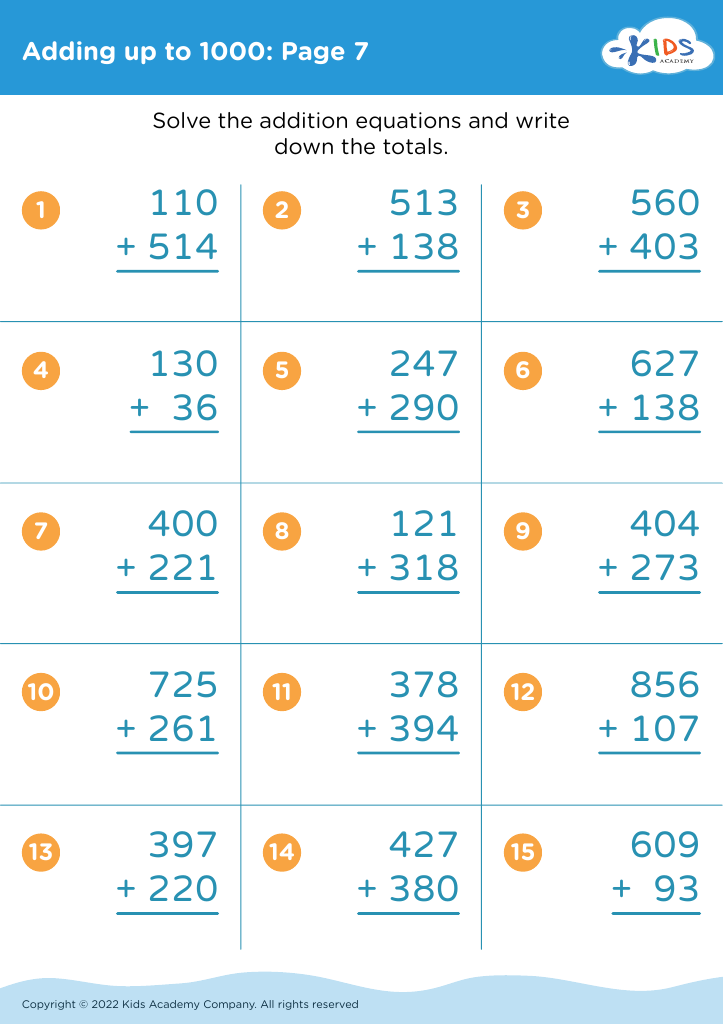
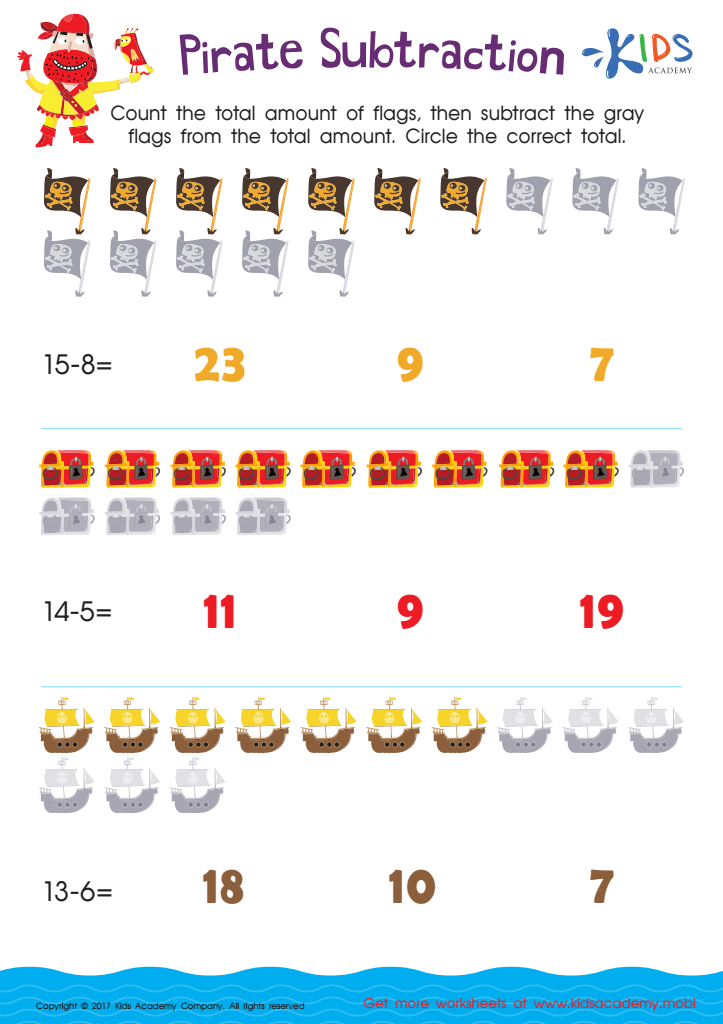
Pirate Subtraction Substraction Worksheet
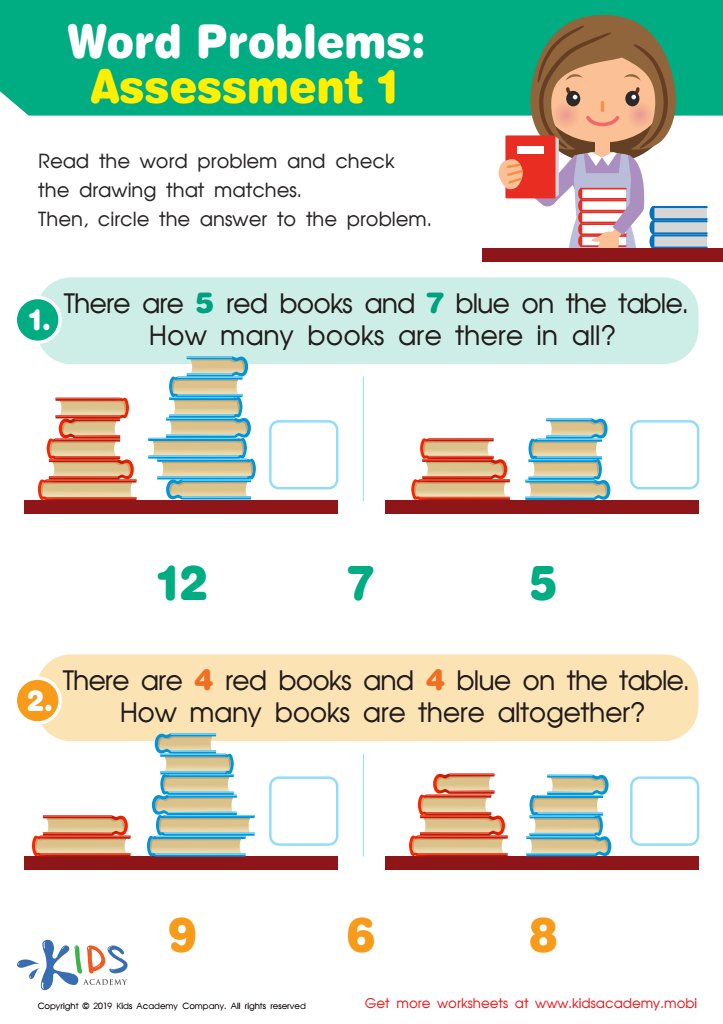
Word Problems: Assessment 1 Worksheet
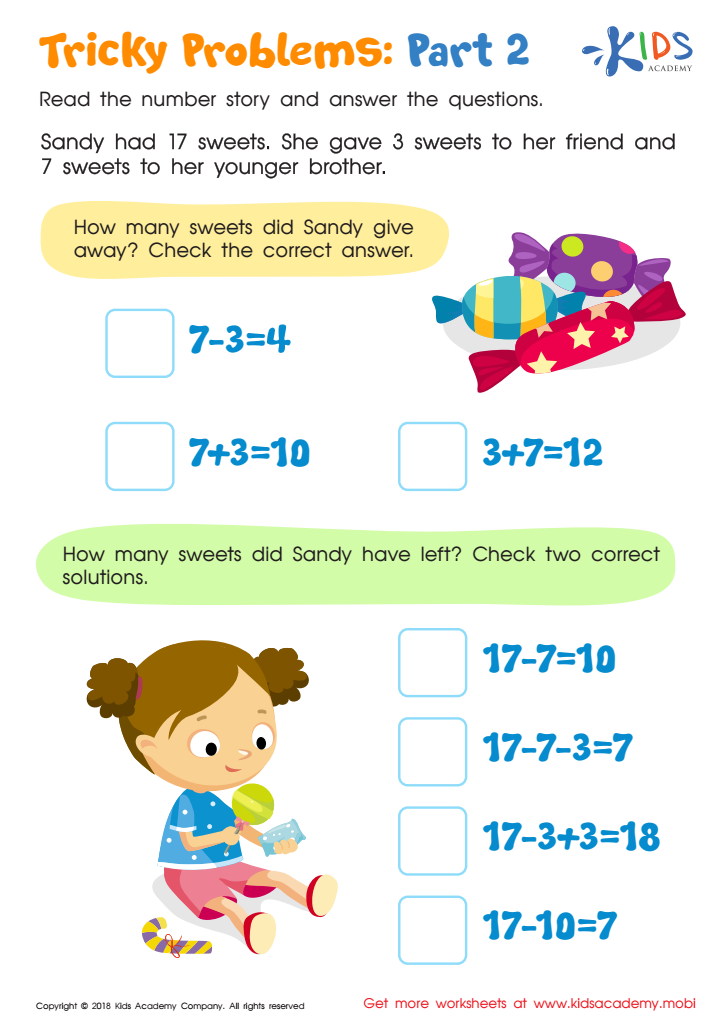
Tricky Problems Worksheet: Part 2
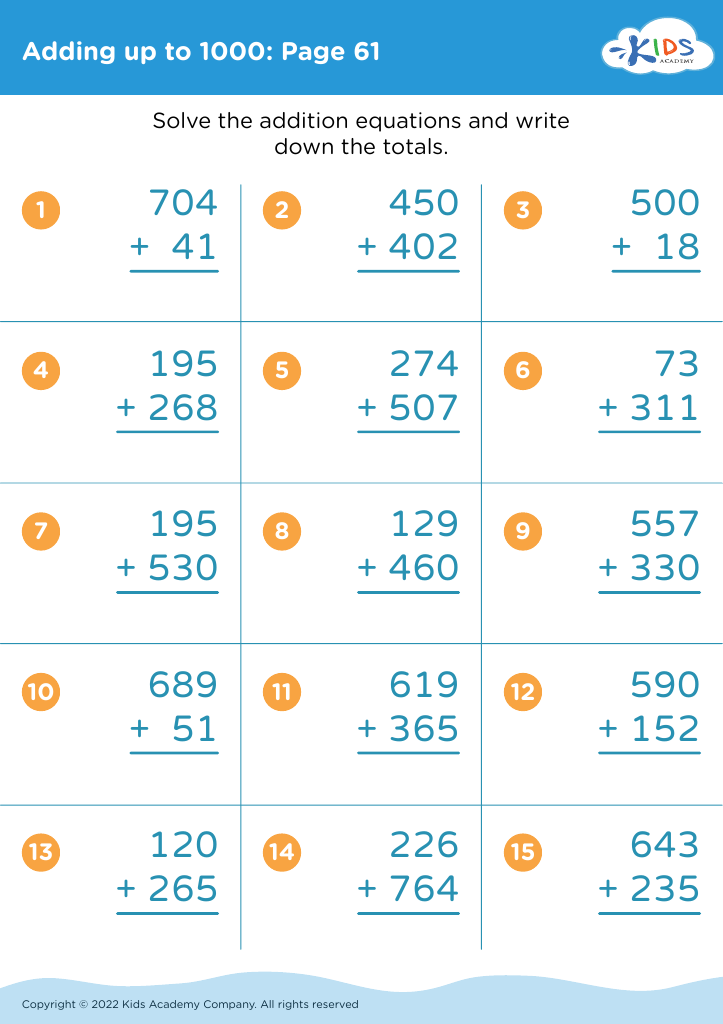
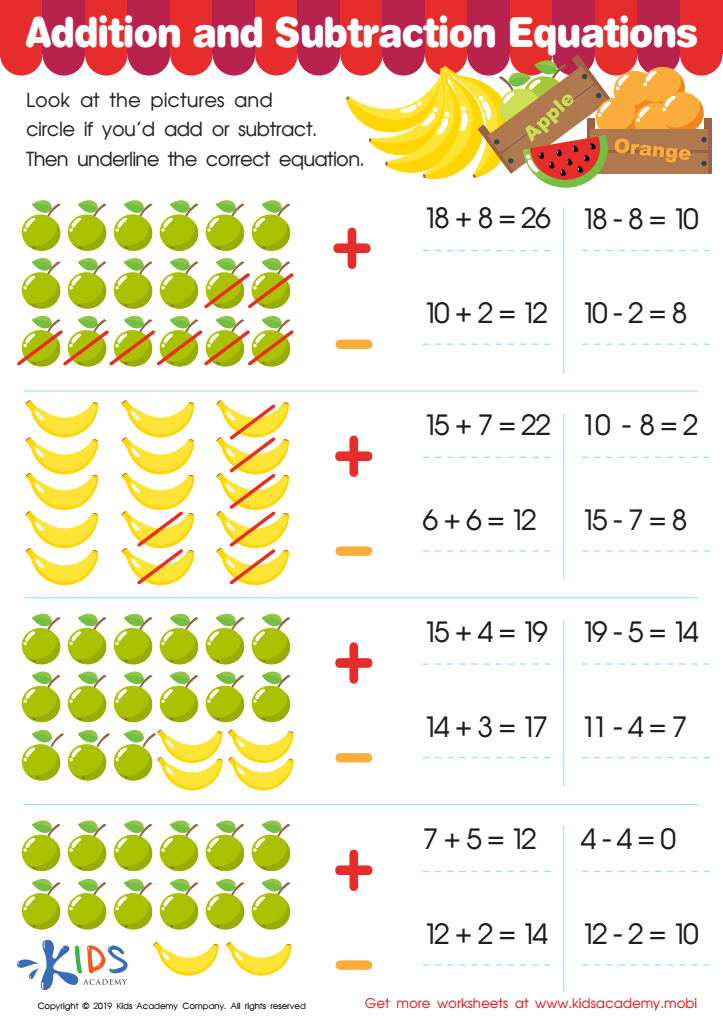
Addition and Subtraction: Equations Worksheet
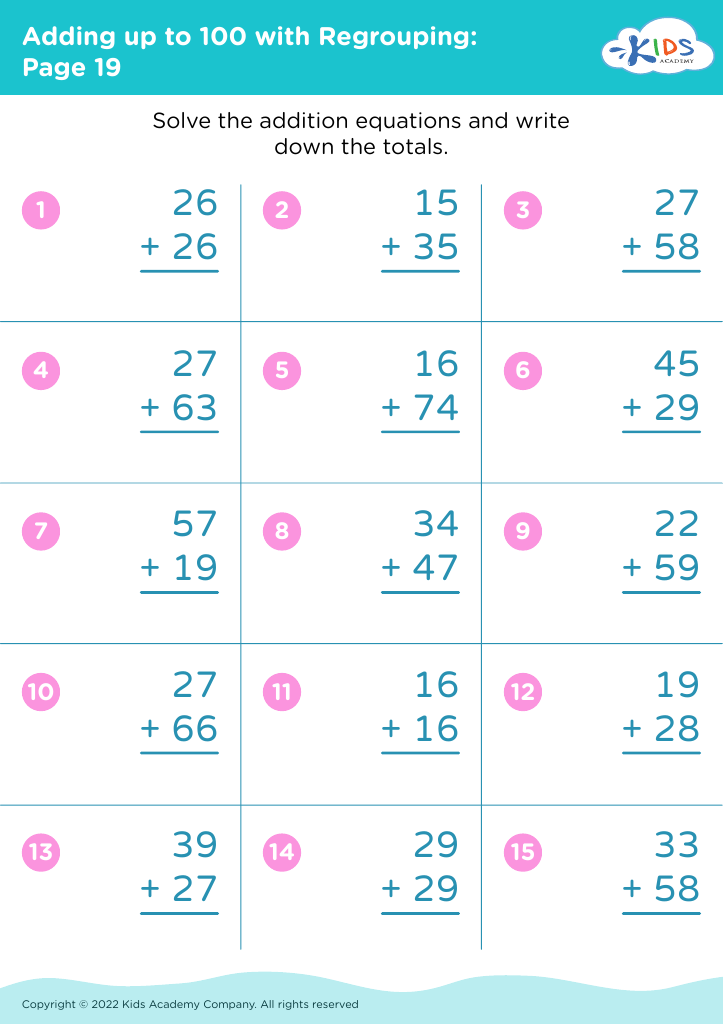








Developing problem-solving skills in addition and subtraction for children ages 5-9 is essential for several key reasons. First, these foundational math skills are crucial for their academic success. Mastery of basic arithmetic builds confidence and sets the stage for more advanced mathematical concepts they will encounter later, such as multiplication, division, and fractions.
Second, problem-solving in arithmetic isn’t just about numbers; it nourishes critical thinking and logical reasoning. When children learn to approach problems methodically, they develop the ability to dissect complex issues, recognize patterns, and devise solutions, all of which are transferable skills valuable in everyday life.
Moreover, engaging in problem-solving activities can also bolster their resilience and perseverance. Children learn that struggling with a problem isn’t a sign of failure but a step toward finding a solution, thereby fostering a growth mindset—an attitude that challenges are opportunities to learn and grow.
Incorporating addition and subtraction in playful, real-world contexts—such as handling money or sharing snacks—makes learning relevant and exciting. These activities show students the practical value of math, encourage cooperative play, and offer moments to bond with parents or peers.
Ultimately, investing in strong problem-solving skills in early childhood equips children with the tools they need for both academic achievements and well-rounded personal development.








