Recognizing shapes Addition & Subtraction Worksheets for Ages 5-9 - Page 2
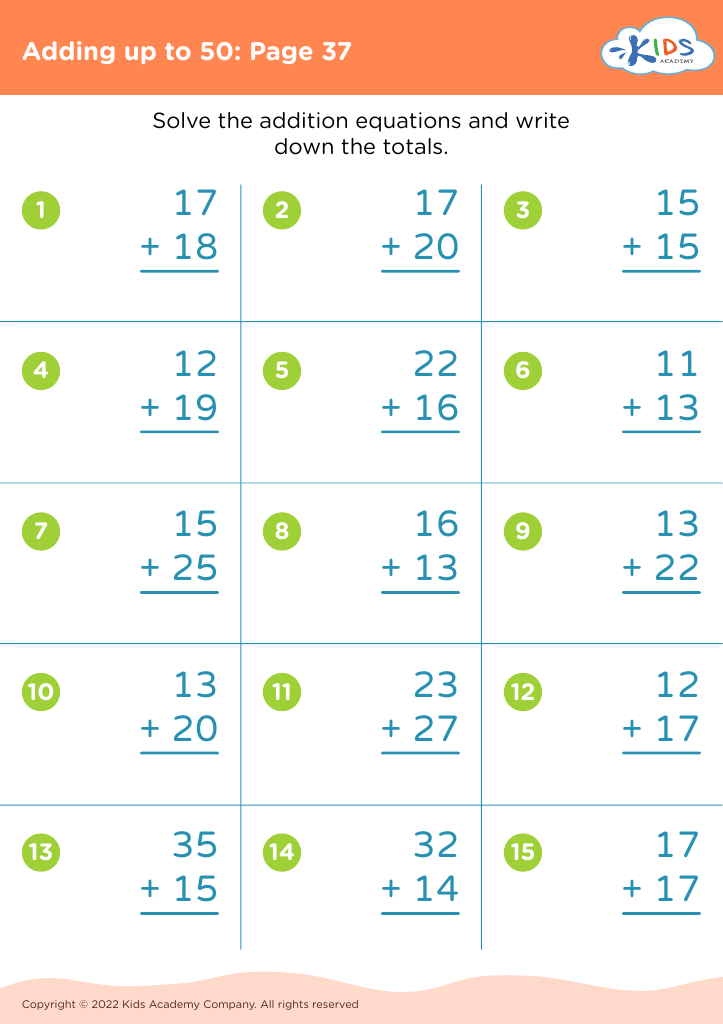
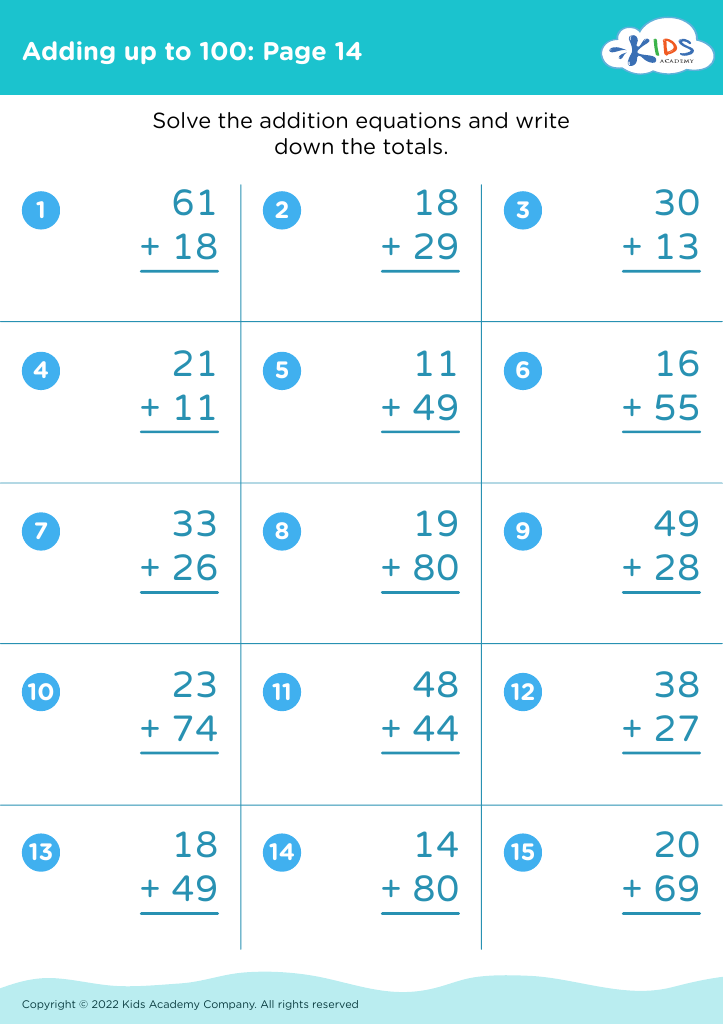
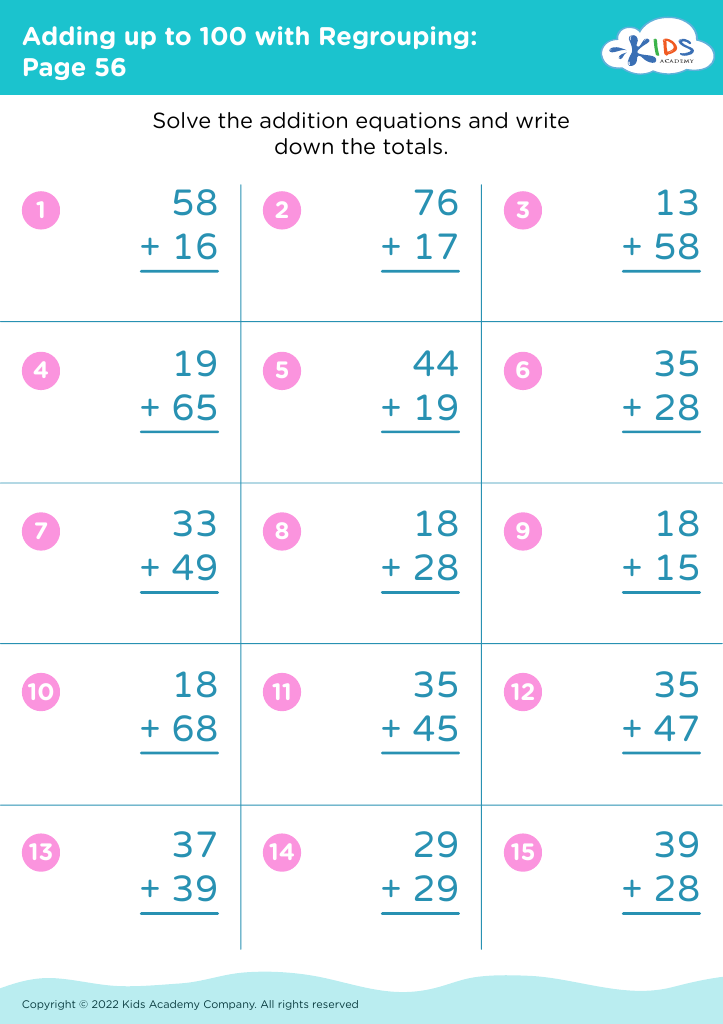
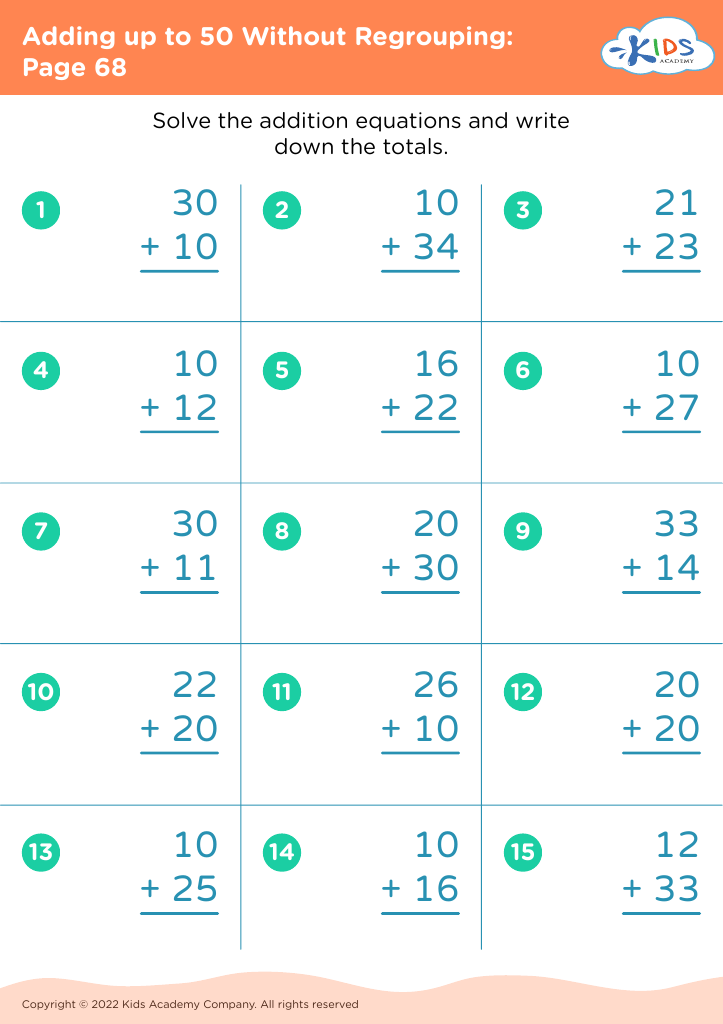







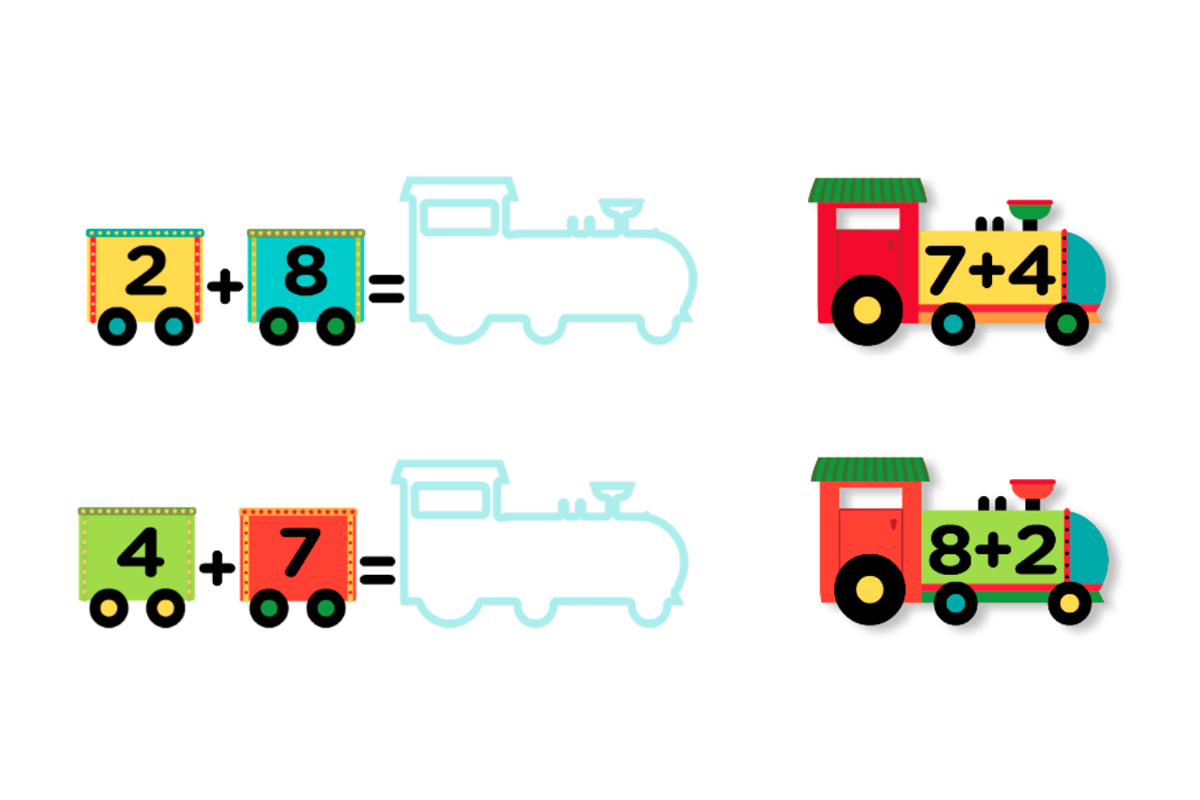
Recognizing shapes, along with addition and subtraction, are fundamental skills for children aged 5-9 that lay the groundwork for more advanced mathematical concepts. These skills not only support cognitive development but also enhance problem-solving abilities and spatial awareness.
For young learners, identifying shapes helps them understand the world around them, developing their ability to categorize and distinguish objects. This geometric understanding also integrates with mathematics as patterns and symmetry play vital roles in addition and subtraction activities, teaching children to recognize relationships between numbers.
As students grasp addition and subtraction, they learn the essential skills of combining and separating quantities. These operations underpin future math topics such as multiplication, division, and algebraic thinking. Mastering these concepts at a young age boosts confidence and motivates learners, making math less intimidating.
Teachers and parents play a critical role by creating engaging and interactive opportunities to practice these skills. Incorporating fun activities such as shape scavenger hunts, using manipulatives for counting, or weaving math into daily routines fosters a positive attitude toward learning. This support not only builds essential academic foundations but also nurtures a lifelong love of learning in children, preparing them for future challenges in and out of the classroom.








