Check out this FREE Trial Lesson on Addition & Subtraction for age 5-9!

D

Favorites
With answer key
Interactive
  • 5-9
  • Understanding fractions
  • Addition & Subtraction
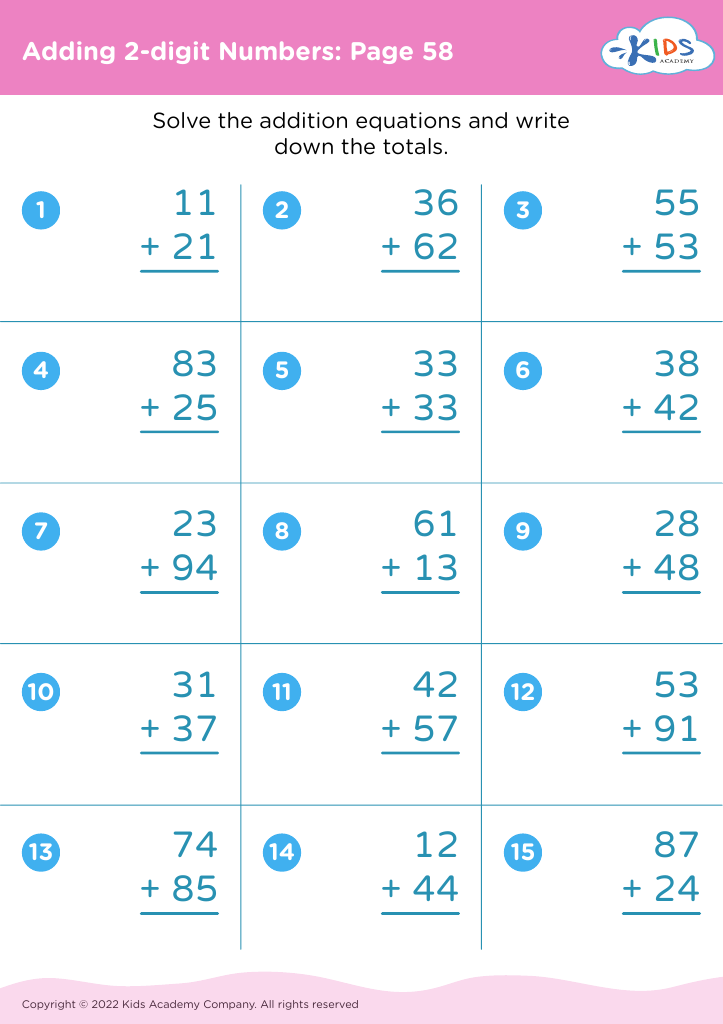
Adding 2-digit Numbers: Page 58

Adding 2-digit Numbers: Page 58

Adding 2-digit Numbers: Page 58
Worksheet
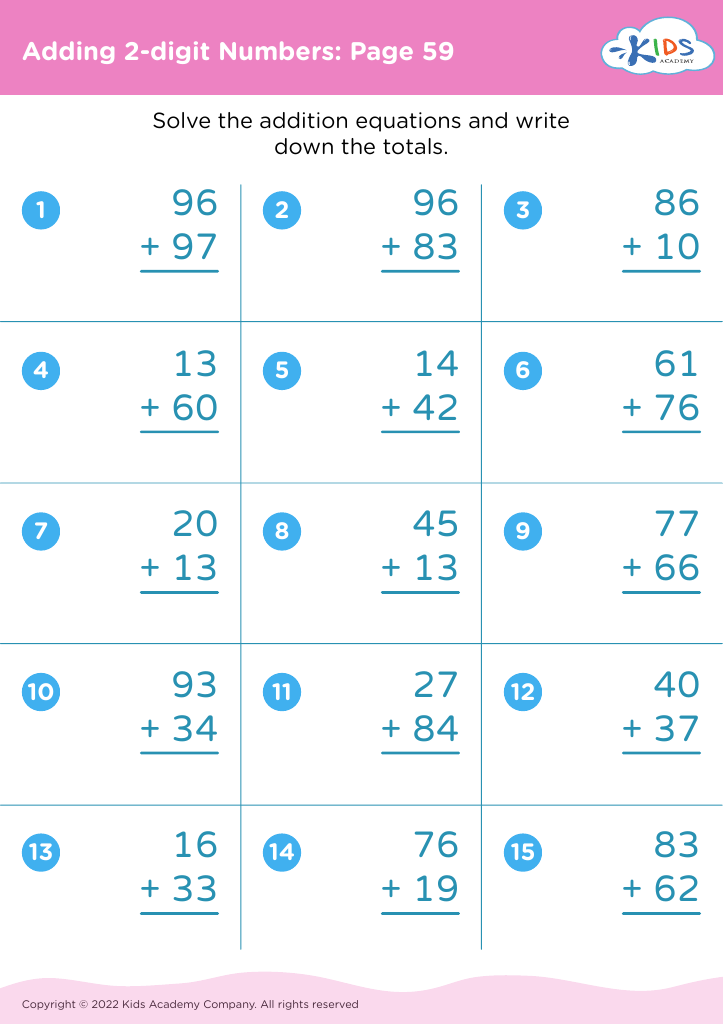
Adding 2-digit Numbers: Page 59

Adding 2-digit Numbers: Page 59

Adding 2-digit Numbers: Page 59
Worksheet
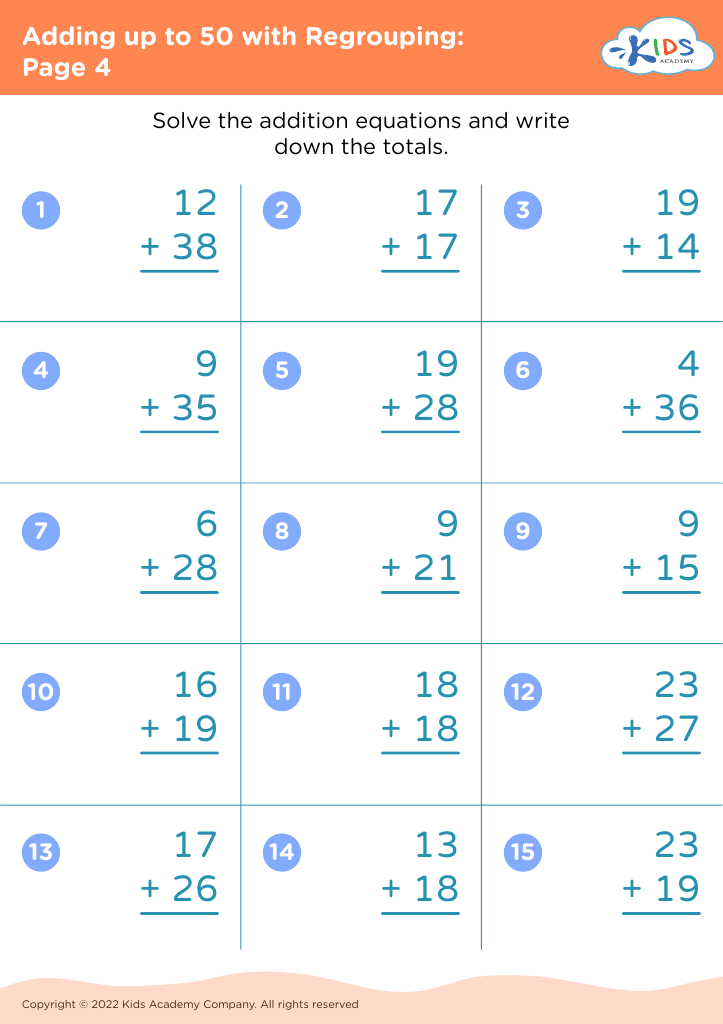
Adding up to 50 with Regrouping: Page 4
Worksheet
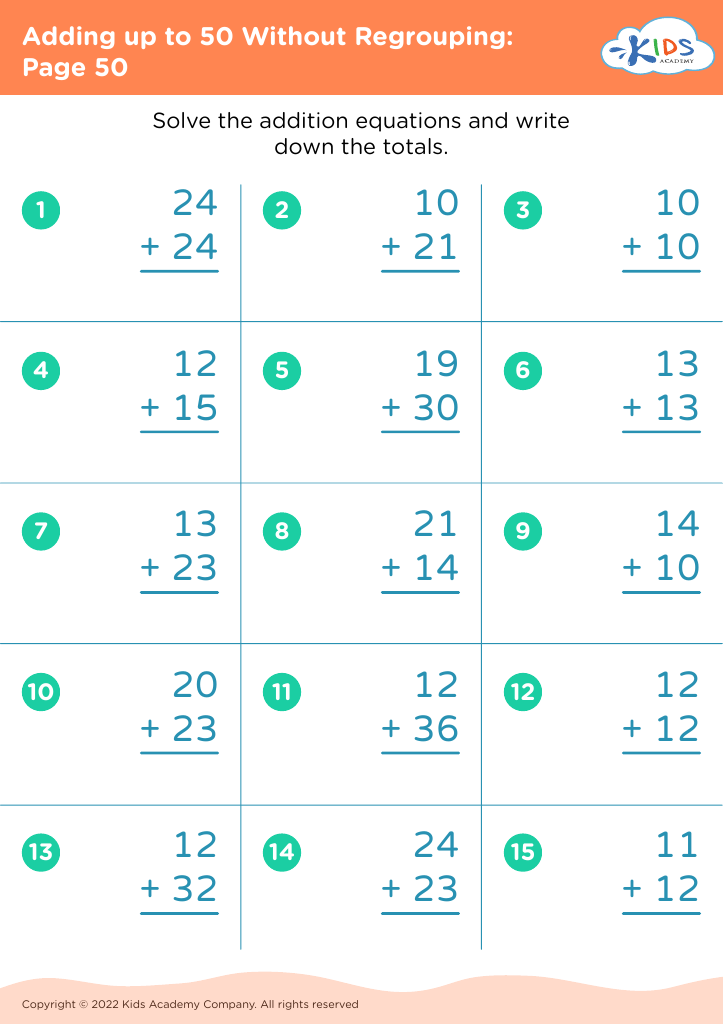
Adding up to 50 Without Regrouping: Page 50
Worksheet
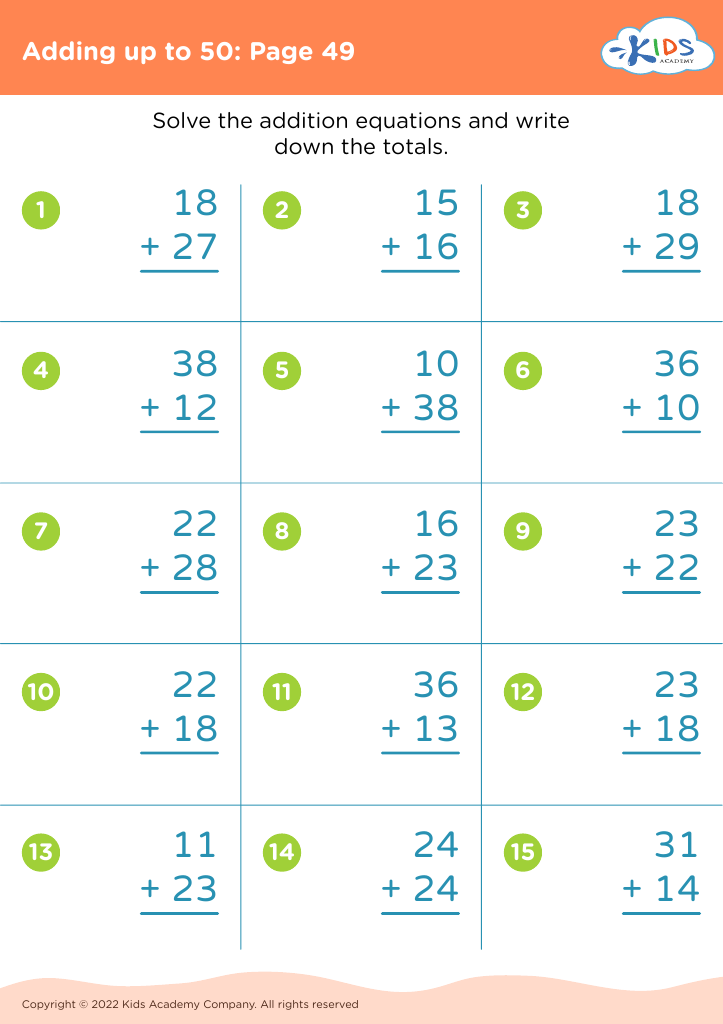
Adding up to 50: Page 49

Adding up to 50: Page 49

Adding up to 50: Page 49
Worksheet
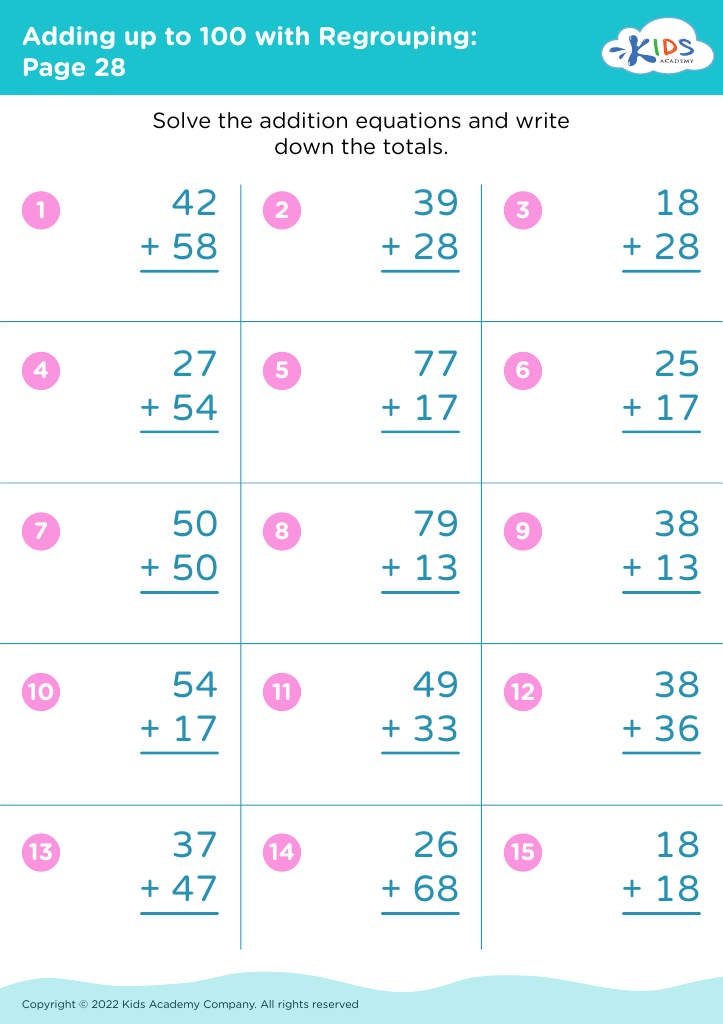
Adding up to 100 with Regrouping: Page 28
Worksheet
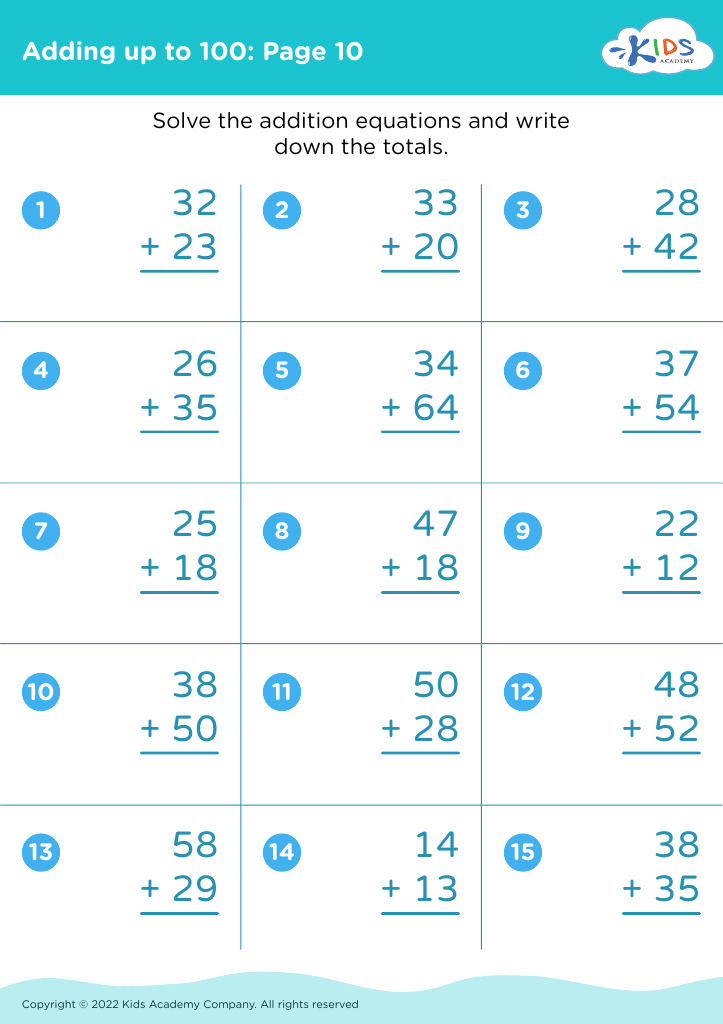
Adding up to 100: Page 10

Adding up to 100: Page 10

Adding up to 100: Page 10
Worksheet
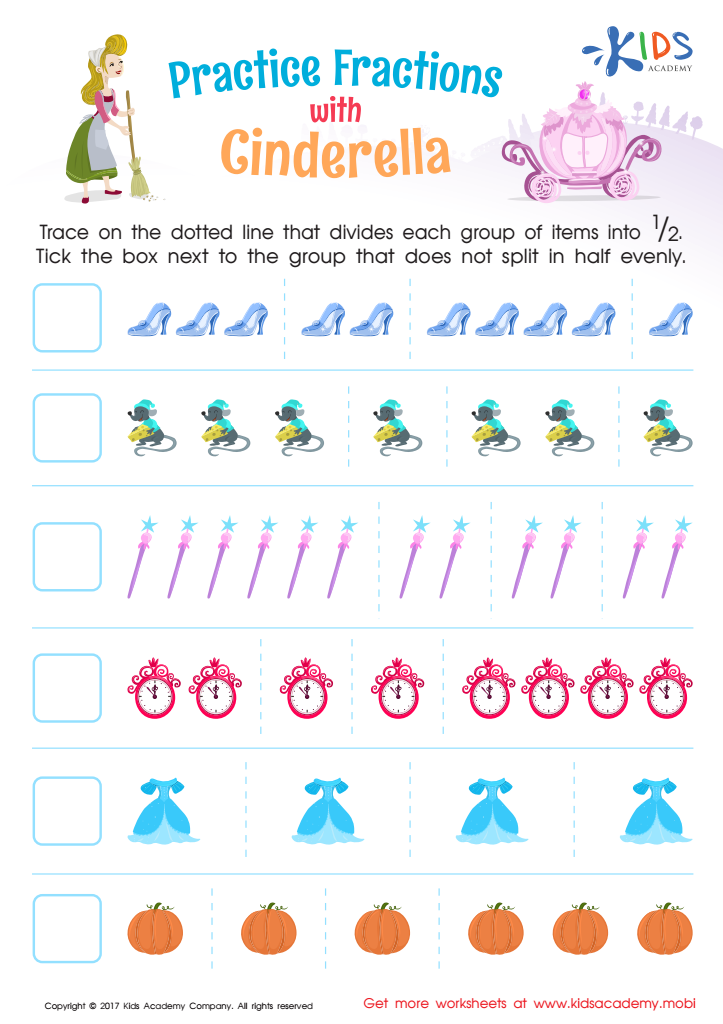
Cinderella Fraction Practice

Fractions: Cinderella Printable

Cinderella and ½ are the perfect pair to excite your child about learning fractions.
Fractions: Cinderella Printable
Worksheet
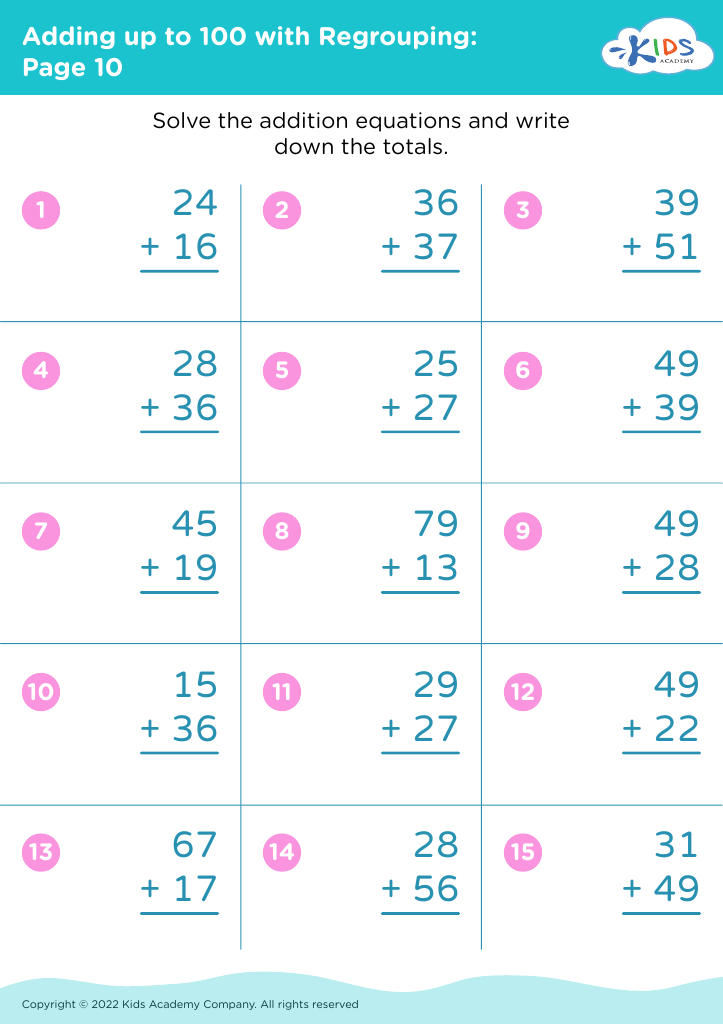
Adding up to 100 with Regrouping: Page 10
Worksheet
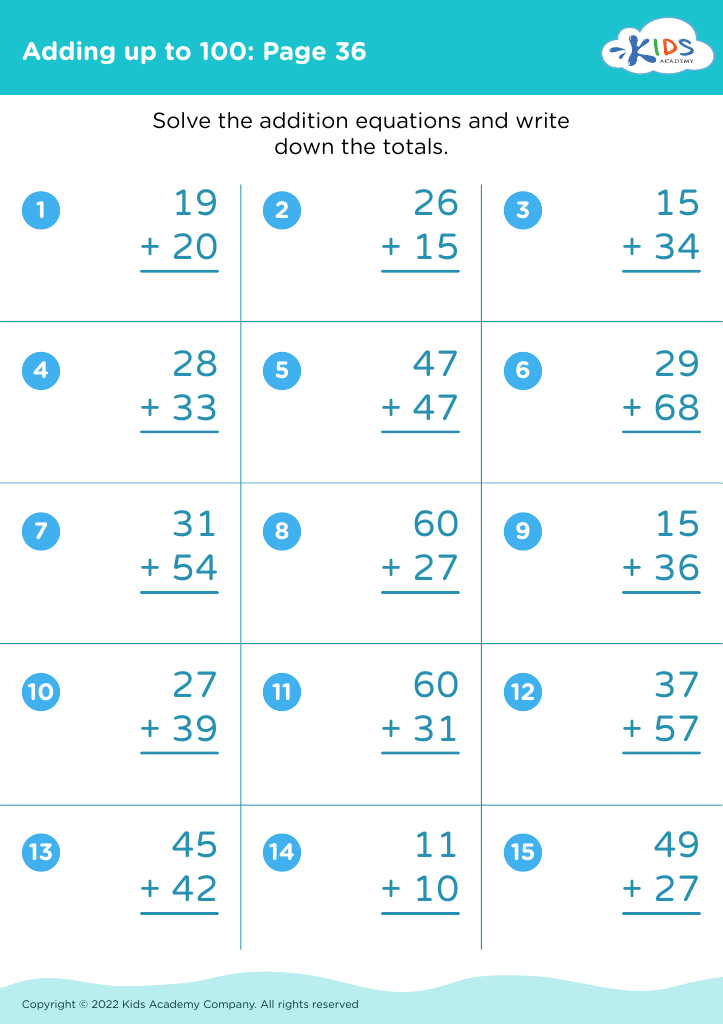
Adding up to 100: Page 36

Adding up to 100: Page 36

Adding up to 100: Page 36
Worksheet
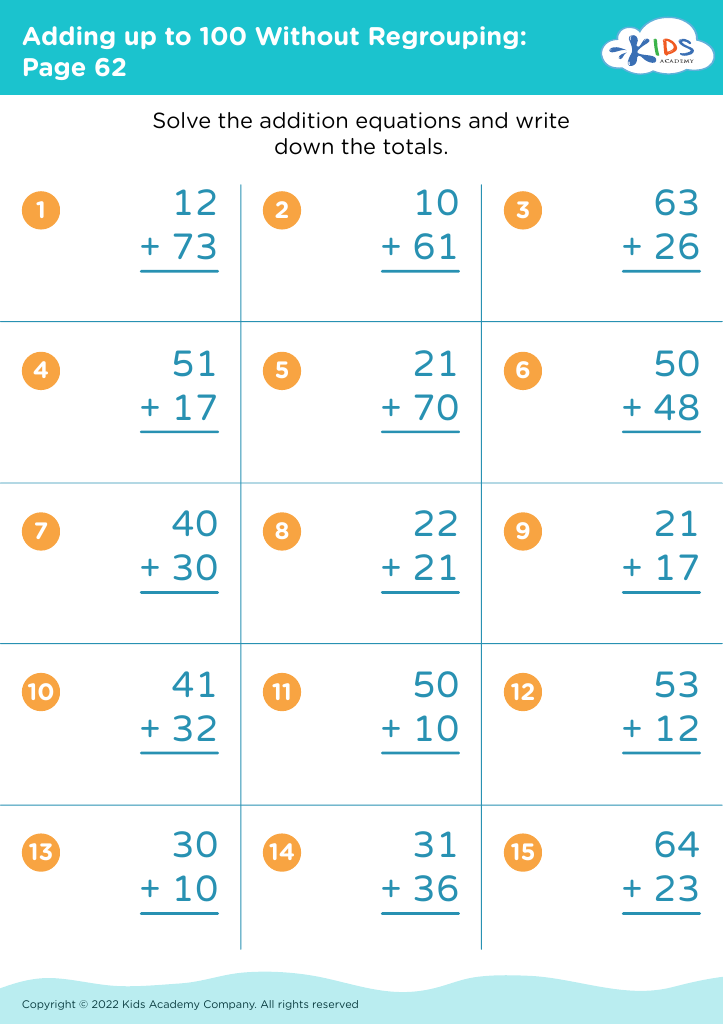
Adding up to 100 Without Regrouping: Page 62
Worksheet
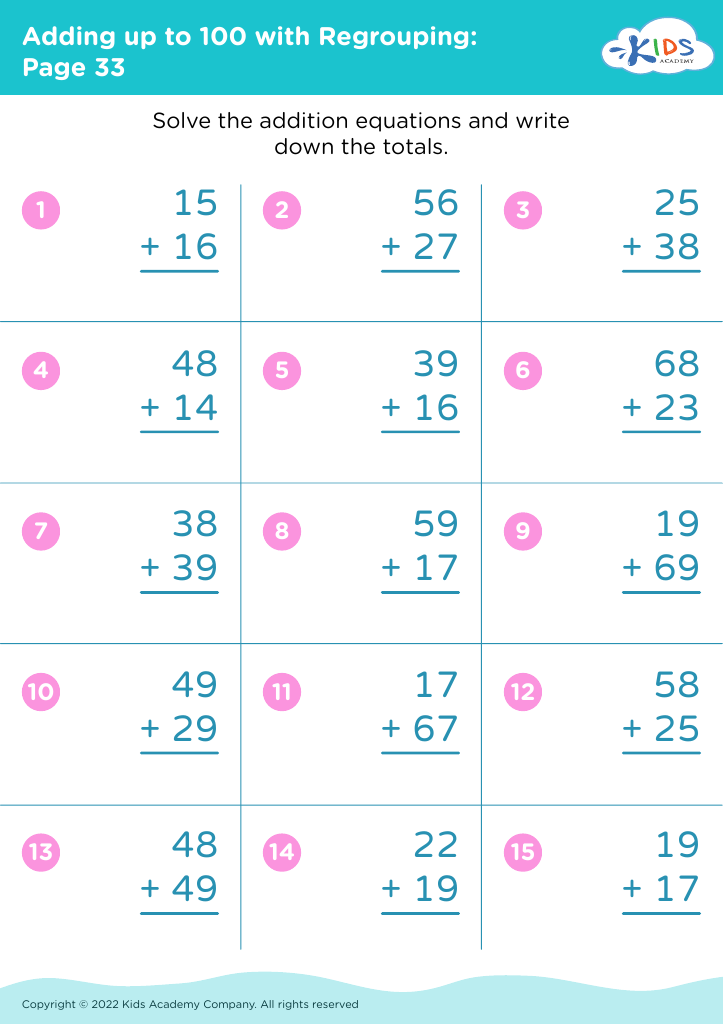
Adding up to 100 with Regrouping: Page 33
Worksheet
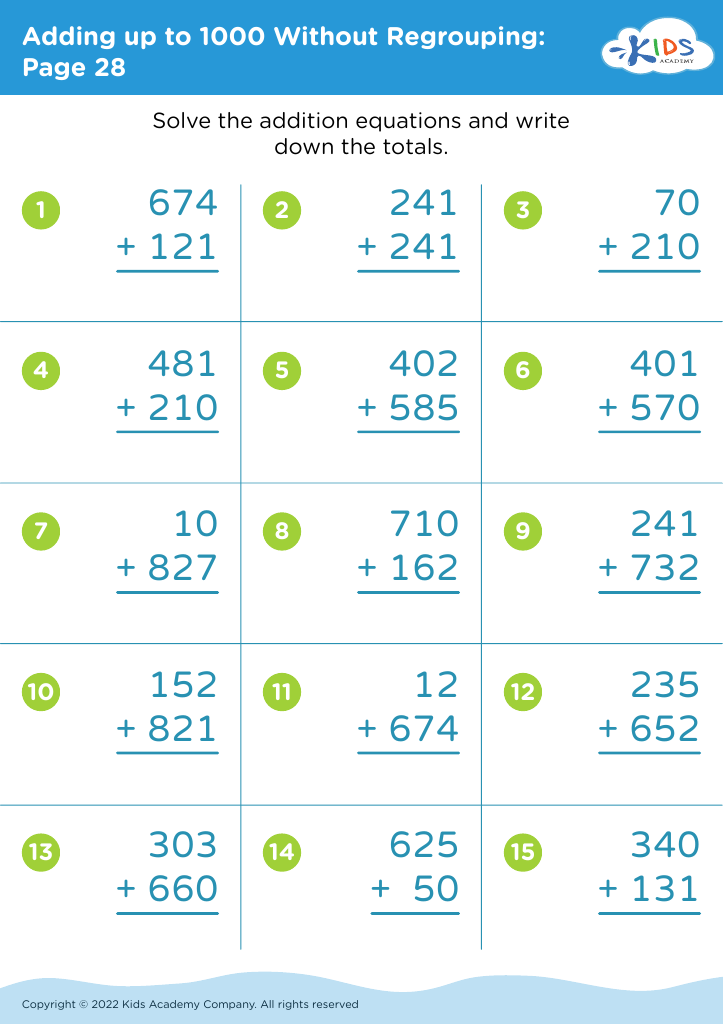
Adding up to 1000 Without Regrouping: Page 28
Worksheet
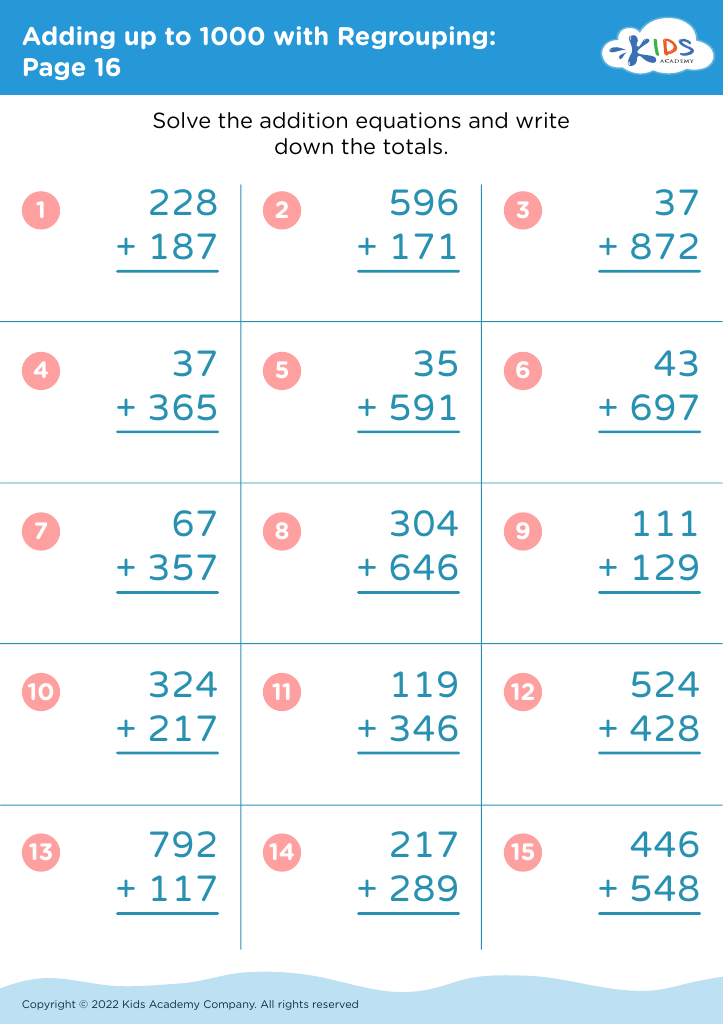
Adding up to 1000 with Regrouping: Page 16
Worksheet
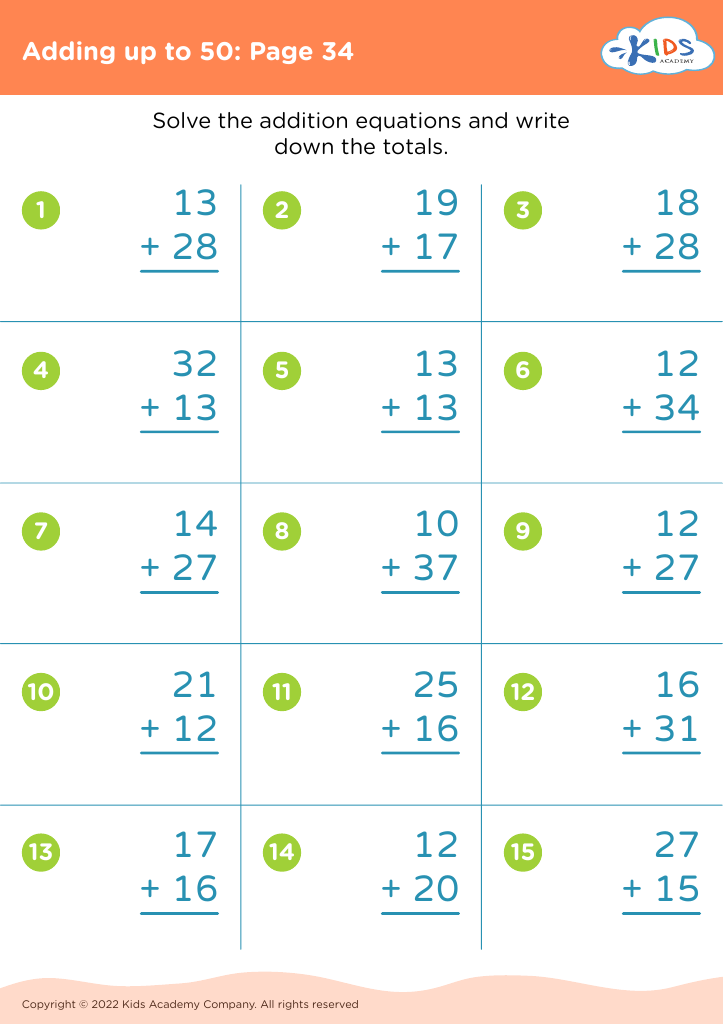
Adding up to 50: Page 34

Adding up to 50: Page 34

Adding up to 50: Page 34
Worksheet
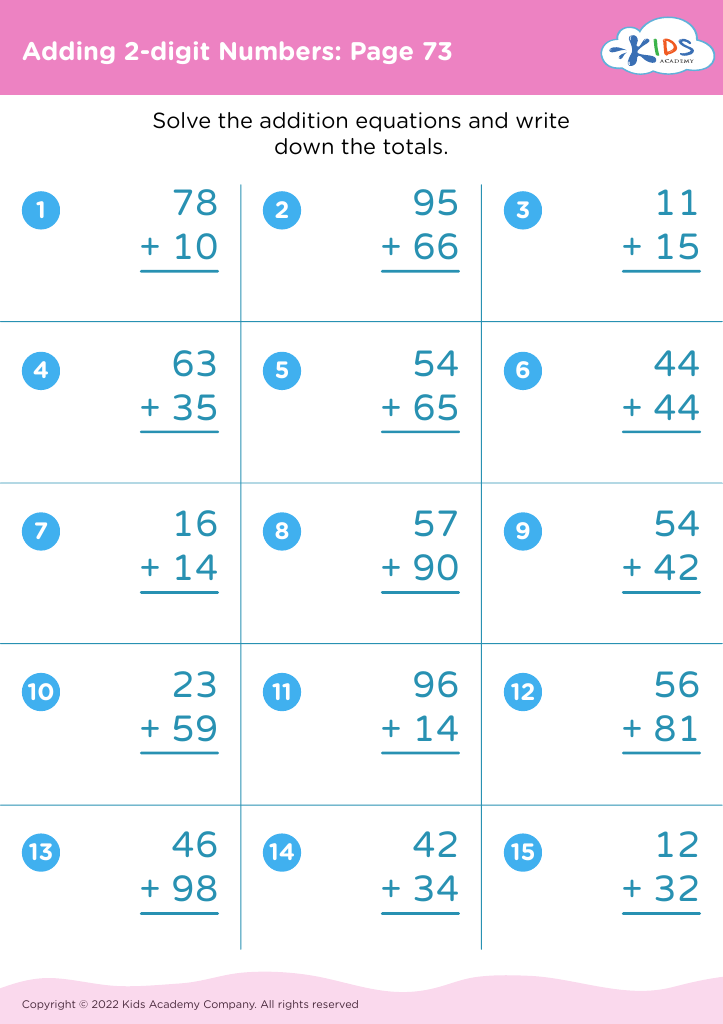
Adding 2-digit Numbers: Page 73

Adding 2-digit Numbers: Page 73

Adding 2-digit Numbers: Page 73
Worksheet
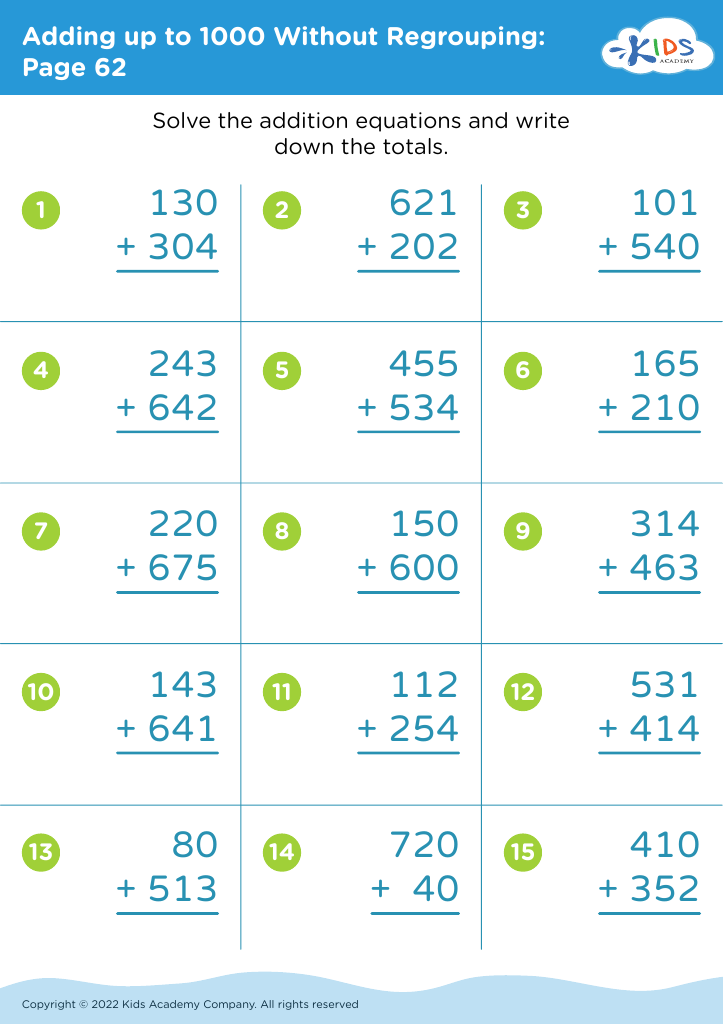
Adding up to 1000 Without Regrouping: Page 62
Worksheet
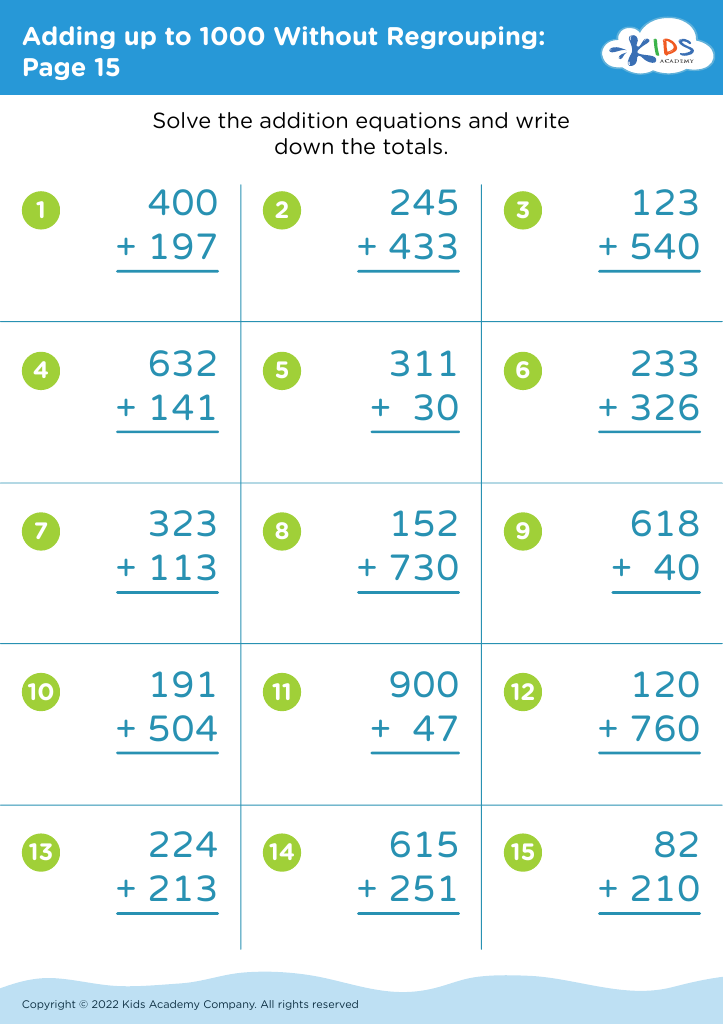
Adding up to 1000 Without Regrouping: Page 15
Worksheet
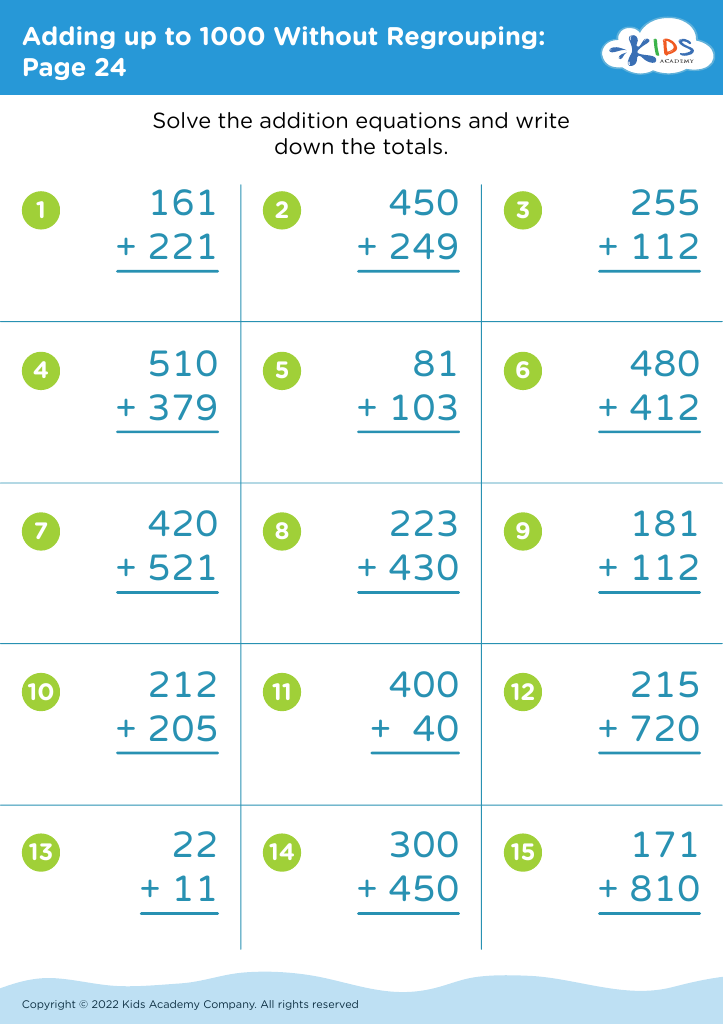
Adding up to 1000 Without Regrouping: Page 24
Worksheet


... 6 7

Understanding fractions, especially addition and subtraction, is crucial for children ages 5-9 as it lays the foundation for their mathematical development. At this age, children learn to interpret parts of a whole, which fosters critical thinking and problem-solving skills. Mastery of basic fractions aids their comprehension of more complex concepts, such as ratios, proportions, and decimals, introduced later in their education.

Additionally, real-world applications of fractions enhance children's everyday experiences. Whether dividing a pizza, measuring ingredients for a recipe, or understanding time, fractions play a vital role. By grasping these concepts early on, children are better equipped to engage in practical problem-solving activities in school and at home.

Teachers and parents should also recognize that meaningful learning experiences, including hands-on activities and interactive games, make fractions more relatable and enjoyable for children. This attitude encourages a positive relationship with mathematics and reduces math anxiety in the long run.

Moreover, a solid understanding of fractions fosters confidence in kids, ultimately geared towards developing lifelong learners who appreciate the importance of mathematics in various contexts. Supporting children in mastering addition and subtraction of fractions guarantees a smoother transition into advanced mathematical concepts in the future.