Basic Math Skills Addition Worksheets for Ages 5-9 - Page 3
75 filtered results
-
From - To
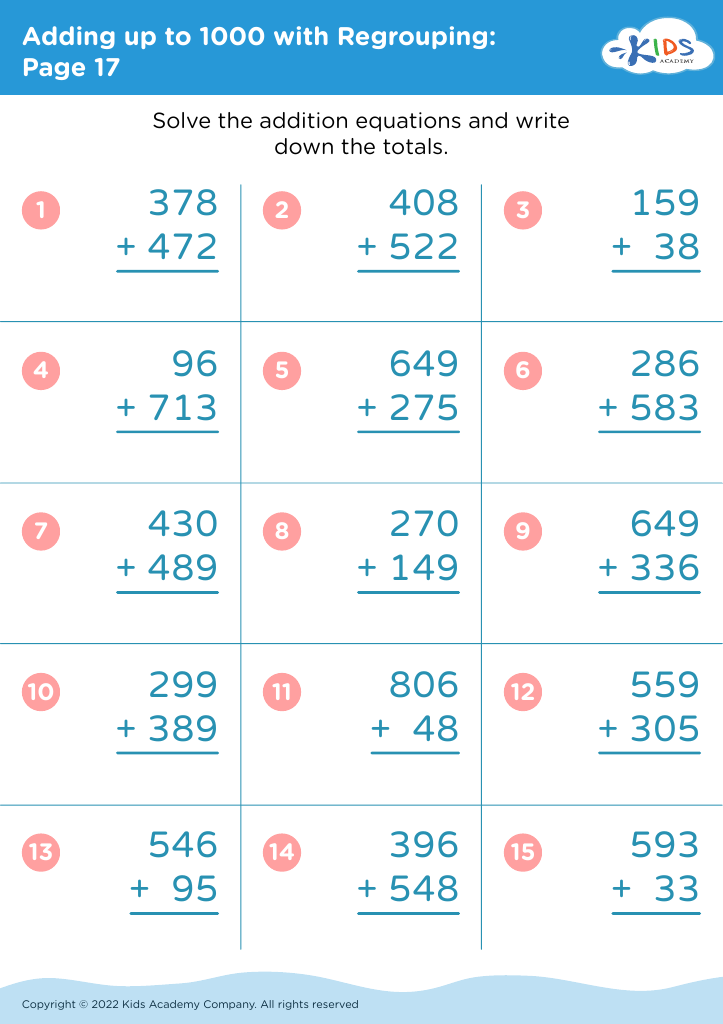
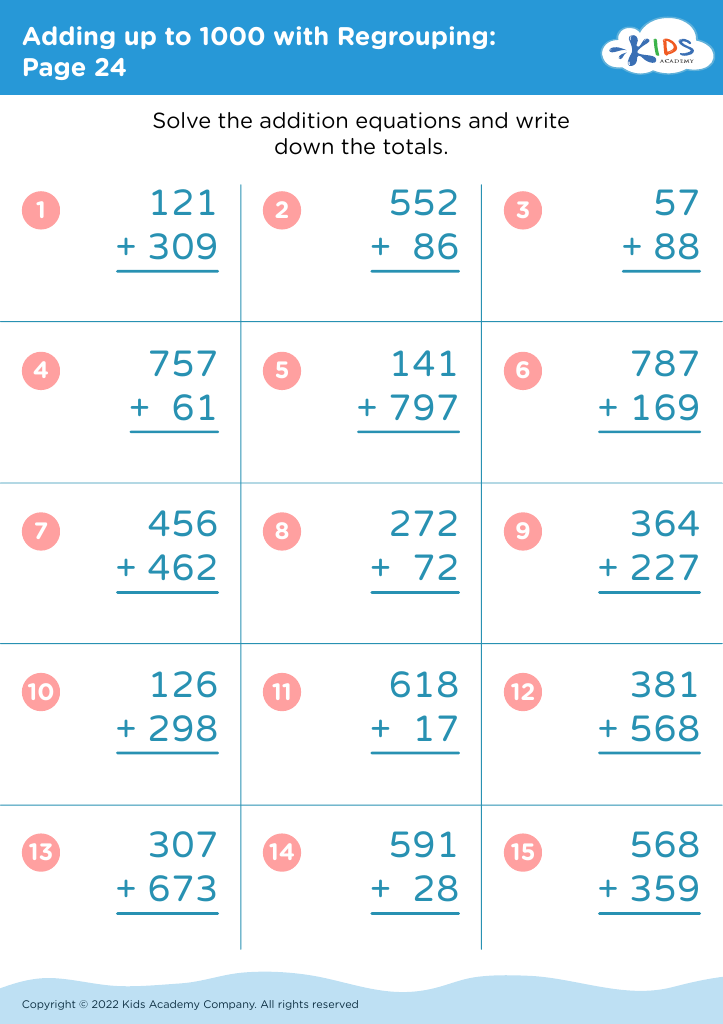
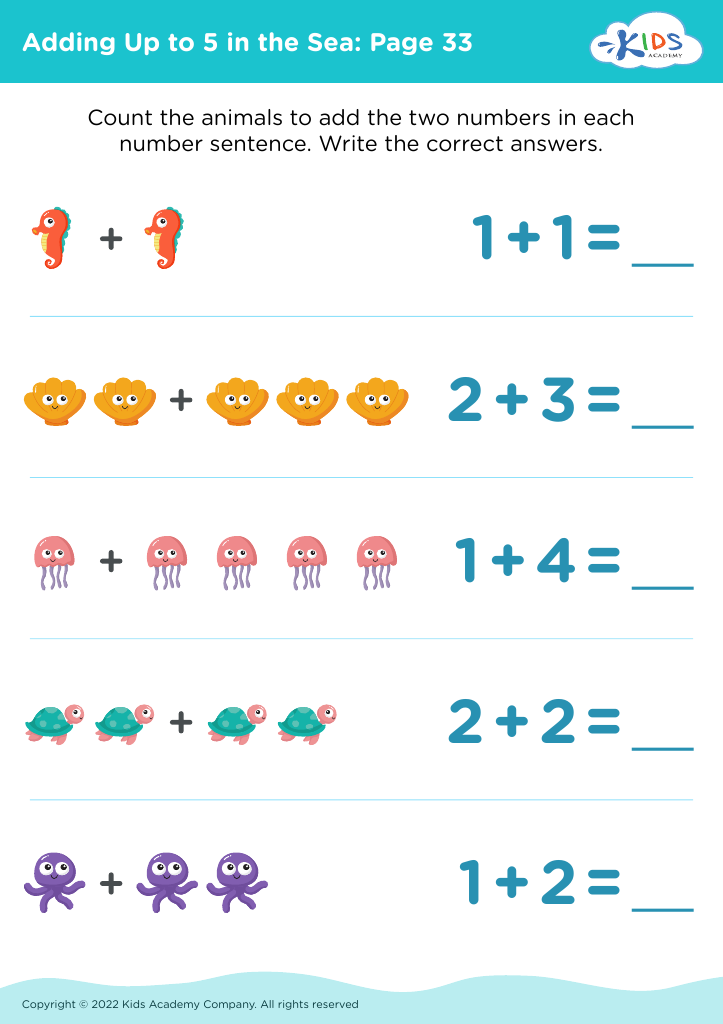
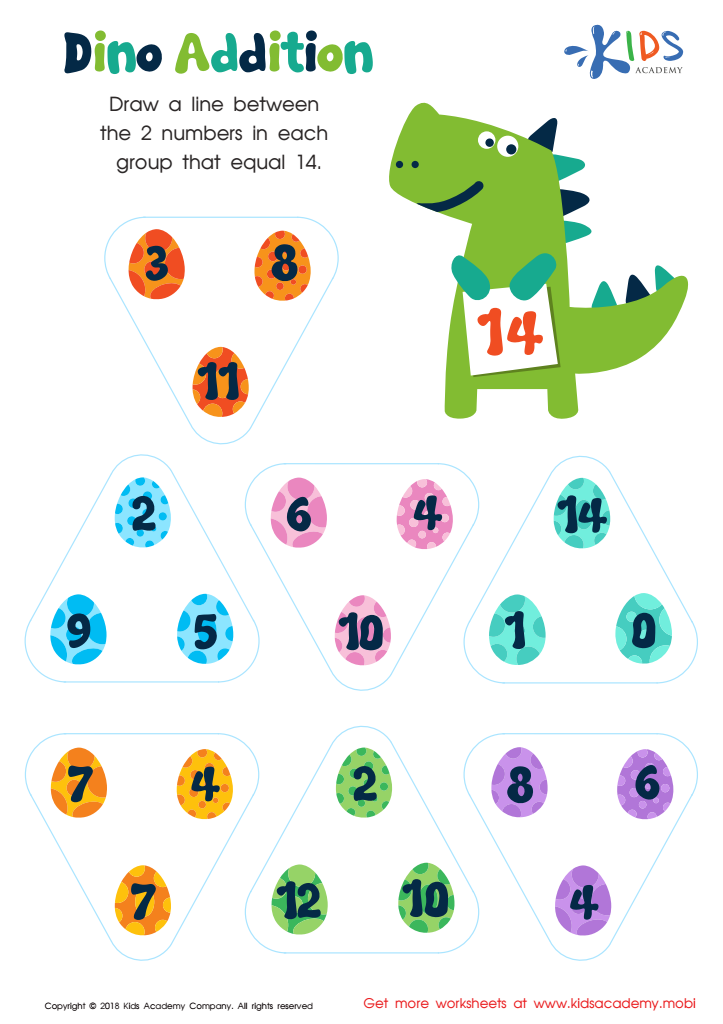
Dino Addition Worksheet
 Assign to My Students
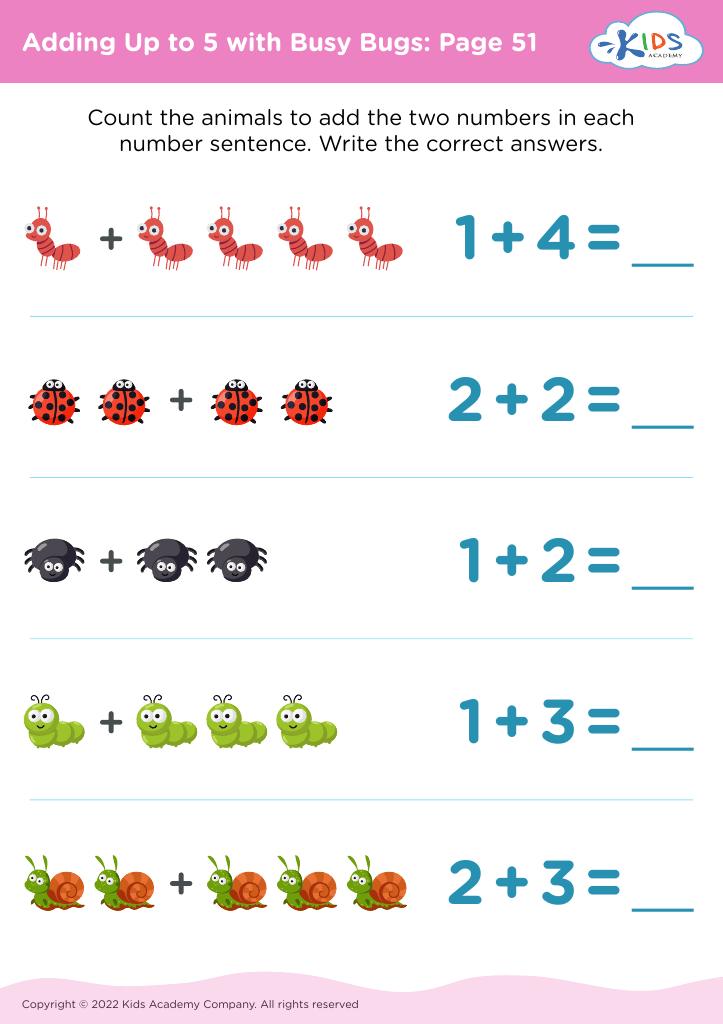
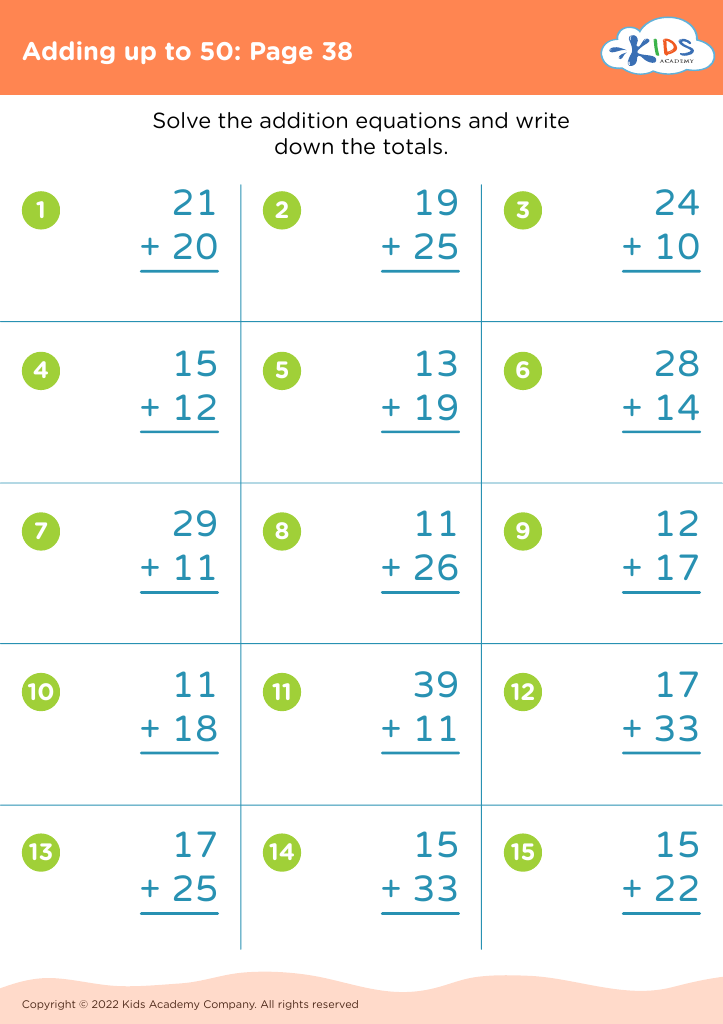
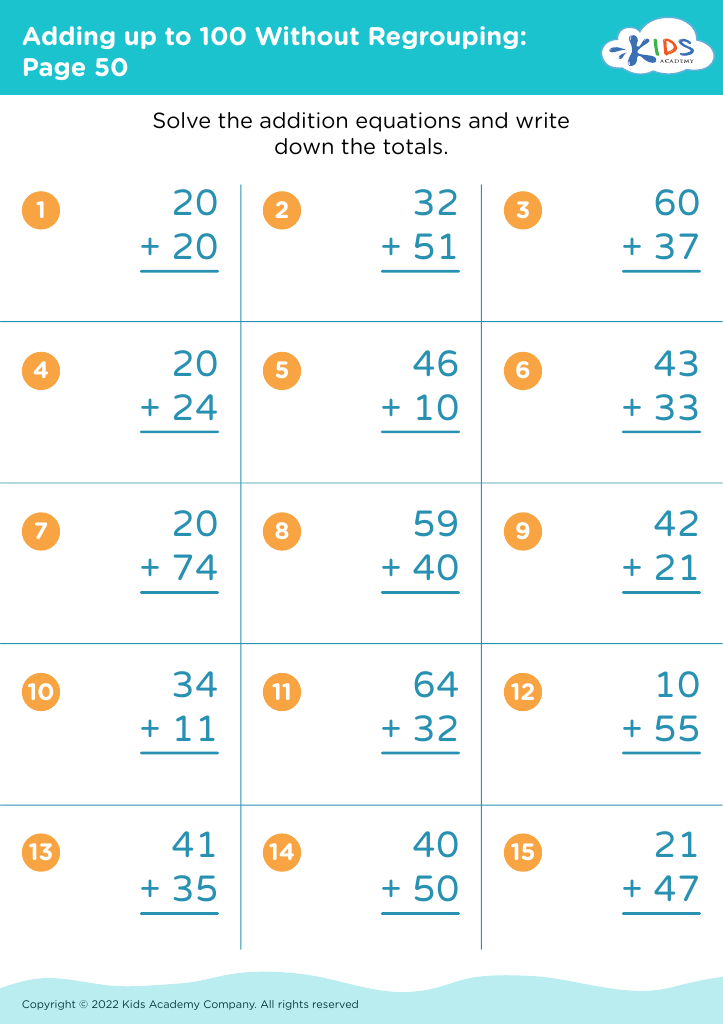
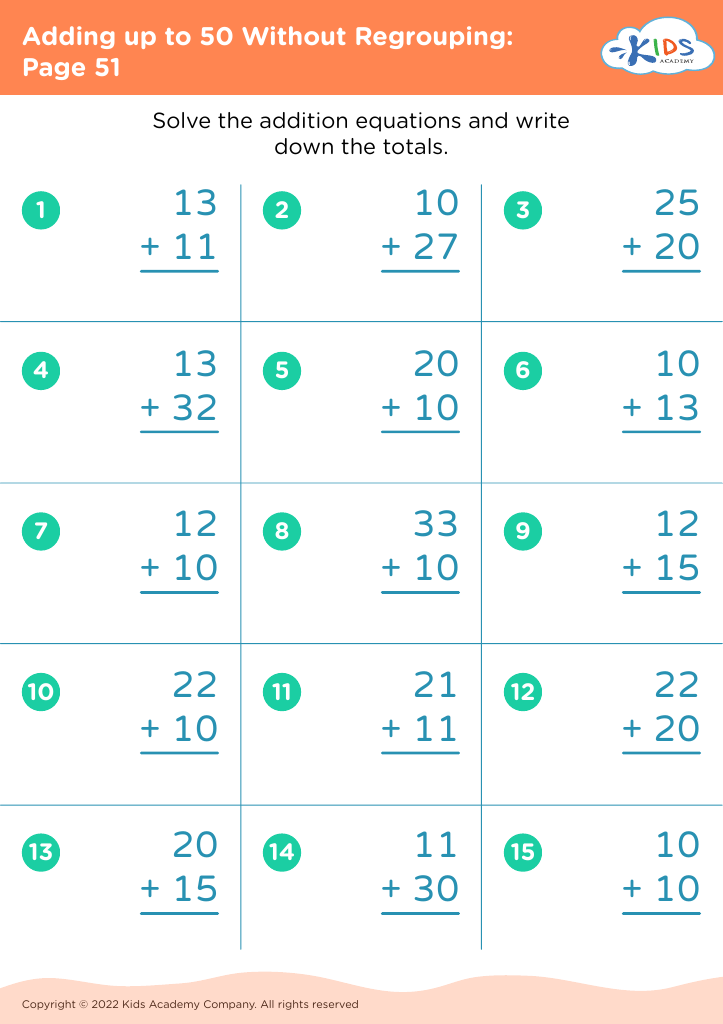
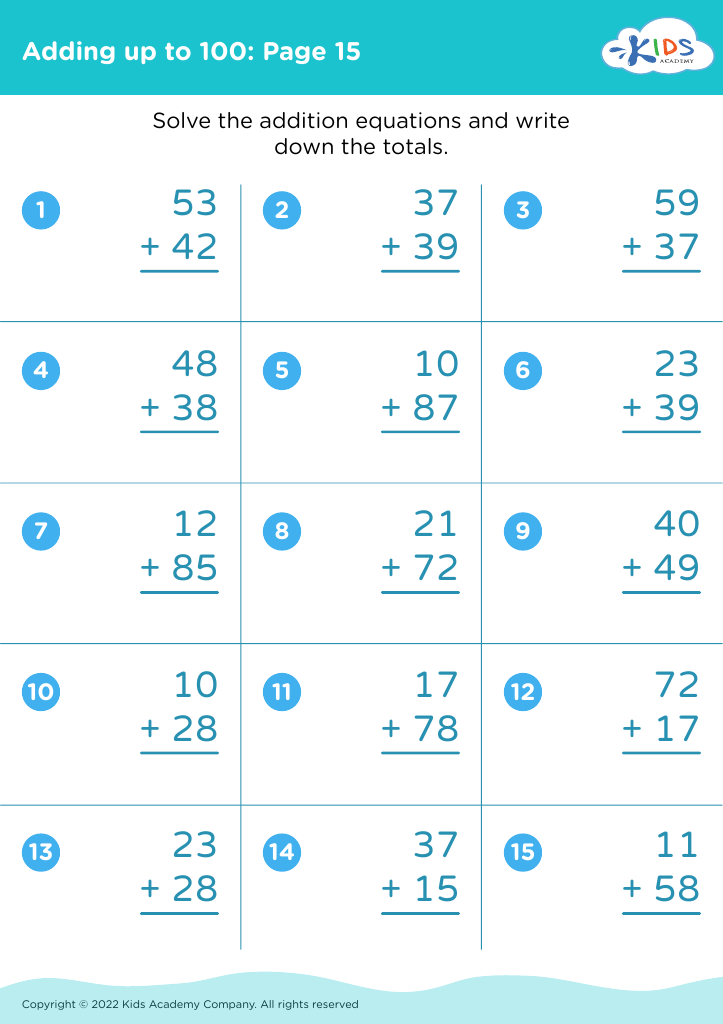
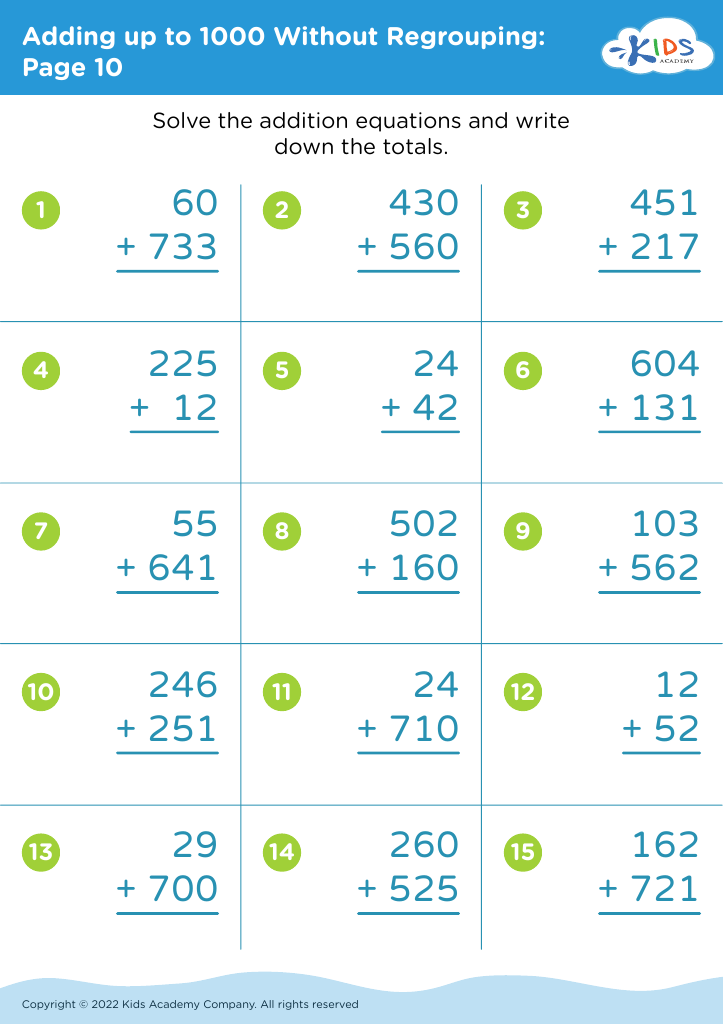
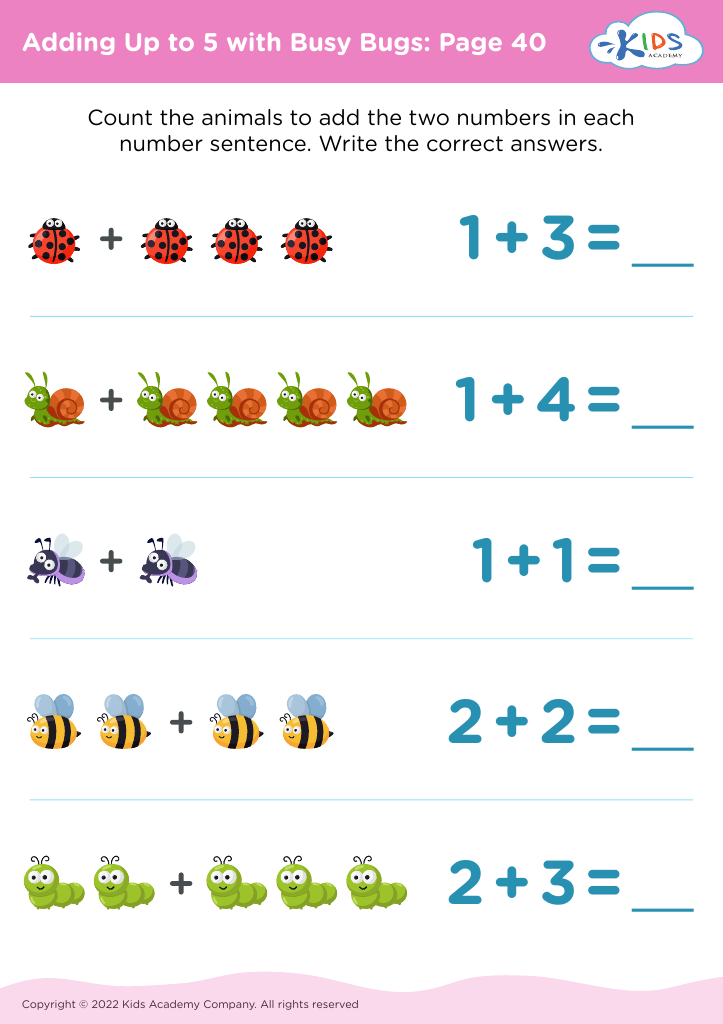
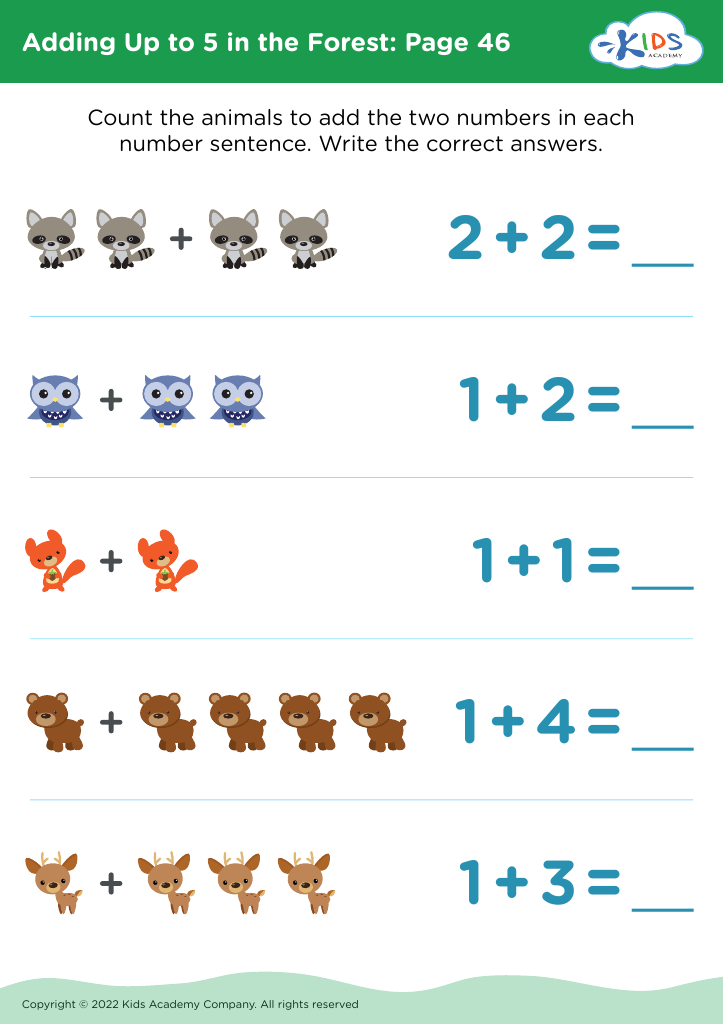
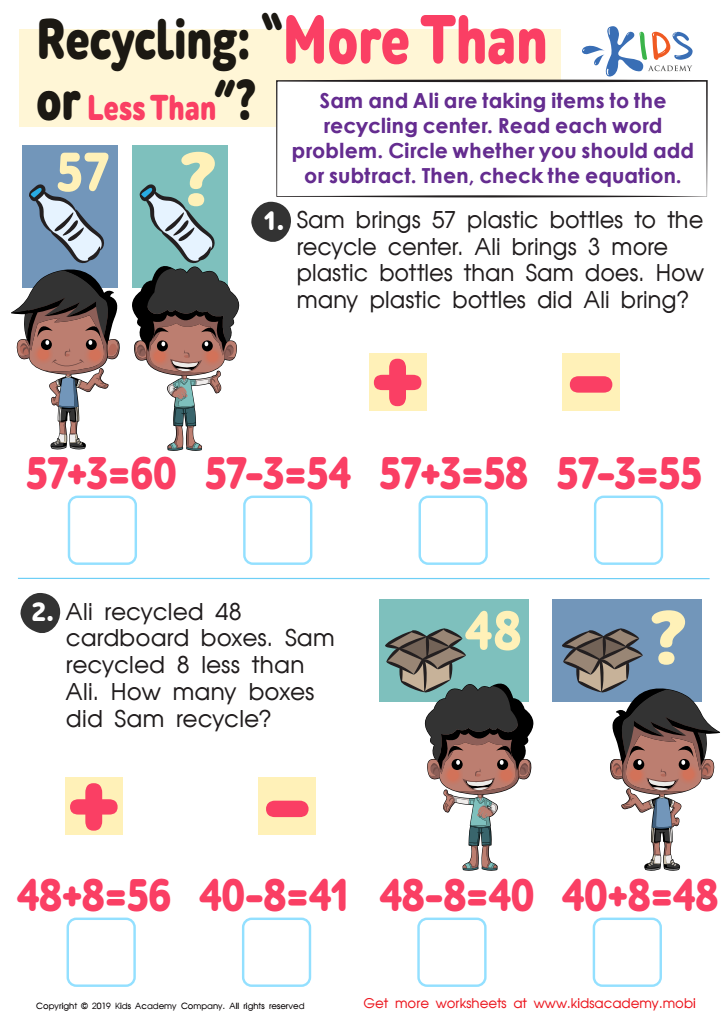
Recycling - More or Less Worksheet
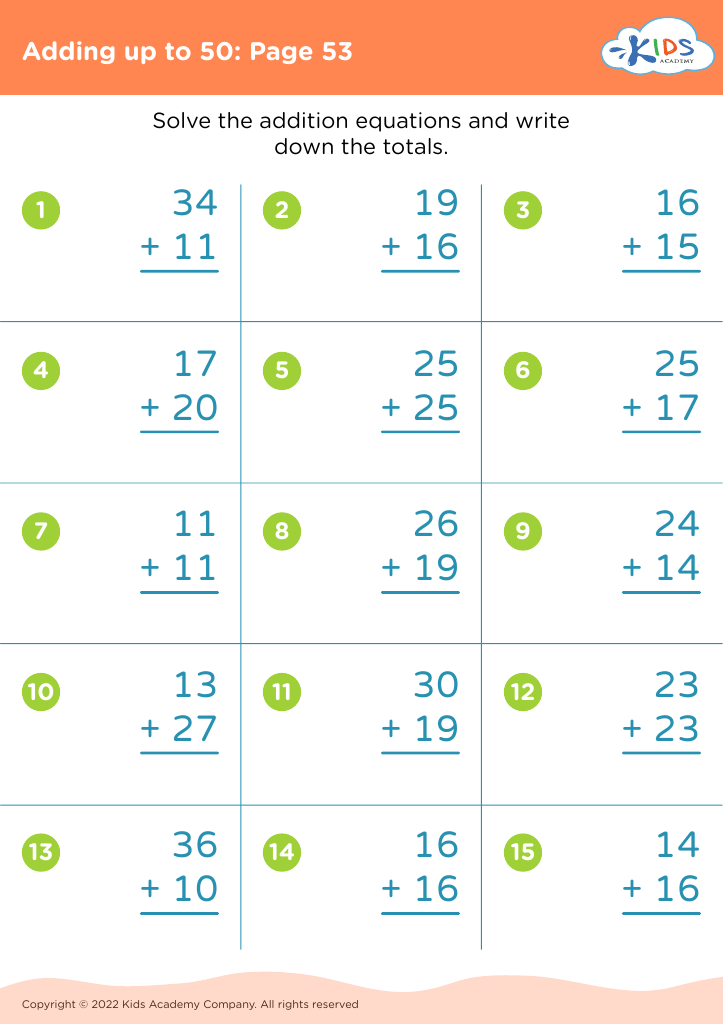
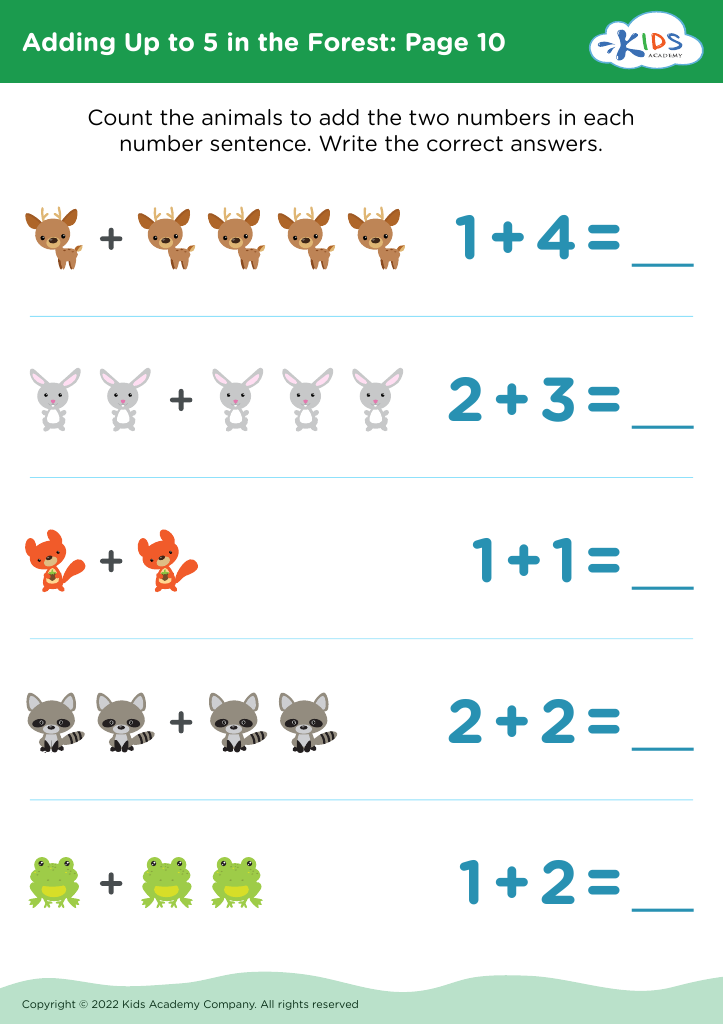
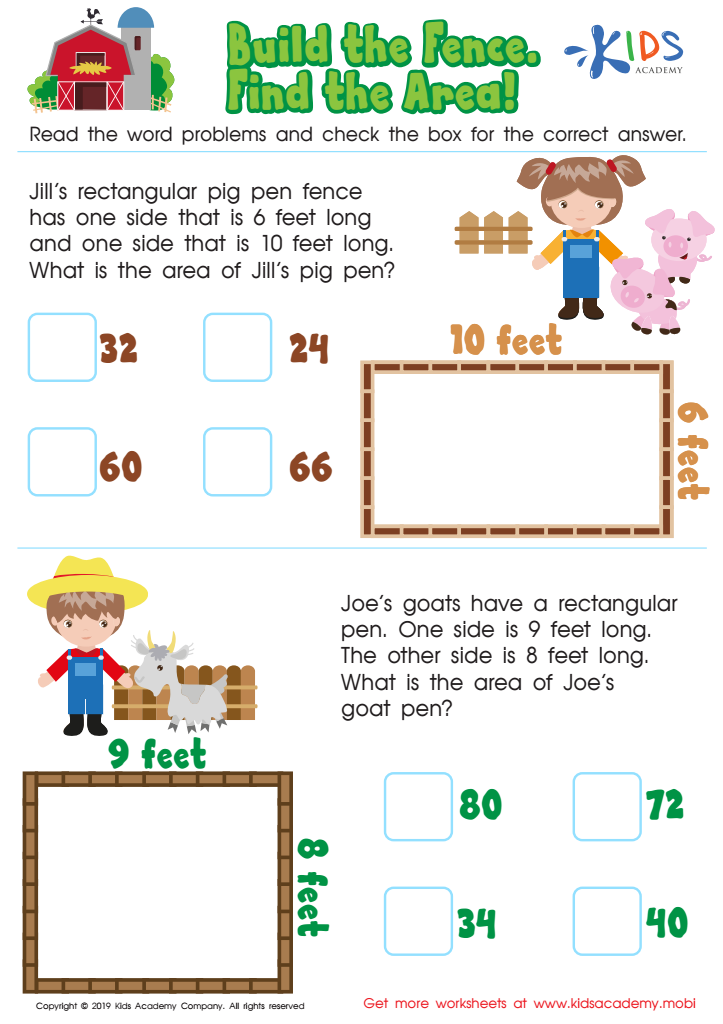
Build the Fence, Find the Area Worksheet








Basic math skills, particularly addition, are foundational for children's cognitive development and future academic success. For children aged 5-9, mastering addition isn’t just about numbers; it's about building critical thinking and problem-solving abilities. Early understanding of arithmetic encourages logical thinking, helping children to make sense of the world around them.
Parents and teachers should prioritize basic addition skills as they serve as a stepping stone for more complex math concepts, such as subtraction, multiplication, and division. Early proficiency in addition fosters confidence and a positive attitude towards math, reducing future math anxiety. Additionally, these skills aid in daily activities, such as measuring ingredients for a recipe or managing allowances, making math relevant and accessible.
Engaging children with fun and interactive methods—like games, storytelling, and practical applications—can enhance their learning experience. Addressing addition skills also promotes perseverance, attention, and patience, essential traits for lifelong learning.
In sum, by investing time and resources into teaching addition to young children, parents and teachers support not just mathematical skills but overall personal development, setting the stage for future educational achievements and a positive relationship with math.








