Filters

114 filtered results

Clear all filters
Favorites
With answer key
Interactive

114 filtered results

Difficulty Level

Grade


Subject

    Check out this FREE Trial Lesson on Addition for age 5-9!

    Making 12

    Favorites
    With answer key
    Interactive
    • 5-9
    • Cognitive Development
    • Addition
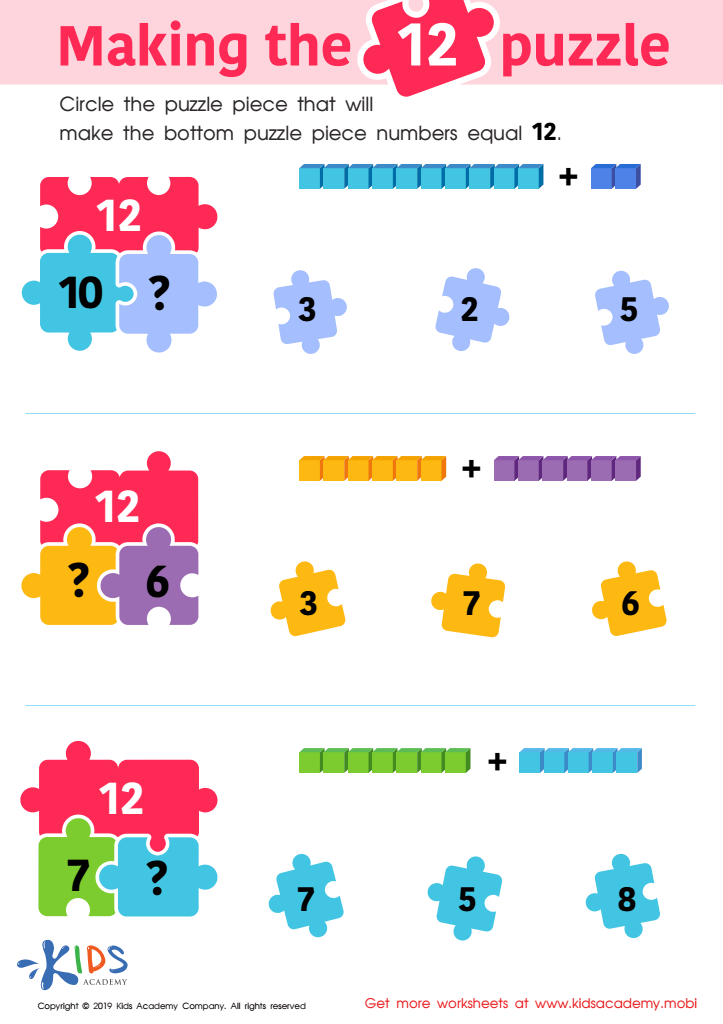
    Making the 12 Puzzle Worksheet
    Making the 12 Puzzle Worksheet

    Making the 12 Puzzle Worksheet

    Engage preschoolers in learning with this fun and colorful worksheet. Ask them to look at the picture and identify the missing equation on each puzzle piece; then help them solve the problems. When all the puzzle pieces make the bottom numbers equal 12, have them circle it. This is a great way to combine learning and fun!
    Making the 12 Puzzle Worksheet
    Worksheet
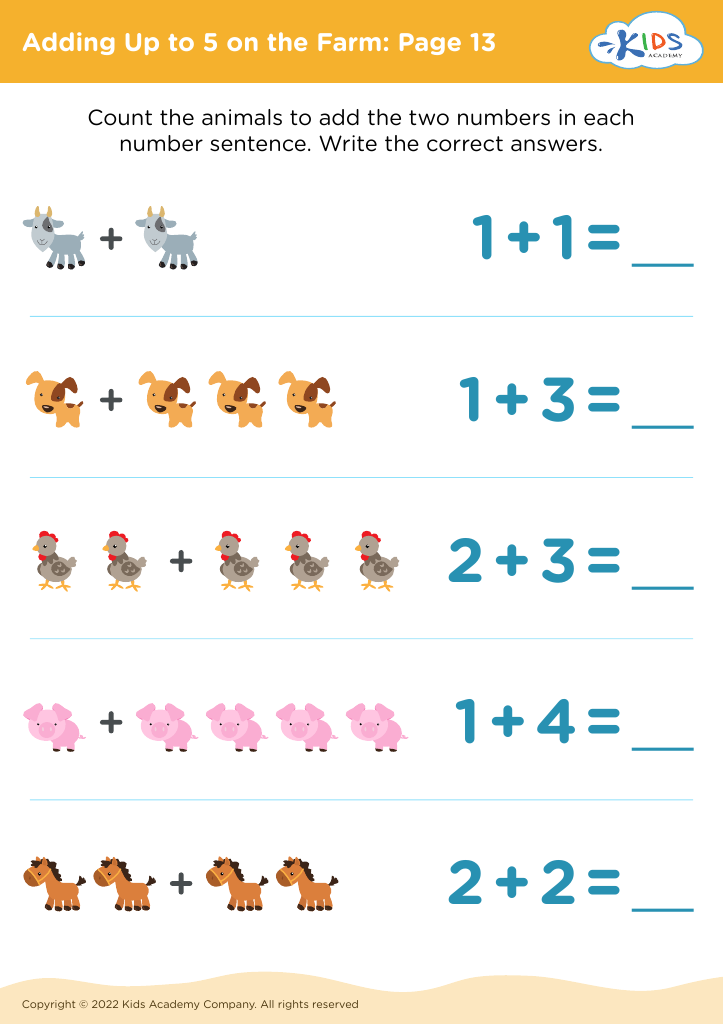
    Adding Up to 5 on the Farm: Page 13
    Adding Up to 5 on the Farm: Page 13
    Adding Up to 5 on the Farm: Page 13
    Worksheet
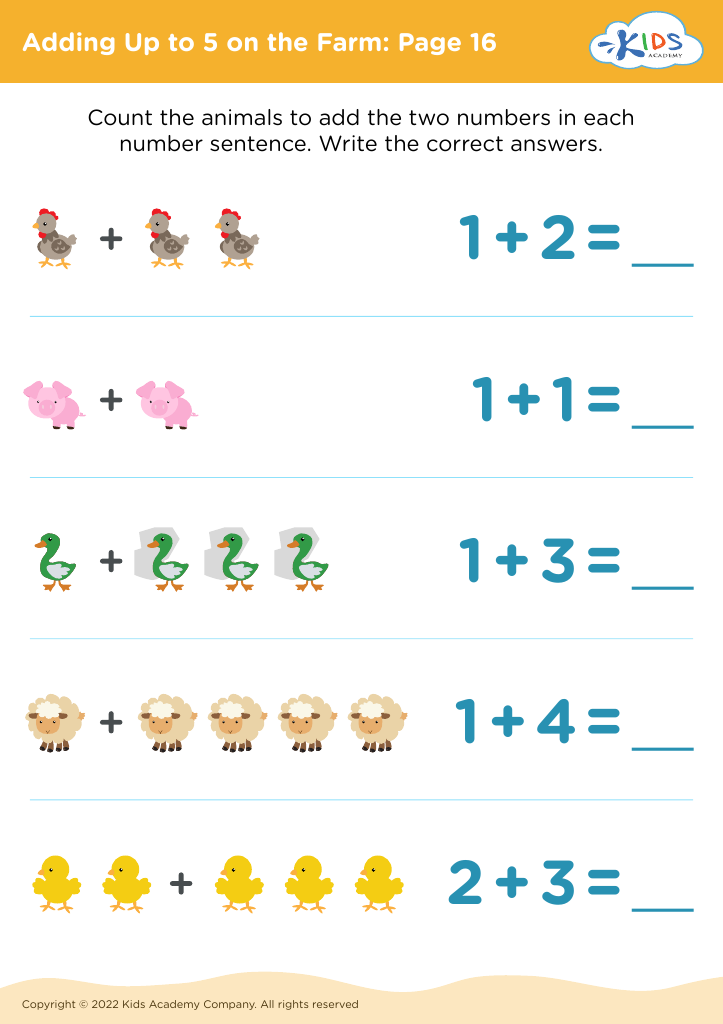
    Adding Up to 5 on the Farm: Page 16
    Adding Up to 5 on the Farm: Page 16
    Adding Up to 5 on the Farm: Page 16
    Worksheet
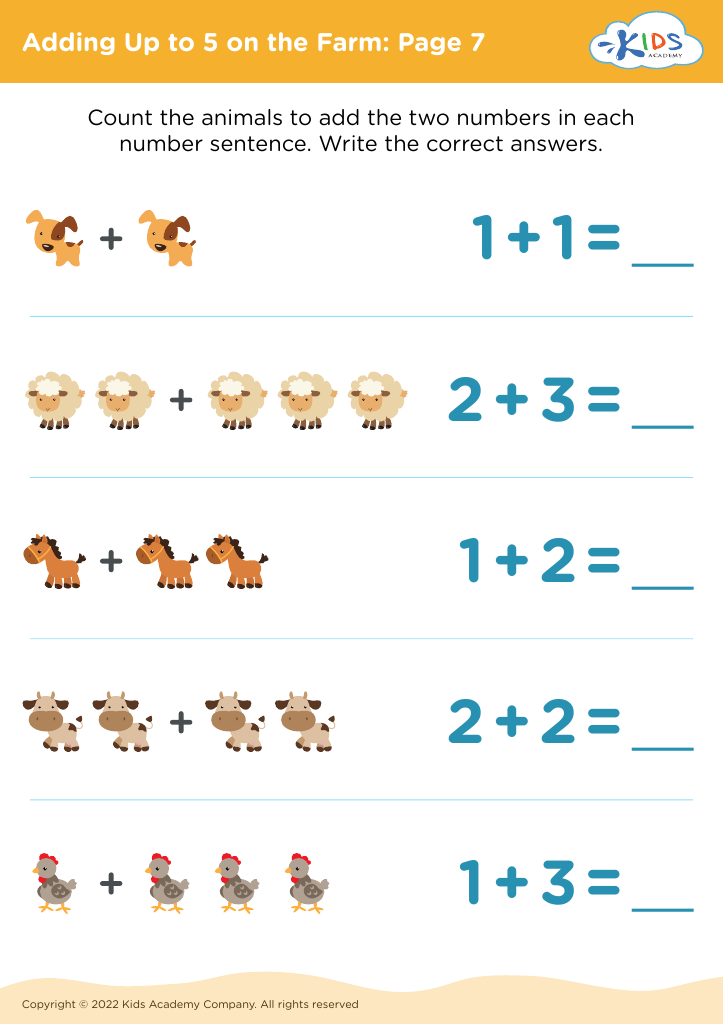
    Adding Up to 5 on the Farm: Page 7
    Adding Up to 5 on the Farm: Page 7
    Adding Up to 5 on the Farm: Page 7
    Worksheet
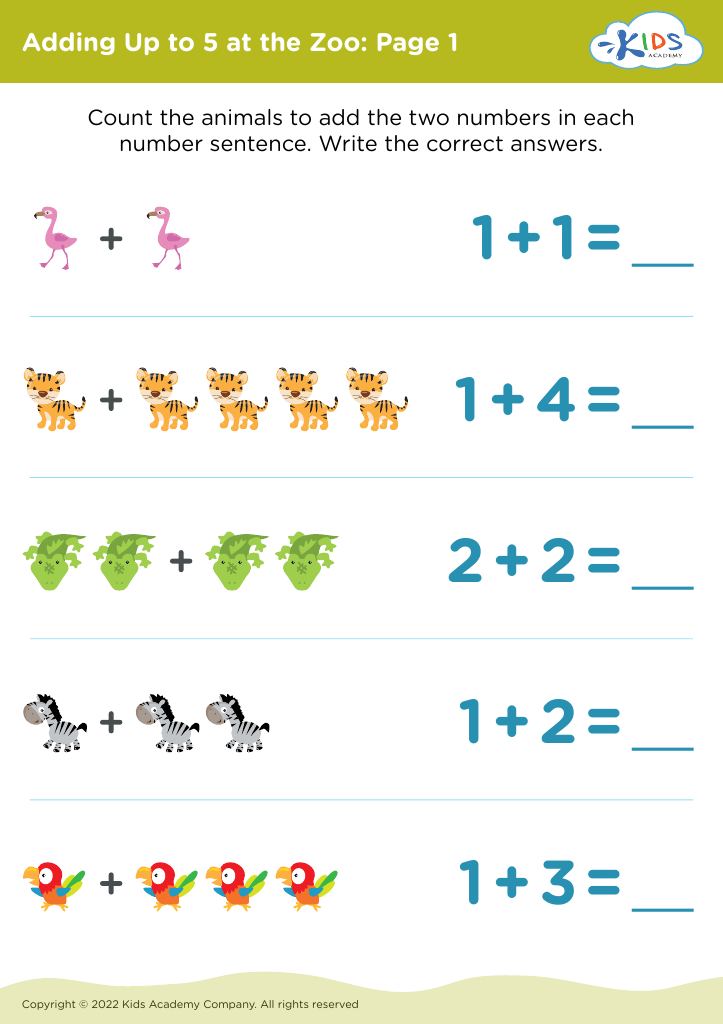
    Adding Up to 5 at the Zoo: Page 1
    Adding Up to 5 at the Zoo: Page 1

    Adding Up to 5 at the Zoo: Page 1

    Adding Up to 5 at the Zoo: Page 1
    Worksheet
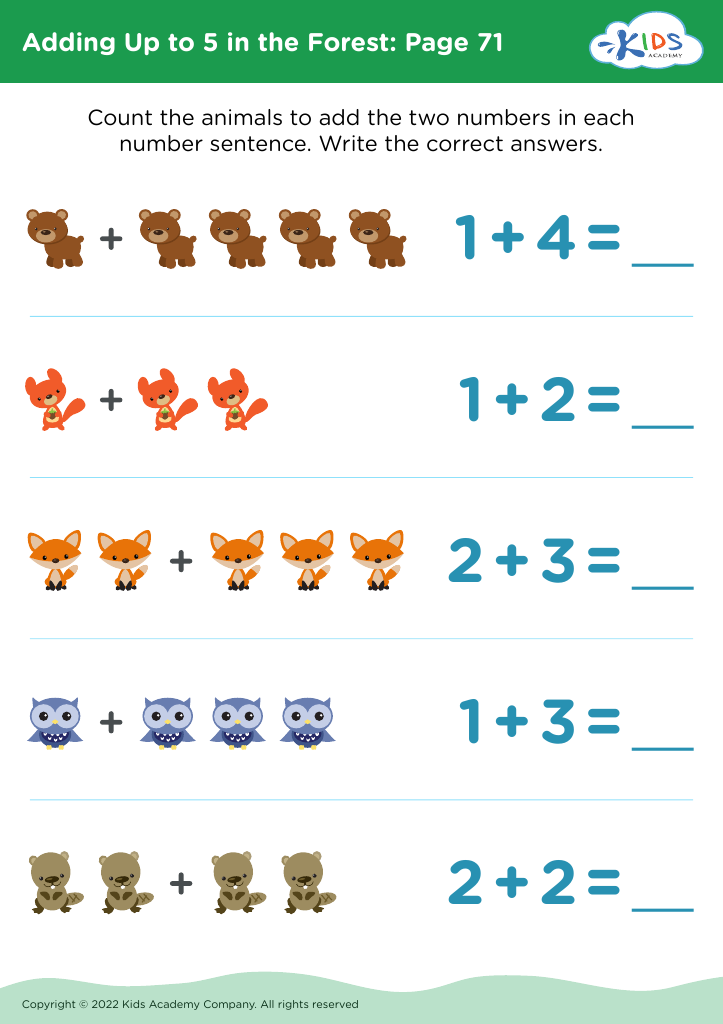
    Adding Up to 5 in the Forest: Page 71
    Adding Up to 5 in the Forest: Page 71
    Adding Up to 5 in the Forest: Page 71
    Worksheet
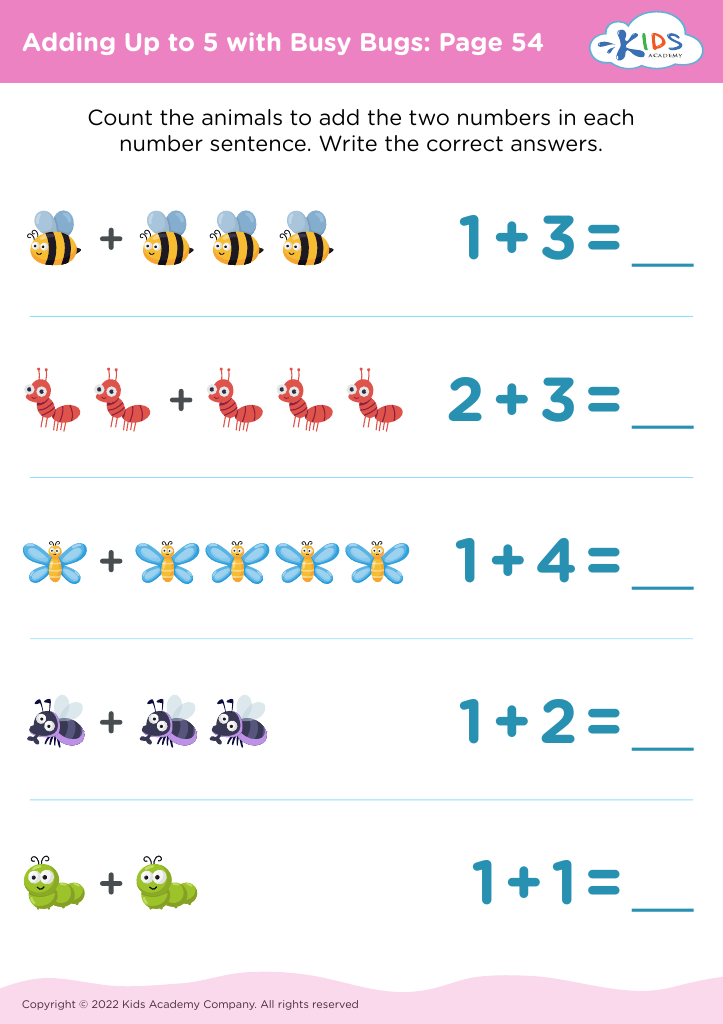
    Adding Up to 5 with Busy Bugs: Page 54
    Adding Up to 5 with Busy Bugs: Page 54
    Adding Up to 5 with Busy Bugs: Page 54
    Worksheet
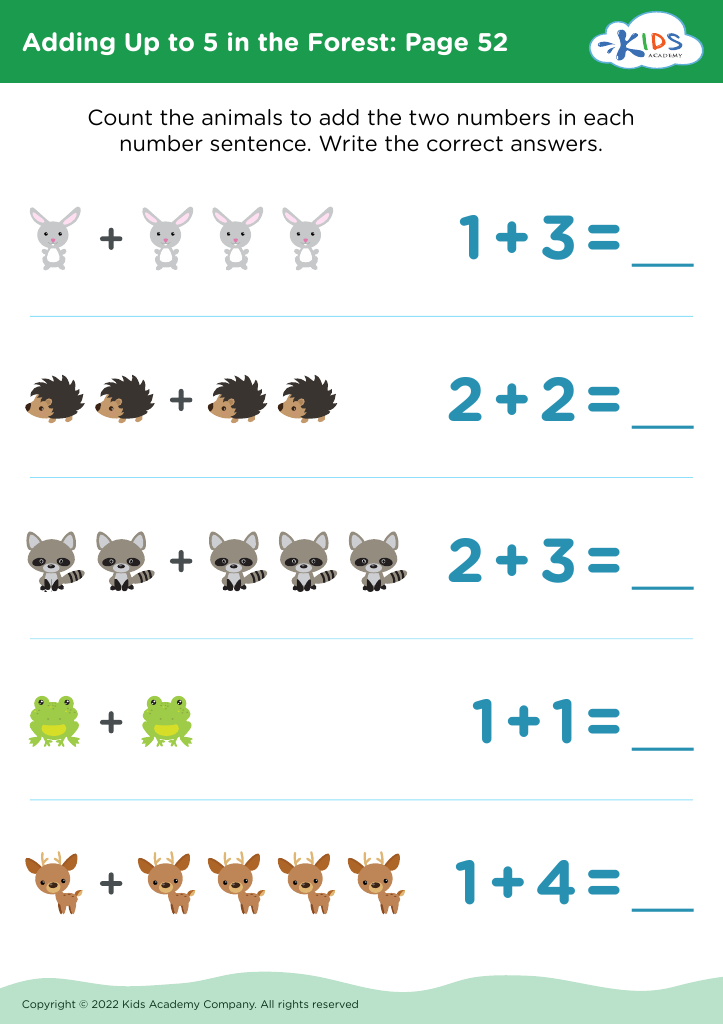
    Adding Up to 5 in the Forest: Page 52
    Adding Up to 5 in the Forest: Page 52
    Adding Up to 5 in the Forest: Page 52
    Worksheet
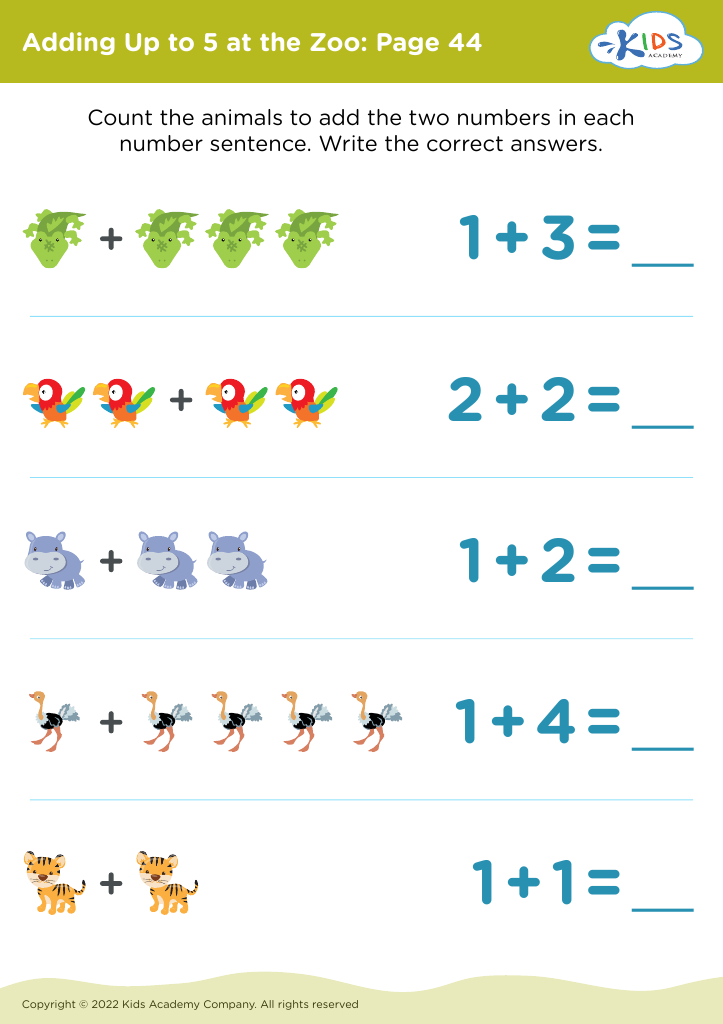
    Adding Up to 5 at the Zoo: Page 44
    Adding Up to 5 at the Zoo: Page 44
    Adding Up to 5 at the Zoo: Page 44
    Worksheet
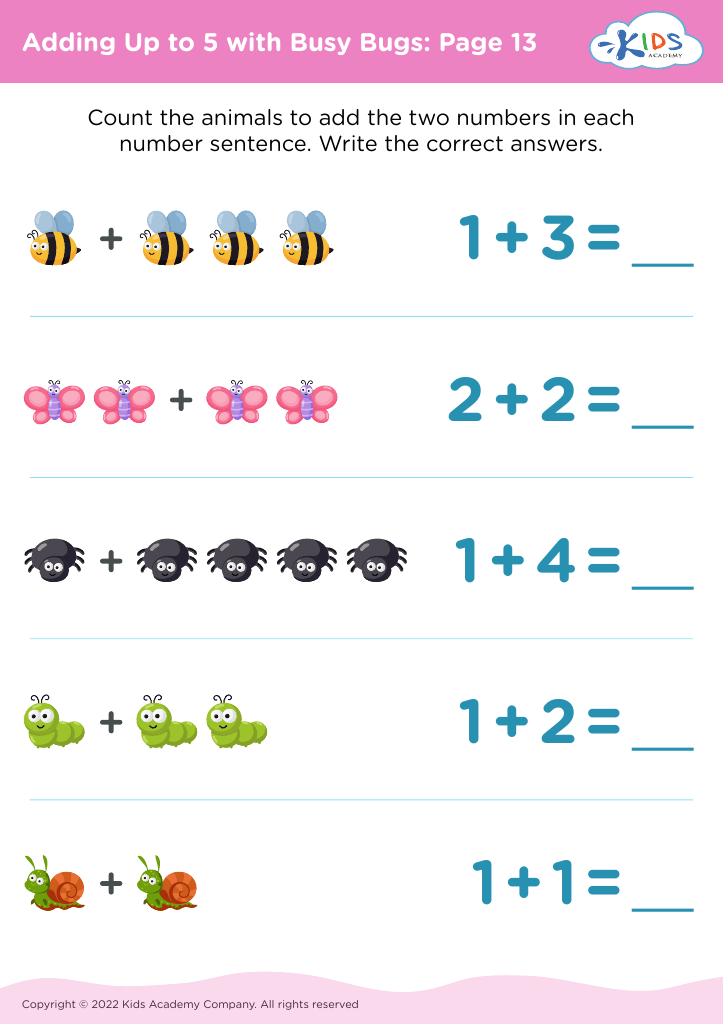
    Adding Up to 5 with Busy Bugs: Page 13
    Adding Up to 5 with Busy Bugs: Page 13
    Adding Up to 5 with Busy Bugs: Page 13
    Worksheet
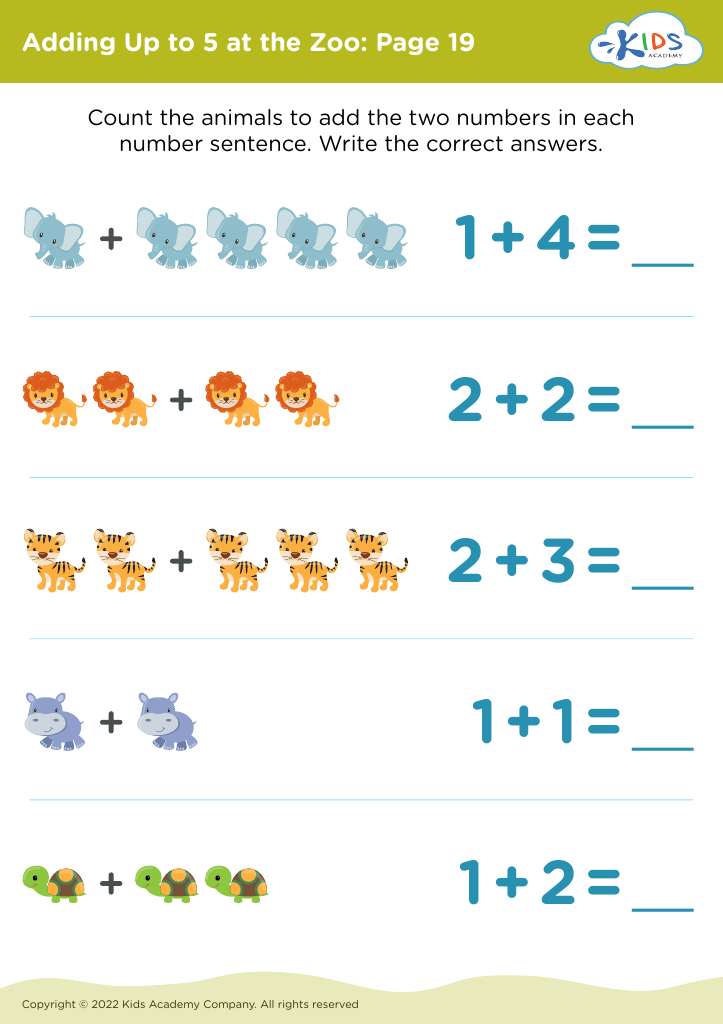
    Adding Up to 5 at the Zoo: Page 19
    Adding Up to 5 at the Zoo: Page 19
    Adding Up to 5 at the Zoo: Page 19
    Worksheet
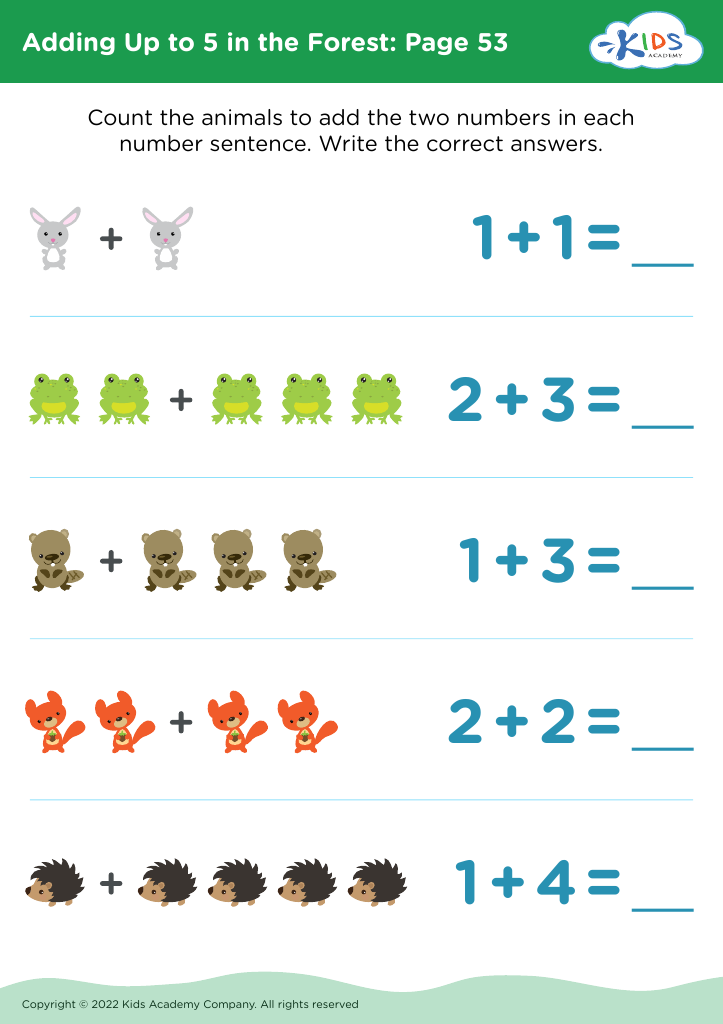
    Adding Up to 5 in the Forest: Page 53
    Adding Up to 5 in the Forest: Page 53
    Adding Up to 5 in the Forest: Page 53
    Worksheet
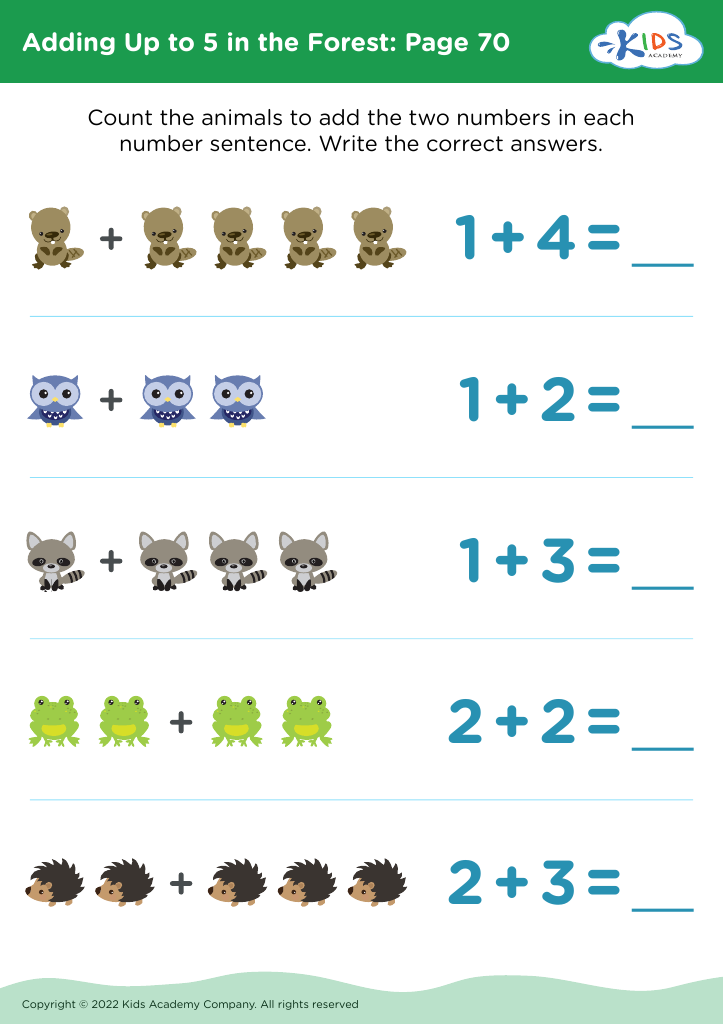
    Adding Up to 5 in the Forest: Page 70
    Adding Up to 5 in the Forest: Page 70
    Adding Up to 5 in the Forest: Page 70
    Worksheet
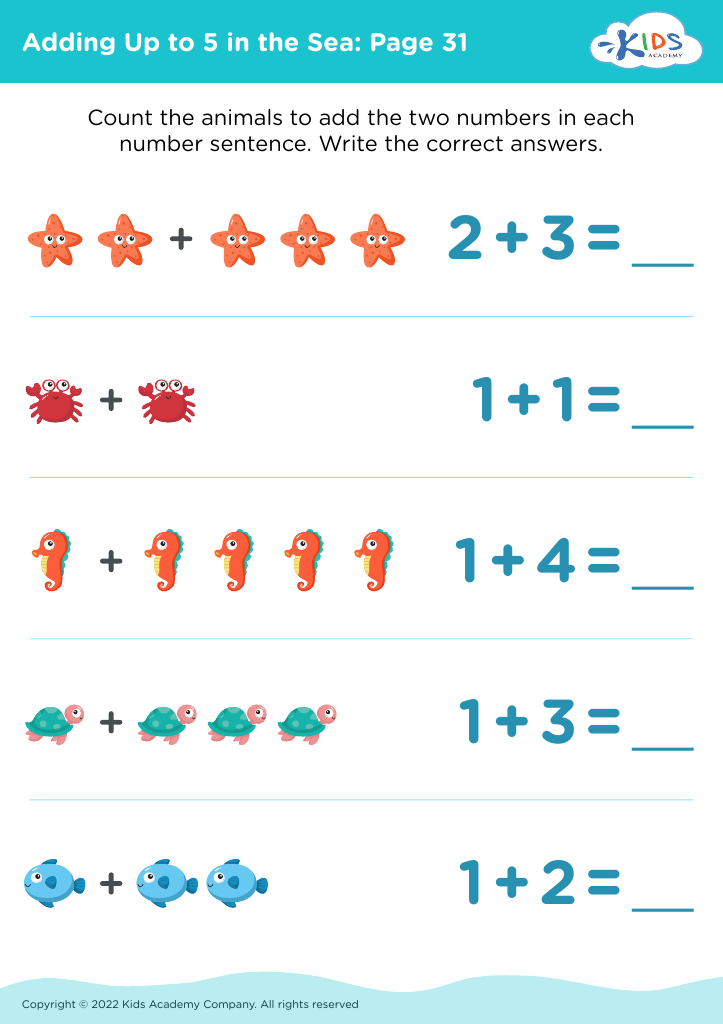
    Adding Up to 5 in the Sea: Page 31
    Adding Up to 5 in the Sea: Page 31
    Adding Up to 5 in the Sea: Page 31
    Worksheet
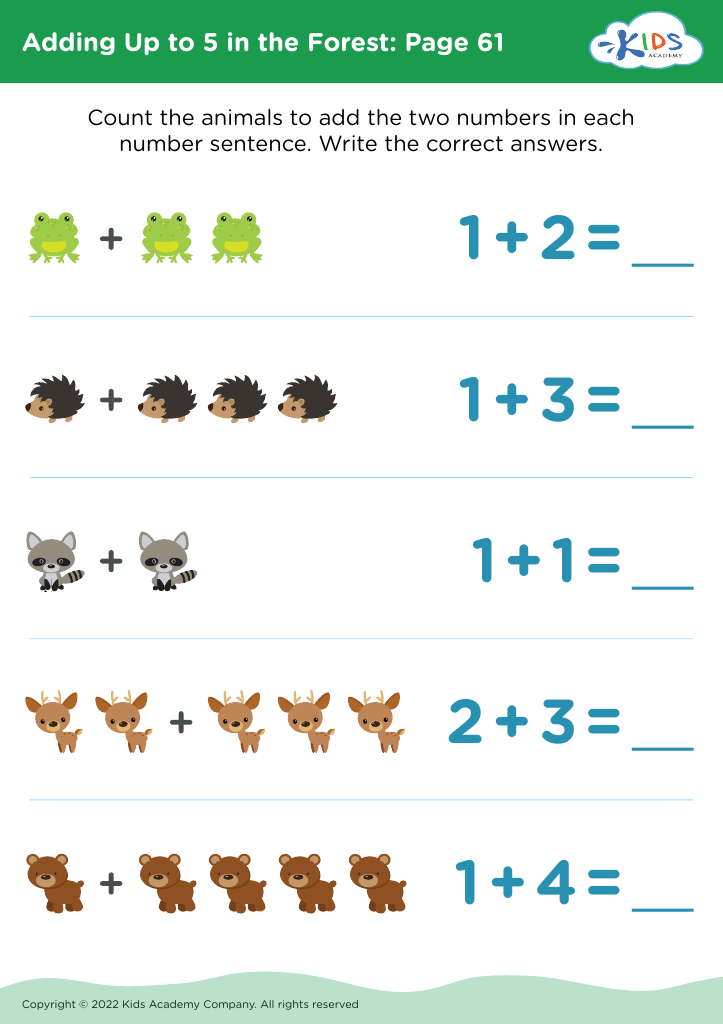
    Adding Up to 5 in the Forest: Page 61
    Adding Up to 5 in the Forest: Page 61
    Adding Up to 5 in the Forest: Page 61
    Worksheet
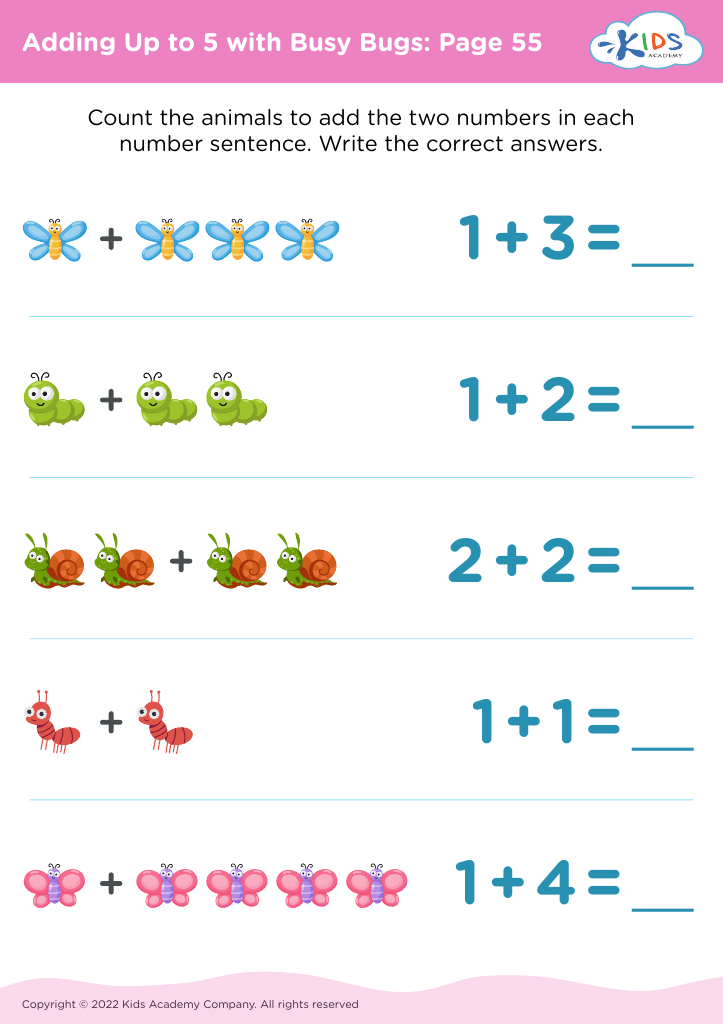
    Adding Up to 5 with Busy Bugs: Page 55
    Adding Up to 5 with Busy Bugs: Page 55
    Adding Up to 5 with Busy Bugs: Page 55
    Worksheet
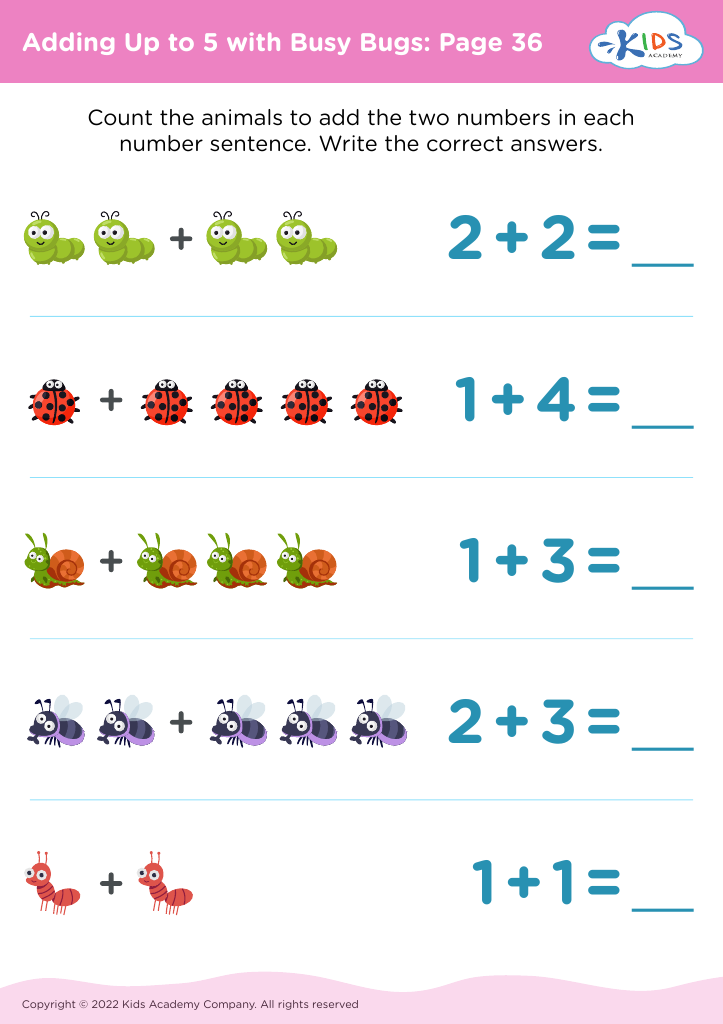
    Adding Up to 5 with Busy Bugs: Page 36
    Adding Up to 5 with Busy Bugs: Page 36
    Adding Up to 5 with Busy Bugs: Page 36
    Worksheet
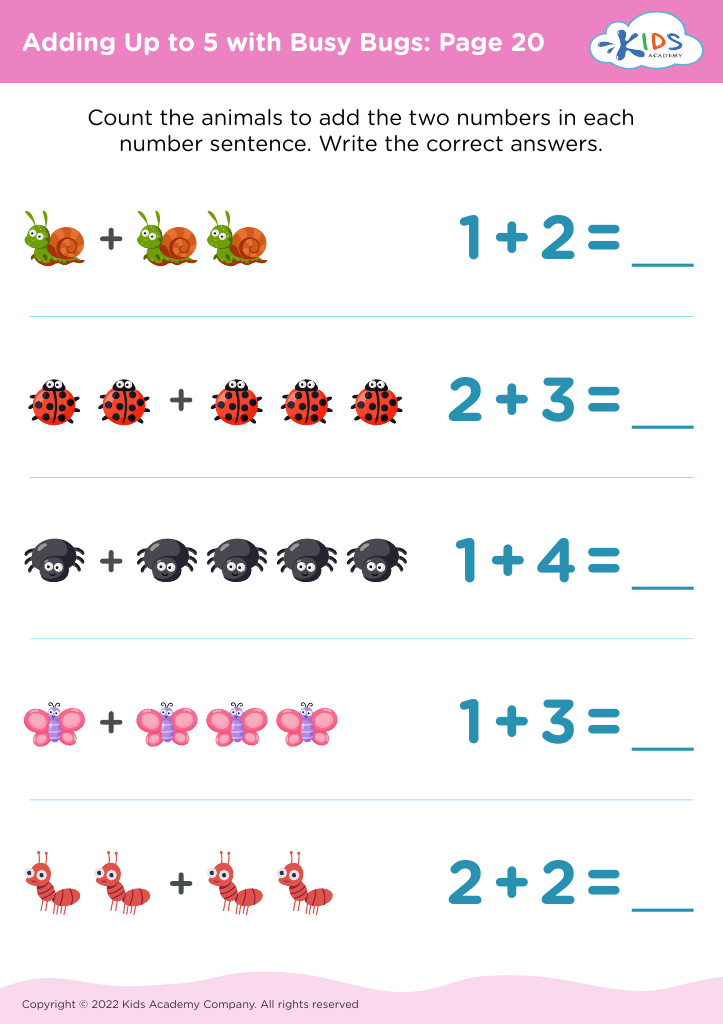
    Adding Up to 5 with Busy Bugs: Page 20
    Adding Up to 5 with Busy Bugs: Page 20
    Adding Up to 5 with Busy Bugs: Page 20
    Worksheet
    Community Helpers: 1 less Worksheet
    Community Helpers: 1 less Worksheet
    Community Helpers: 1 less Worksheet
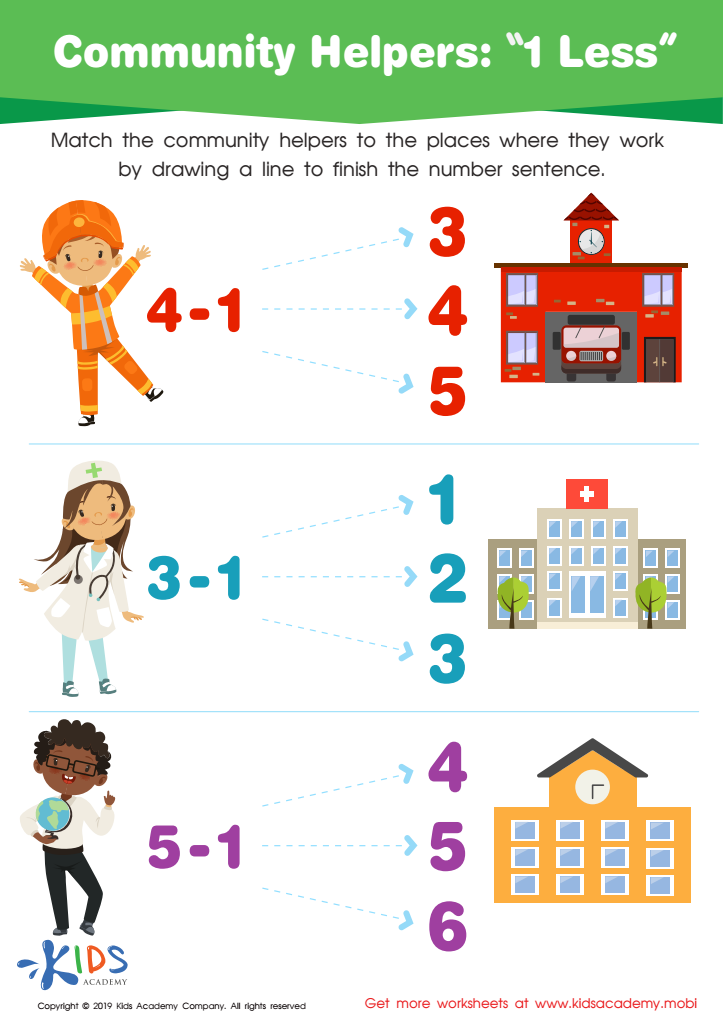
    Look at this worksheet with your child and ask them to identify the different community helpers. Match them to the places where they work by drawing a line to finish the number sentence. This helps them identify the people that help keep the community organized and running smoothly. Examples of community helpers include doctors, police officers, firefighters, teachers, etc.
    Community Helpers: 1 less Worksheet
    Worksheet
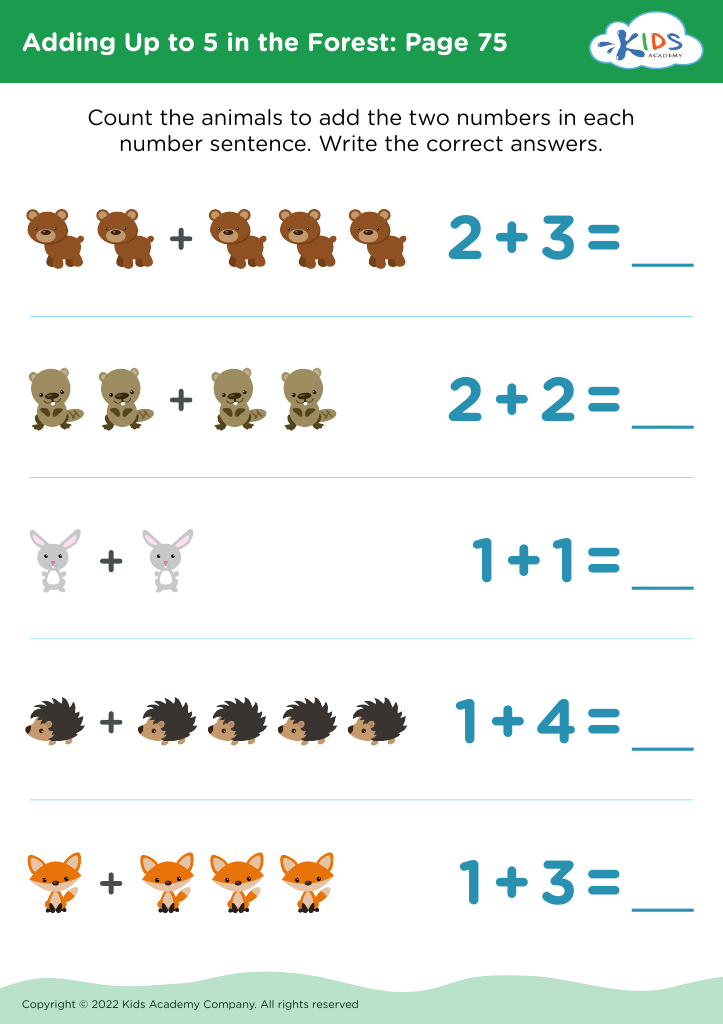
    Adding Up to 5 in the Forest: Page 75
    Adding Up to 5 in the Forest: Page 75
    Adding Up to 5 in the Forest: Page 75
    Worksheet
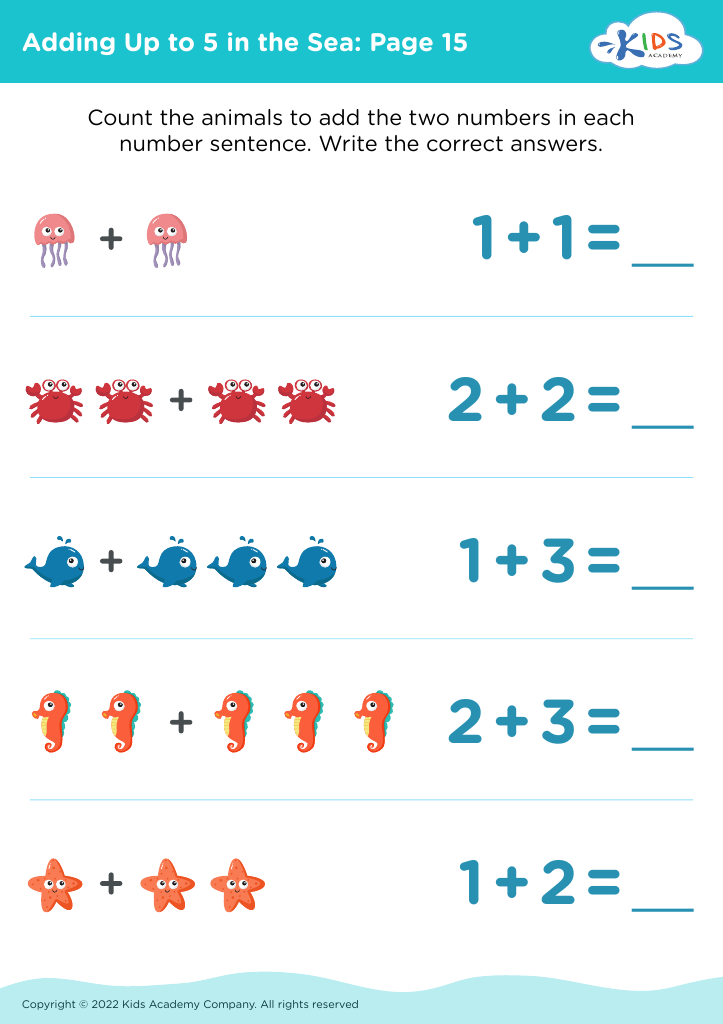
    Adding Up to 5 in the Sea: Page 15
    Adding Up to 5 in the Sea: Page 15
    Adding Up to 5 in the Sea: Page 15
    Worksheet
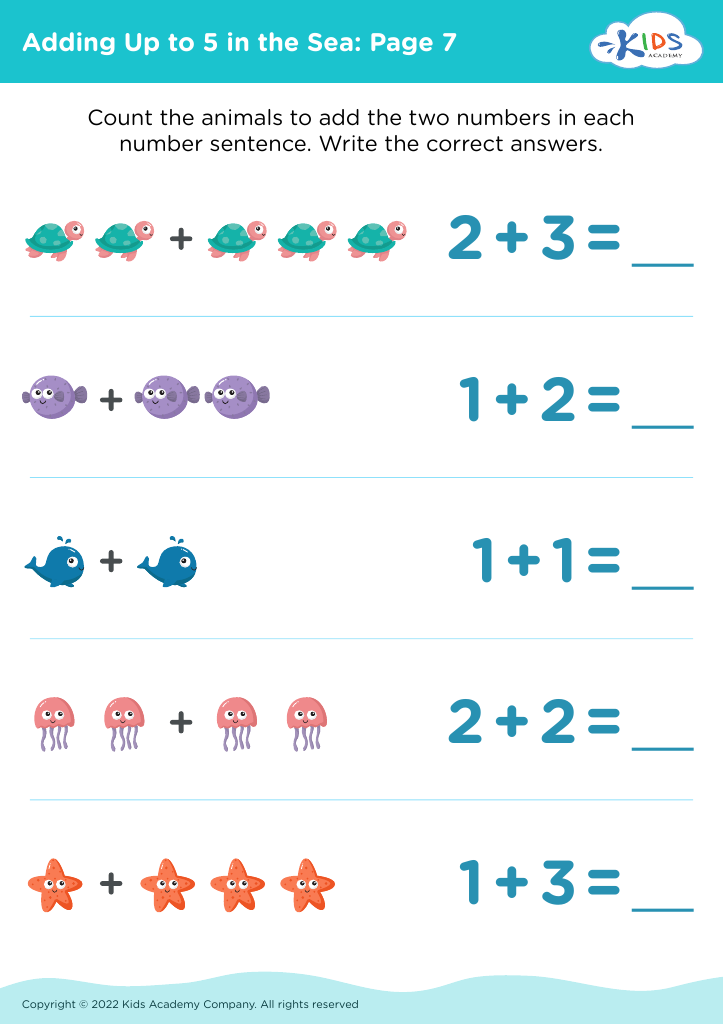
    Adding Up to 5 in the Sea: Page 7
    Adding Up to 5 in the Sea: Page 7

    Adding Up to 5 in the Sea: Page 7

    Adding Up to 5 in the Sea: Page 7
    Worksheet
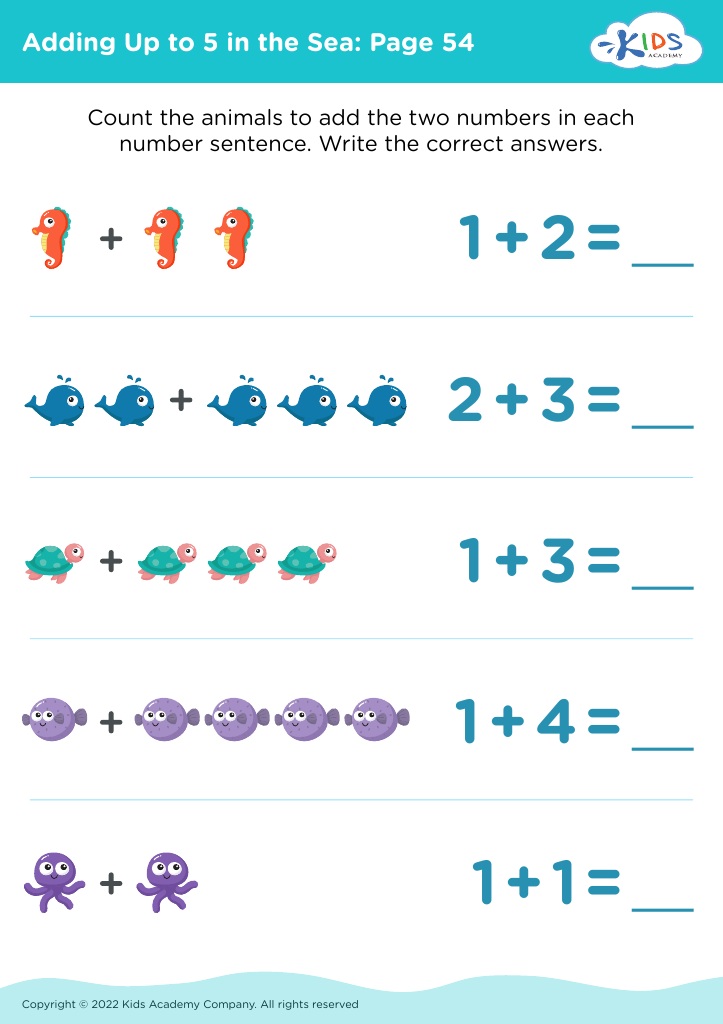
    Adding Up to 5 in the Sea: Page 54
    Adding Up to 5 in the Sea: Page 54
    Adding Up to 5 in the Sea: Page 54
    Worksheet
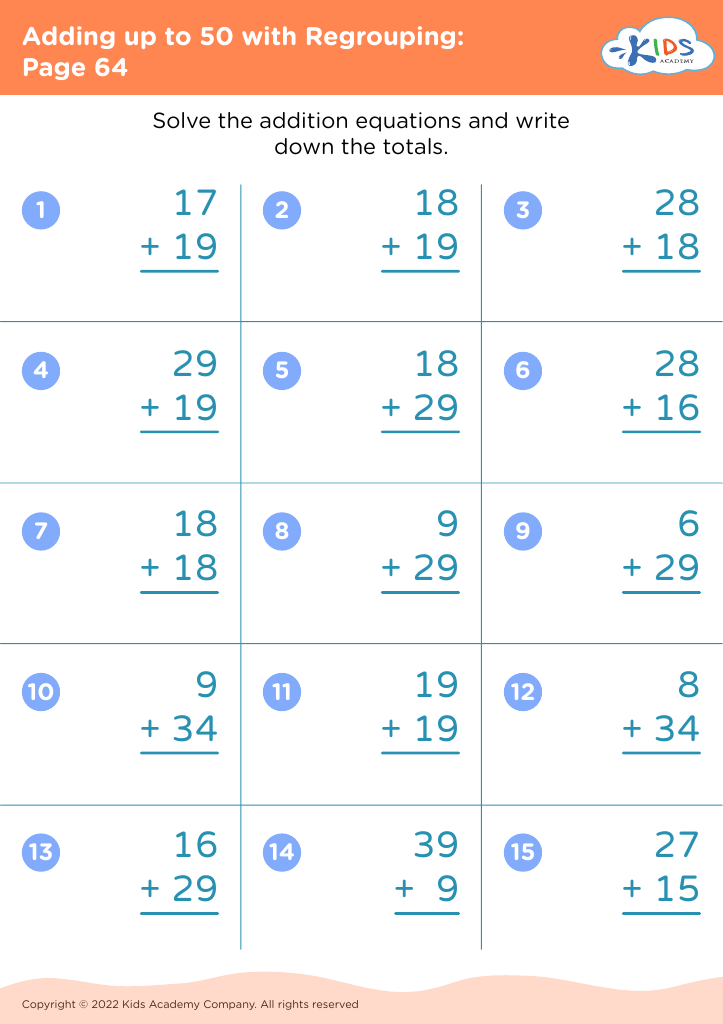
    Adding up to 50 with Regrouping: Page 64
    Adding up to 50 with Regrouping: Page 64
    Adding up to 50 with Regrouping: Page 64
    Worksheet


    Cognitive development in children ages 5-9 is crucial as this period is foundational for their overall growth and learning. This stage is characterized by advancements in memory, attention, problem-solving, and critical thinking skills. Understanding cognitive development helps parents and teachers create effective learning environments tailored to children's needs.

    When children grasp addition, they don’t just learn a mathematical skill; they engage in critical thinking, develop persistence, and enhance their ability to reason and solve problems. This early proficiency in foundational math is linked to later academic success, as it promotes a positive attitude toward learning and builds confidence.

    Furthermore, accurate assessment of children's cognitive milestones, such as their addition skills, can inform instructional strategies and curriculum design. It allows educators to identify areas where a child may need extra support, enabling timely interventions that can significantly influence a child’s educational trajectory.

    Moreover, awareness of cognitive development aids parents in choosing appropriate learning activities at home, fostering an enriched environment that supports their child's growing intellect. By caring about cognitive development in addition, both parents and teachers play an essential role in nurturing lifelong learners who are well-equipped for academic challenges ahead.