Fine Motor Skills (coloring) Addition Worksheets for Ages 5-9
6 filtered results
-
From - To
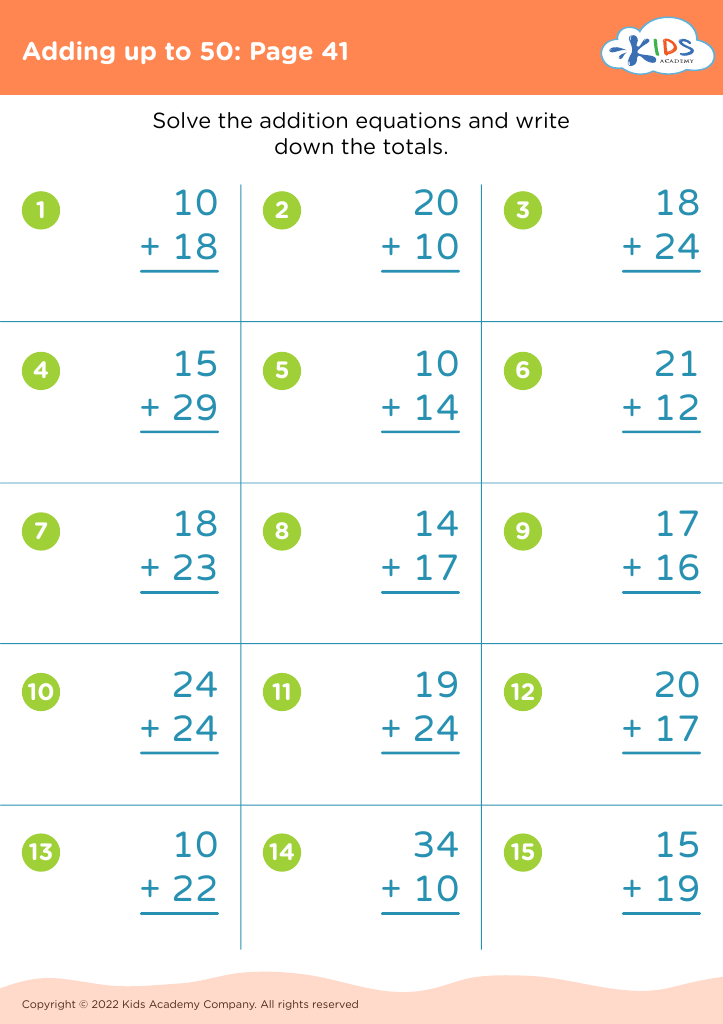
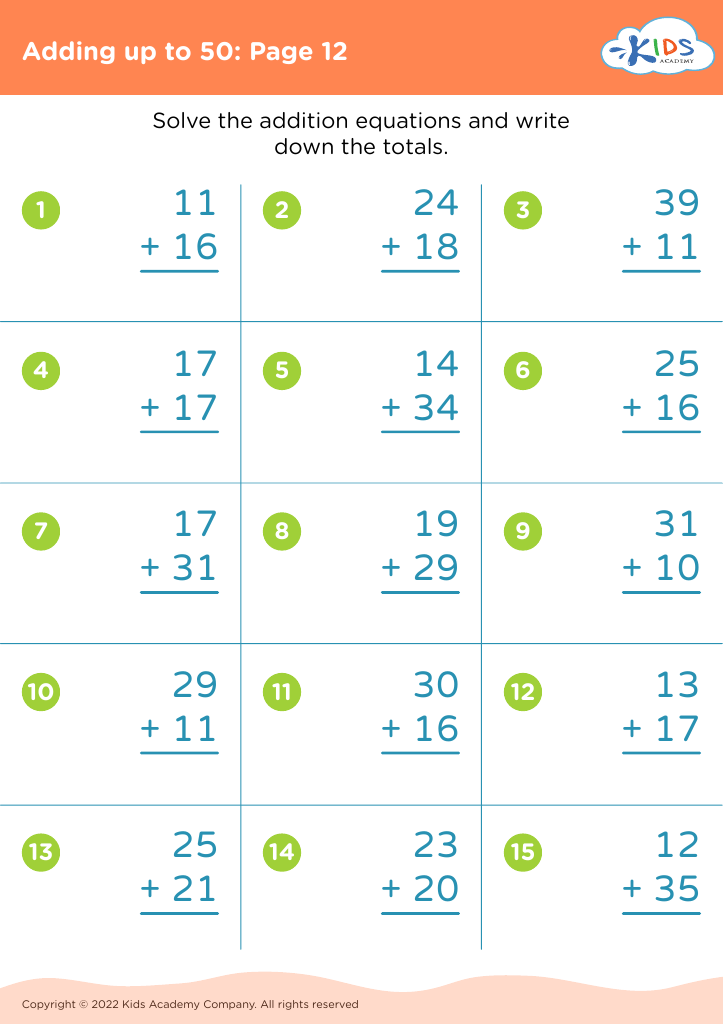
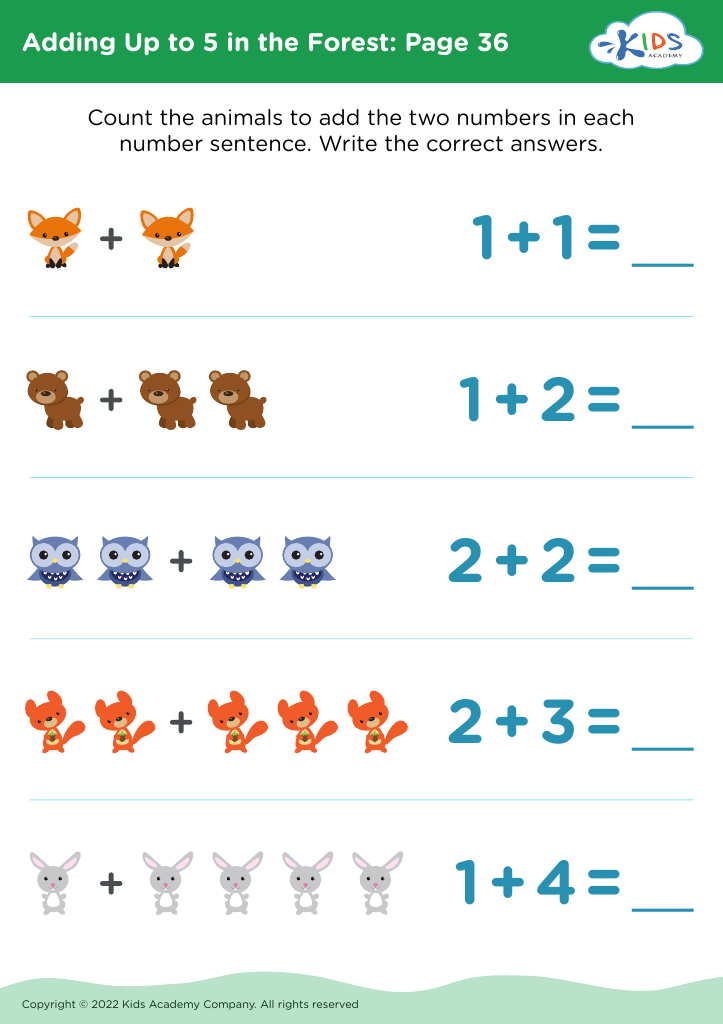
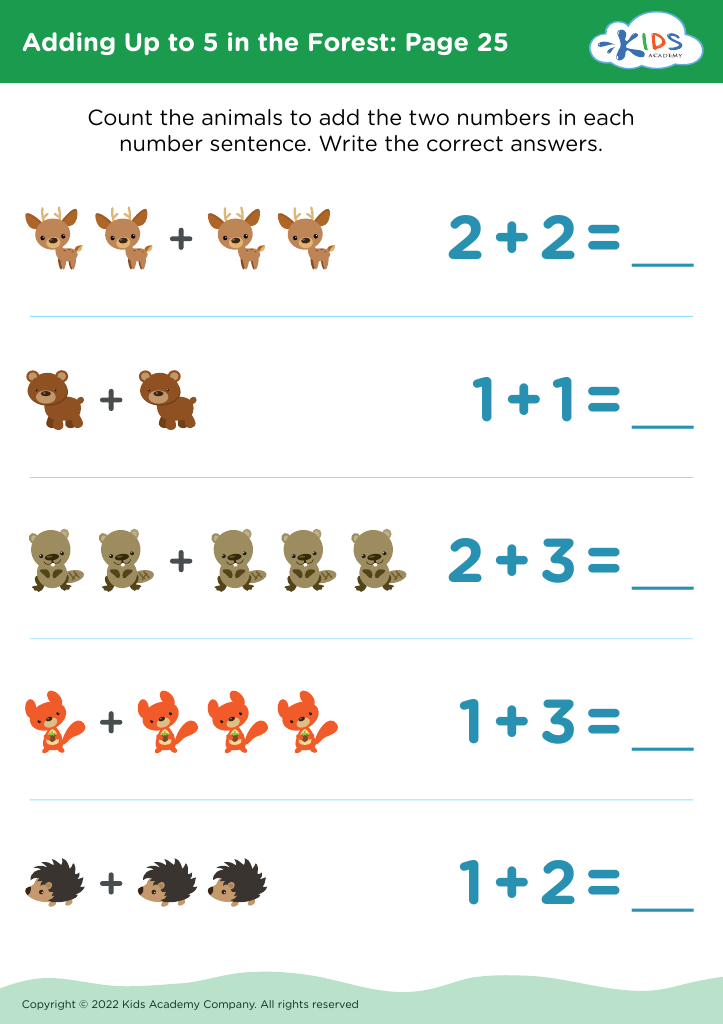
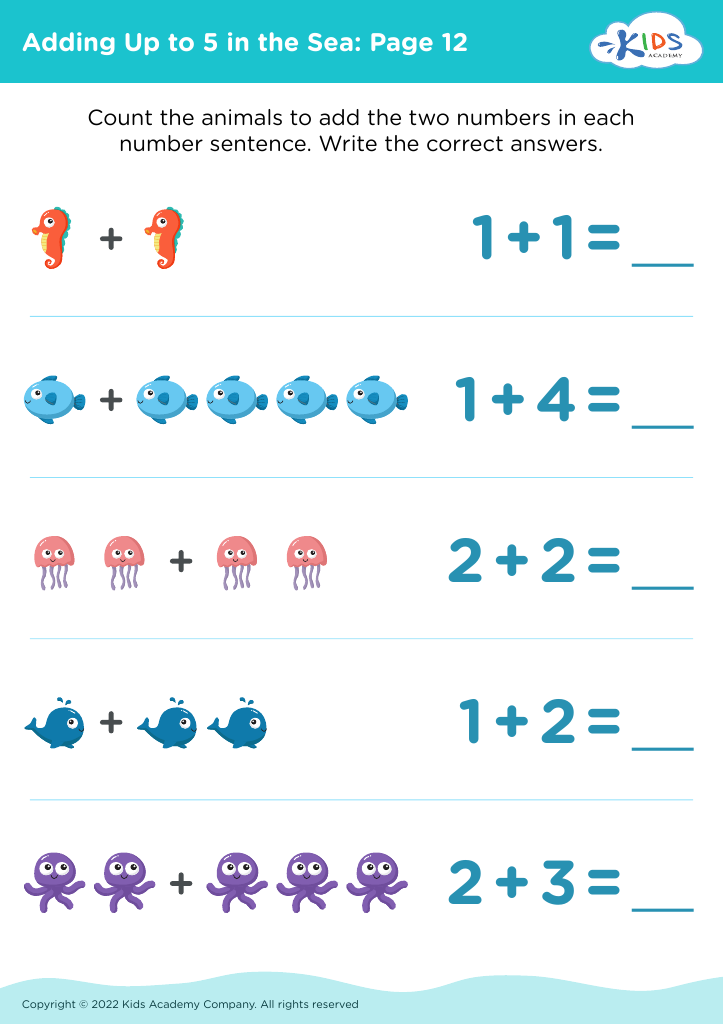
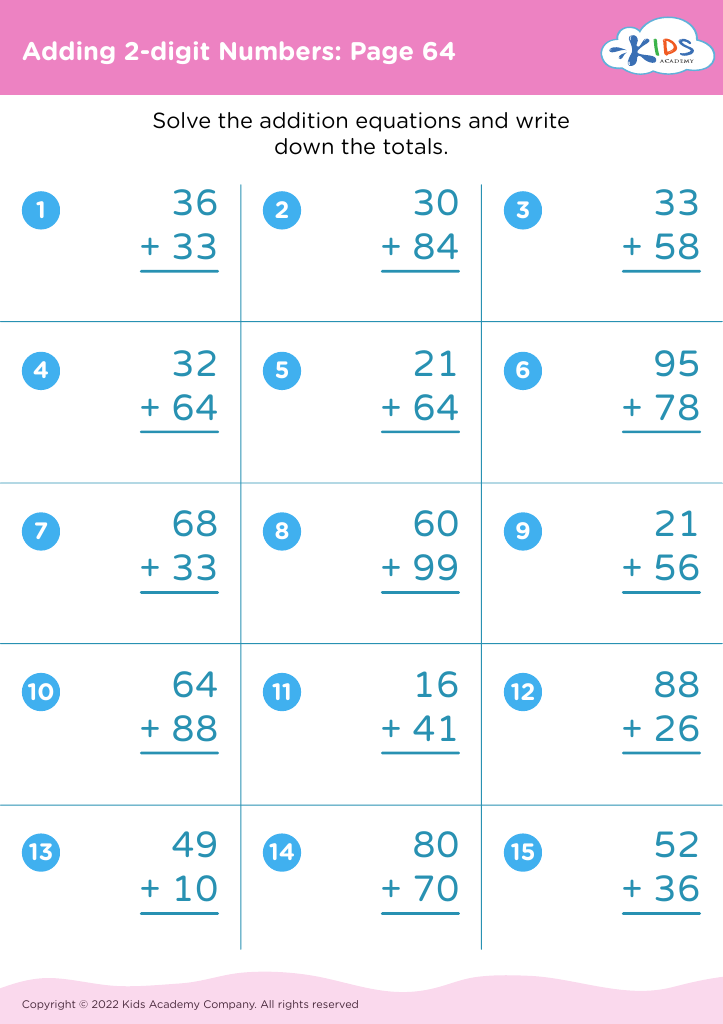
Enhance your child's fine motor skills while making math fun with our engaging Coloring Addition Worksheets! Designed for children ages 5-9, these worksheets combine learning addition concepts with creative expression. Kids can practice basic addition problems while using their imagination to color in vibrant illustrations related to each equation. This hands-on approach not only reinforces math skills but also improves hand-eye coordination and dexterity. Ideal for classroom or home learning, these printable resources provide a stimulating and interactive way for young learners to strengthen their skills. Download our Fine Motor Skills Coloring Worksheets today and watch your child's confidence in math flourish!




.jpg)


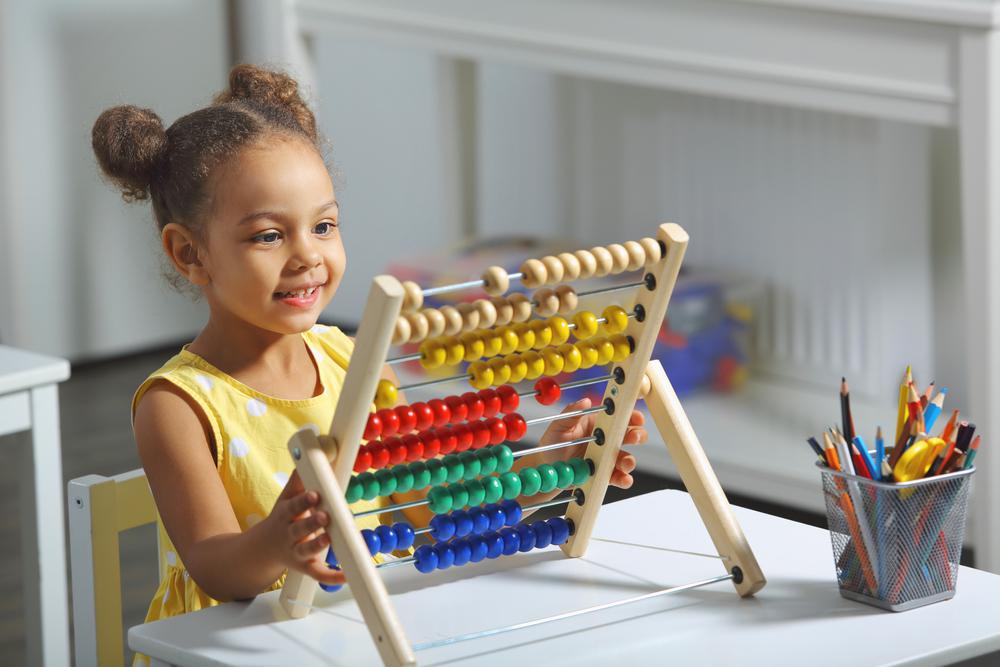
Fine motor skills are essential for children's overall development, particularly between the ages of 5 to 9, where they play a critical role in academic and everyday tasks. Engaging in activities such as coloring and adding helps children refine their hand-eye coordination, finger dexterity, and control over writing tools. As children practice these skills, they learn to manipulate crayons or pencils more effectively, which lays the foundation for writing, drawing, and other critical tasks they will encounter in school.
Additionally, fine motor skills are closely linked to cognitive development. Coloring encourages focus and attention, promoting cognitive processes like color recognition, spatial awareness, and visual-motor integration. Adding numbers during this age range instills foundational math skills through hands-on practice, enhancing their understanding of numeracy and problem-solving.
Moreover, participation in fine motor activities fosters creativity and expression, allowing children to explore emotions and ideas visually. By supporting the development of these skills, parents and teachers can create an enriched learning environment that encourages confidence, independence, and critical thinking.
Thus, prioritizing fine motor skills in early education helps prepare children for future academic success and practical, everyday tasks, ultimately facilitating their growth and development.








