Filters

29 filtered results

Clear all filters
Favorites
With answer key
Interactive

29 filtered results

Difficulty Level

Grade


Discover our engaging Fraction Comparison Addition Worksheets designed specifically for children aged 5-9! These user-friendly, printable resources will help young learners grasp the concept of fractions while developing their addition skills. Featuring colorful visuals and easy-to-follow exercises, our worksheets offer an interactive approach to learning about fraction sizes and comparisons. Each activity is tailored to foster critical thinking and enhance mathematical confidence. Perfect for parents and educators alike, these worksheets can be used at home or in the classroom to reinforce math concepts in a fun and relatable way. Start your child's journey to mastering fractions today!
Check out this FREE Trial Lesson on Addition for age 5-9!

T

Favorites
With answer key
Interactive
  • 5-9
  • Fraction comparison
  • Addition
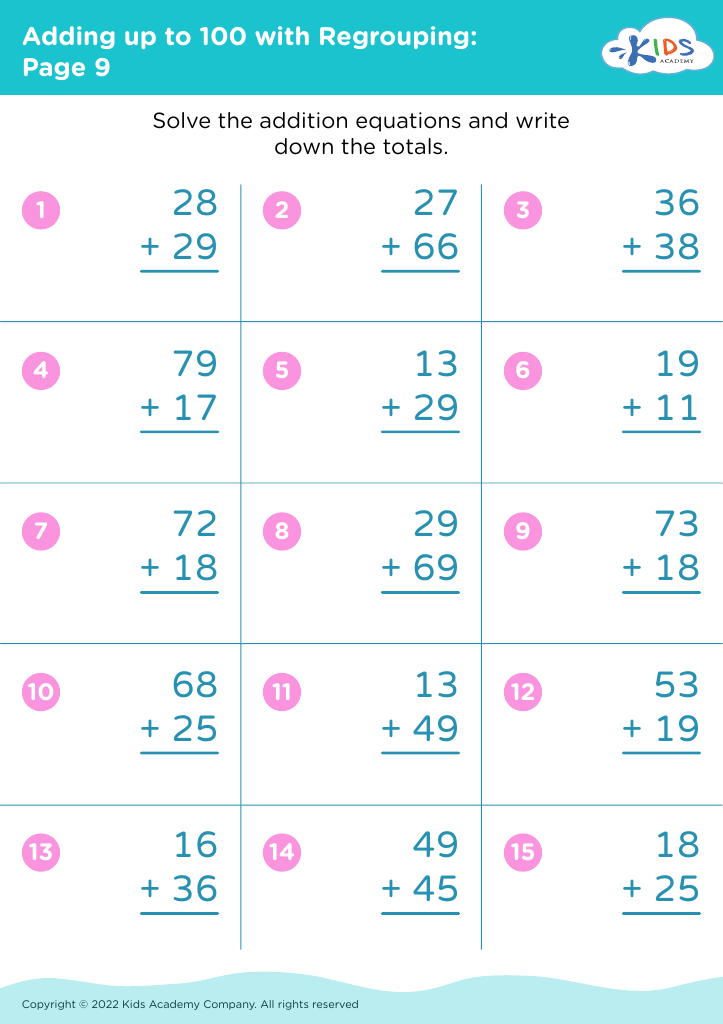
Adding up to 100 with Regrouping: Page 9
Worksheet
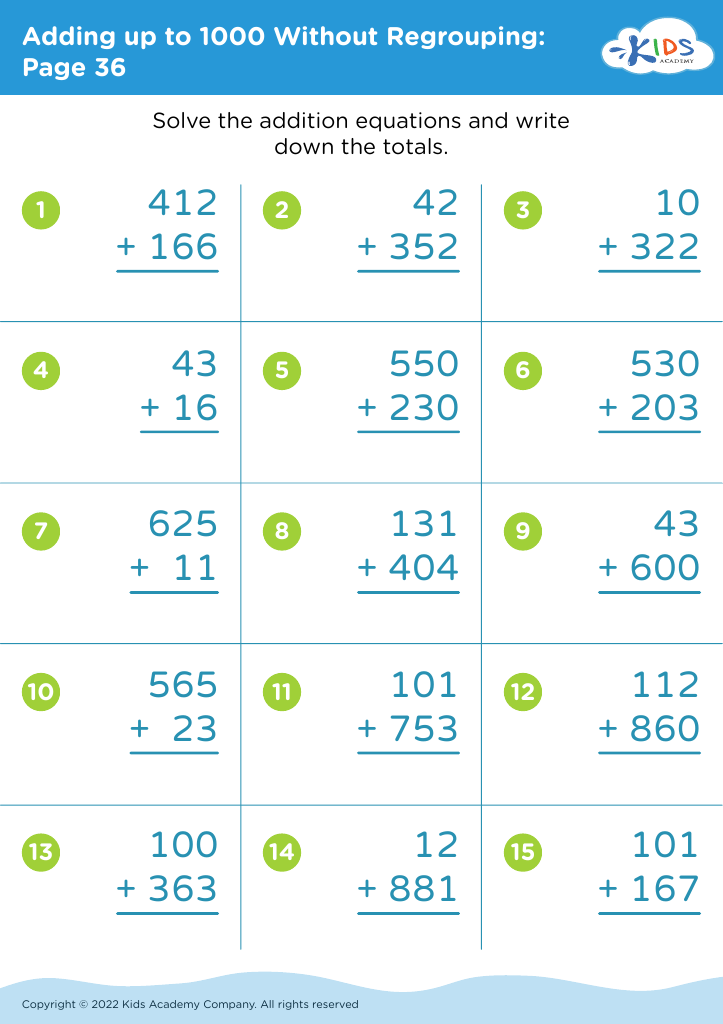
Adding up to 1000 Without Regrouping: Page 36
Worksheet
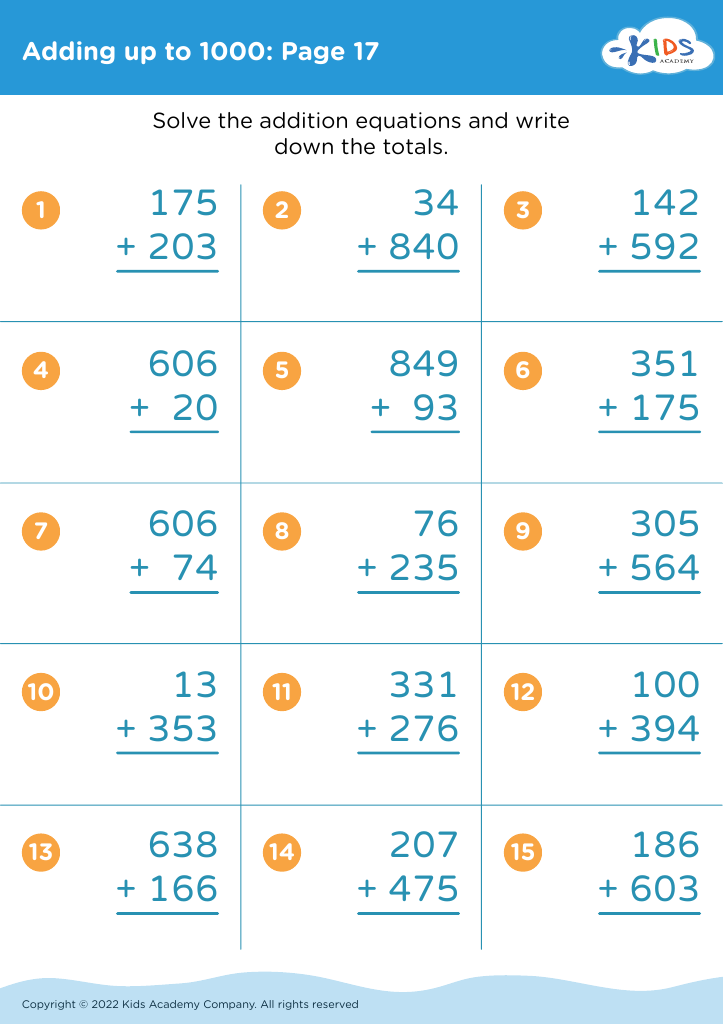
Adding up to 1000: Page 17

Adding up to 1000: Page 17

Adding up to 1000: Page 17
Worksheet
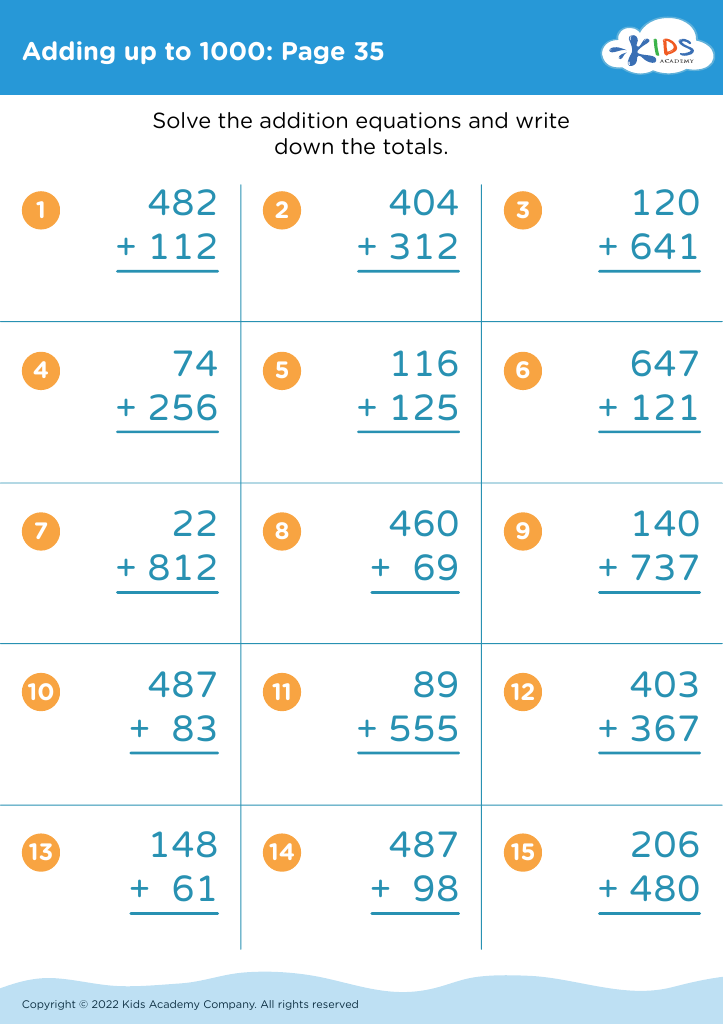
Adding up to 1000: Page 35

Adding up to 1000: Page 35

Adding up to 1000: Page 35
Worksheet
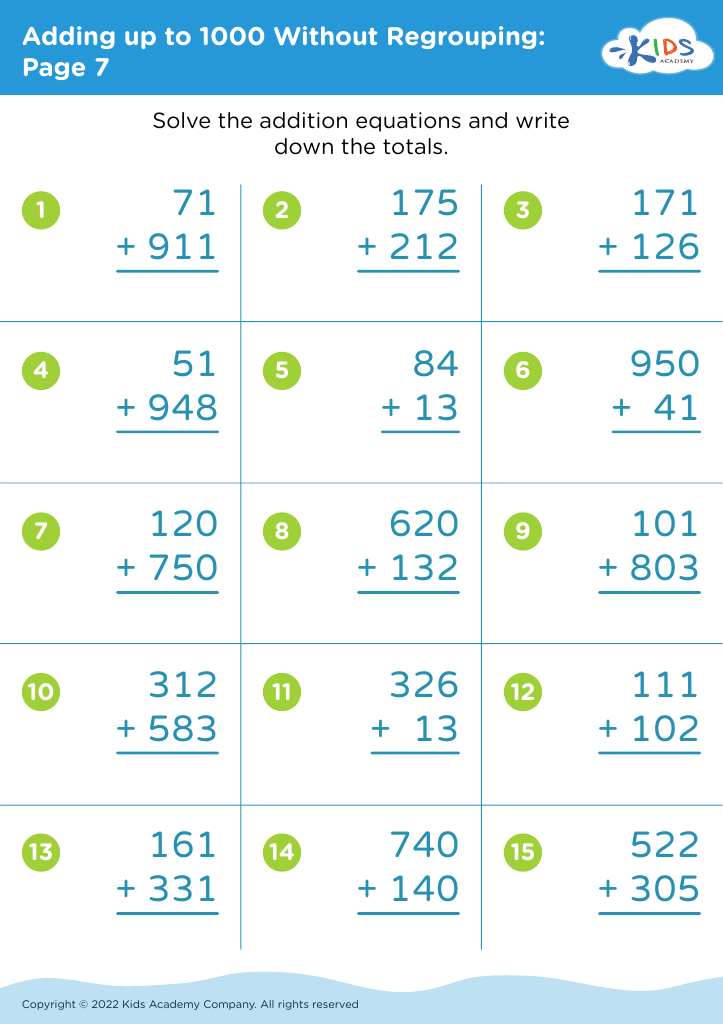
Adding up to 1000 Without Regrouping: Page 7
Worksheet
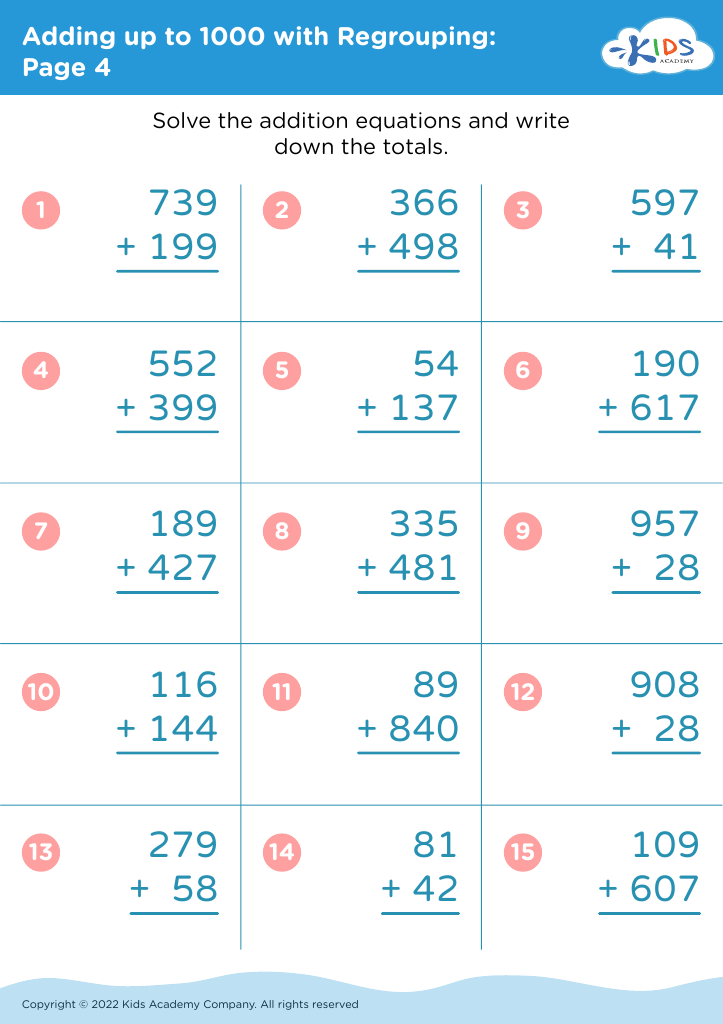
Adding up to 1000 with Regrouping: Page 4
Worksheet
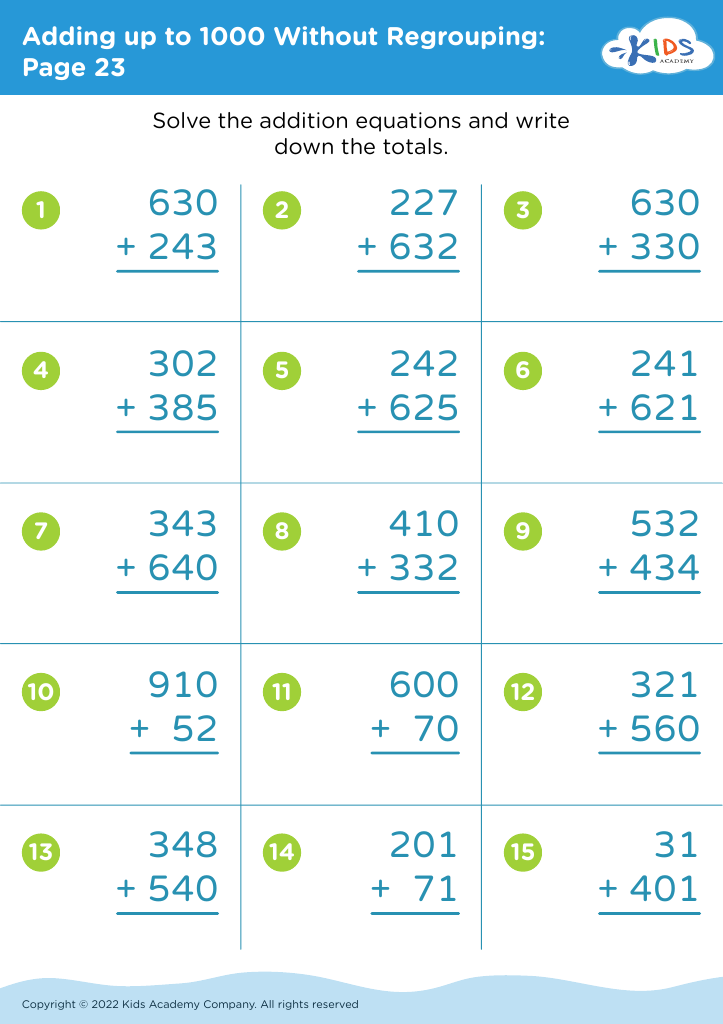
Adding up to 1000 Without Regrouping: Page 23
Worksheet
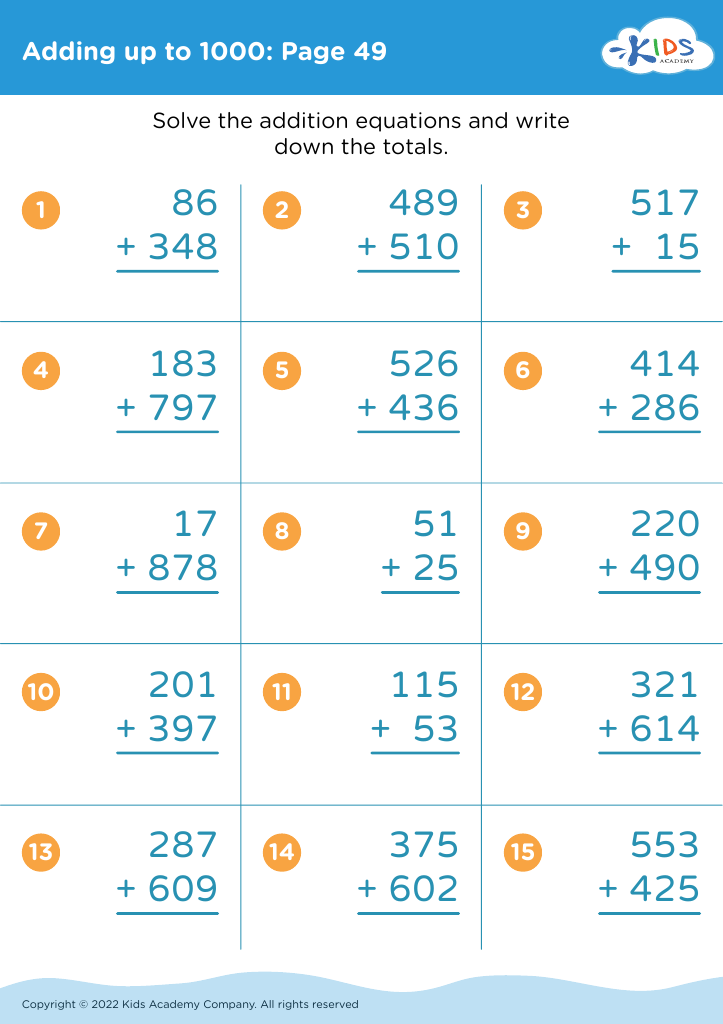
Adding up to 1000: Page 49

Adding up to 1000: Page 49

Adding up to 1000: Page 49
Worksheet
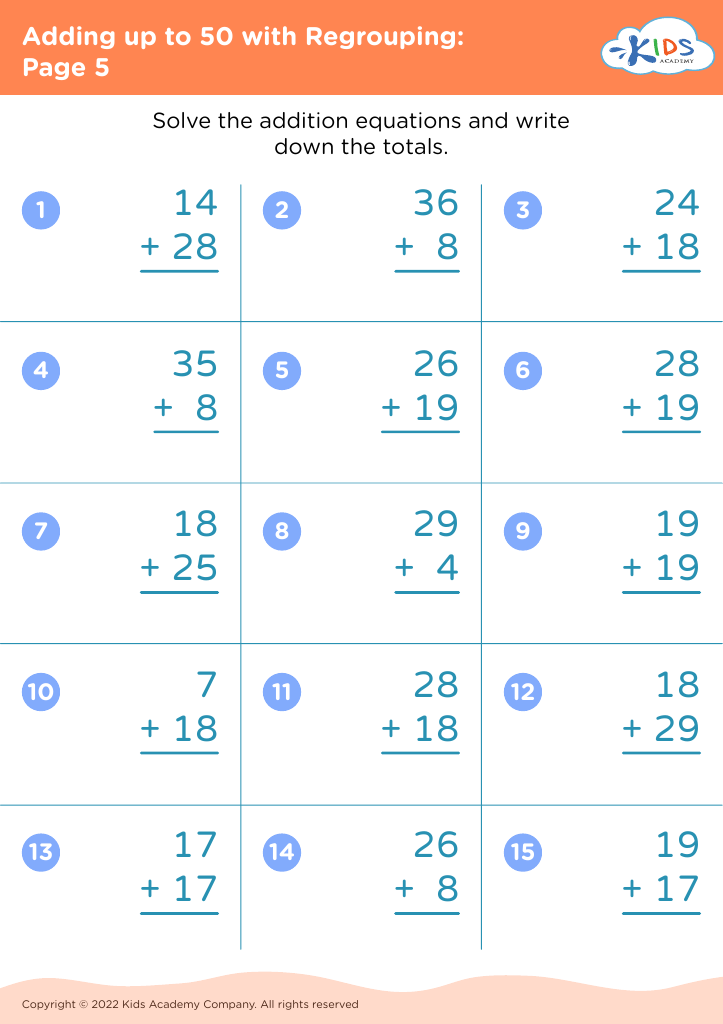
Adding up to 50 with Regrouping: Page 5
Worksheet
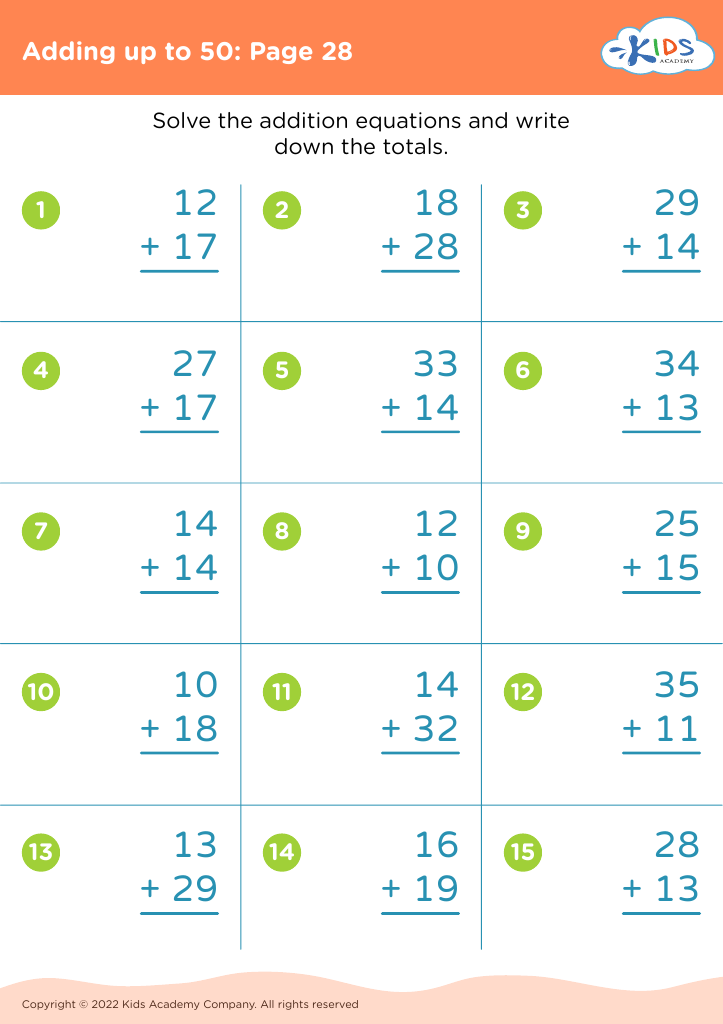
Adding up to 50: Page 28

Adding up to 50: Page 28

Adding up to 50: Page 28
Worksheet
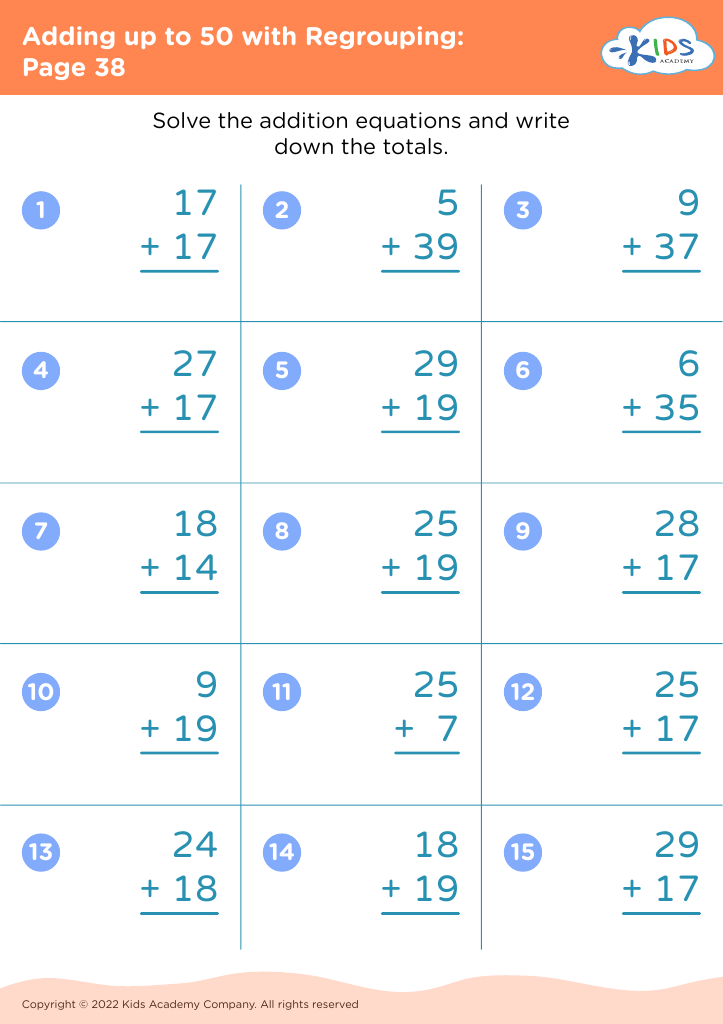
Adding up to 50 with Regrouping: Page 38
Worksheet
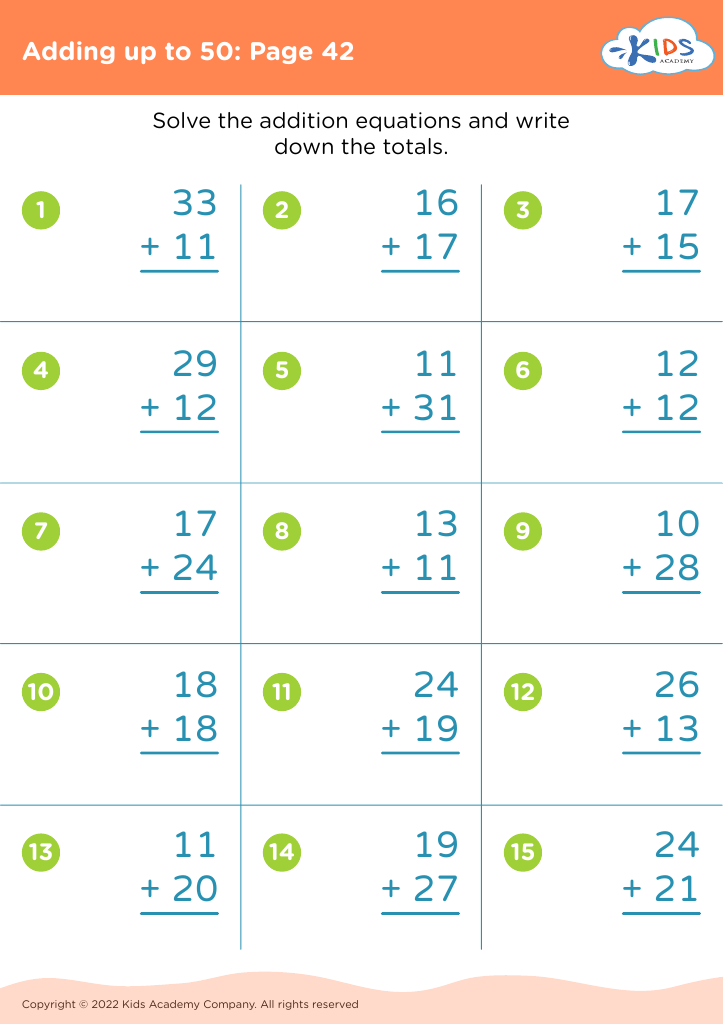
Adding up to 50: Page 42

Adding up to 50: Page 42

Adding up to 50: Page 42
Worksheet
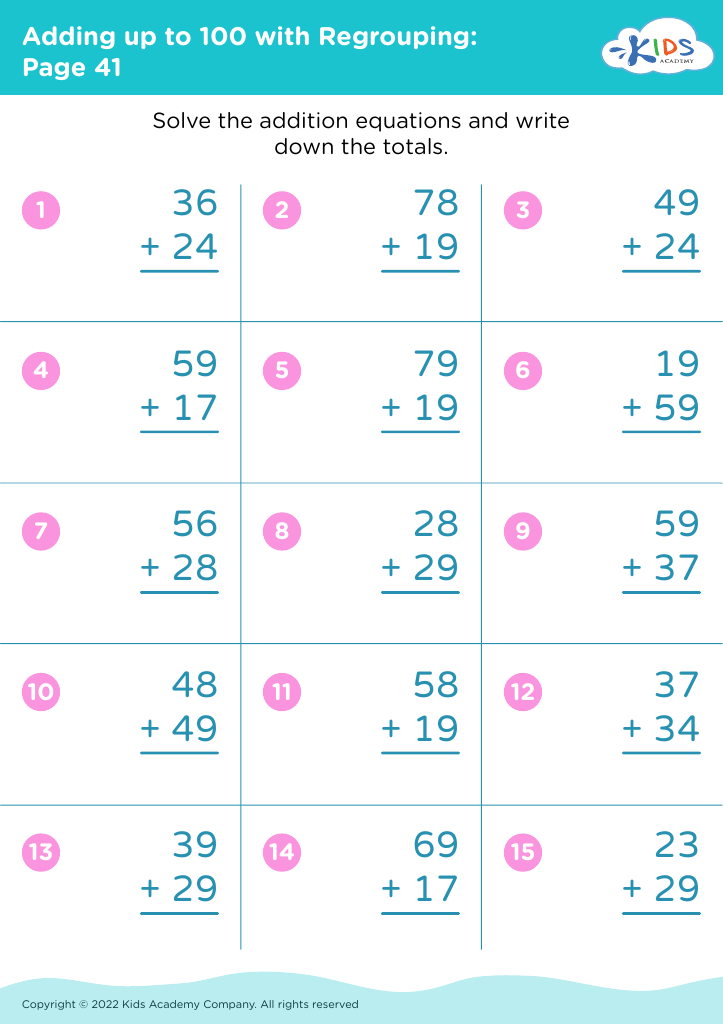
Adding up to 100 with Regrouping: Page 41
Worksheet
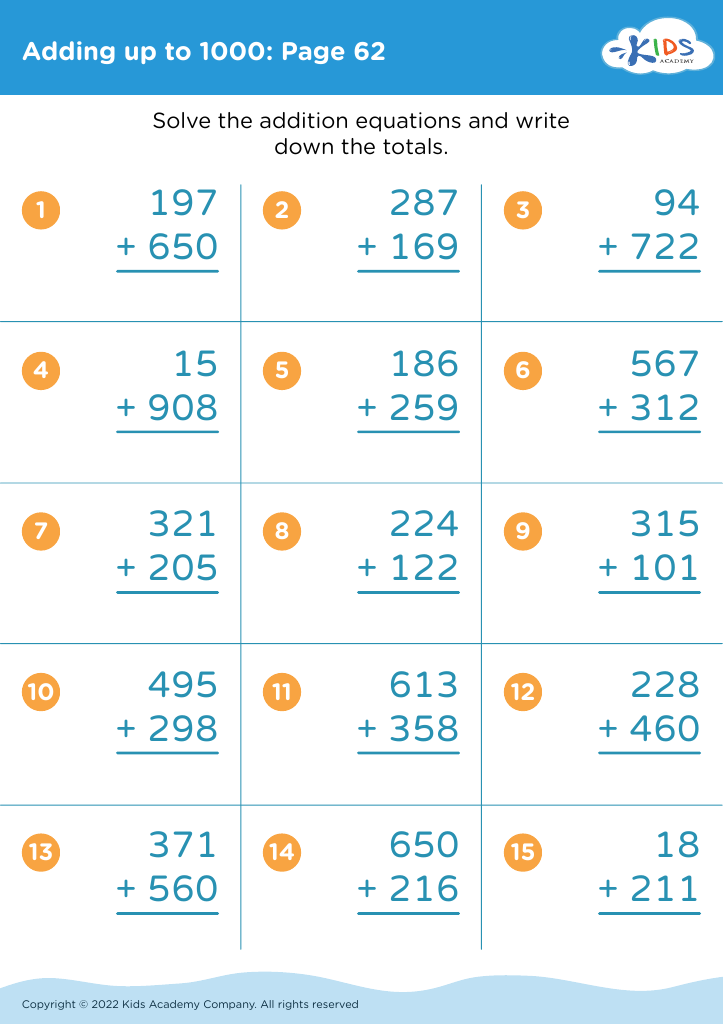
Adding up to 1000: Page 62

Adding up to 1000: Page 62

Adding up to 1000: Page 62
Worksheet
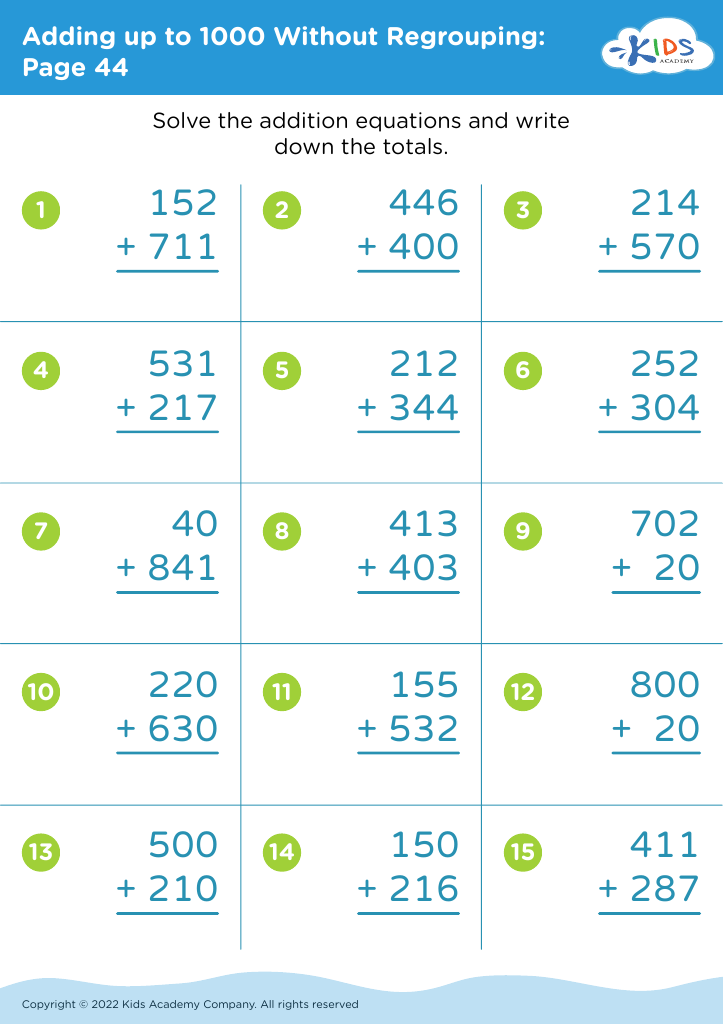
Adding up to 1000 Without Regrouping: Page 44
Worksheet
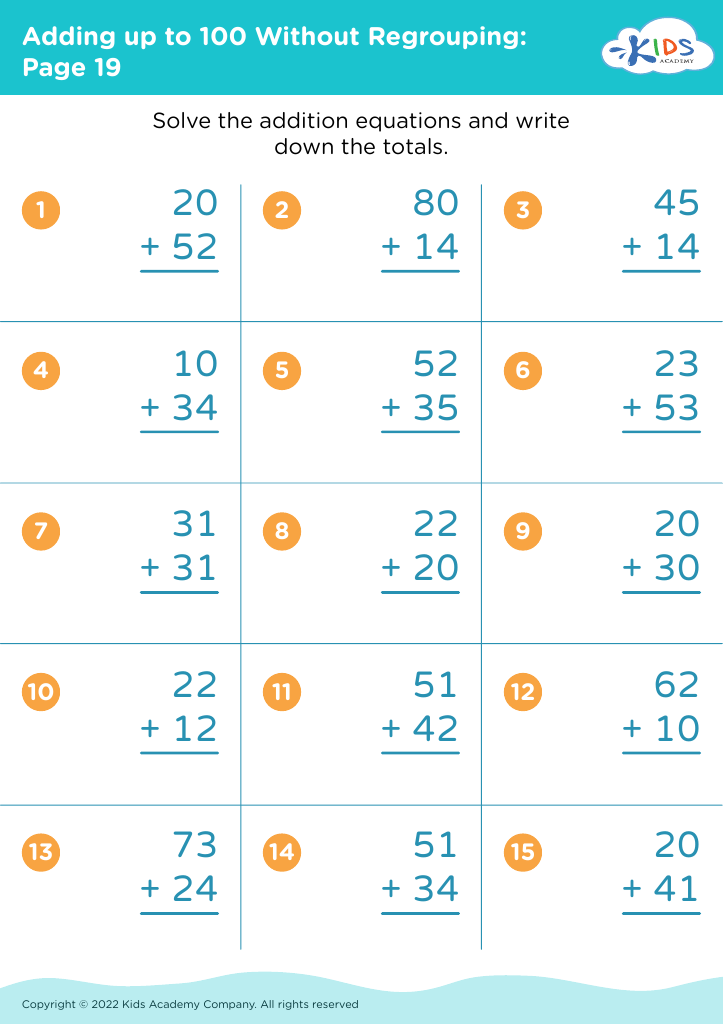
Adding up to 100 Without Regrouping: Page 19
Worksheet
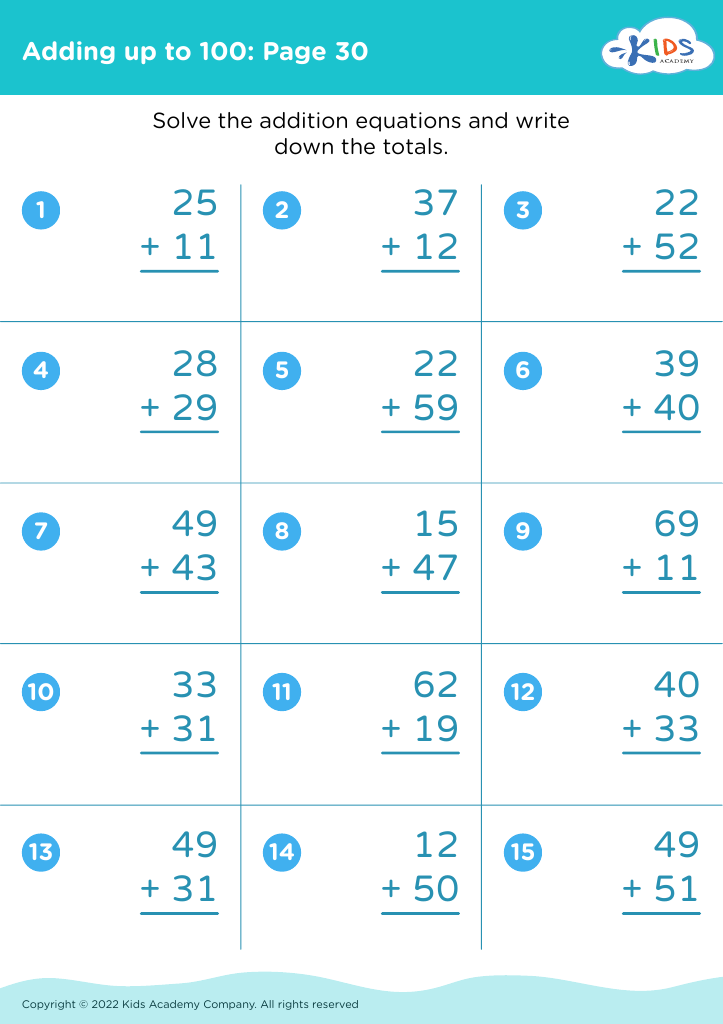
Adding up to 100: Page 30

Adding up to 100: Page 30

Adding up to 100: Page 30
Worksheet
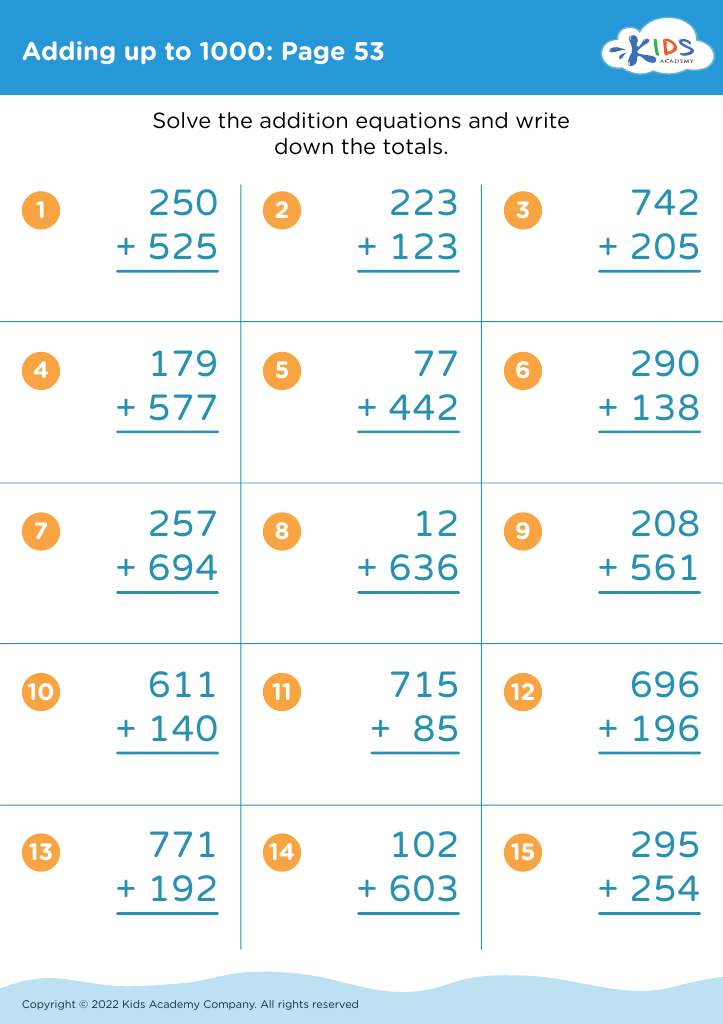
Adding up to 1000: Page 53

Adding up to 1000: Page 53

Adding up to 1000: Page 53
Worksheet
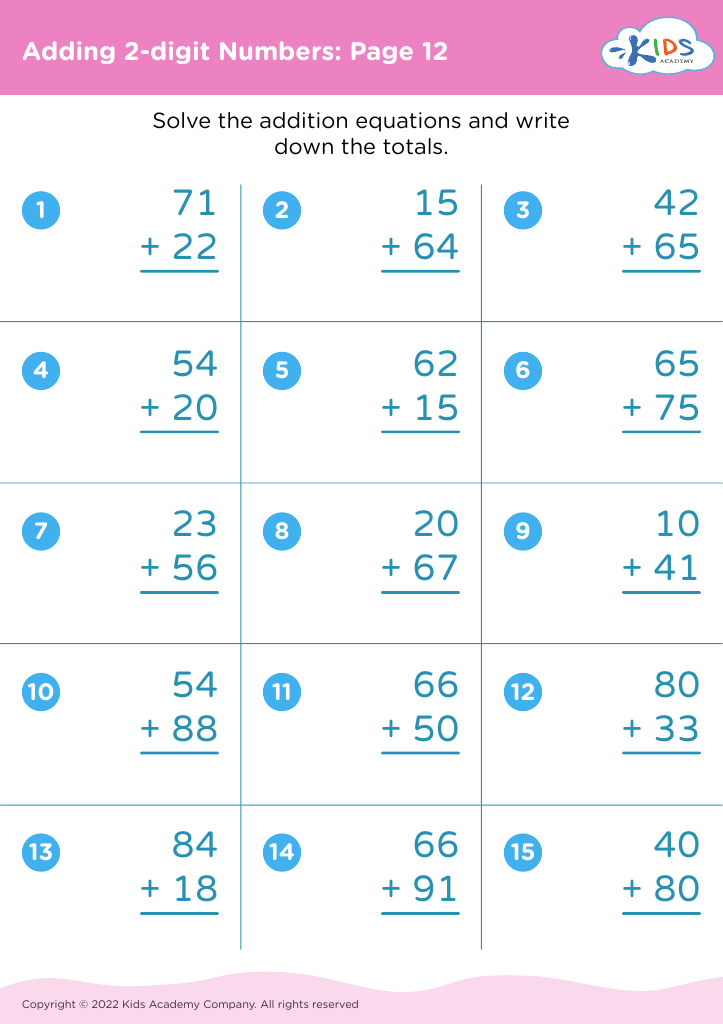
Adding 2-digit Numbers: Page 12

Adding 2-digit Numbers: Page 12

Adding 2-digit Numbers: Page 12
Worksheet
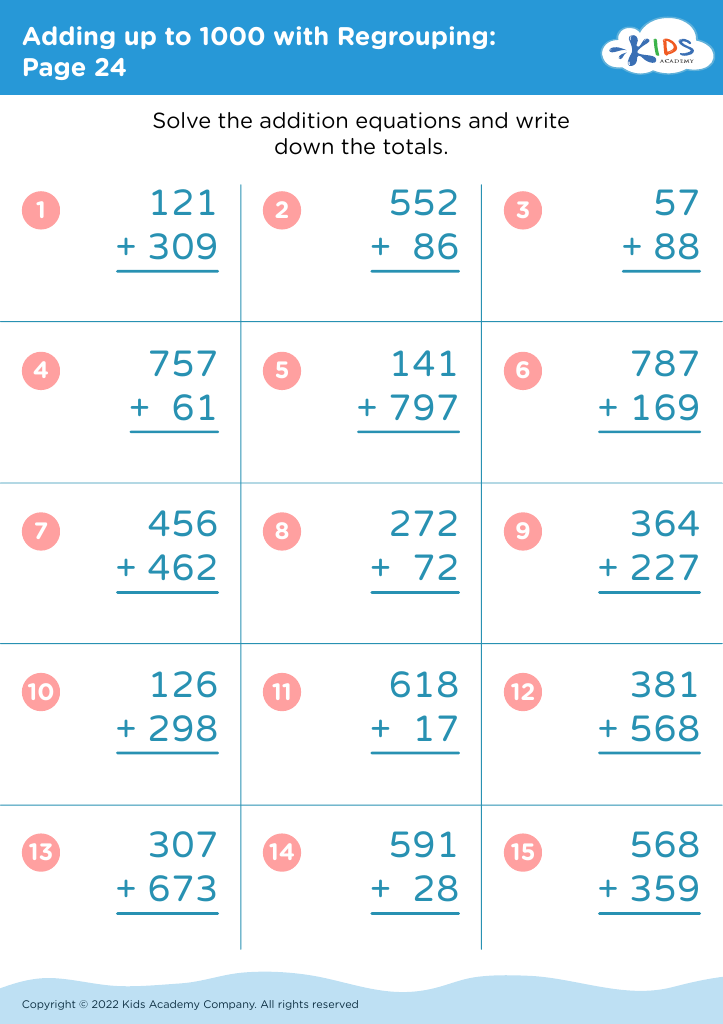
Adding up to 1000 with Regrouping: Page 24
Worksheet
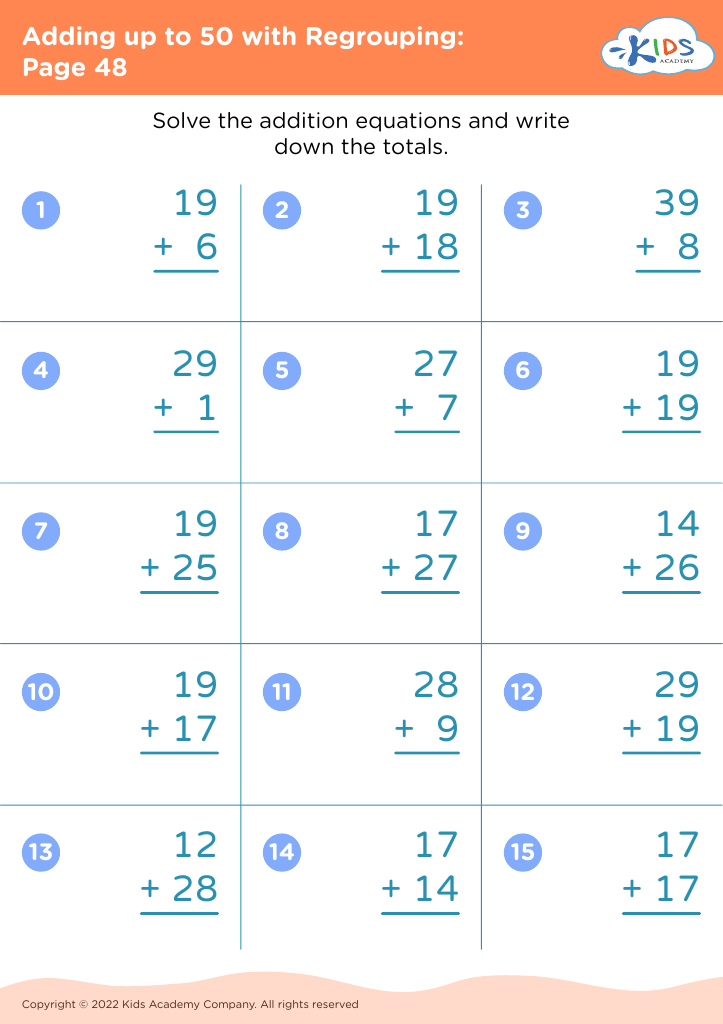
Adding up to 50 with Regrouping: Page 48
Worksheet
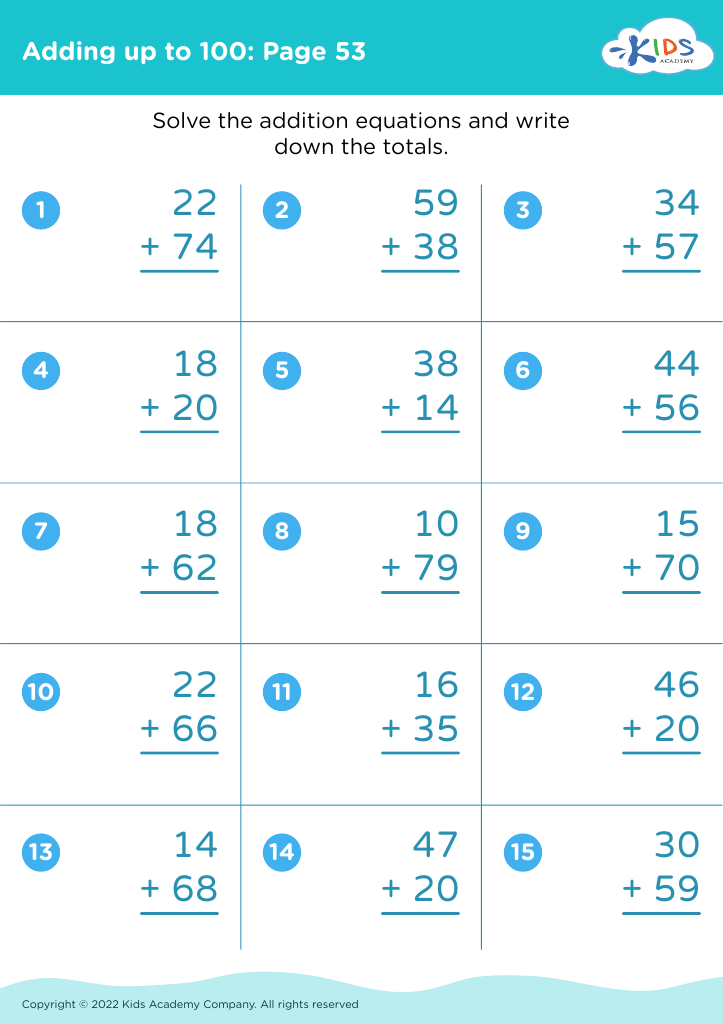
Adding up to 100: Page 53

Adding up to 100: Page 53

Adding up to 100: Page 53
Worksheet
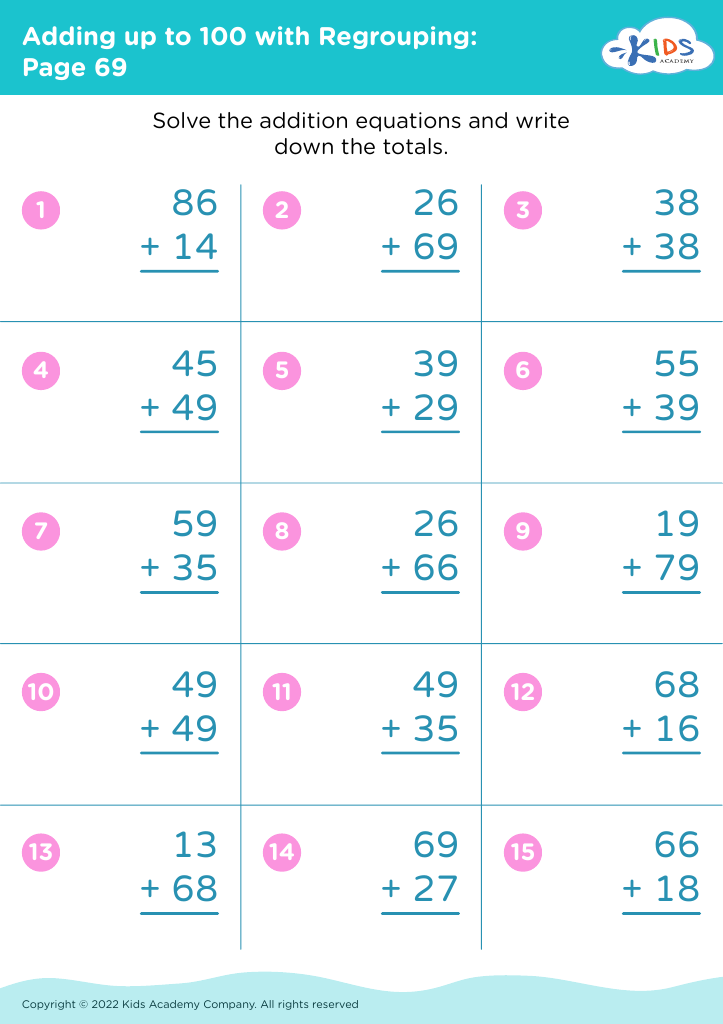
Adding up to 100 with Regrouping: Page 69
Worksheet
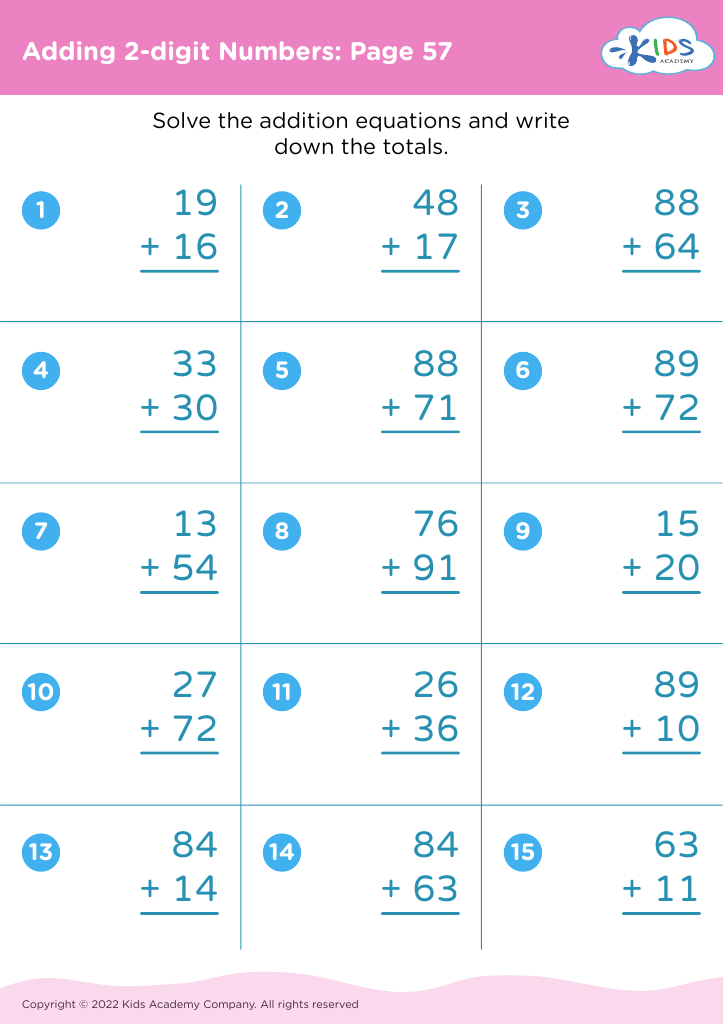
Adding 2-digit Numbers: Page 57

Adding 2-digit Numbers: Page 57

Adding 2-digit Numbers: Page 57
Worksheet


Understanding fraction comparison and addition is essential for children aged 5-9, as it lays the groundwork for their future mathematical education. At this developmental stage, children are beginning to grasp foundational concepts of numbers, quantity, and relationships between different quantities. Introducing fractions to young learners enables them to appreciate parts of a whole, fostering critical thinking and problem-solving skills.

For parents and teachers, emphasizing fraction comparison and addition cultivates a more profound numerical literacy in children, essential in everyday lives, such as sharing food or measuring ingredients. Engaging with fractions also nurtures skills that will be applicable in higher mathematics, including operations with larger fractions and decimals.

Moreover, introducing these concepts through intuitive, hands-on activities in a relatable context can significantly enhance engagement and comprehension. Activities like pie charts, pizza slices, or fraction games make learning enjoyable. This not only builds a positive attitude towards math but also strengthens children’s confidence and inquiry skills.

Ultimately, parents and educators who prioritize early fraction education contribute to a solid mathematical foundation, enabling students to navigate more complex topics with ease in the future. This early investment shapes capable learners who can confidently tackle mathematical challenges throughout their education.