Filters

32 filtered results

Clear all filters
Favorites
With answer key
Interactive

32 filtered results

Difficulty Level

Grade


Discover our engaging Shape Recognition Addition Worksheets designed for children aged 5-9! These printable activities seamlessly combine math and geometric learning, helping young learners bolster their addition skills while recognizing different shapes. Each worksheet features fun and colorful illustrations that captivate kids’ attention, making math enjoyable. With various levels of difficulty, these resources cater to diverse learning styles and help reinforce essential skills. Perfect for classroom settings or home use, our worksheets are ideal for fostering creativity and critical thinking while enhancing shape and number recognition. Give your child the tools to thrive in math and shape identification today!
Check out this FREE Trial Lesson on Addition for age 5-9!

My Family

Favorites
With answer key
Interactive
  • 5-9
  • Shape Recognition
  • Addition
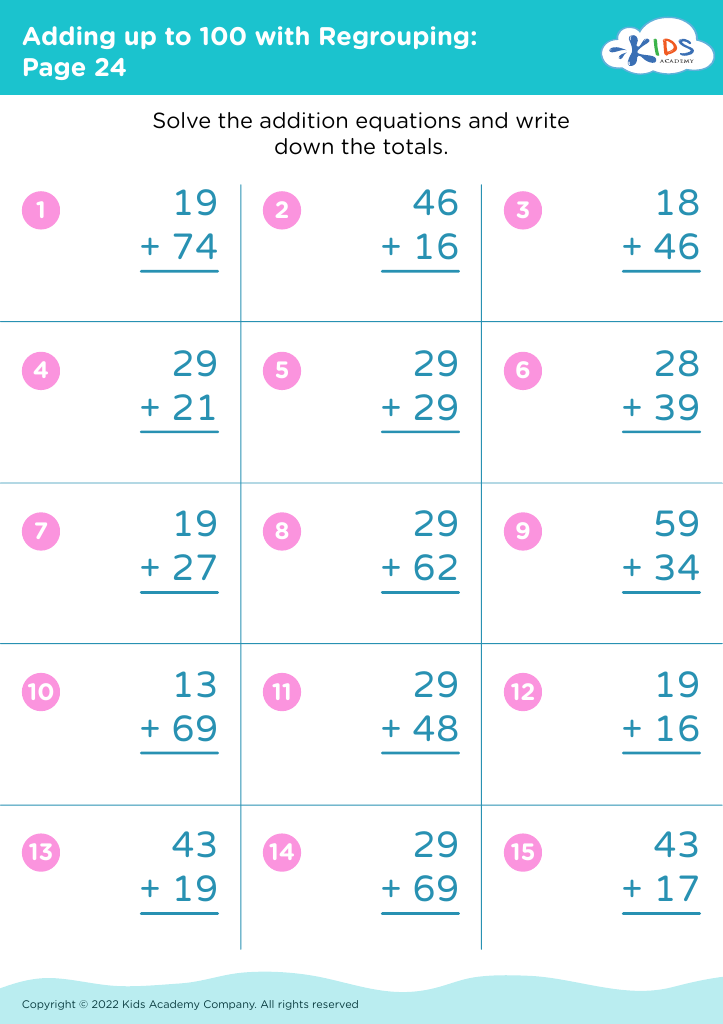
Adding up to 100 with Regrouping: Page 24
Worksheet
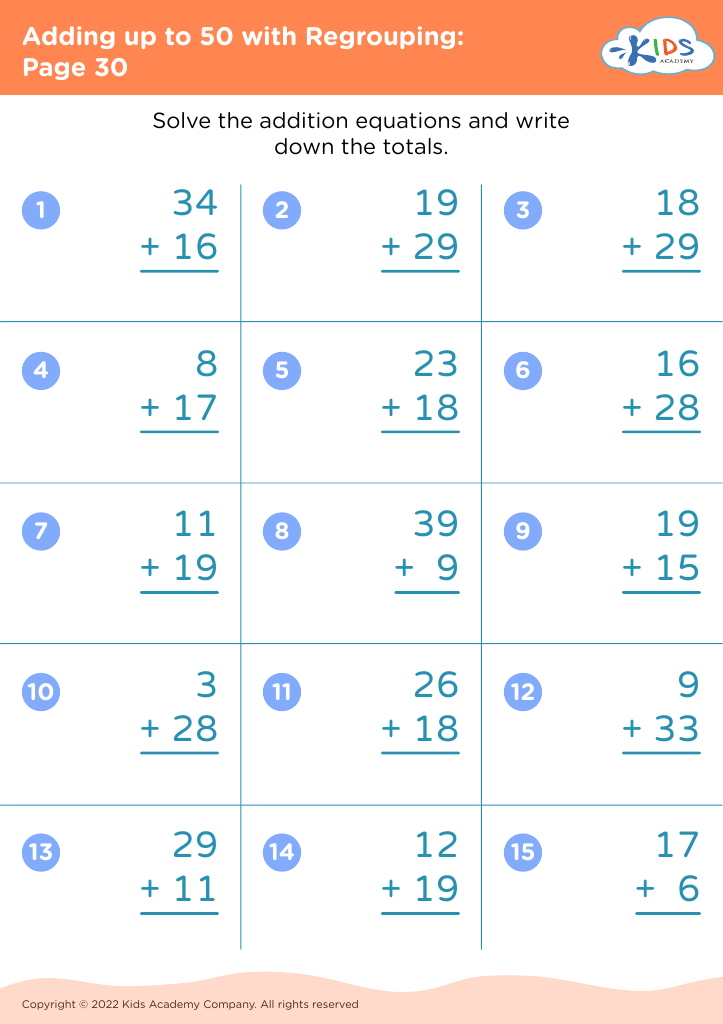
Adding up to 50 with Regrouping: Page 30
Worksheet
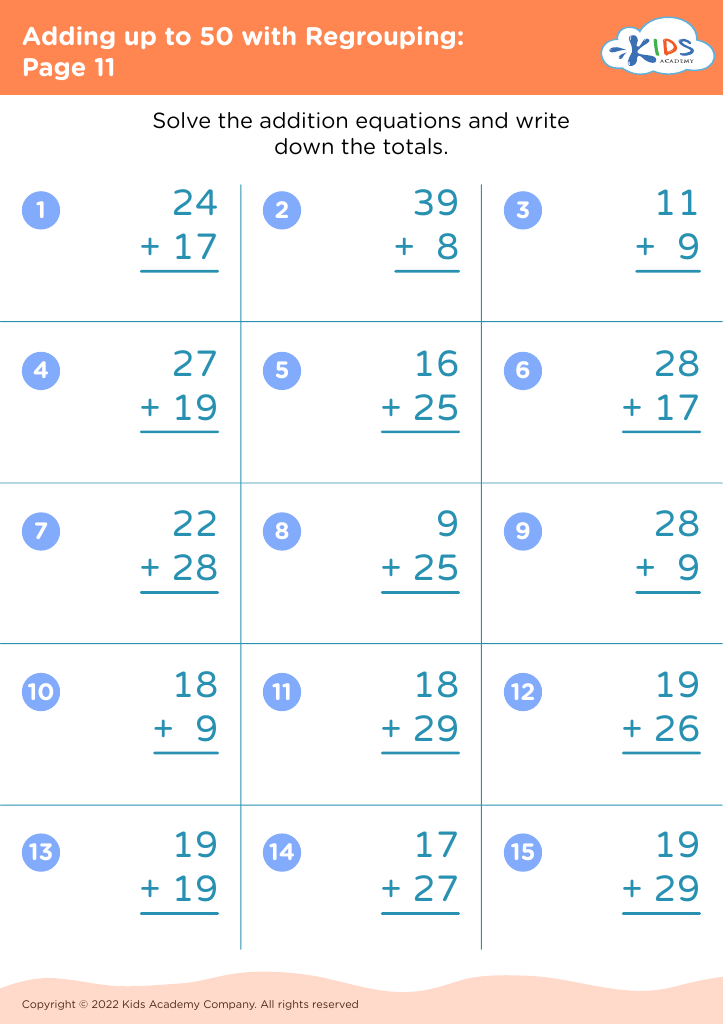
Adding up to 50 with Regrouping: Page 11
Worksheet
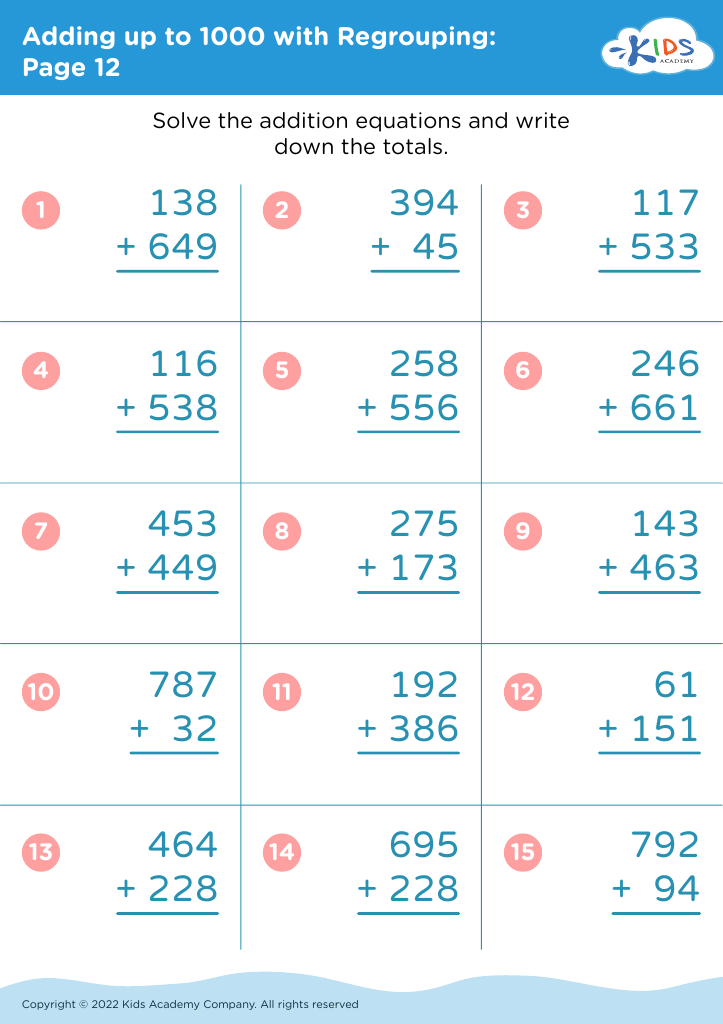
Adding up to 1000 with Regrouping: Page 12
Worksheet
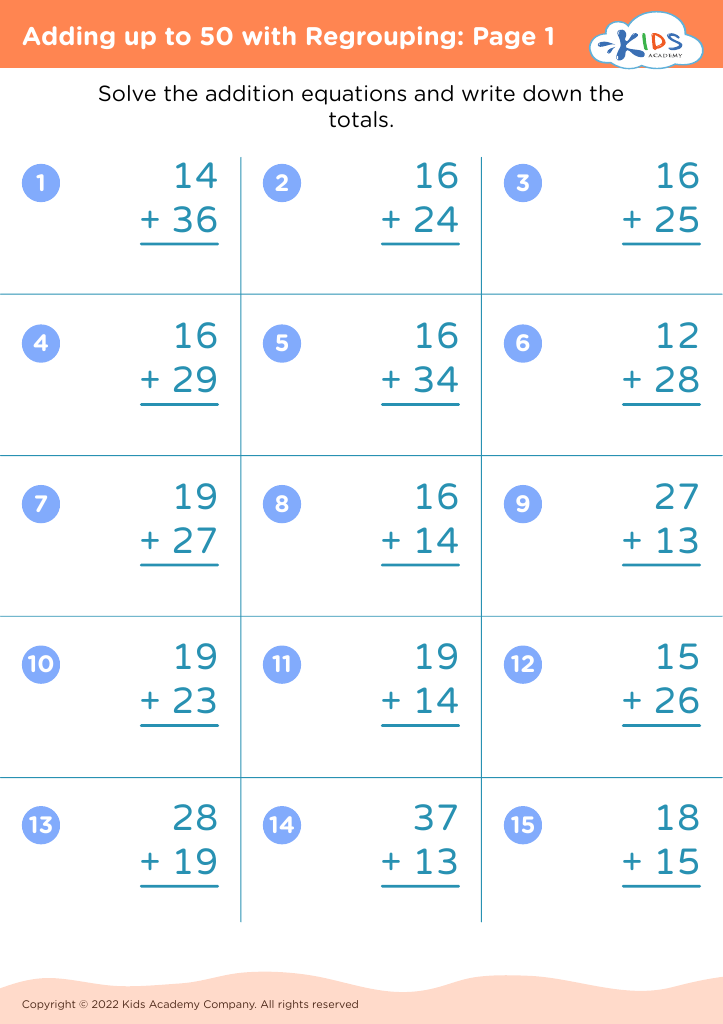
Adding up to 50 with Regrouping: Page 1
Worksheet
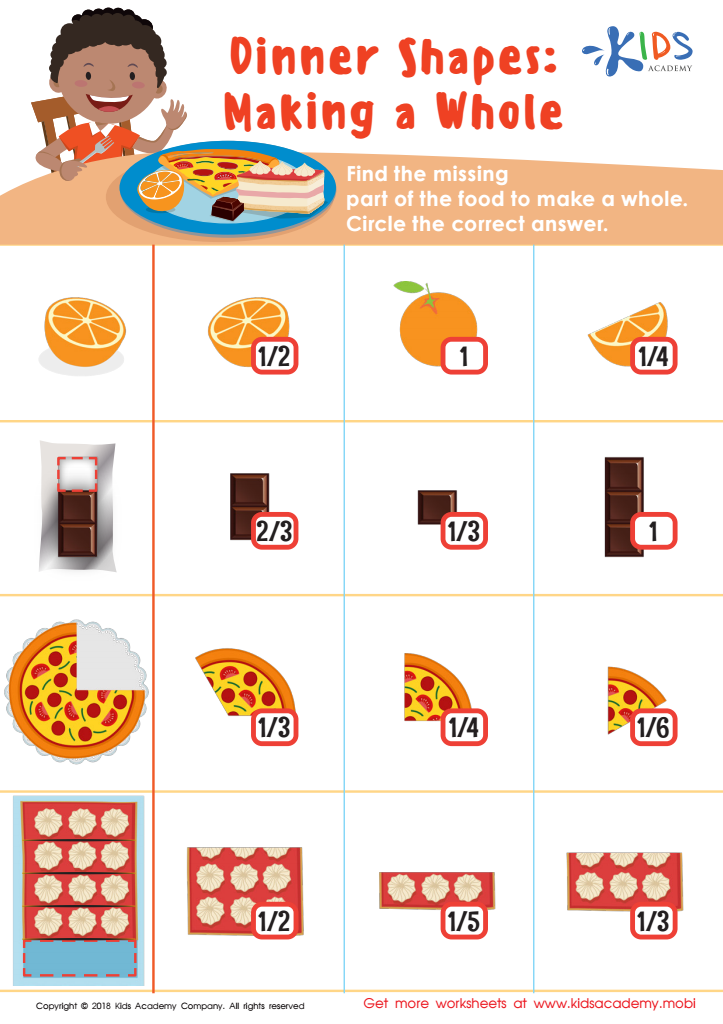
Dinner Shapes: Making a Whole Worksheet

Dinner Shapes: Making a Whole Worksheet

Using food and snacks to stimulate learning and interest in topics is a great strategy. Fractions can prove tricky, but this worksheet can help your child become an expert. Have them look for the missing parts of the food to make a whole, then circle the answer.
Dinner Shapes: Making a Whole Worksheet
Worksheet
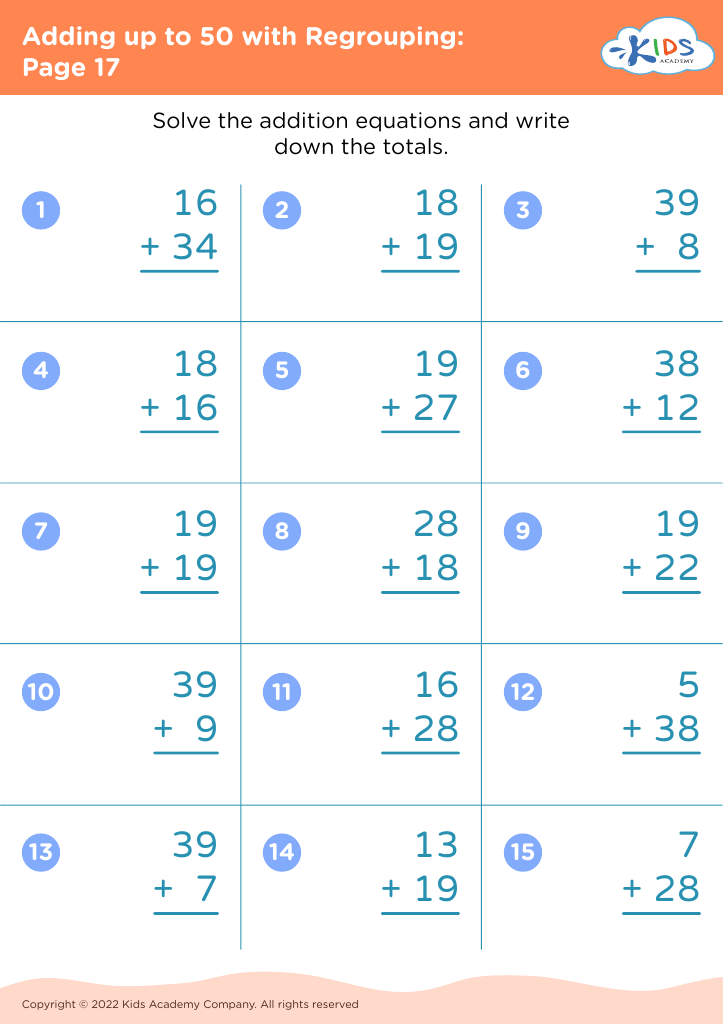
Adding up to 50 with Regrouping: Page 17
Worksheet
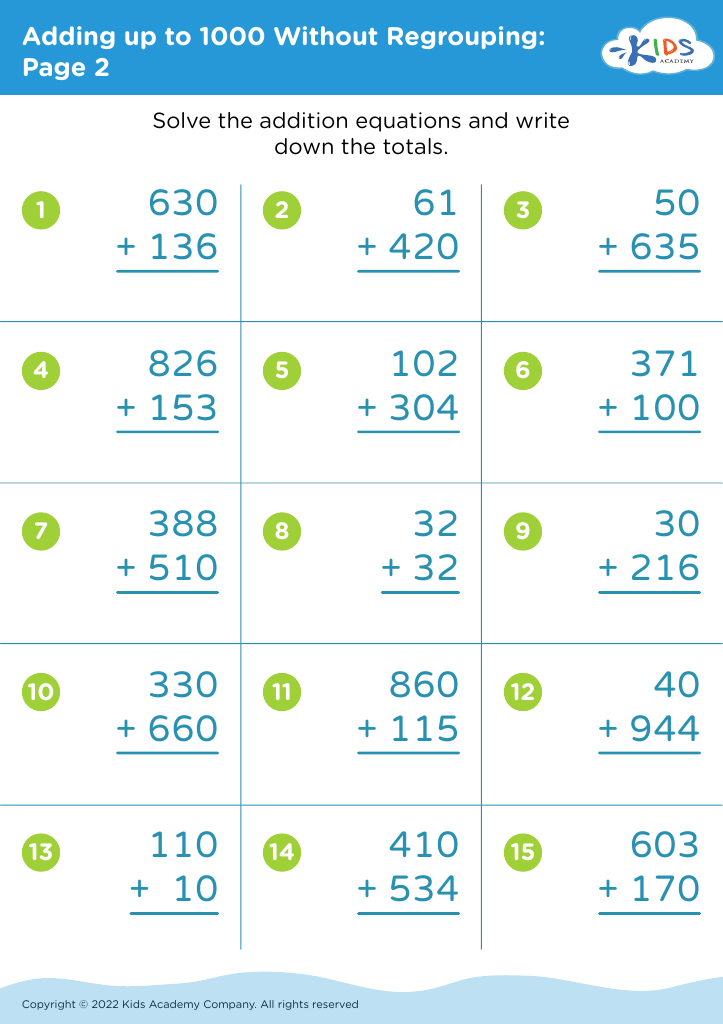
Adding up to 1000 Without Regrouping: Page 2
Worksheet
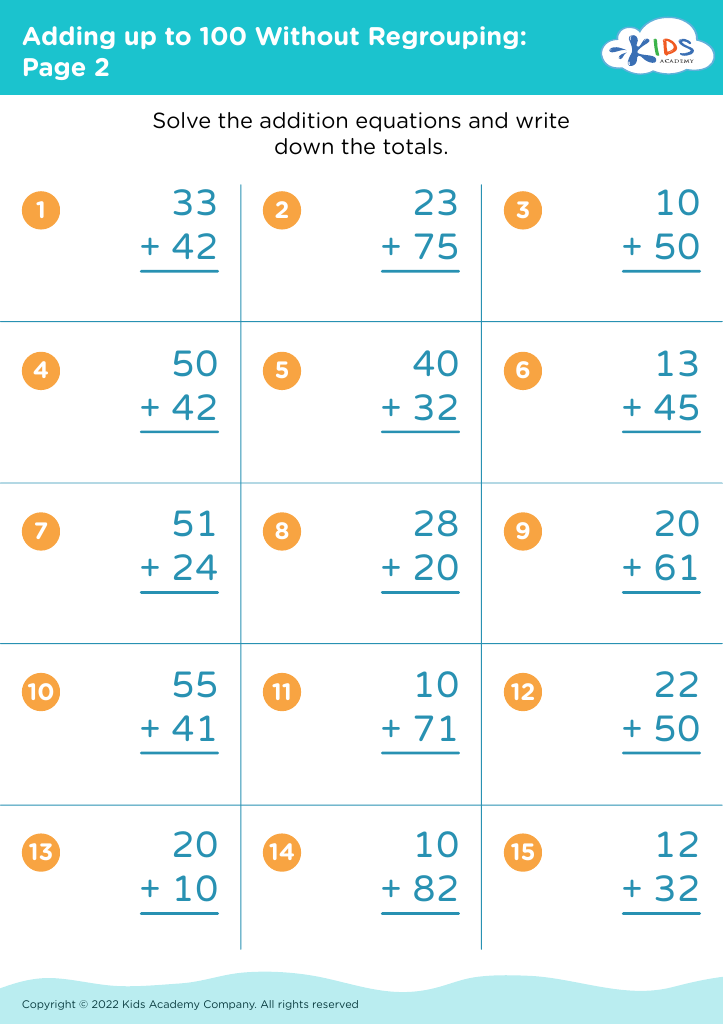
Adding up to 100 Without Regrouping: Page 2
Worksheet
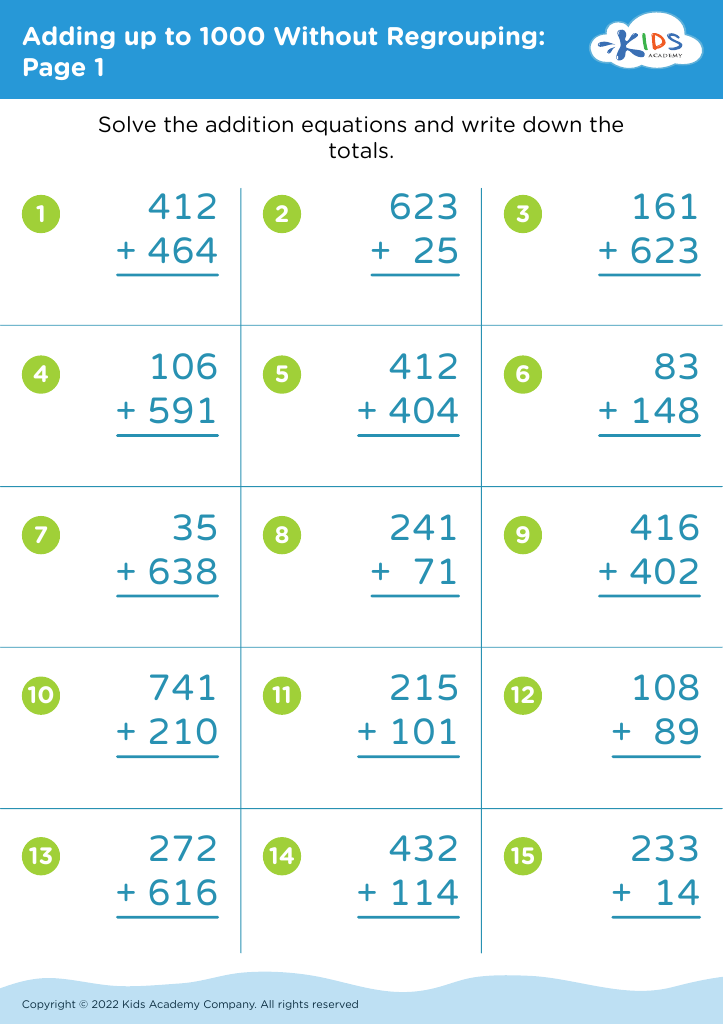
Adding up to 1000 Without Regrouping: Page 1
Worksheet
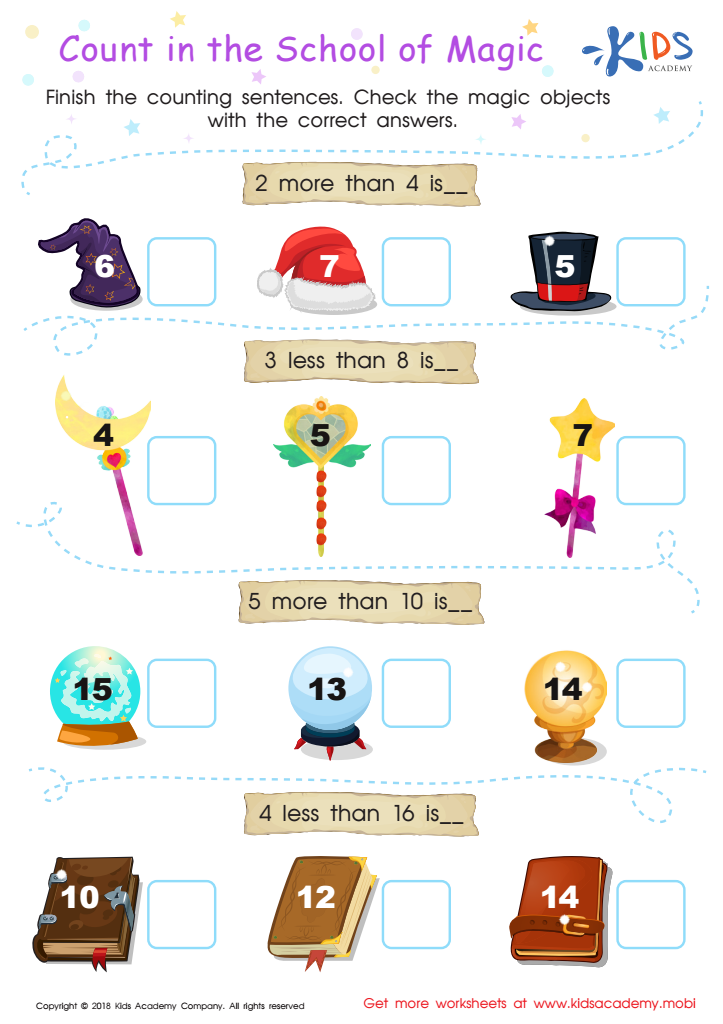
Count in the School of Magic Worksheet
Count in the School of Magic Worksheet
Your math learners can explore the School of Magic with this worksheet. They'll read equations with addition and subtraction numbers under 20, count back and forth to find the answer, then complete the counting sentences. Fun pictures and easy accuracy make it an enjoyable and successful learning experience.
Count in the School of Magic Worksheet
Worksheet
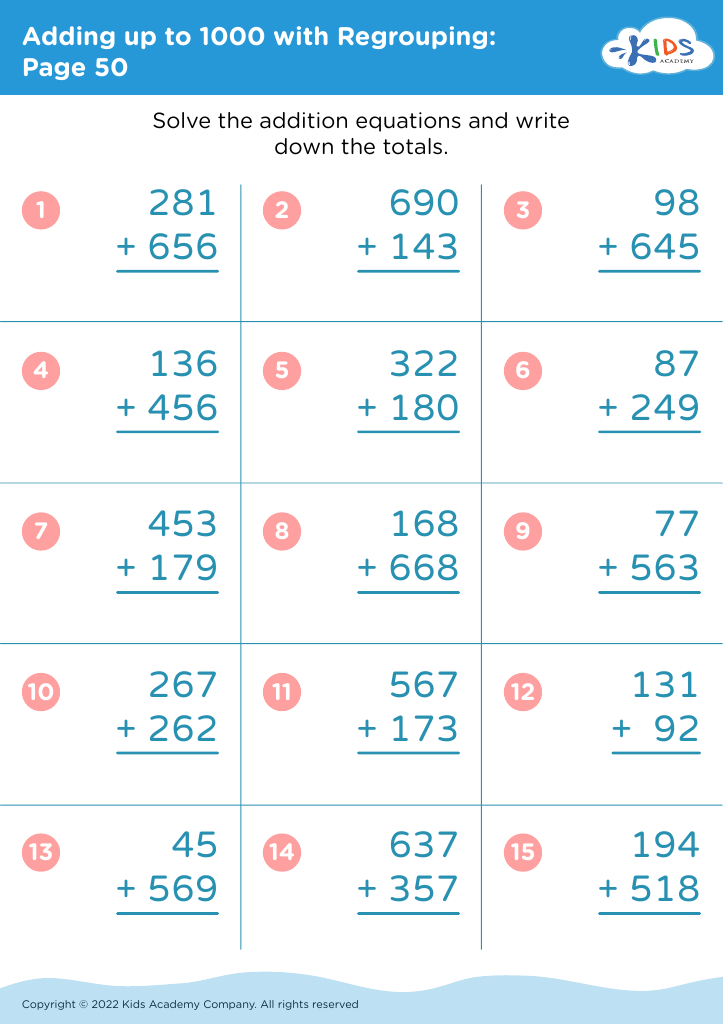
Adding up to 1000 with Regrouping: Page 50
Worksheet
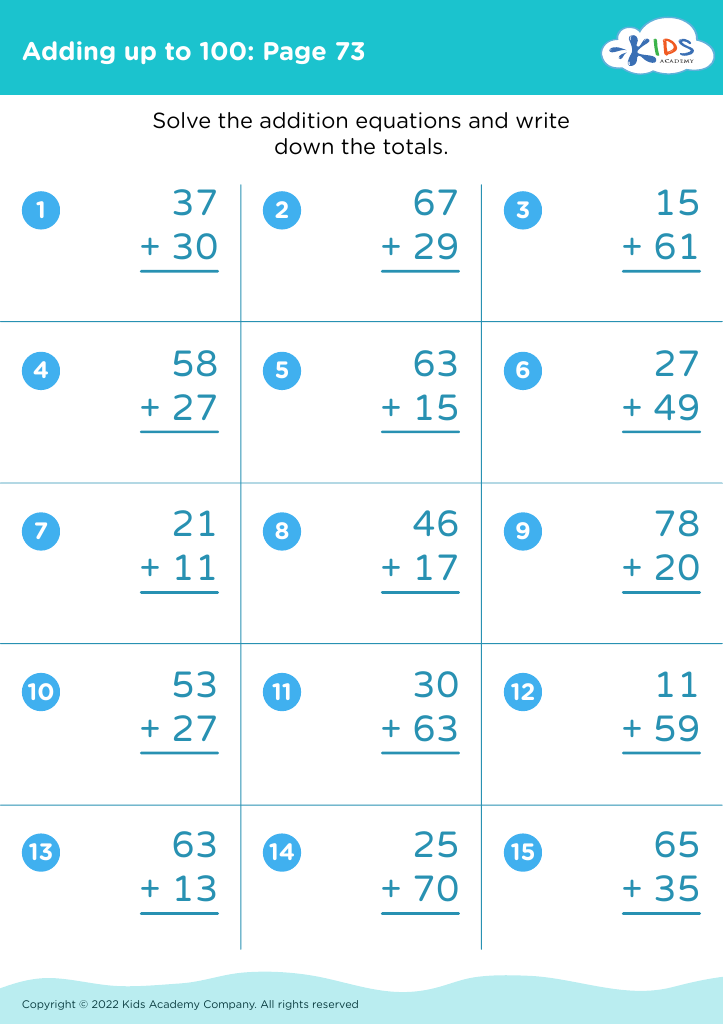
Adding up to 100: Page 73

Adding up to 100: Page 73

Adding up to 100: Page 73
Worksheet
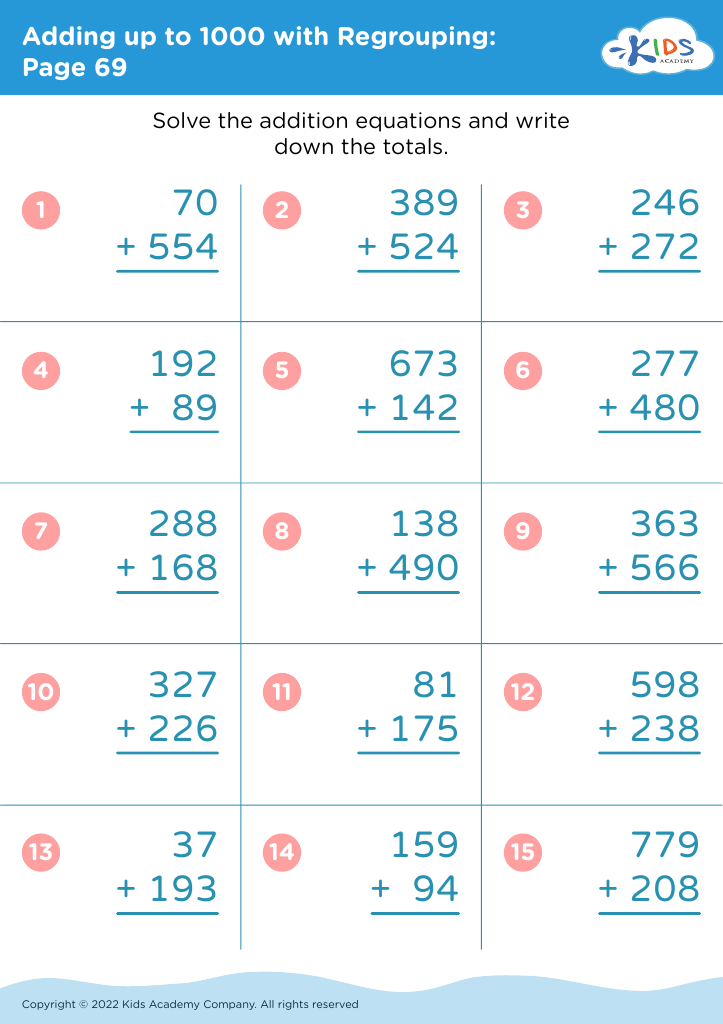
Adding up to 1000 with Regrouping: Page 69
Worksheet
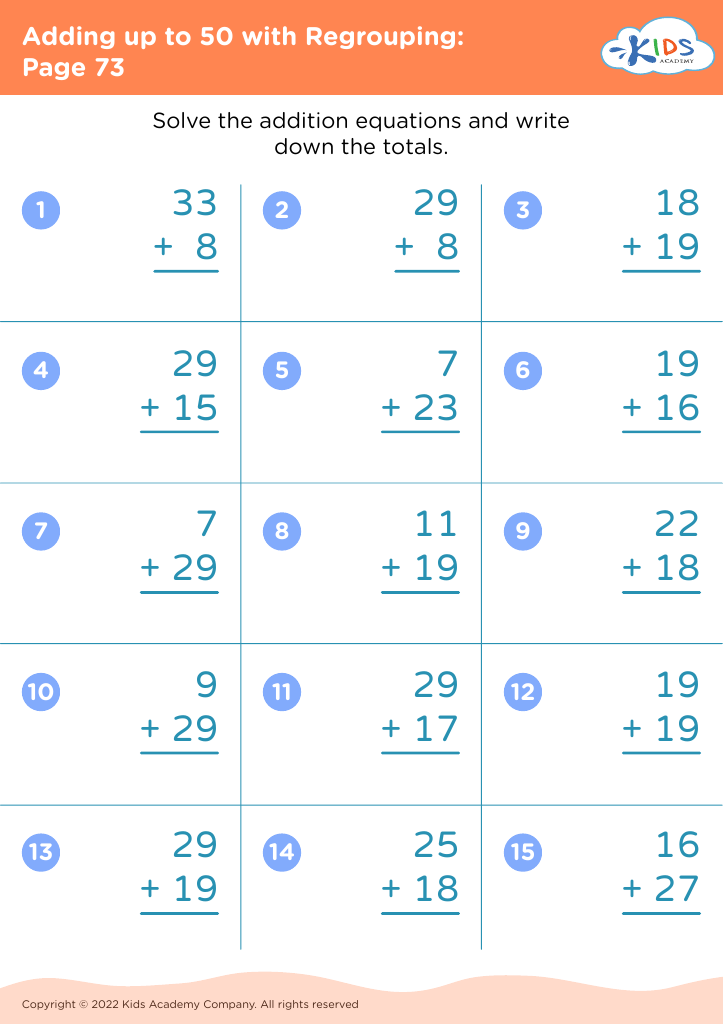
Adding up to 50 with Regrouping: Page 73
Worksheet
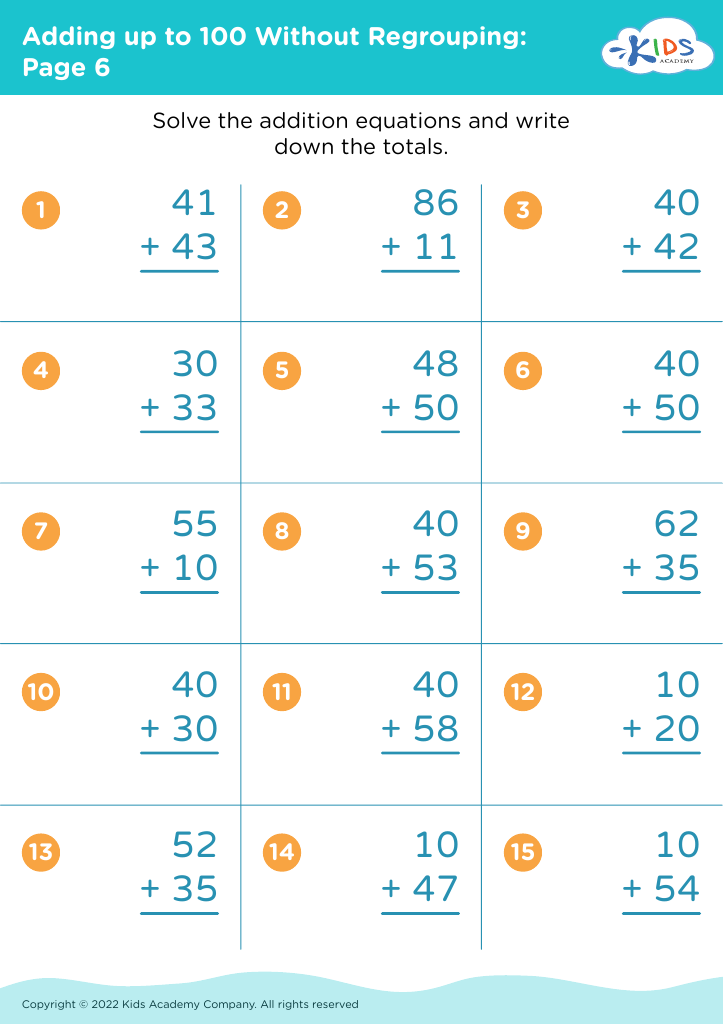
Adding up to 100 Without Regrouping: Page 6
Worksheet
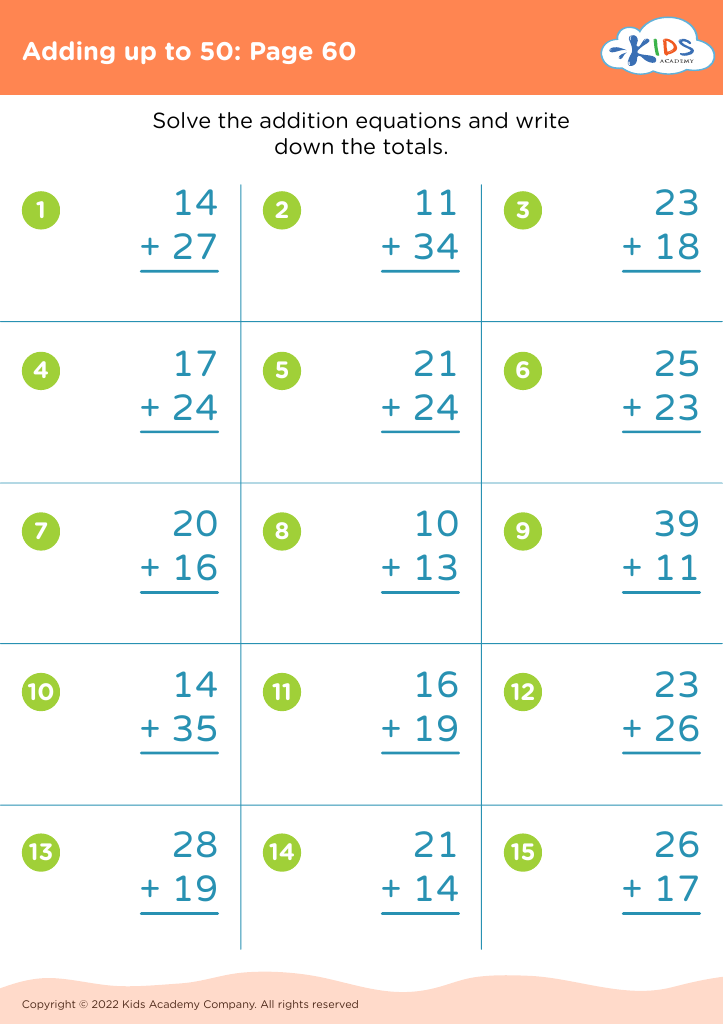
Adding up to 50: Page 60

Adding up to 50: Page 60

Adding up to 50: Page 60
Worksheet
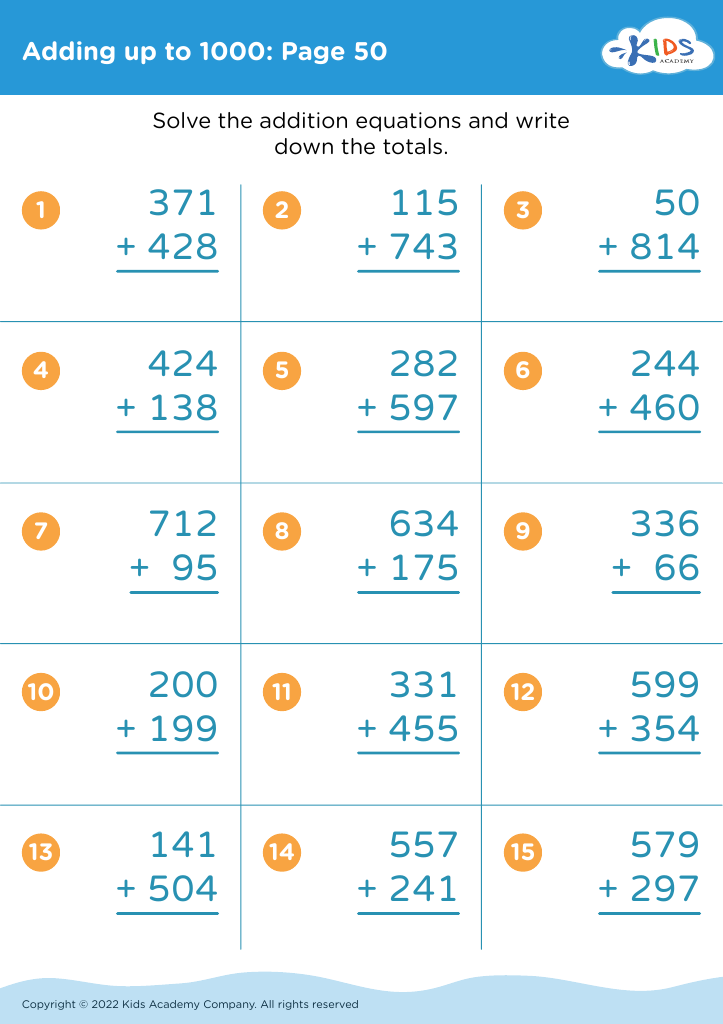
Adding up to 1000: Page 50

Adding up to 1000: Page 50

Adding up to 1000: Page 50
Worksheet
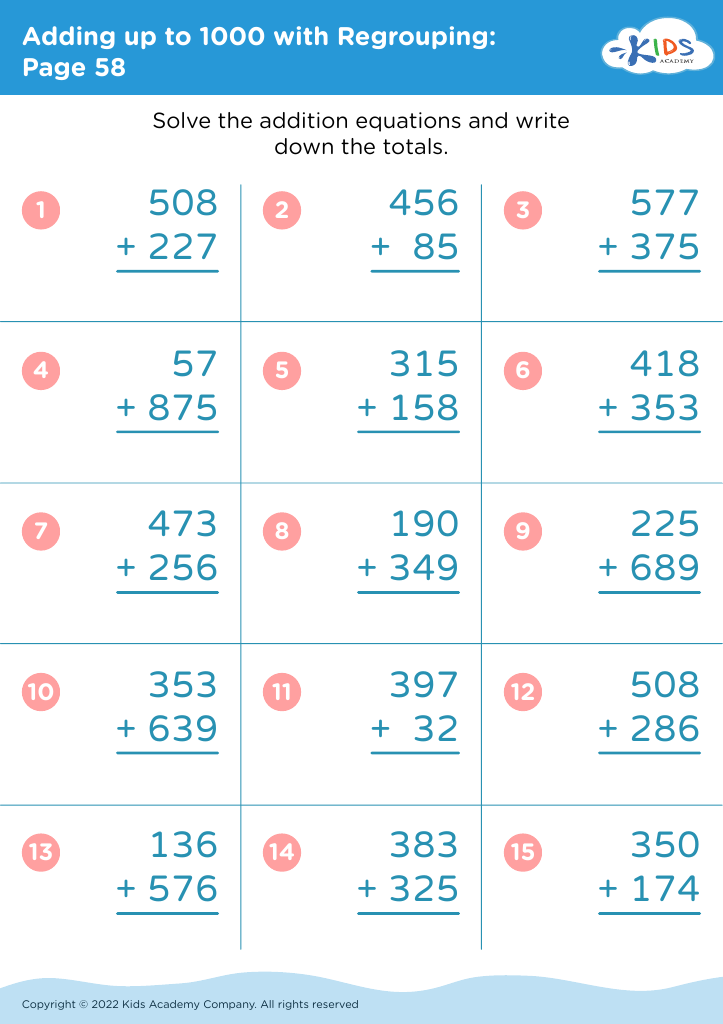
Adding up to 1000 with Regrouping: Page 58
Worksheet
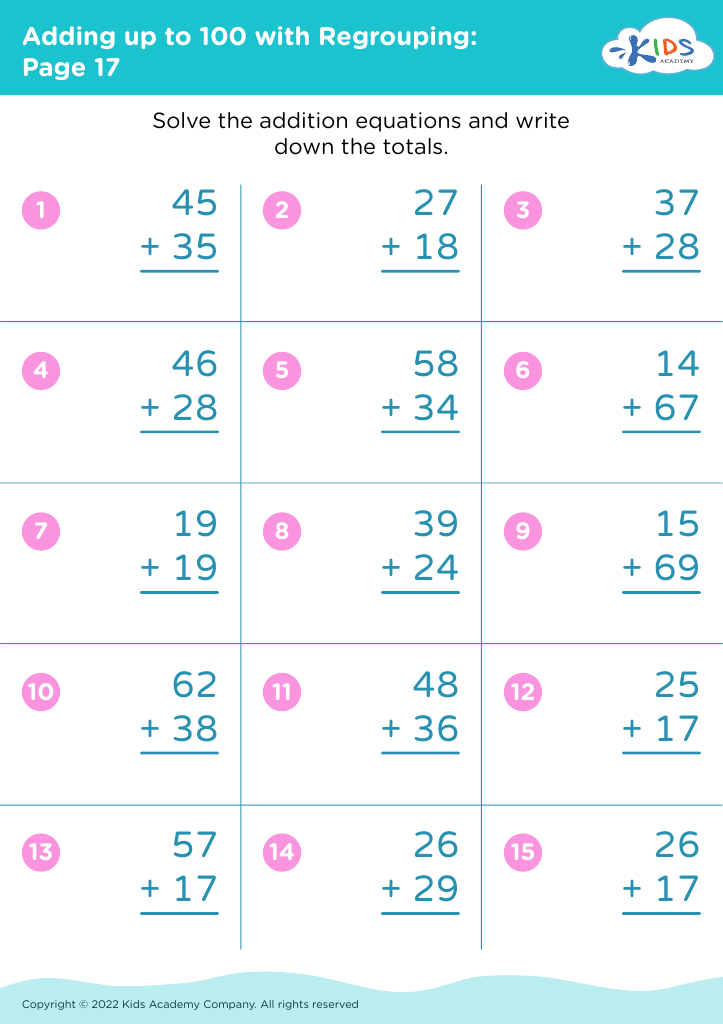
Adding up to 100 with Regrouping: Page 17
Worksheet
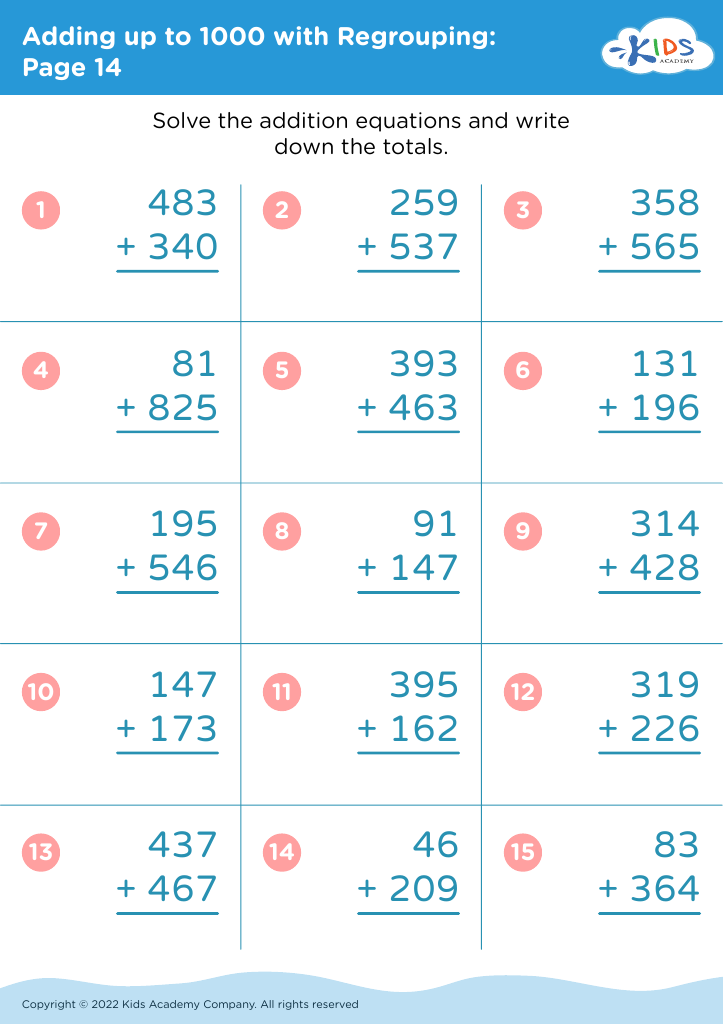
Adding up to 1000 with Regrouping: Page 14
Worksheet
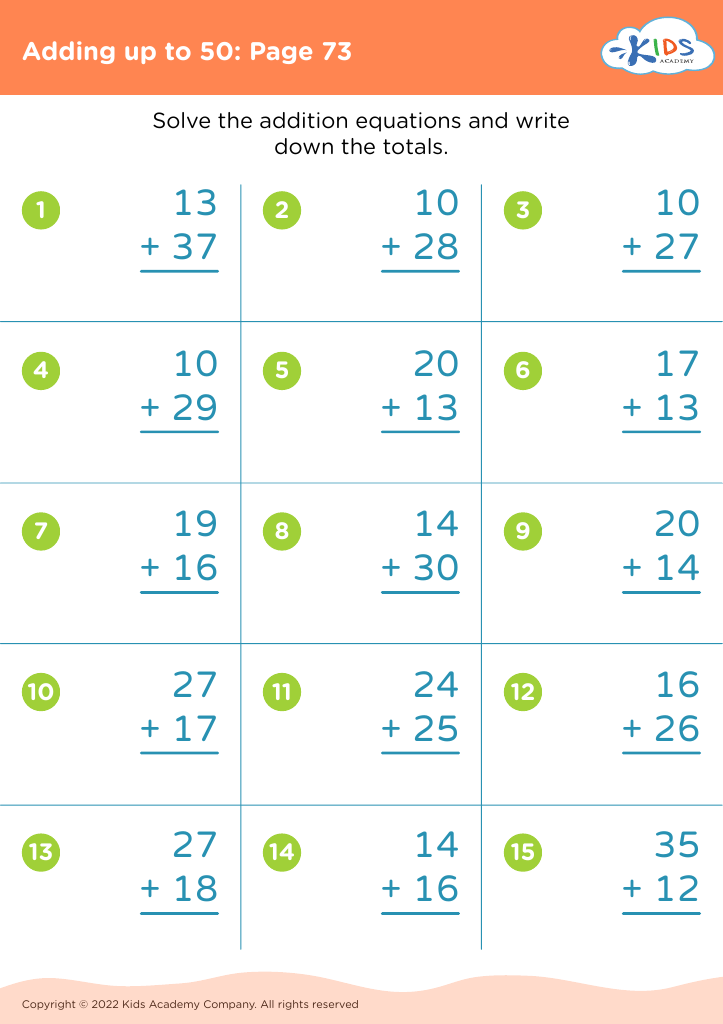
Adding up to 50: Page 73

Adding up to 50: Page 73

Adding up to 50: Page 73
Worksheet
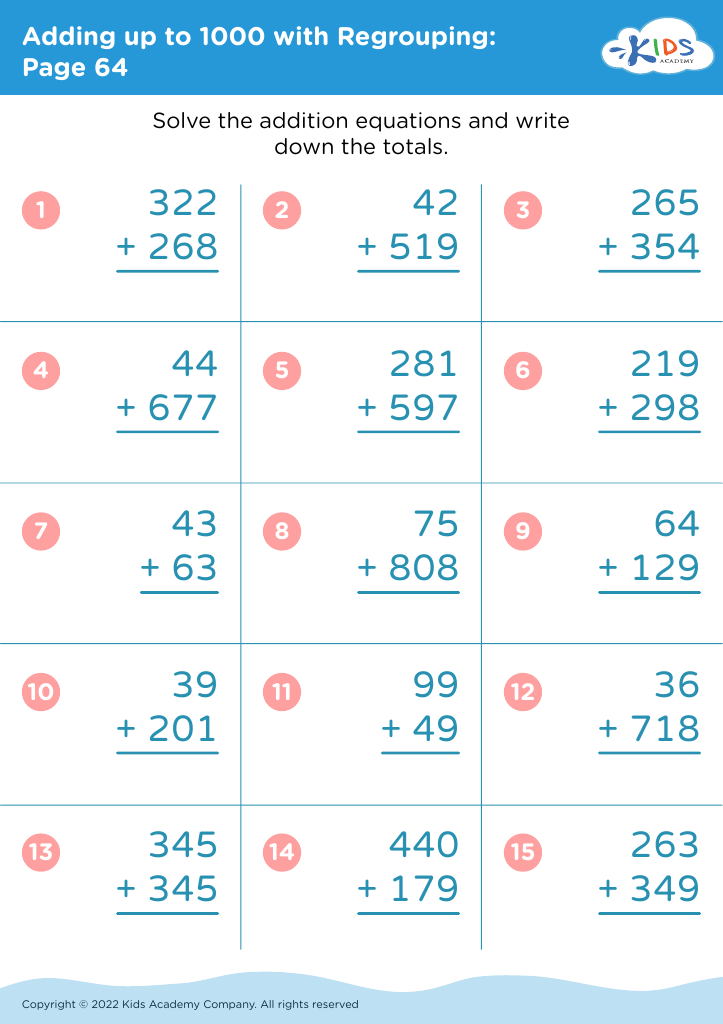
Adding up to 1000 with Regrouping: Page 64
Worksheet
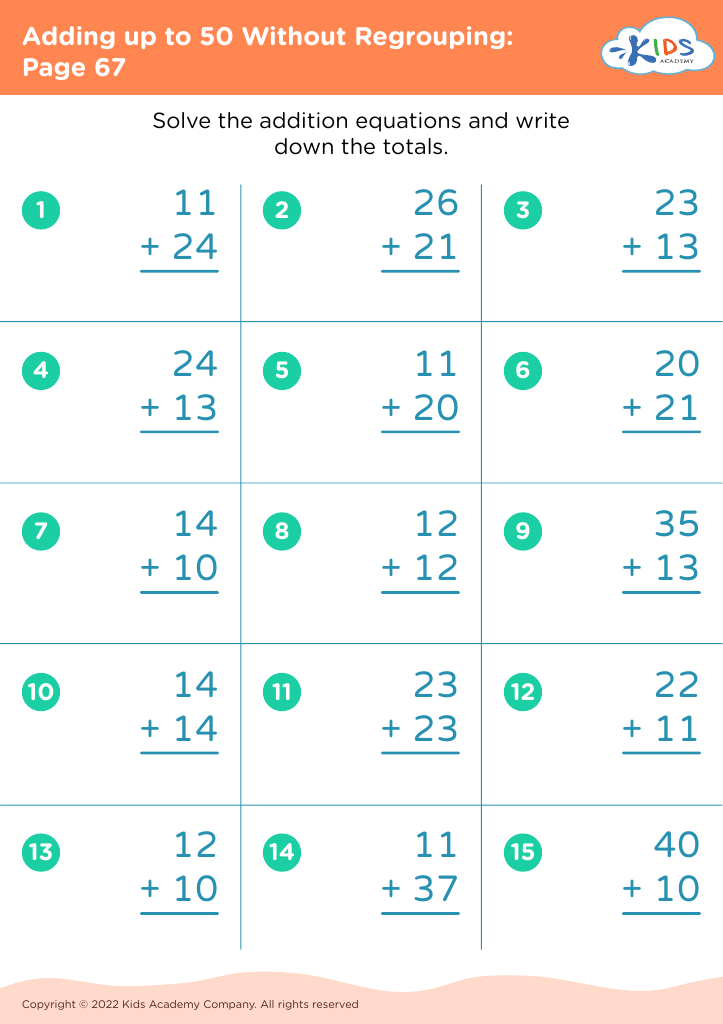
Adding up to 50 Without Regrouping: Page 67
Worksheet


Shape recognition addition is a foundational skill that significantly impacts early cognitive and mathematical development for children aged 5-9. Understanding shapes and their properties not only fosters spatial awareness but also lays the groundwork for more complex mathematical concepts such as geometry, measurement, and problem-solving.

Parents and teachers should care about this skill because it aids in the development of critical thinking and analytical abilities. As children learn to identify shapes and connect them with numerical values, they cultivate an understanding of basic addition principles. This fusion of visual stimuli with mathematical operations enhances memory retention and encourages engagement through interactive learning.

Moreover, proficiency in shape recognition can build confidence in young learners, setting a positive tone for their overall academic journey. This skill also promotes fine motor development, as children manipulate shapes through various hands-on activities.

By emphasizing shape recognition addition, caregivers can better prepare children for future collaboration in math-related environments and encourage a love for learning in STEM subjects. Ultimately, fostering these early cognitive skills can lead to lifelong benefits in academic performance and practical problem-solving abilities.