
Vocabulary Building Addition Worksheets for Ages 5-9
5 filtered results
Difficulty Level
Grade
Age
-
From - To
Subject
Activity
Standards
Enhance your child's learning experience with our engaging Vocabulary Building Addition Worksheets designed for ages 5-9. These worksheets combine foundational math skills with vocabulary development, ensuring that children not only master addition but also enrich their language skills. Each activity encourages young learners to apply new words in context, enhancing comprehension and retention. With colorful illustrations and exciting challenges, your child will enjoy practicing their math and vocabulary in a fun, interactive way. Perfect for classroom use or at-home learning, these worksheets are tailored to support early education goals and foster a love for learning. Get started today!
Favorites
With answer key
Interactive
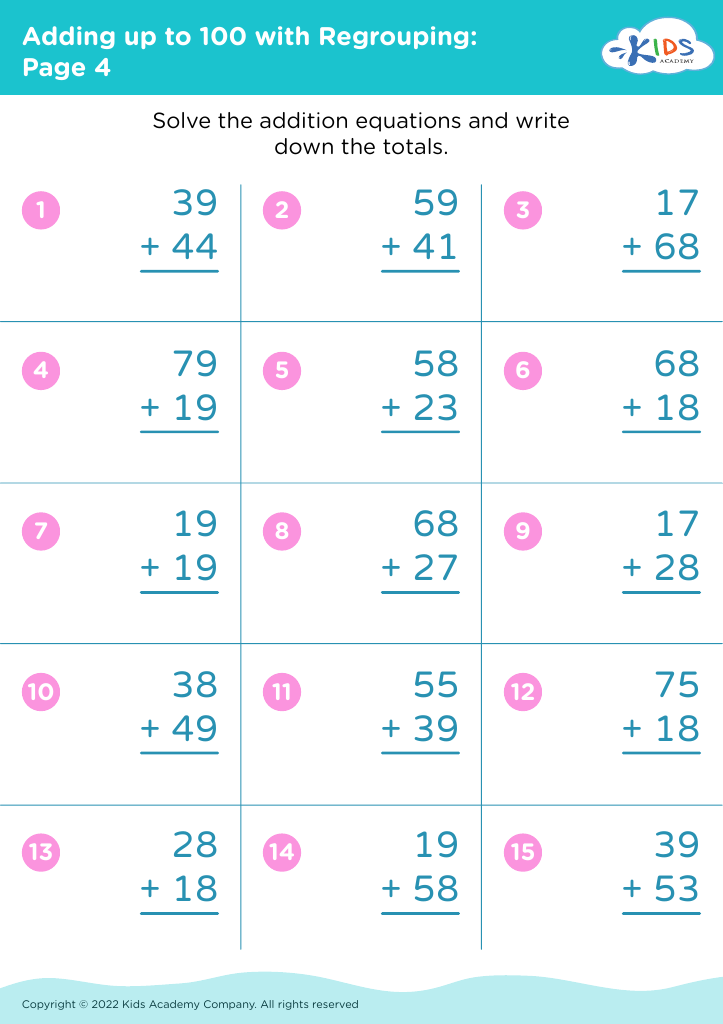
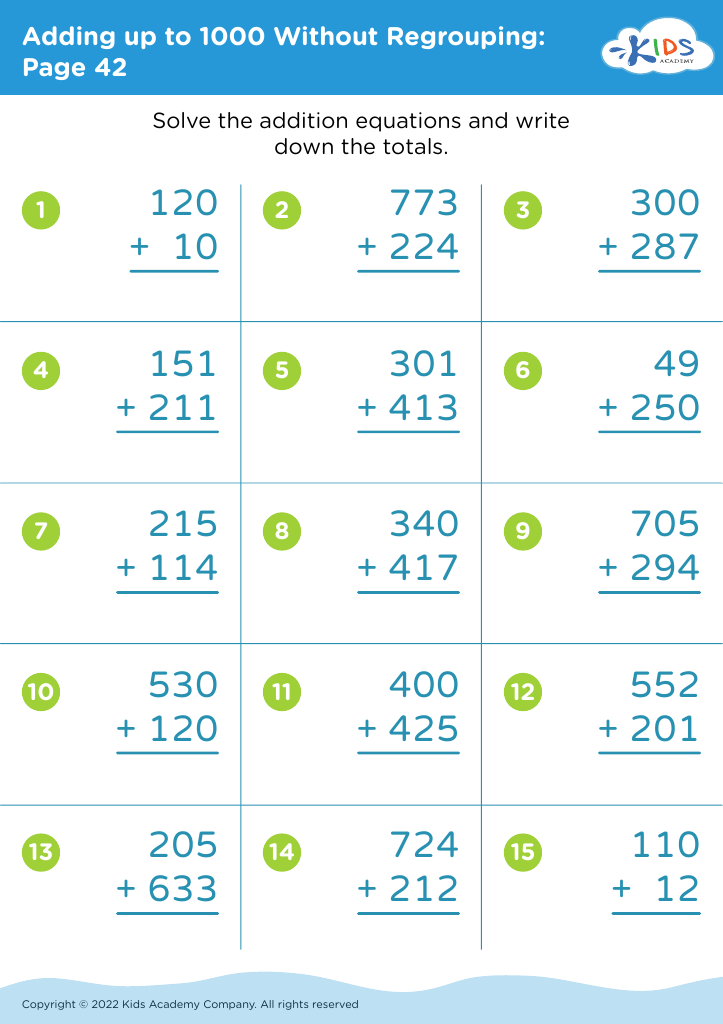
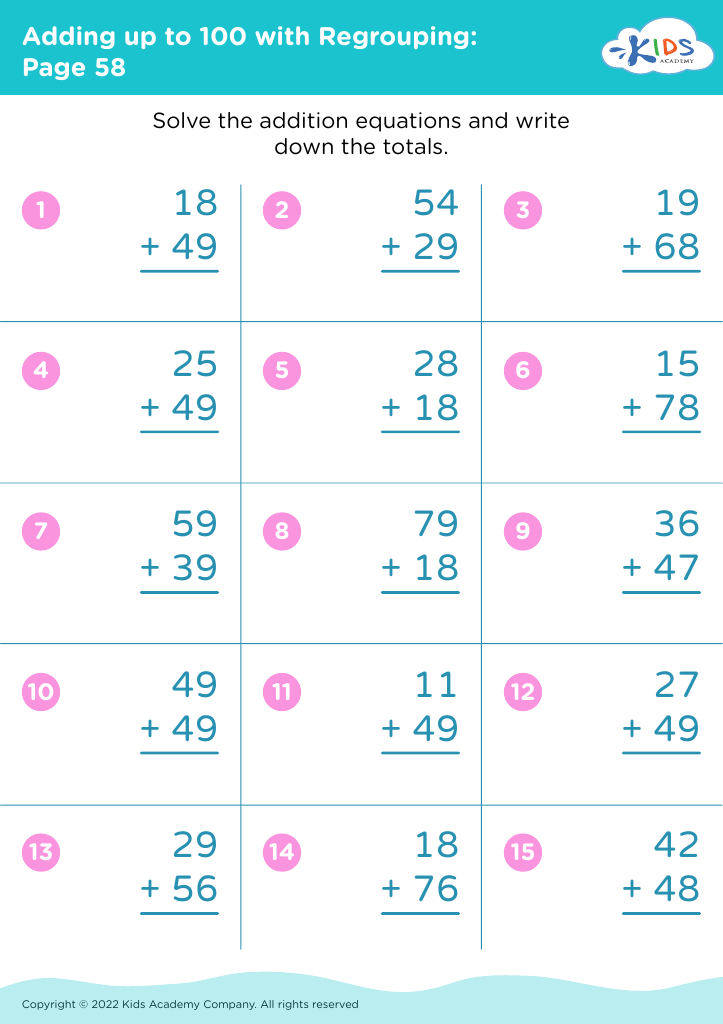
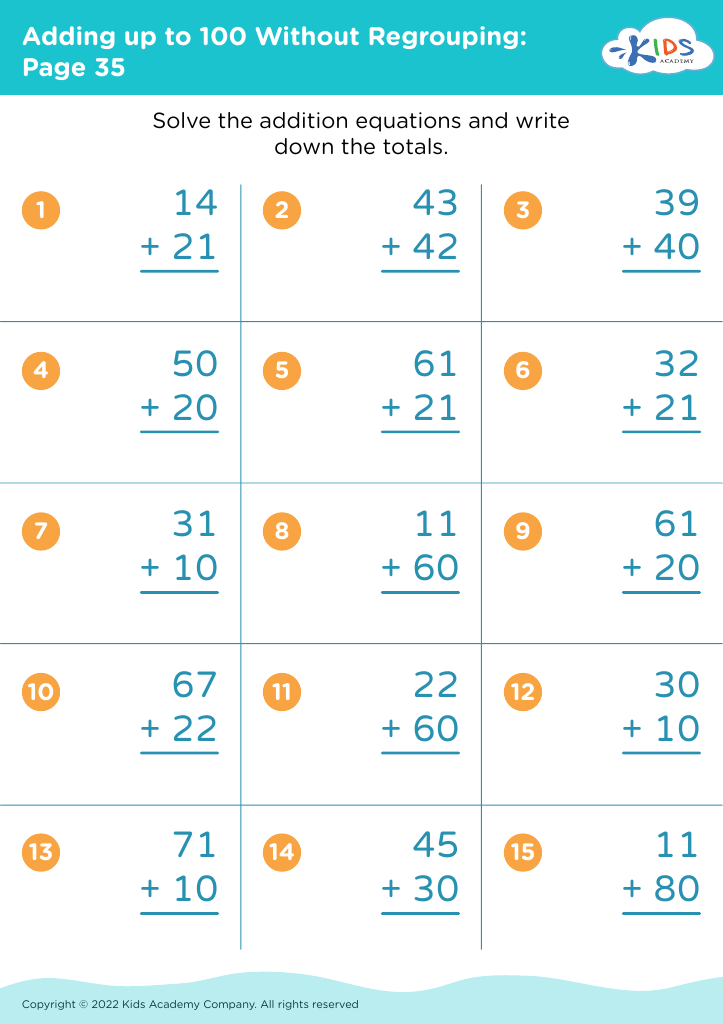
Join Kids Academy for Free
Who is primarily going to use this learning content?








Vocabulary building is crucial for children aged 5-9, as it lays the foundation for effective communication, reading comprehension, and academic success. During these formative years, children are rapidly developing language skills, and a robust vocabulary directly impacts their ability to express thoughts and ideas clearly.
When children have a wider range of words at their disposal, they are more equipped to engage in meaningful conversations, understand instructions more easily, and access a broader range of reading materials. This not only enhances their literacy skills but also boosts their confidence in classroom interactions.
Moreover, vocabulary building at this age supports cognitive development. As children learn new words, they also expand their understanding of the world around them, fostering critical thinking and creativity.
For parents and teachers, investing time in vocabulary building activities—such as reading aloud, playing word games, and encouraging creative storytelling—can make learning enjoyable and effective. It helps create a rich linguistic environment, increasing children's exposure to language. In conclusion, strong vocabulary skills not only contribute to academic achievement but also prepare children for lifelong learning and successful communication in the future.








