Developing problem-solving abilities Numbers Worksheets for Ages 5-9
3 filtered results
-
From - To
Unlock your child's potential with our "Developing Problem-Solving Abilities Numbers Worksheets" designed for ages 5-9! These engaging worksheets focus on enhancing critical thinking and mathematical reasoning through fun, interactive activities. By solving problems involving numbers and patterns, children will not only sharpen their math skills but also boost their confidence in tackling challenges. Each worksheet is tailored to a child's developmental level, ensuring that learning is both enjoyable and effective. Foster a love for learning and equip your child with essential problem-solving abilities that will benefit them academically and in everyday life. Explore our collection and inspire future innovators today!
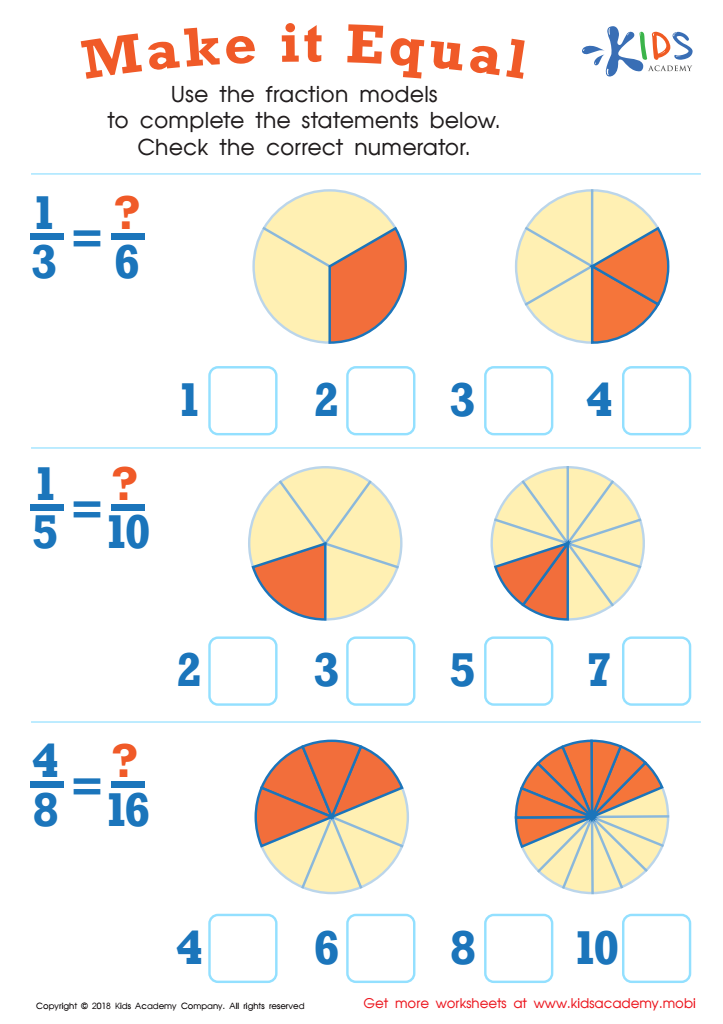
Make It Equal Worksheet
 Assign to My Students
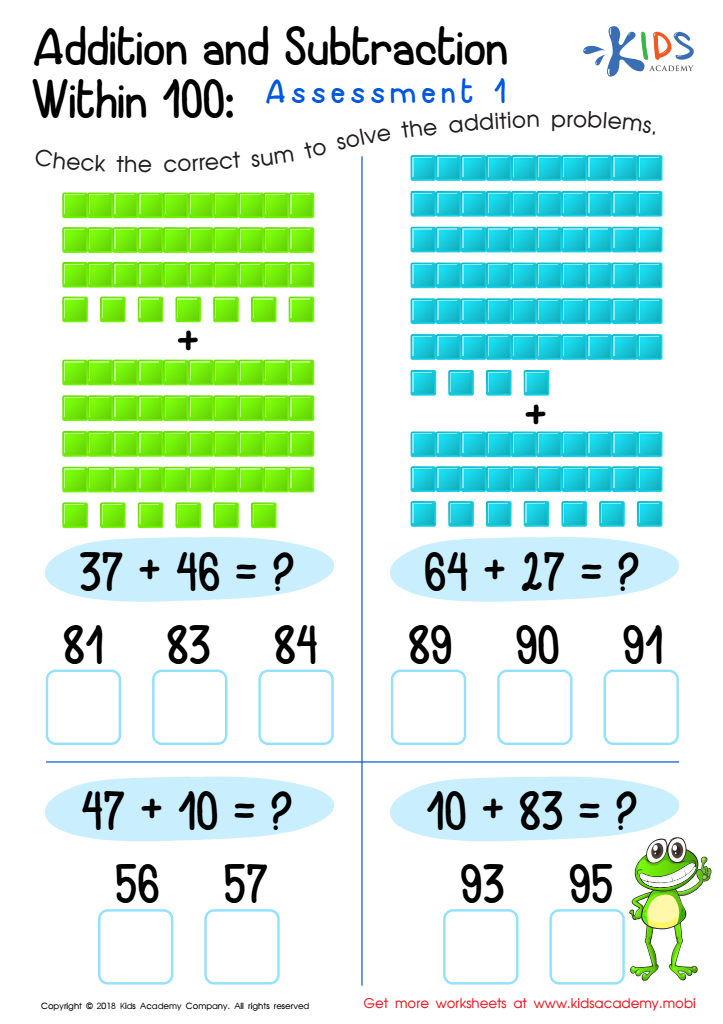
Addition and Subtraction Within 1: Assessment 1 Worksheet
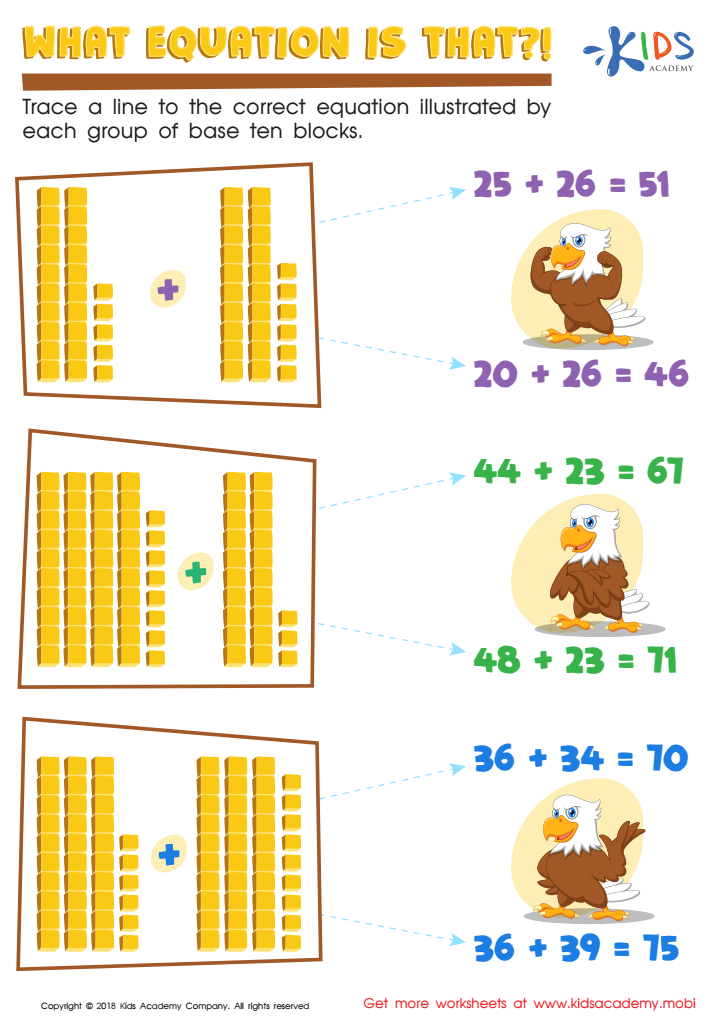
What Equation Is That? Worksheet








Developing problem-solving abilities in children aged 5 to 9 is crucial for several reasons. Firstly, this age group is in a key stage of cognitive development, where they begin to understand mathematical concepts and how numbers interact. Teaching problem-solving skills helps them grasp these foundational ideas, fostering independence in their thinking.
Secondly, problem-solving nurtures critical thinking. Children learn to assess situations, analyze information, and devise solutions. These skills transcend mathematics, equipping kids to make informed choices throughout their lives. The ability to approach challenges with a problem-solving mindset builds resilience, teaching them that mistakes are opportunities for learning rather than failures.
Moreover, in a constantly evolving world, strong problem-solvers are better prepared for future challenges. They develop adaptability, creativity, and the capacity to navigate complex situations—all essential traits in today’s workforce.
Finally, involving parents and teachers in this learning process reinforces the importance of collaboration and communication. By working together to foster these skills, we create a supportive environment where children feel secure exploring and experimenting. Consequently, nurturing problem-solving abilities in early education lays a solid foundation for lifelong learning and success, enhancing children’s overall academic journey and personal growth.








