Logical thinking Numbers Worksheets for Ages 5-9
5 filtered results
-
From - To
Enhance your child's numerical and logical reasoning skills with our "Logical Thinking Numbers Worksheets”! Perfect for ages 5-9, these engaging and interactive worksheets help young learners grasp fundamental math concepts while boosting their cognitive abilities. Each worksheet is designed to be both fun and educational, providing exercises that range from basic number recognition to more complex problem-solving tasks. Our vibrant, kid-friendly illustrations and easy-to-follow instructions ensure that learning is enjoyable. Ideal for both classroom and home use, these printable resources support your child's academic growth and foster a lifelong love for math. Start their journey to logical thinking today!
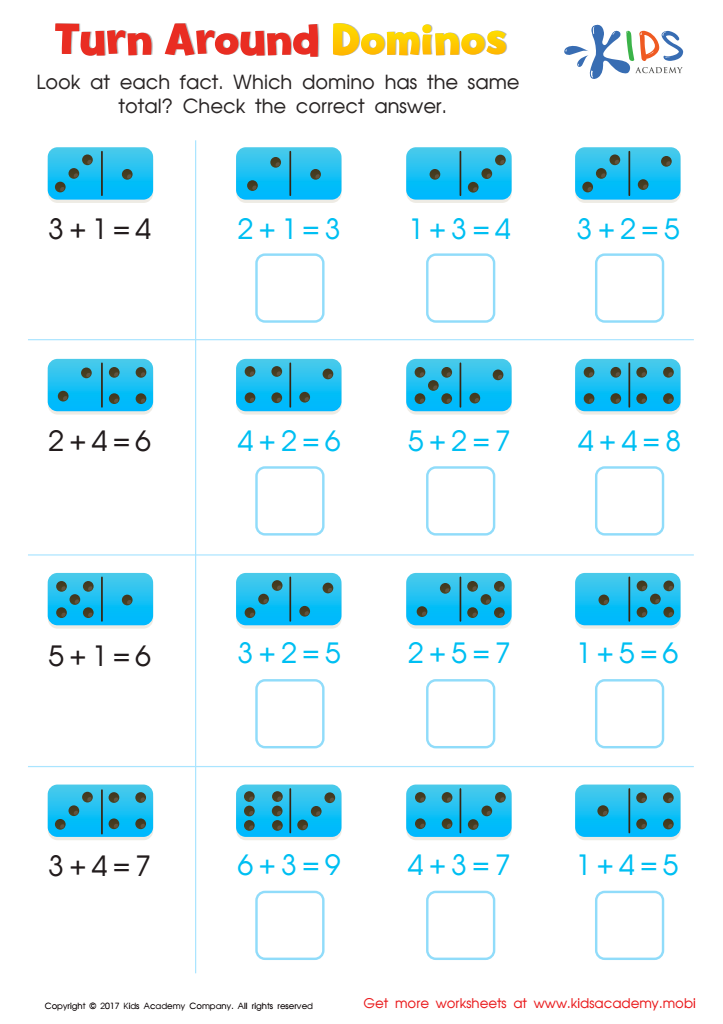
Turn Around Dominos Worksheet
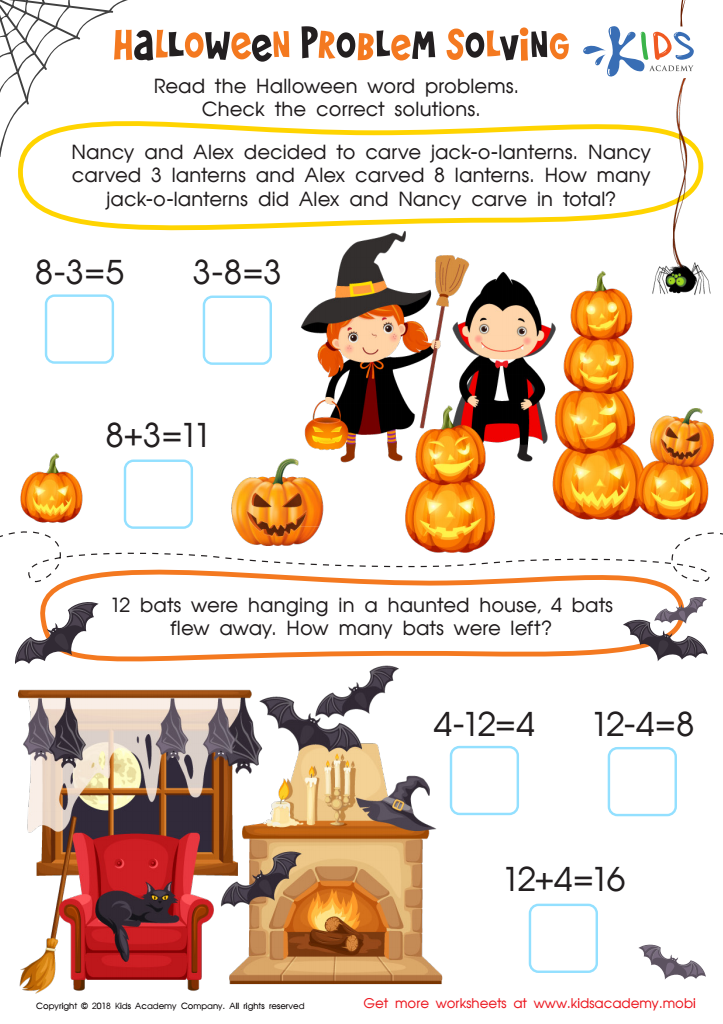
Halloween Problem Solving Worksheet
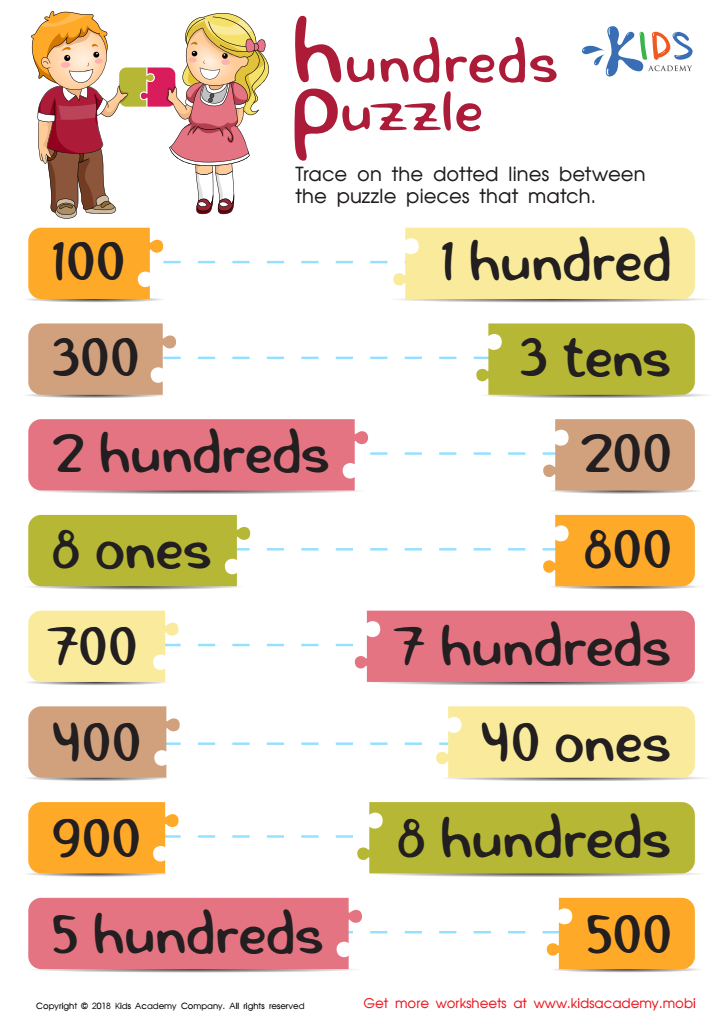
Hundreds Puzzle Worksheet
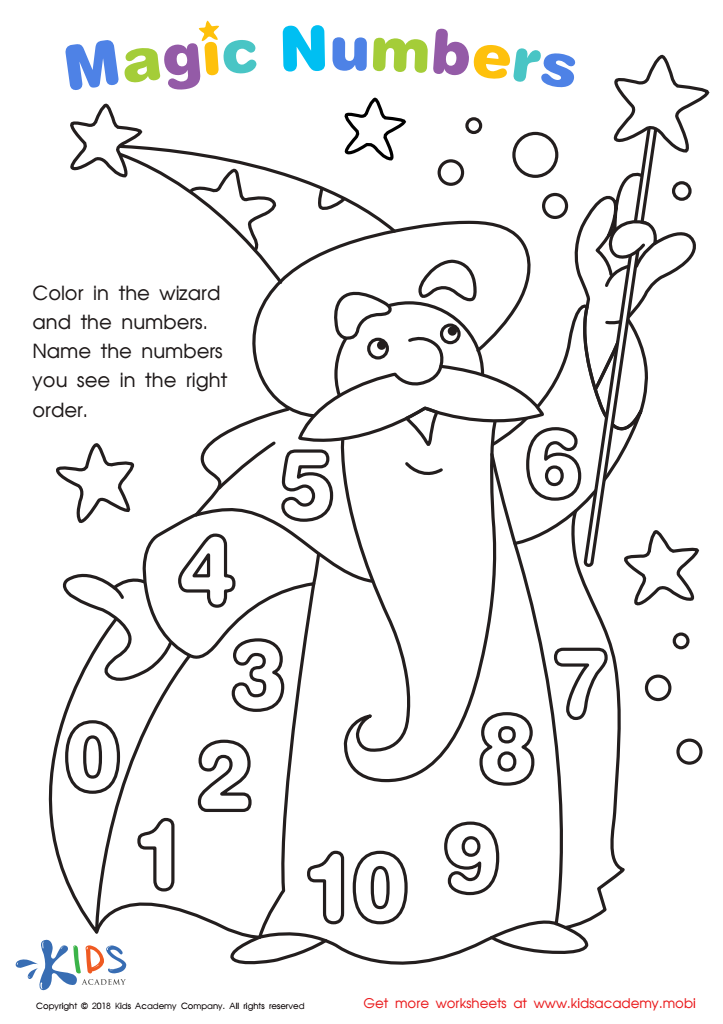
Magic Numbers Worksheet
 Assign to My Students

Transportation: Steps Worksheet






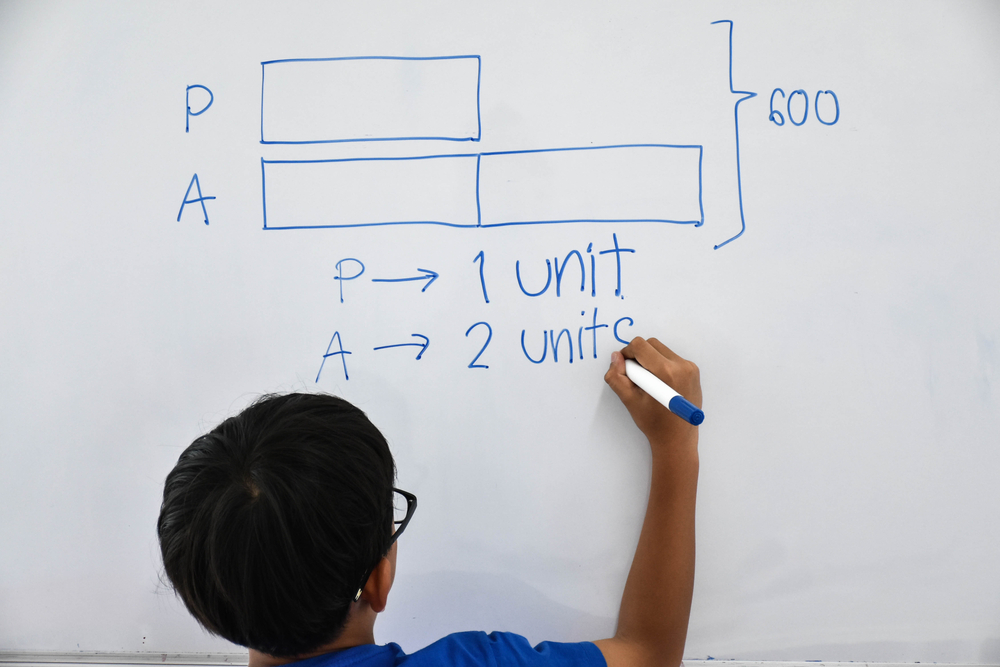

Logical thinking is an essential skill that sets the foundation for problem-solving, critical thinking, and understanding relationships between ideas. For children ages 5-9, developing logical thinking, particularly through numbers, is crucial as it plays a significant role in their overall cognitive development.
Firstly, engaging with numbers helps children grasp basic arithmetic and mathematical concepts. This early exposure builds numeracy skills, which are fundamental not only for math but for everyday activities like telling time, handling money, and even recognizing patterns in daily routines.
Furthermore, logical thinking through numbers enhances cognitive functions such as memory, attention, and processing speed. When children solve problems involving numbers, they learn to strategize, plan steps sequentially, and arrive at conclusions, which translates into improved academic performance across all subjects.
Additionally, fostering numerical logical thinking nurtures a child's ability to approach problems methodically and persistently. It encourages them to make reasoned decisions, understand cause-effect relationships, and think abstractly. These skills are essential for adaptability and effective communication, both important in personal and future professional contexts.
Finally, nurturing a positive attitude toward learning and problem-solving in early childhood builds self-confidence. Children who develop robust logical thinking skills from a young age are better equipped to tackle complex challenges, making them resilient learners and thinkers throughout their educational journey. Parents and teachers, as facilitators of this growth, play a pivotal role in setting children up for long-term success.








