Map reading skills Numbers Worksheets for Ages 5-9
3 filtered results
-
From - To
Enhance your child's navigation and numerical abilities with our "Map Reading Skills Numbers Worksheets for Ages 5-9." Perfectly tailored for young explorers, these engaging worksheets combine fun maps with number exercises to build foundational skills in both geography and mathematics. Each activity challenges kids to identify numbers, follow directions, and understand spatial relationships, fostering critical cognitive development. Ideal for early learners, our worksheets are designed to make learning numbers enjoyable and practical, preparing them for more complex tasks ahead. Help your child master essential map reading and numerical skills with our expertly crafted educational resources.
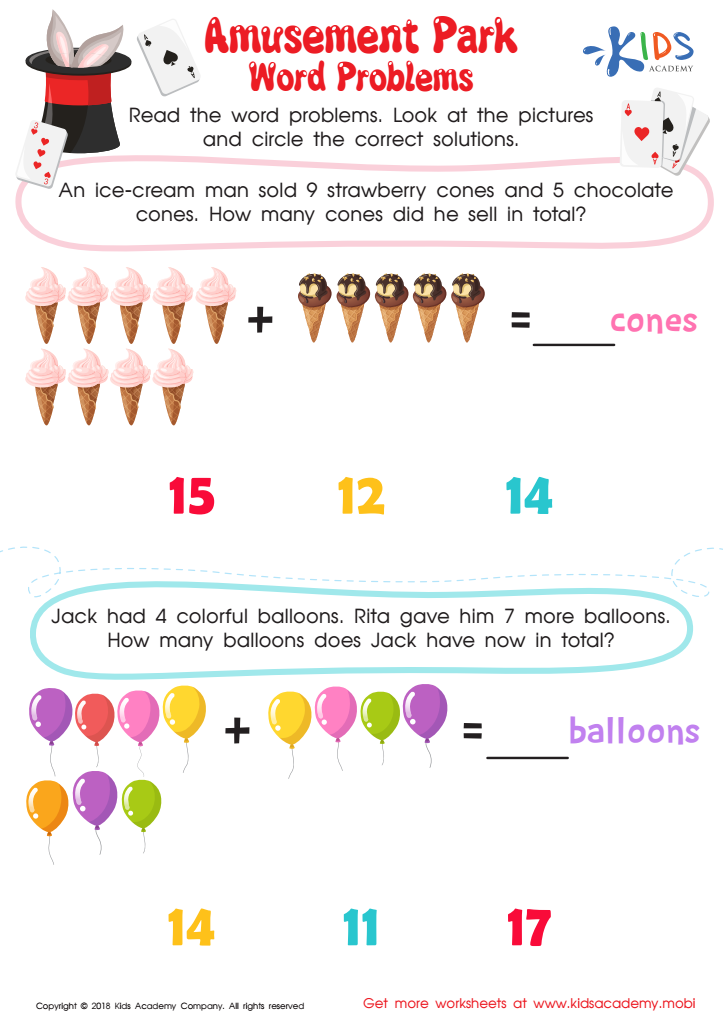
Amusement Park Word Problems Worksheet
 Assign to My Students
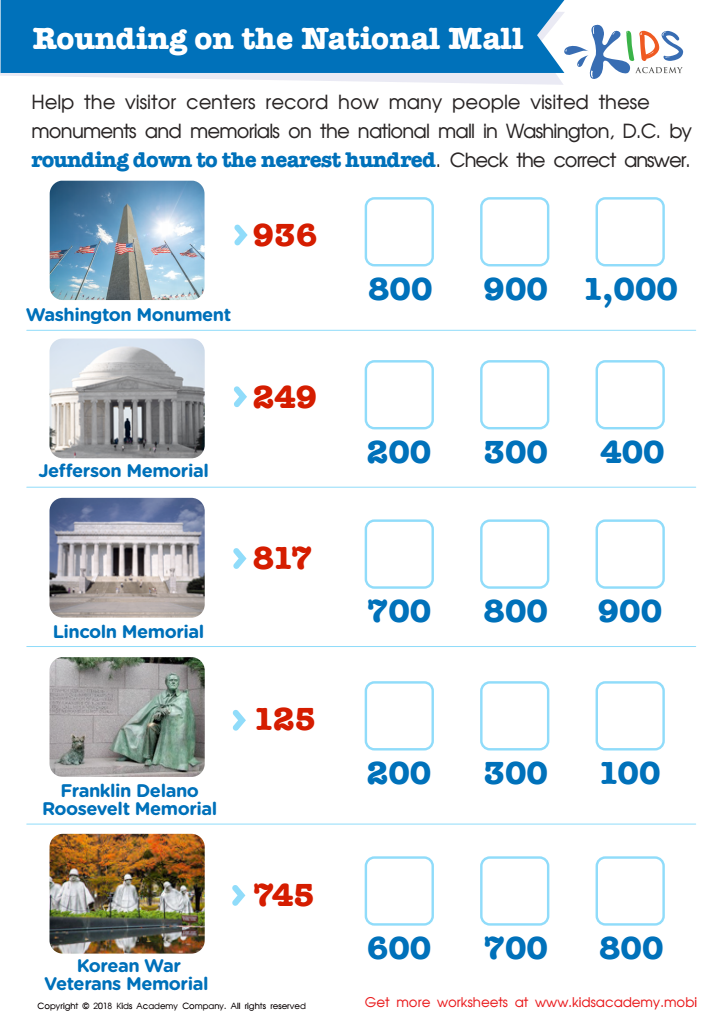
Rounding on the National Mall Worksheet
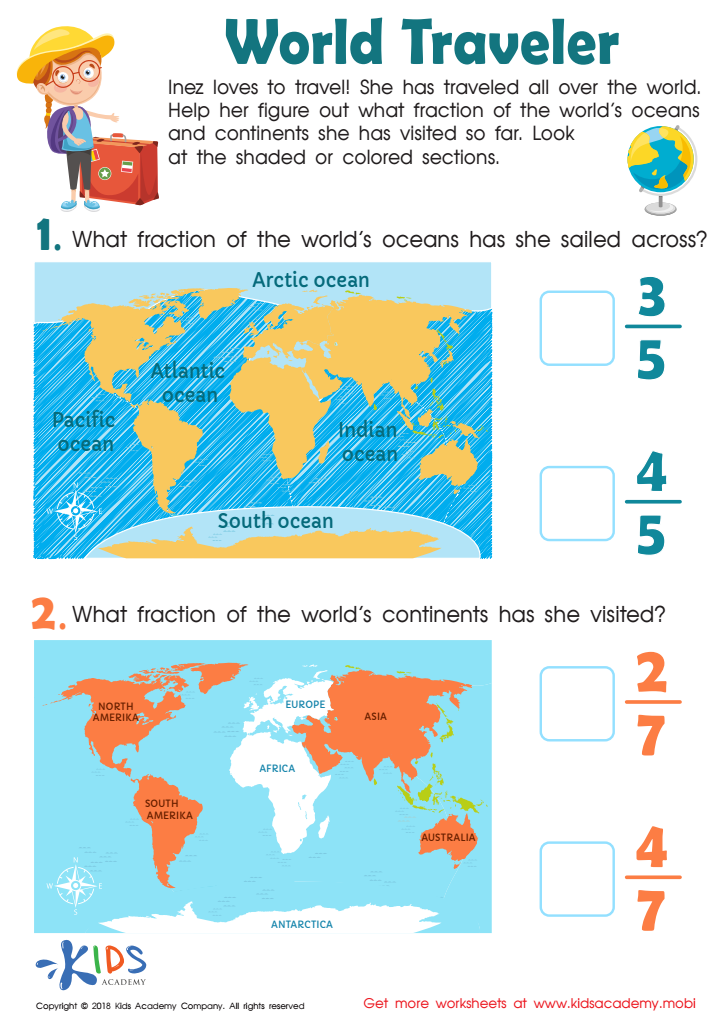
World Traveler Worksheet



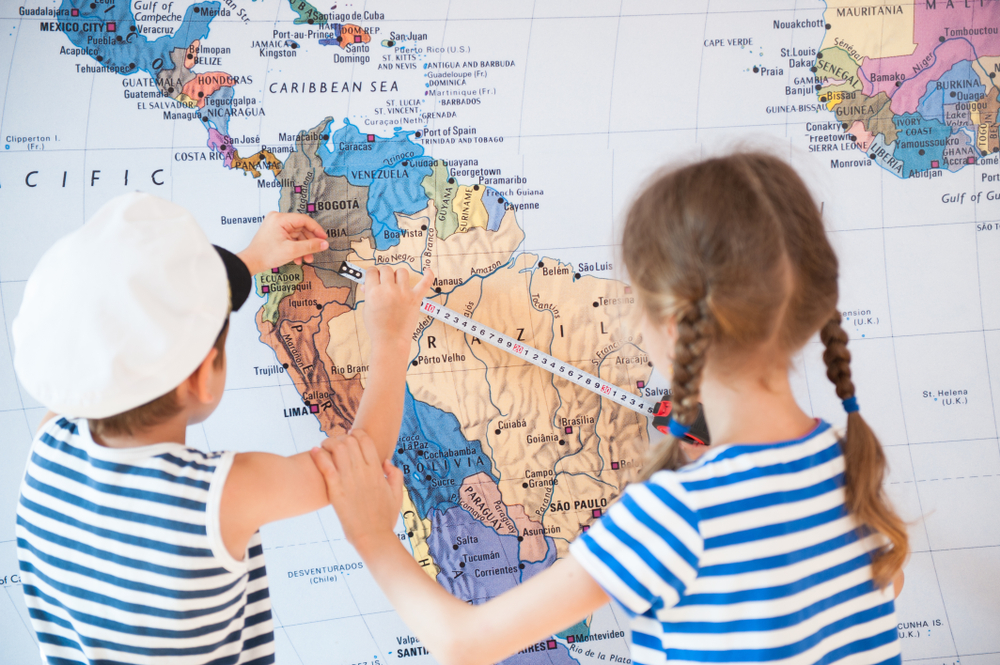




Map reading skills are vital for young learners ages 5-9 for several pertinent reasons. Firstly, they introduce children to critical spatial thinking, helping them understand and navigate their environment. This foundational skill promotes a sense of direction and geographical awareness, which are crucial for everyday activities, whether finding a place in the school or understanding the layout of their community.
Additionally, map reading nurtures cognitive development by engaging children in problem-solving, pattern recognition, and logical reasoning. It requires them to interpret symbols, scales, and distances – key components of early mathematics. Recognizing numbers, understanding measurements, and comparing scales on maps enhance numerical skills, essential for academic success.
Furthermore, engaging with maps fosters curiosity and exploration, encouraging children to learn about diverse cultures, features, and the natural world. This broader awareness can spur a lifelong interest in geography and global citizenship. Additionally, group map-reading activities instill cooperation and communication skills as children work together to decode maps and solve navigational challenges.
In summary, parents and teachers should prioritize map reading skills for children ages 5-9 to develop essential spatial awareness, cognitive and numerical skills, and to nurture curiosity about the world, laying a robust foundation for future learning and everyday competence.








