Basic geometry knowledge Math Worksheets for Ages 5-9
4 filtered results
-
From - To
Discover the world of shapes and spaces with our "Basic Geometry Knowledge Math Worksheets" designed for children aged 5-9. These engaging and interactive worksheets help young learners build foundational geometry skills through fun activities and colorful illustrations. Perfect for both classroom and home learning, our resources cover essential concepts such as shapes, sizes, symmetry, and spatial reasoning. Encourage your child's curiosity and enhance their critical thinking with exercises that stimulate learning while making geometry approachable and enjoyable. Unlock your child's potential in math and watch them master basic geometry concepts with confidence! Explore our collection and inspire a love for learning today!
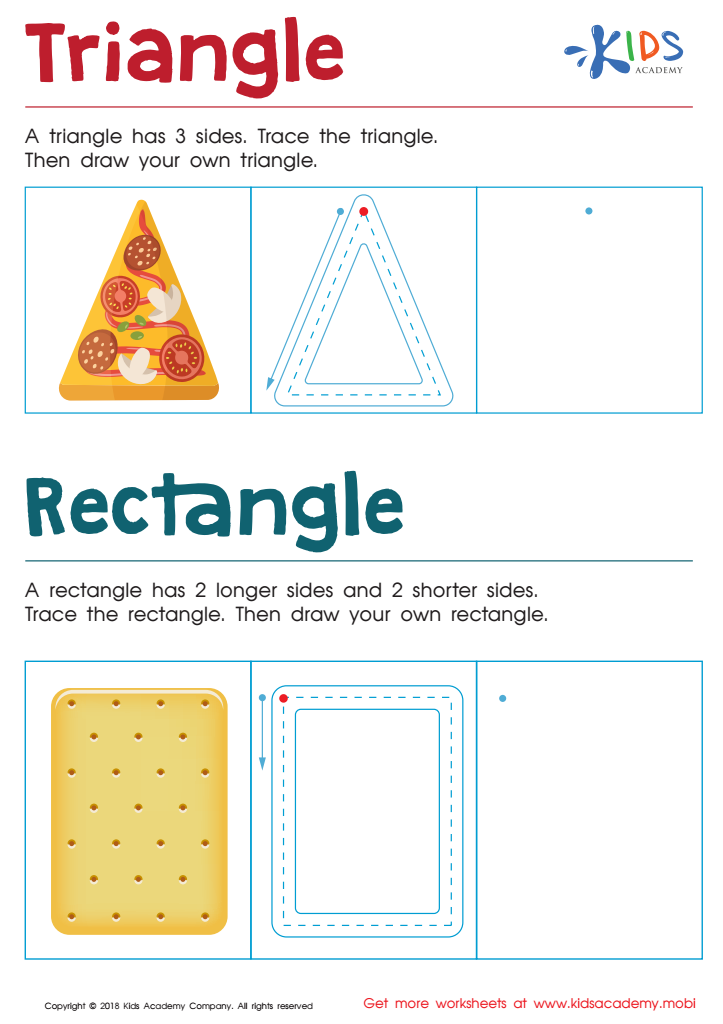
Triangle Rectangle Worksheet
 Assign to My Students
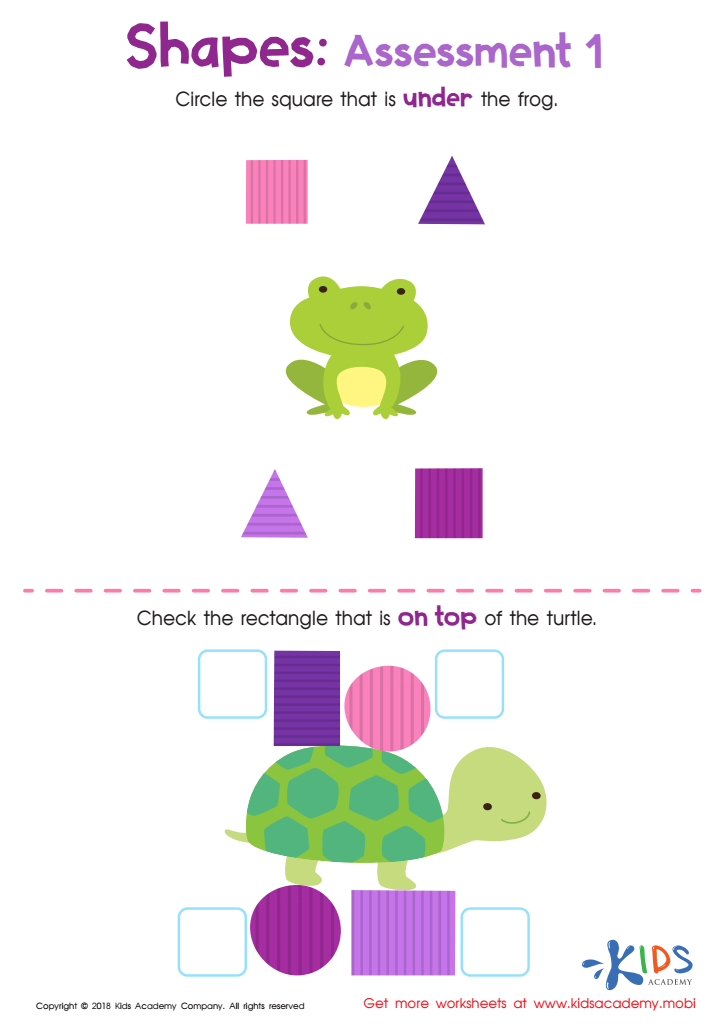
Geometry – Assessment 1 Worksheet
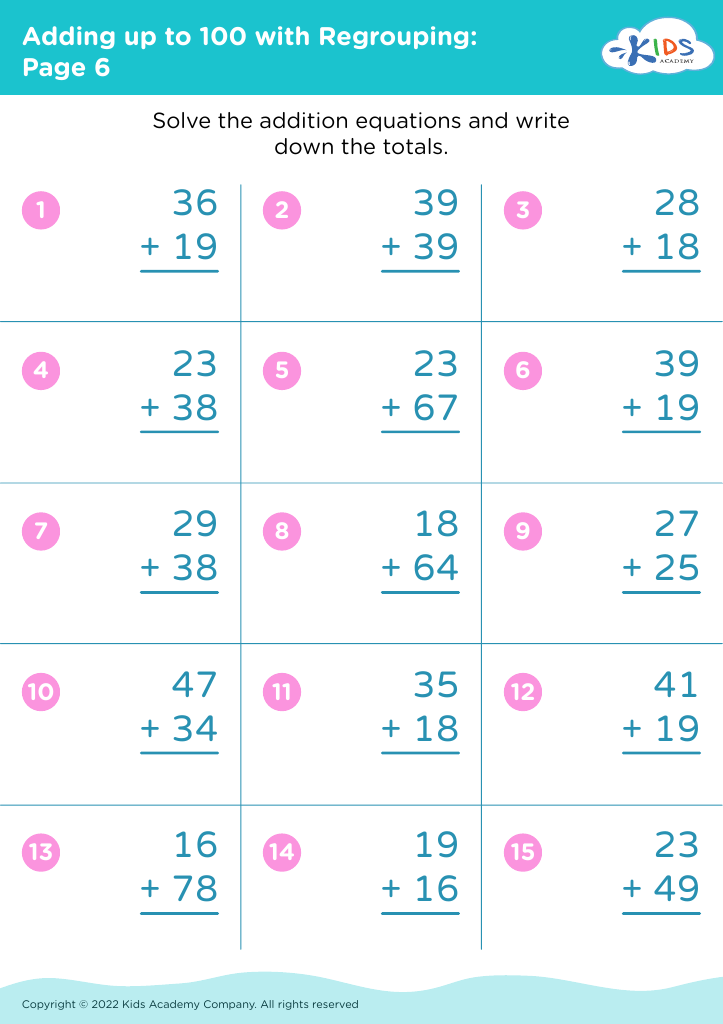
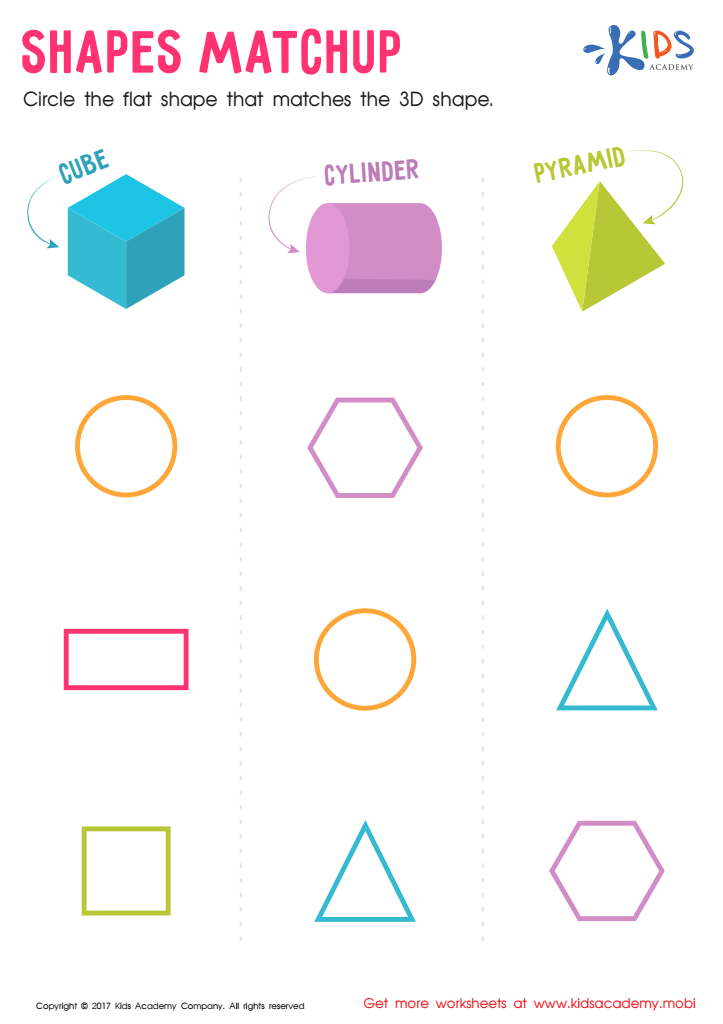
Shapes Matchup Worksheet







Understanding basic geometry is crucial for children aged 5-9 as it lays the foundation for critical thinking and problem-solving skills. At this developmental stage, children are naturally curious about the world around them, and geometry helps them make sense of their spatial environment. By learning about shapes, sizes, and spatial relationships, kids not only enhance their mathematical skills but also their cognitive abilities.
Parents and teachers should care about basic geometry knowledge because it promotes early mathematical literacy, fostering confidence and a positive attitude towards math. Engaging with concepts such as symmetry, area, and perimeter encourages children to think logically, reason quantitatively, and solve everyday problems. Additionally, including geometry in classroom and home activities—like building with blocks or identifying shapes in real life—helps harness children’s creativity while reinforcing these skills.
Furthermore, a solid understanding of basic geometry supports future math learning, as more complex concepts build upon these early foundational skills. Neglecting geometry can lead to challenges in later academic years, making it essential for parents and teachers to prioritize this important aspect of a child’s education. Ultimately, nurturing geometry knowledge at a young age cultivates lifelong learners who appreciate mathematics in various forms.








