Basic Math understanding Math Worksheets for Ages 5-9
12 filtered results
-
From - To
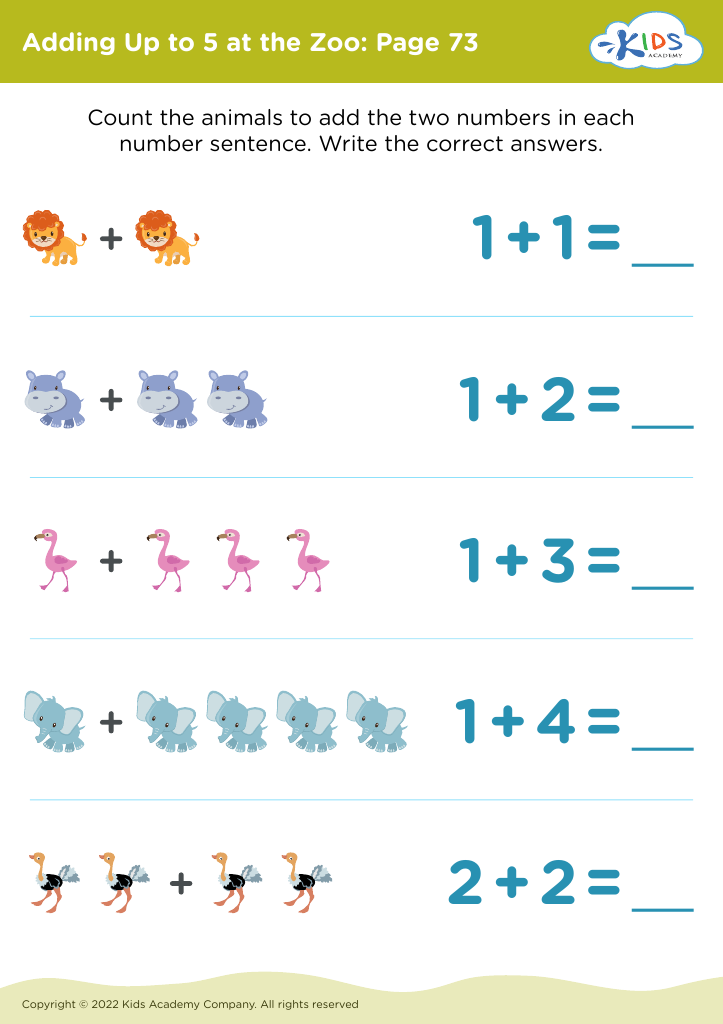
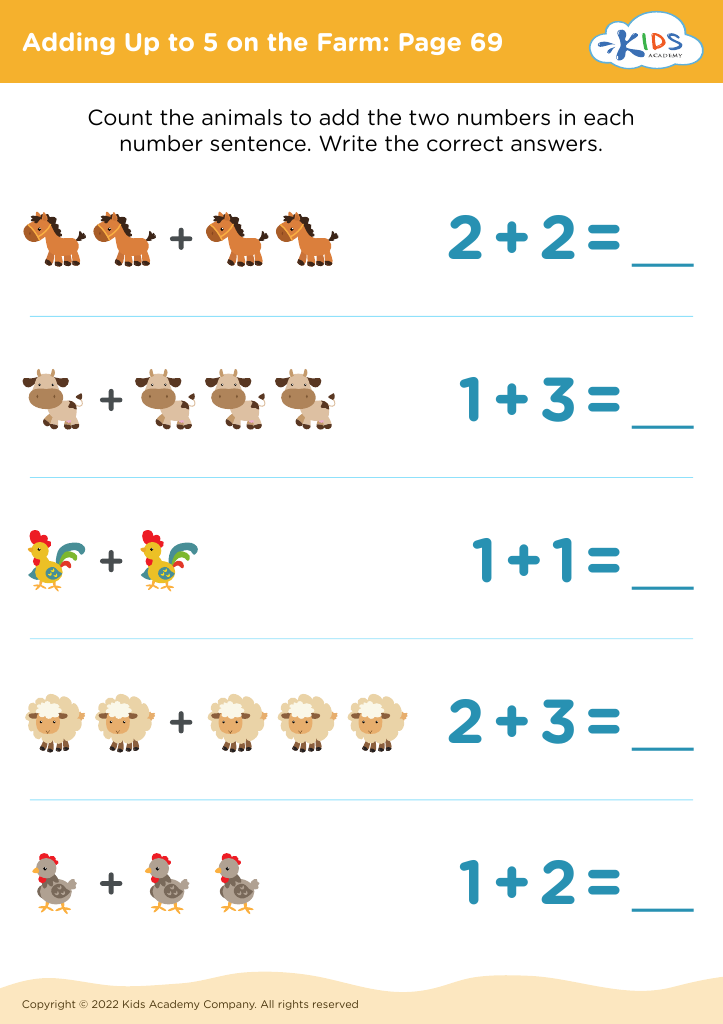
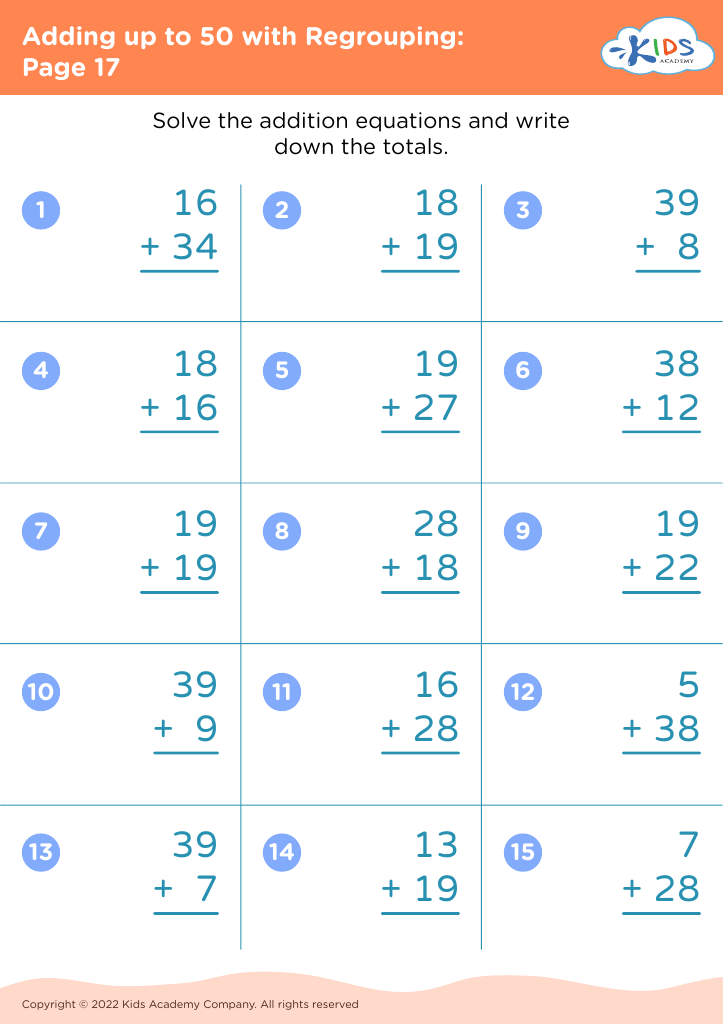
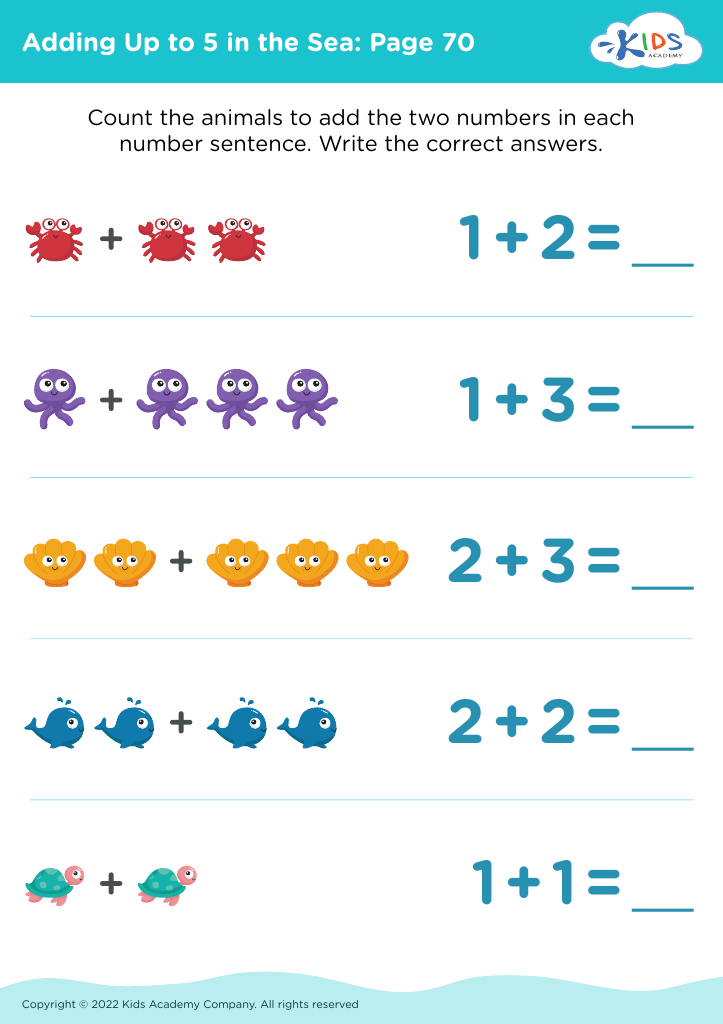
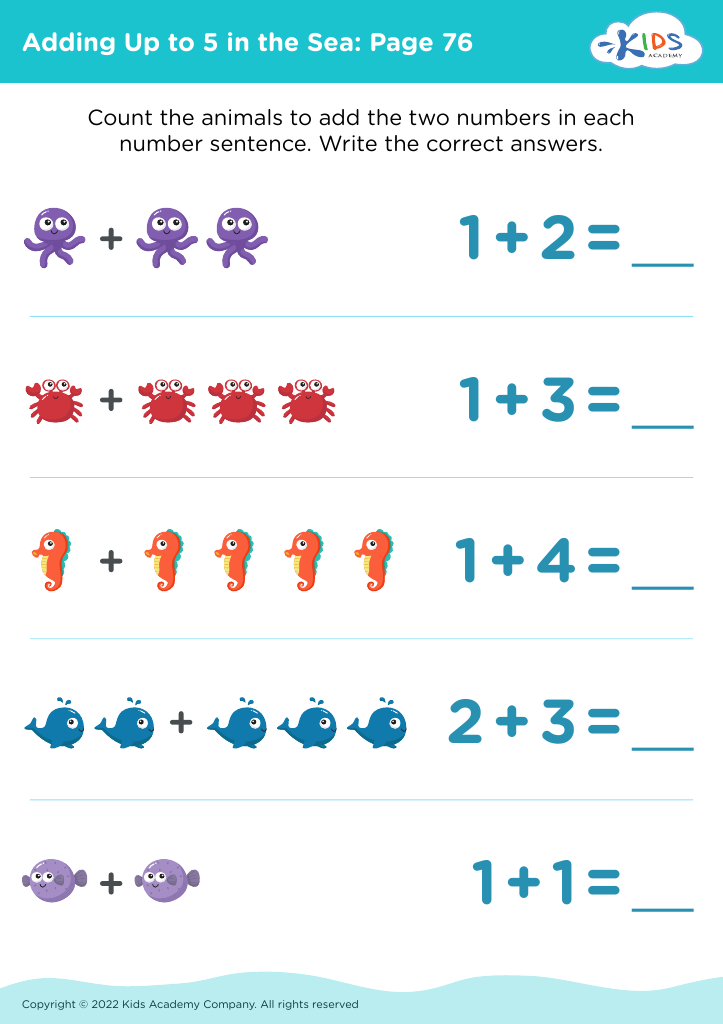
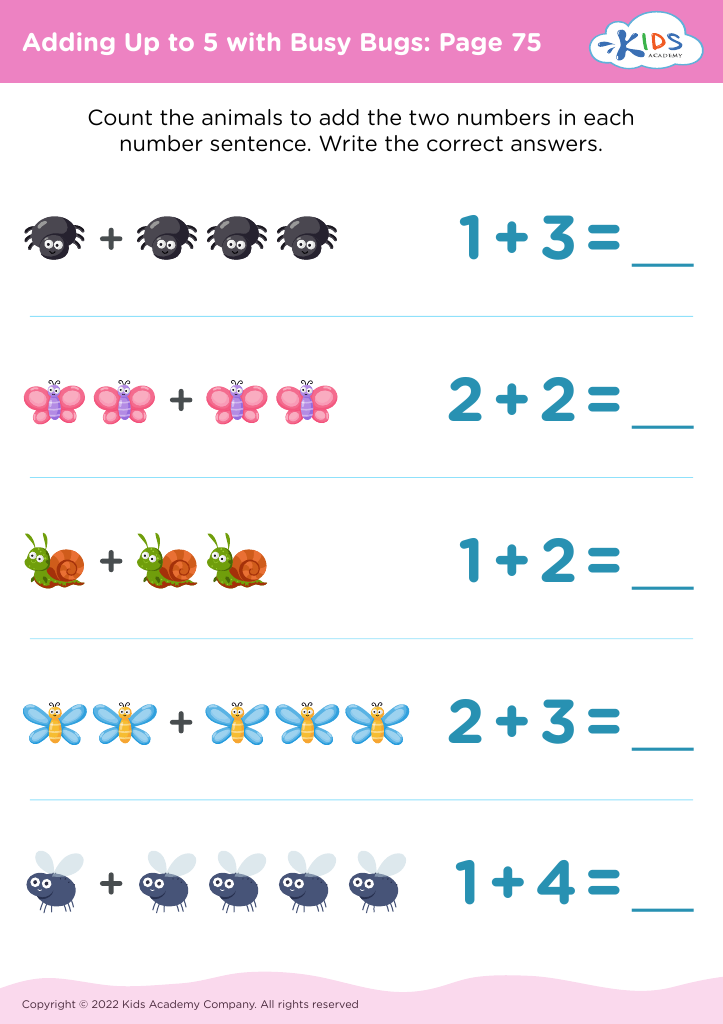
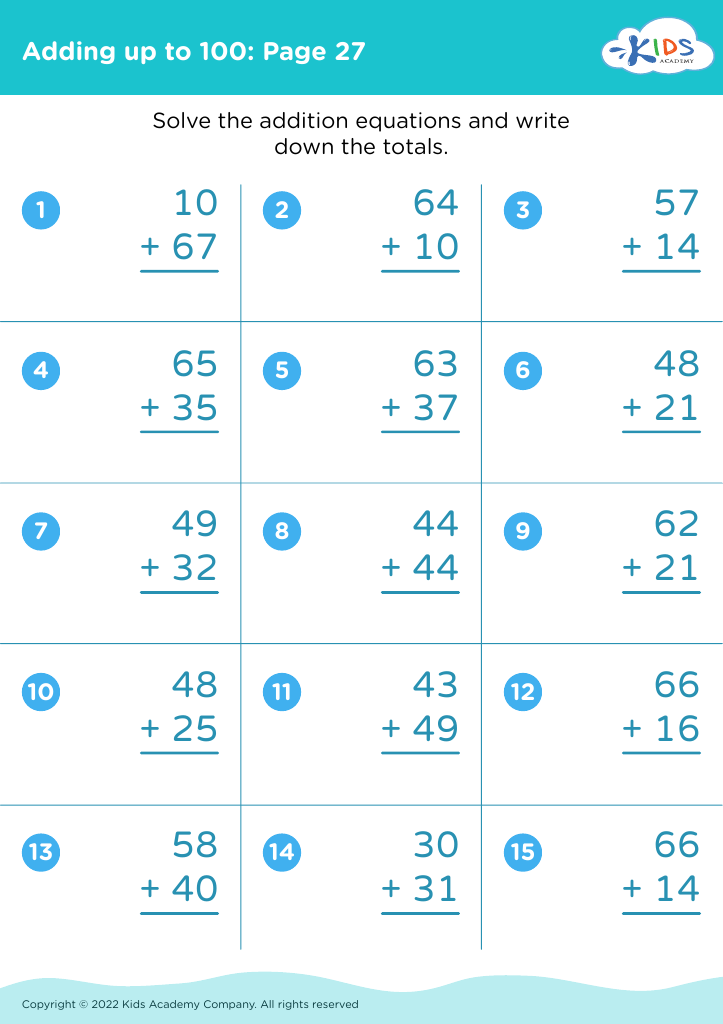
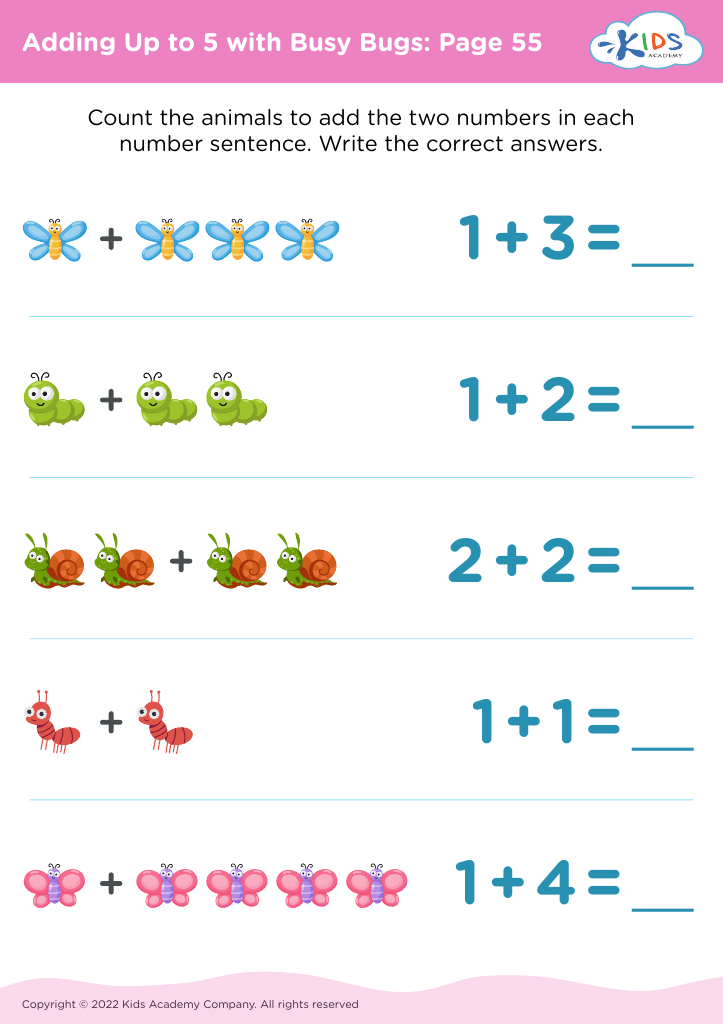
Enhance your child's numerical skills with our "Basic Math Understanding Worksheets" tailored for ages 5-9. Developed by educational experts, these engaging worksheets cover fundamental math concepts, featuring fun activities to reinforce addition, subtraction, multiplication, and division. Each worksheet is designed to build a strong mathematical foundation, improve problem-solving abilities, and boost confidence in young learners. Printable and easy to use, they are perfect for school or home practice. Help your child excel in math with our interactive and colorful resources for effective and enjoyable learning experiences. Visit Kids Academy today and start the math adventure!
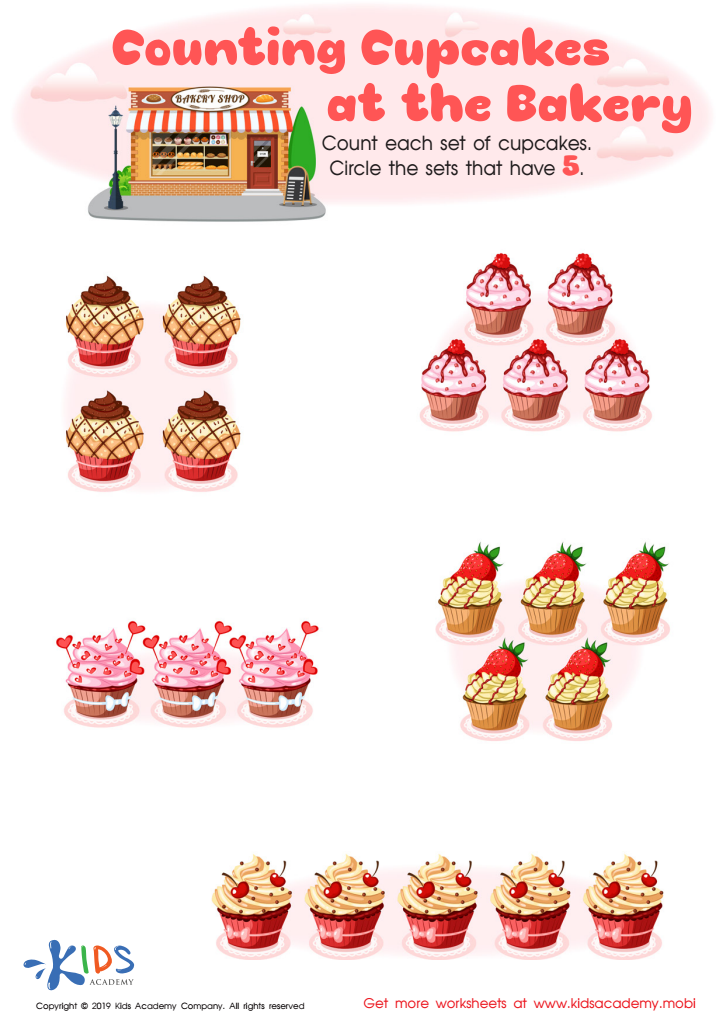
Counting Cupcakes Worksheet
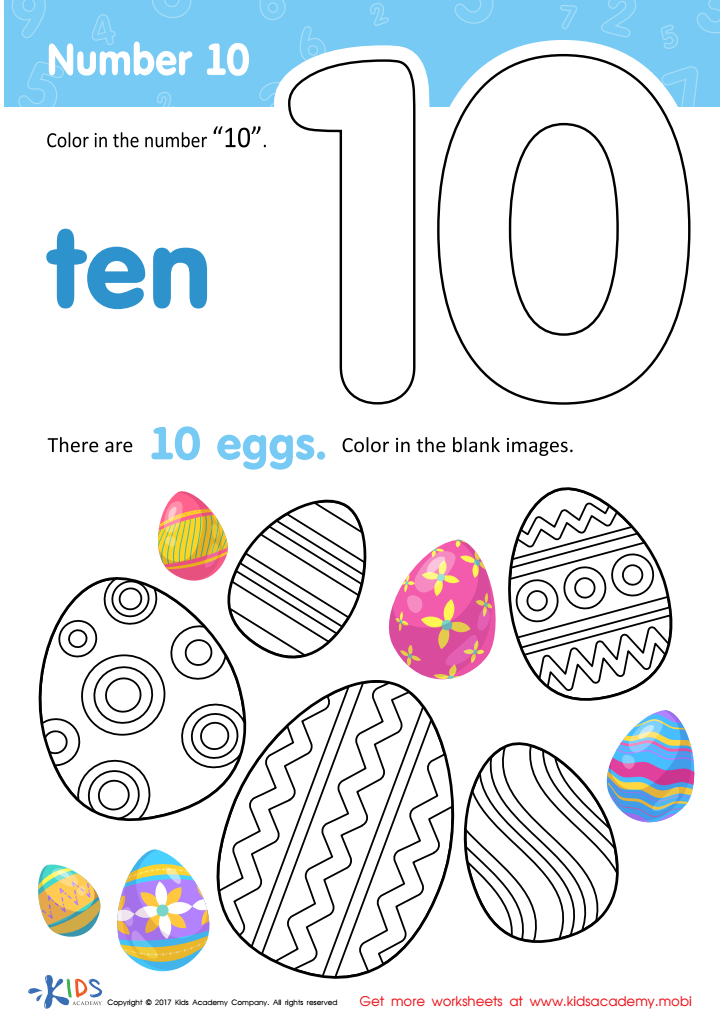
Number 10 Printable
 Assign to My Students
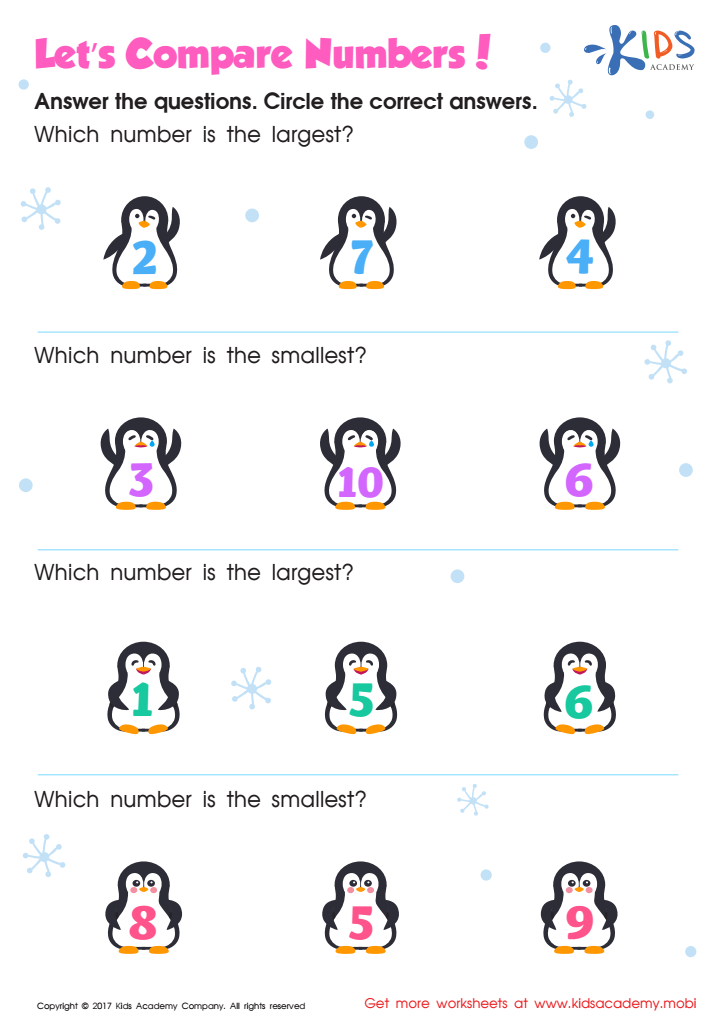
Comparing Numbers 1–10 Worksheet Kindergarten
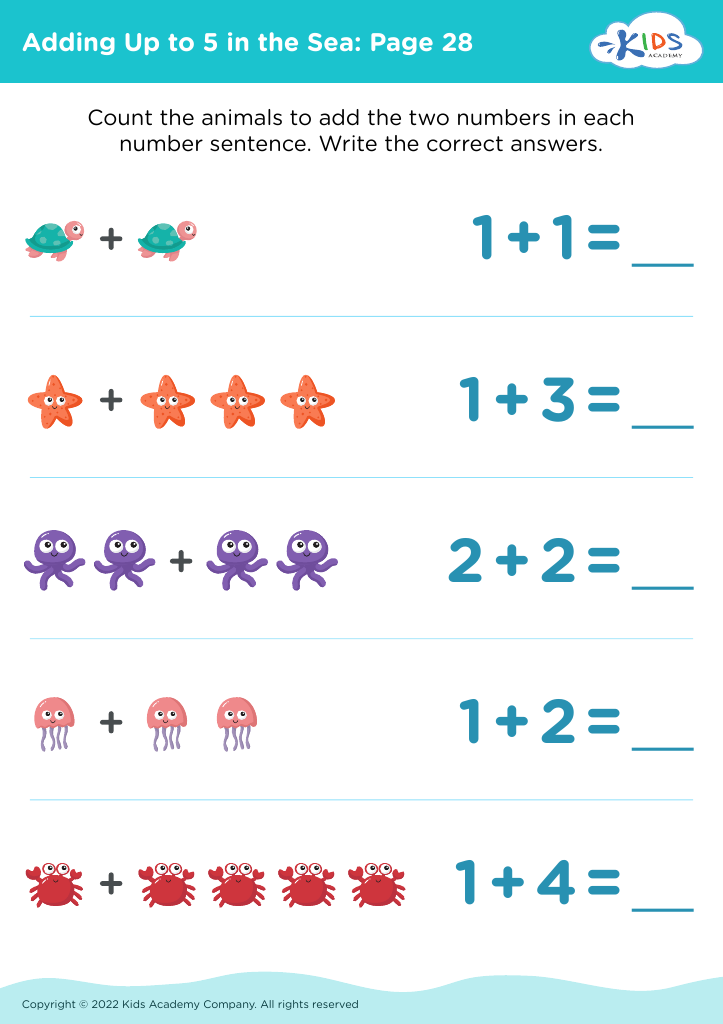







Basic math understanding is foundational for children ages 5-9, as it forms the basis for more complex mathematical concepts and real-life problem-solving skills they will encounter later. Parents and teachers should care about this early stage of learning math because it is during this period that children develop a positive or negative attitude towards the subject.
First, basic math skills such as counting, addition, subtraction, and understanding shapes are critical for everyday activities. These skills enhance logical thinking and problem-solving abilities. If children grasp these concepts early, they are more likely to succeed in school as these principles are integrated into science, technology, engineering, and math (STEM) education.
Second, early mastery of math helps boost children's confidence. If children feel competent in math, they are likely to approach future mathematical challenges with a positive mindset. Early struggles, if not addressed, can lead to a persistent fear or dislike of math, which can impact academic performance beyond the subject itself.
Additionally, understanding basic math helps in developing critical cognitive skills such as memory, concentration, and mental arithmetic. Support and encouragement from parents and teachers are crucial. They can create a stimulating environment where math is seen as a fun and integral part of daily life, fostering a long-lasting interest and appreciation for the subject.








