Counting skills Math Worksheets for Ages 5-9 - Page 20
459 filtered results
-
From - To
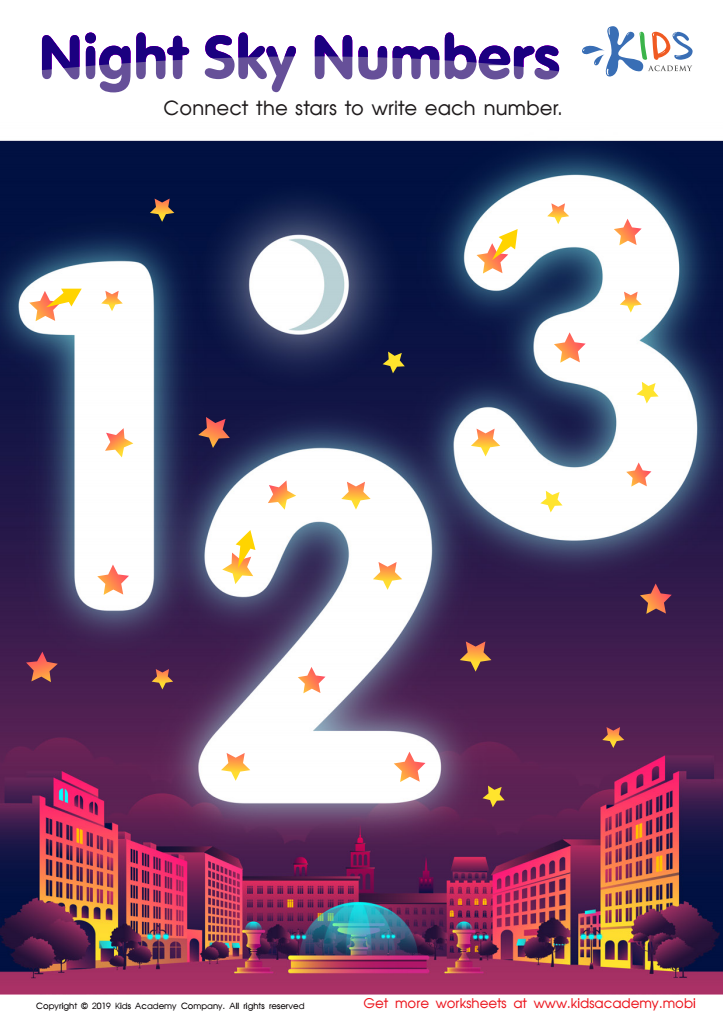
Night Sky Numbers Worksheet
 Assign to My Students
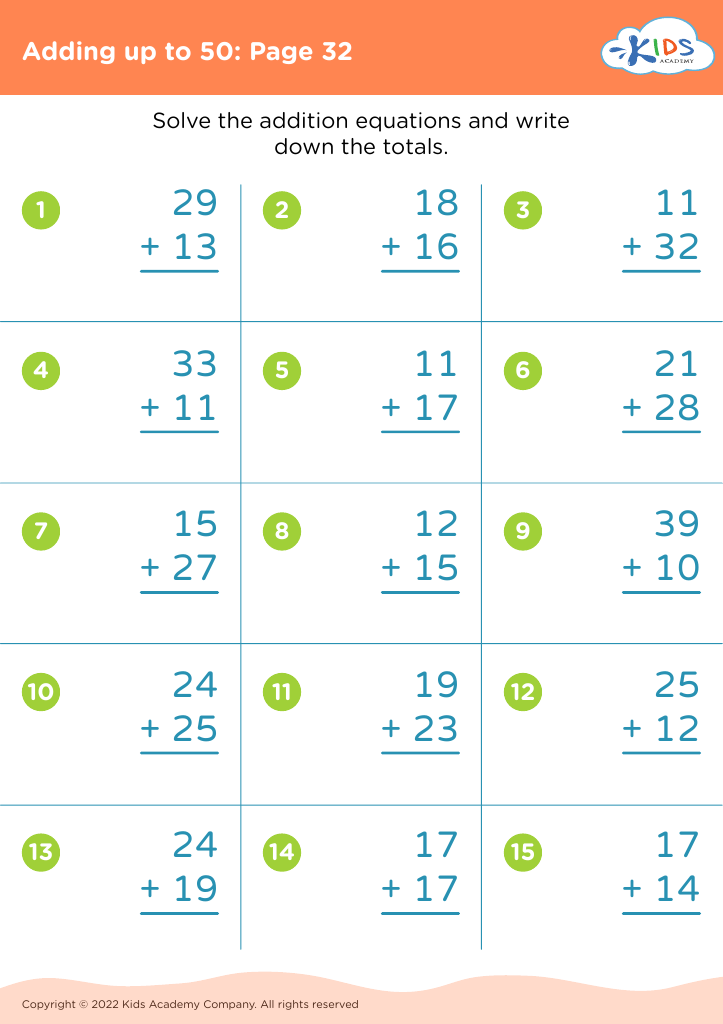
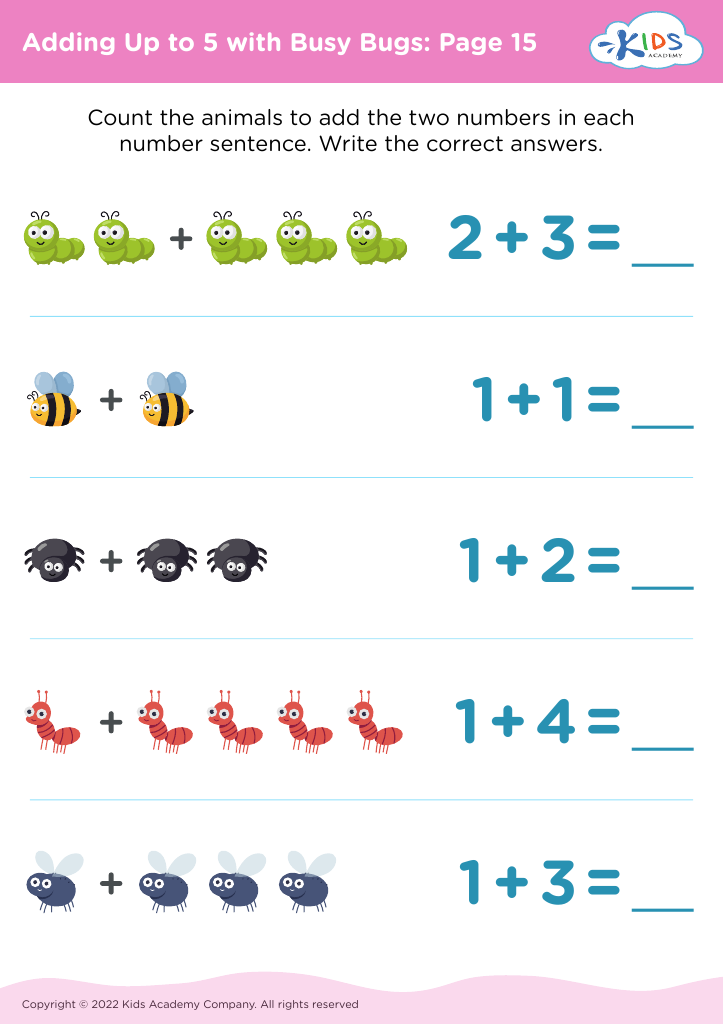







Counting skills are foundational to a child's mathematical understanding and have lasting impacts on their academic journey. For children ages 5-9, developing counting skills is not just about knowing numbers but involves recognizing quantity, sequences, and patterns. These skills are integral for early math concepts like addition and subtraction, and they form the bridge to more complex mathematical operations in later grades.
Parents and teachers should care about counting skills because they underpin critical cognitive development. Competence in counting enhances problem-solving abilities and encourages logical thinking. Moreover, strong counting skills are linked to greater success in standardized testing later in education.
Additionally, counting engages children in both fun and meaningful ways, fostering a positive attitude towards mathematics. When parents and teachers demonstrate enthusiasm for counting through games, songs, and interactive activities, children are more likely to develop a love for math.
Furthermore, counting skills often correlate with social skills, as children can engage with peers in activities involving counting, such as games or group projects. Cultivating these skills lays the groundwork for confident learners who view mathematics as an integral part of their everyday lives, ultimately contributing to children's overall success both in and out of the classroom.








