Developing logical thinking Math Worksheets for Ages 5-9
7 filtered results
-
From - To
Unlock your child's potential with our engaging "Developing Logical Thinking Math Worksheets" designed for ages 5-9! These customizable worksheets are crafted to help young learners enhance their critical thinking skills through fun, interactive exercises. By solving puzzles and tackling problems, children will strengthen their ability to think logically and reason effectively. Our easy-to-navigate platform provides worksheets that cater to various learning levels, ensuring that every child can succeed at their own pace. Ideal for home study or classroom use, these resources foster a love for math while building foundational skills that are essential for their academic journey. Start developing your child's logical thinking today!
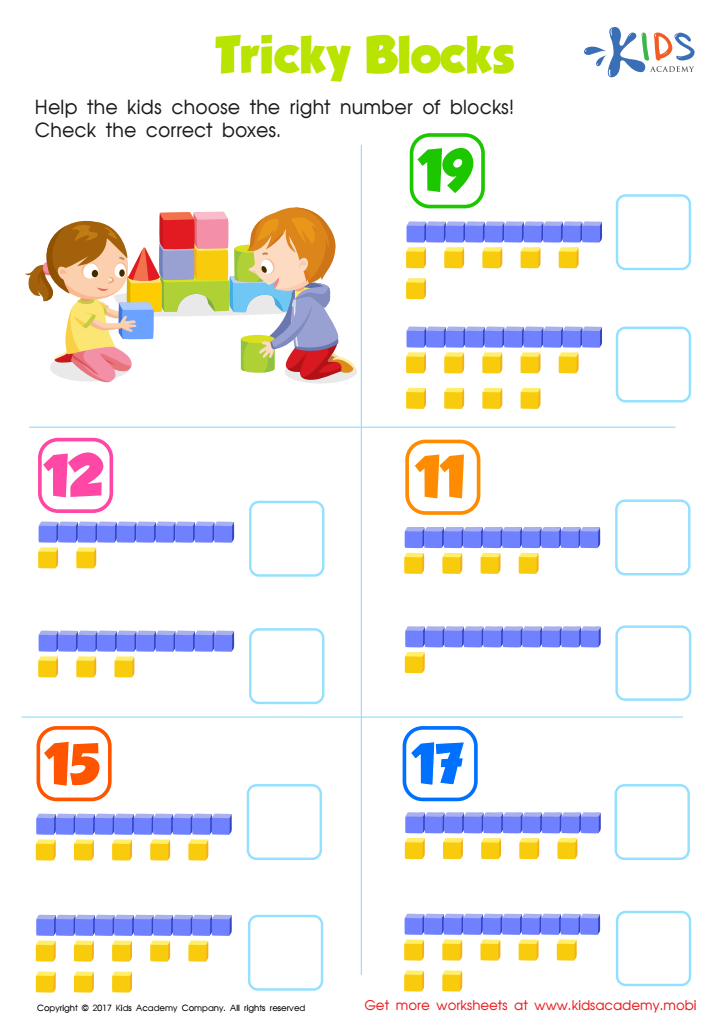
Tricky Blocks Worksheet
 Assign to My Students
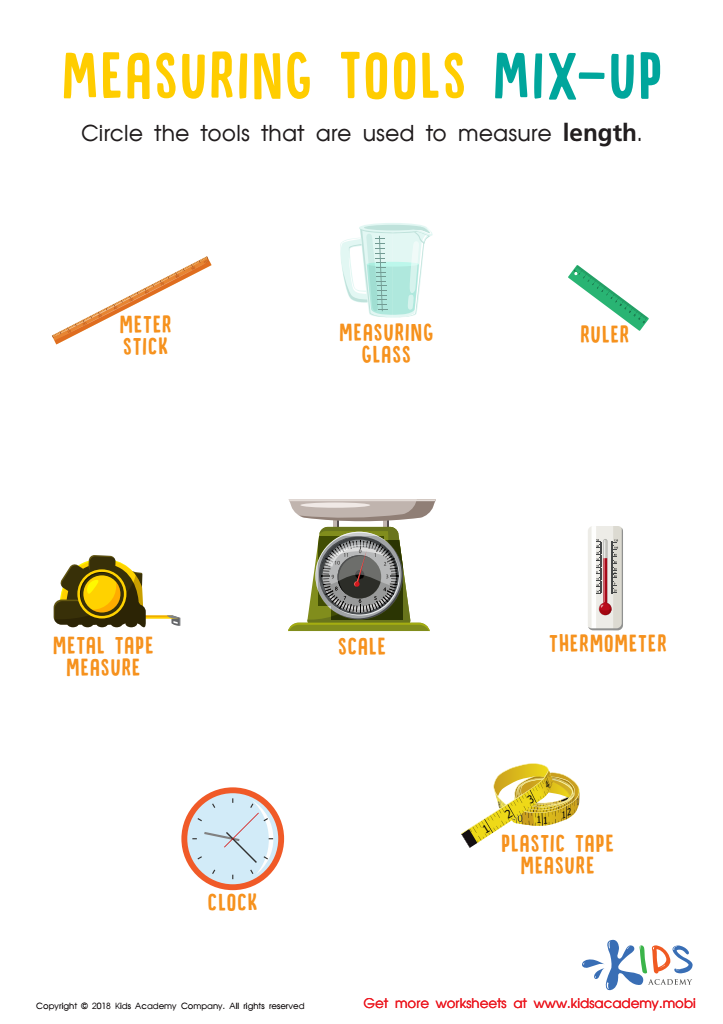
Measuring Tools Mix–up Worksheet

Quadrilateral Maze Worksheet
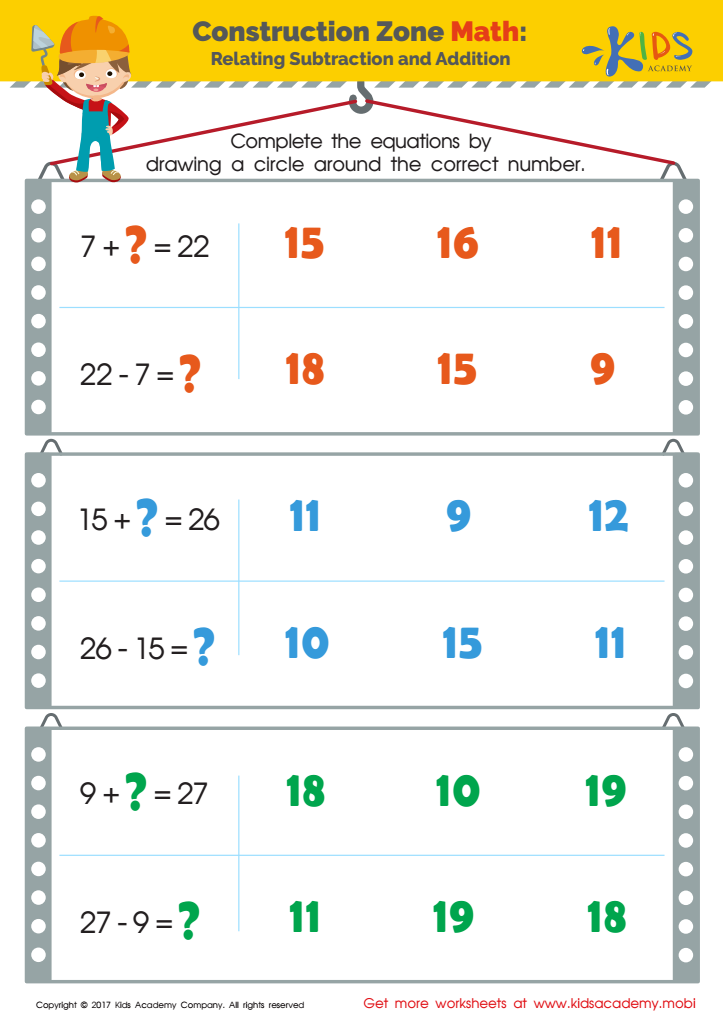
Related Addition and Subtraction Facts Worksheet







Developing logical thinking in math for children aged 5-9 is crucial for several reasons. At this developmental stage, children's cognitive abilities are rapidly growing, and nurturing logical thinking helps lay a strong foundation for future learning. Math skills are intertwined with logic, as they teach children how to analyze problems, make connections, and draw conclusions based on the information they have.
When parents and teachers encourage logical thinking, they empower children to approach problems methodically rather than memorizing isolated facts. This skill enhances their ability to comprehend more complex concepts in later grades, fostering resilience when faced with challenging math problems.
Furthermore, logical thinking promotes critical life skills such as reasoning, decision-making, and effective communication. As children learn to articulate their thought processes, they build confidence and a positive attitude toward learning.
Incorporating logical thinking in math instruction also helps children apply their knowledge across various subjects, making learning more interconnected and meaningful. This holistic approach not only supports academic success but also prepares them for real-world situations where logical reasoning is essential. Ultimately, investing in the development of logical thinking through math will benefit children academically and personally for years to come.








