Fine motor development Math Worksheets for Ages 5-9
7 filtered results
-
From - To
Enhance your child's fine motor development with our engaging math worksheets designed for ages 5-9. These fun, interactive activities promote essential skills such as hand-eye coordination, dexterity, and precision while introducing fundamental math concepts. Children will enjoy tracing, coloring, and practicing number formation that blend creativity with learning. Our worksheets cater to various learning styles, ensuring an enjoyable experience for every child. Perfect for home or classroom use, these resources foster both mathematical understanding and fine motor skills, paving the way for a confident start in their educational journey. Explore our collection and watch your child thrive!
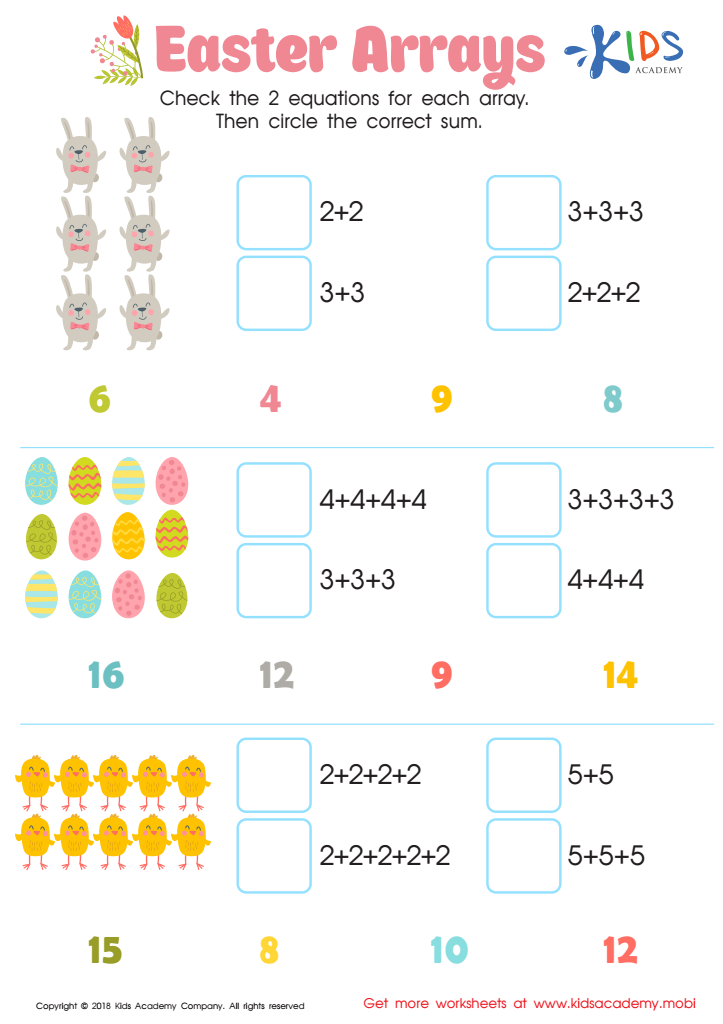
Easter Arrays Worksheet
 Assign to My Students
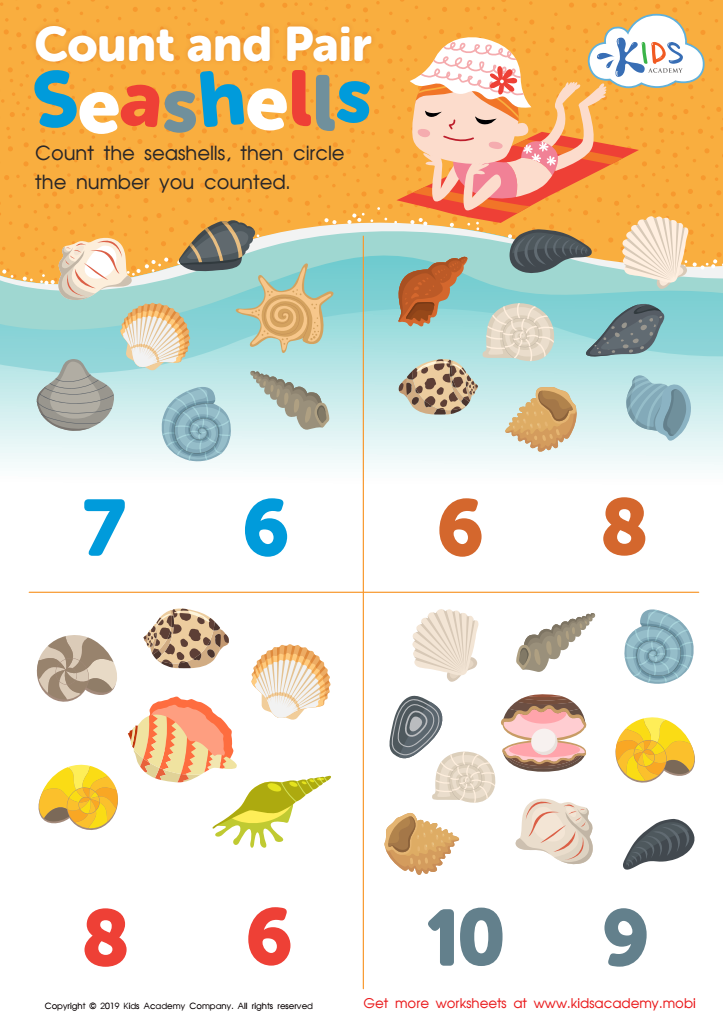
Count and Pair Seashells Worksheet
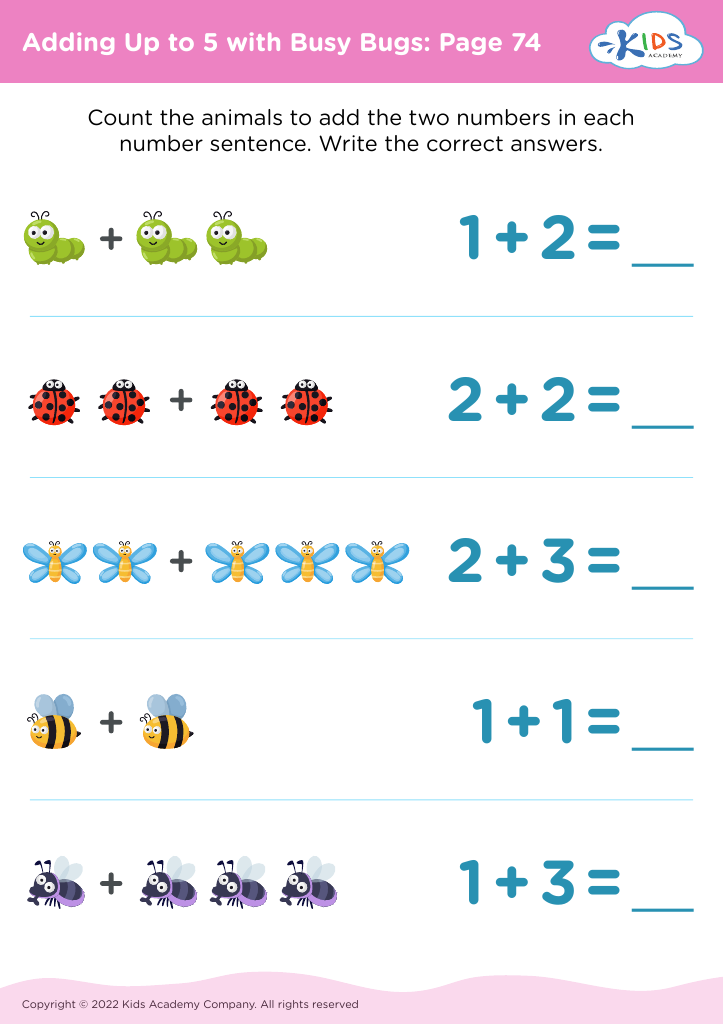
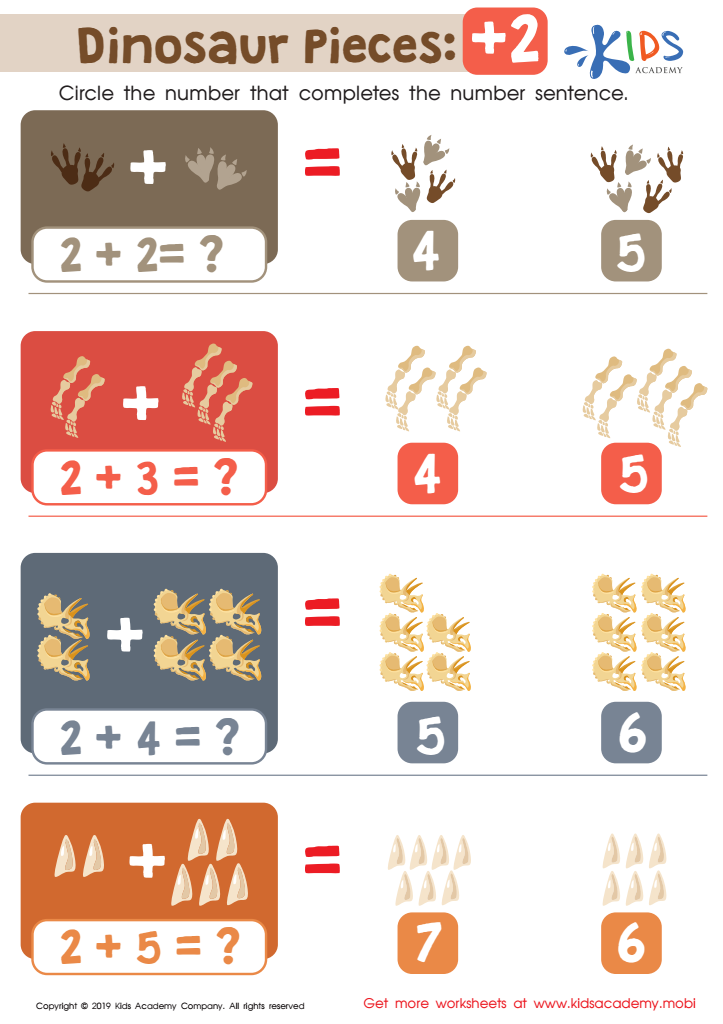
Dinosaur Pieces: +2 Worksheet
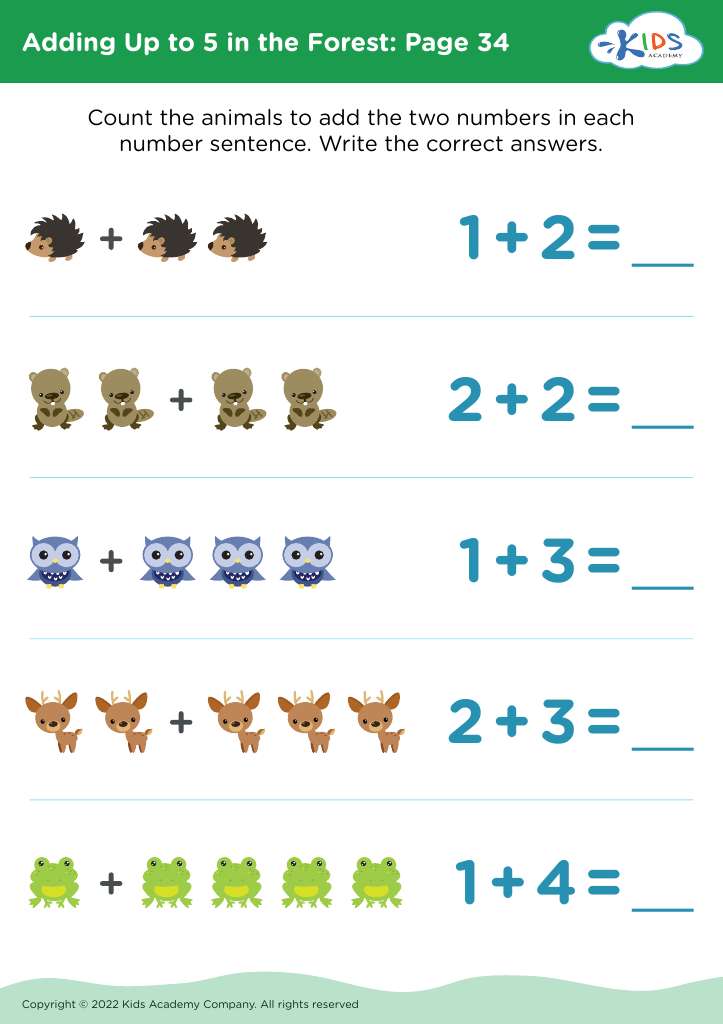
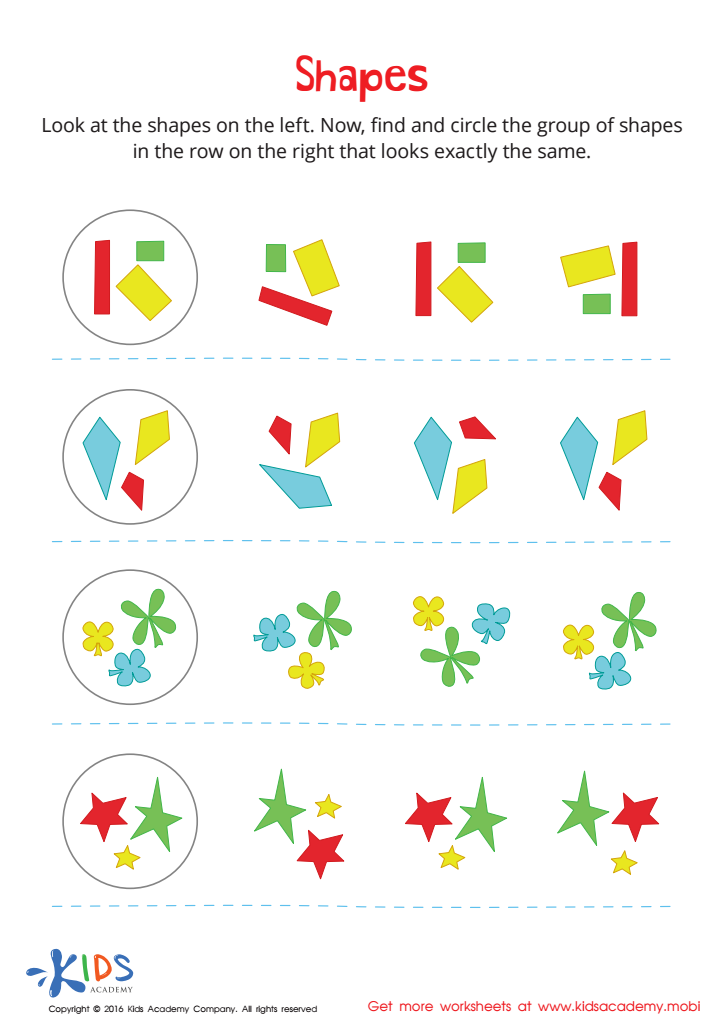
Shapes Worksheet

Kindergarten Number Tracing: Medow Flowers Worksheet







Fine motor development plays a crucial role in a child's overall learning journey, particularly in mathematics for children aged 5-9. This developmental stage is not just about practicing dexterity but also supports cognitive skills essential for math success. Fine motor skills include the ability to grasp, manipulate, and coordinate hand movements, which are vital for engaging with mathematical tools such as pencils, rulers, scissors, or even manipulatives like blocks or beads.
As children learn to write numbers, draw shapes, and organize their mathematical thoughts, strong fine motor skills enable them to execute these tasks with confidence. Furthermore, fine motor activities encourage problem-solving, hand-eye coordination, and the ability to focus—skills that are essential in both math and everyday life.
Parents and teachers should take an active interest in supporting fine motor development through engaging activities such as threading beads, building with LEGO, or even simple art projects. These experiences not only enhance children's physical abilities but also lay the groundwork for critical thinking and reasoning in mathematics. Investing in fine motor development translates to enhanced academic performance and greater enjoyment of learning, fostering a positive attitude towards math that will benefit children in their educational journey.








