Fine Motor Skills (coloring) Math Worksheets for Ages 5-9
9 filtered results
-
From - To
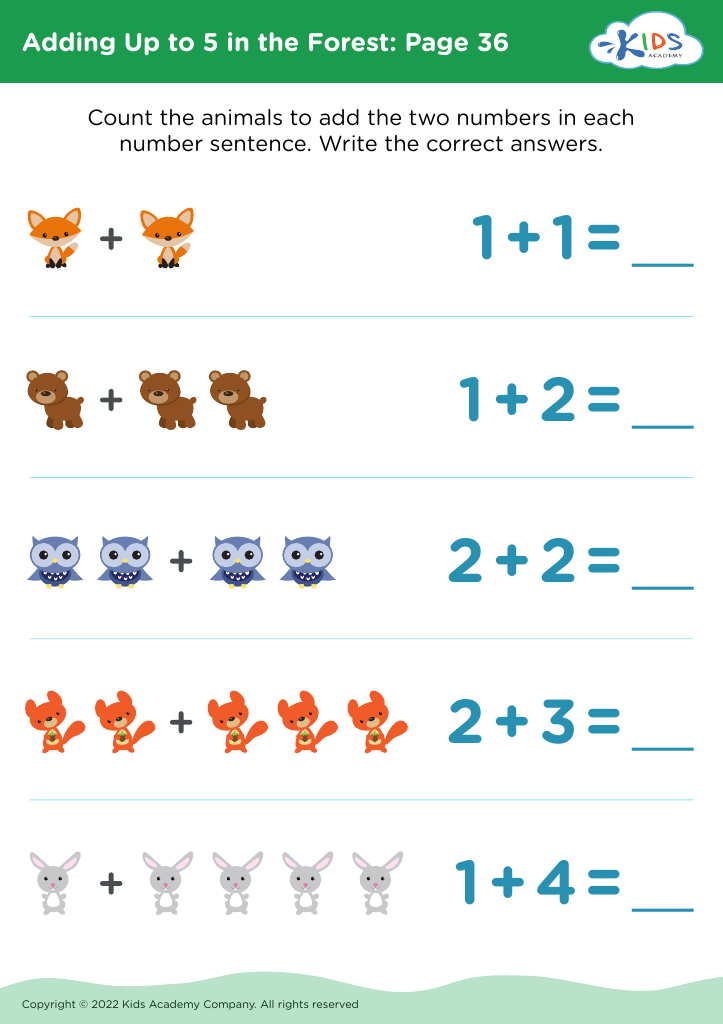
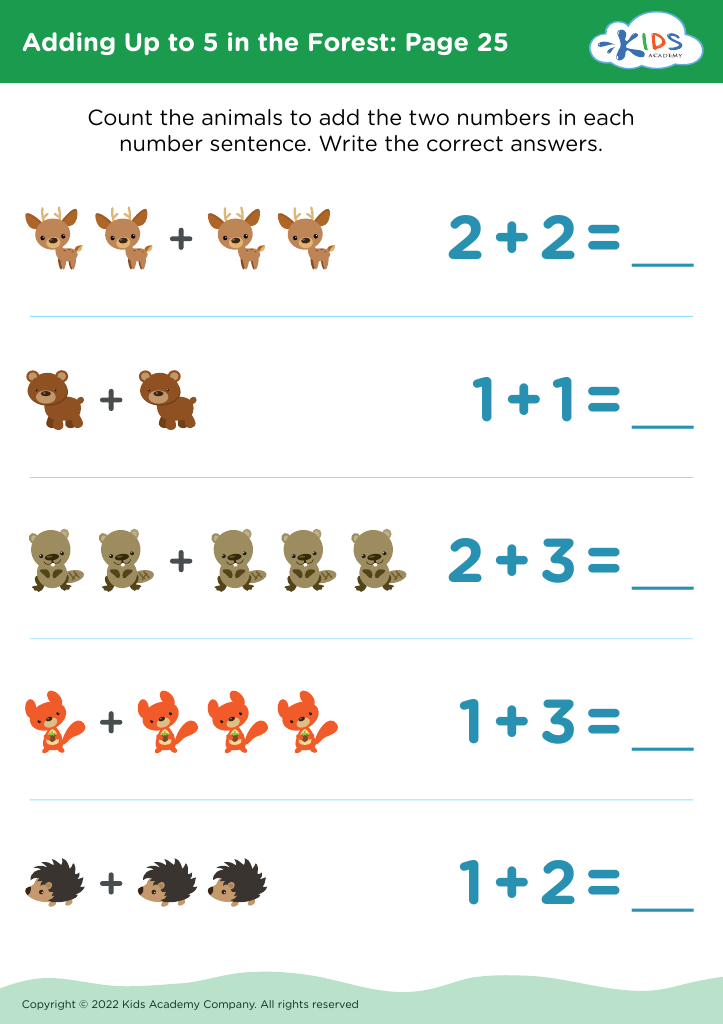
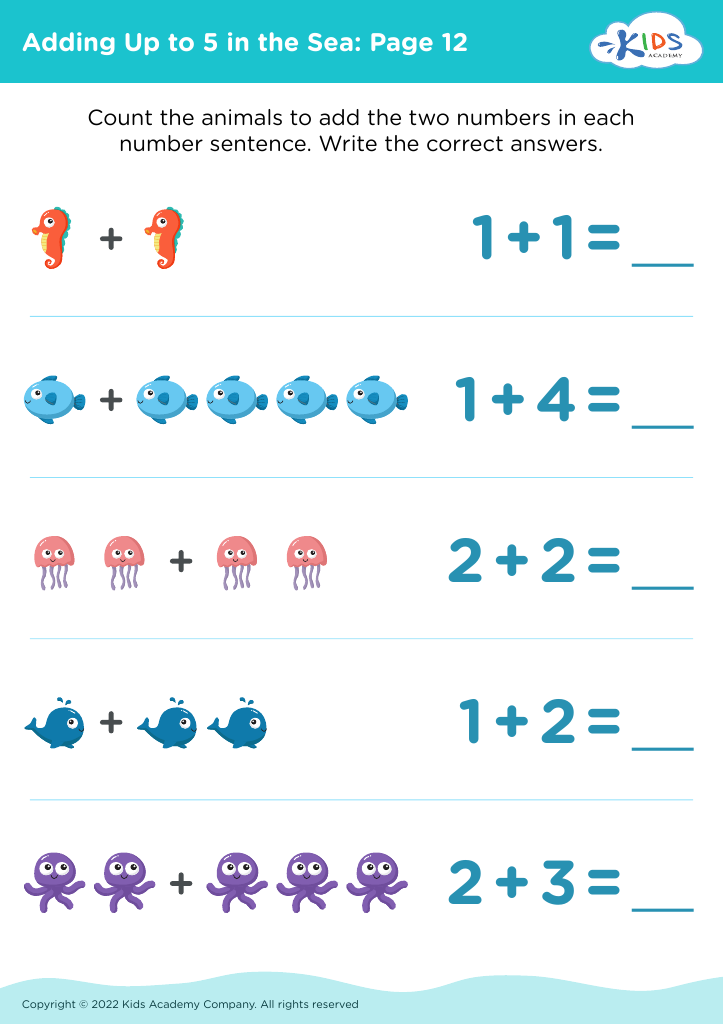
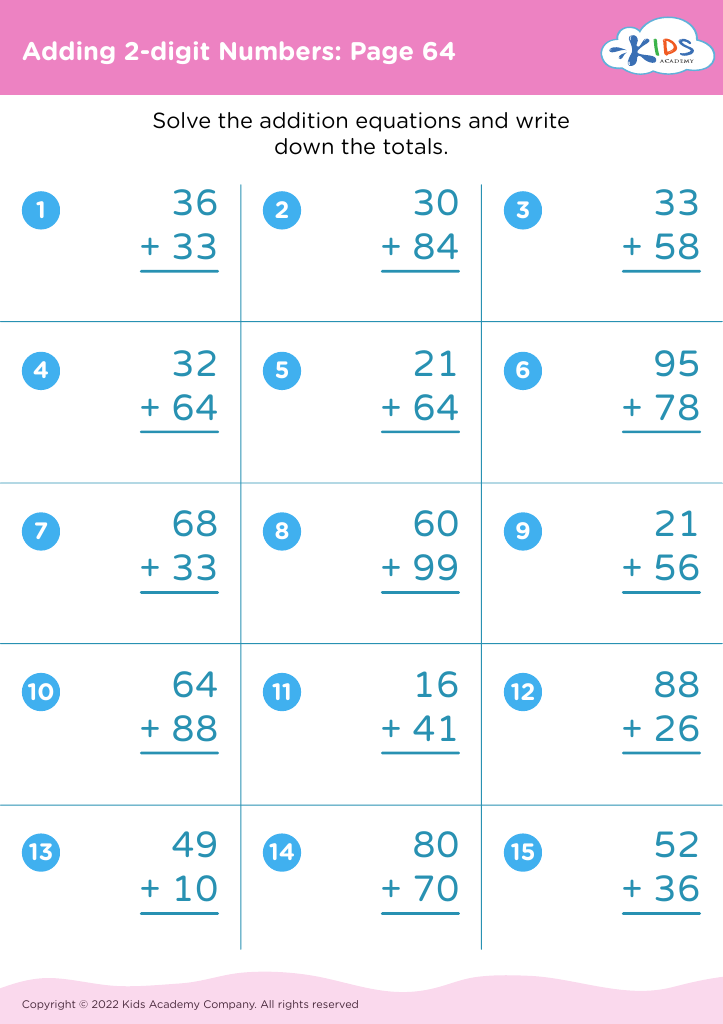
Enhance your child's math and fine motor skills with our engaging coloring math worksheets designed for ages 5-9! Combining fun and education, these printable worksheets help young learners practice math concepts like numbers, counting, and basic operations while honing their coloring and fine motor abilities. Perfect for preschool and elementary children, each worksheet transforms math practice into a creative activity that keeps them motivated. By coloring within lines, kids steadily improve their hand-eye coordination, grip strength, and pencil control. Boost confidence and learning excitement with Kids Academy’s innovative Fine Motor Skills Coloring Math Worksheets!
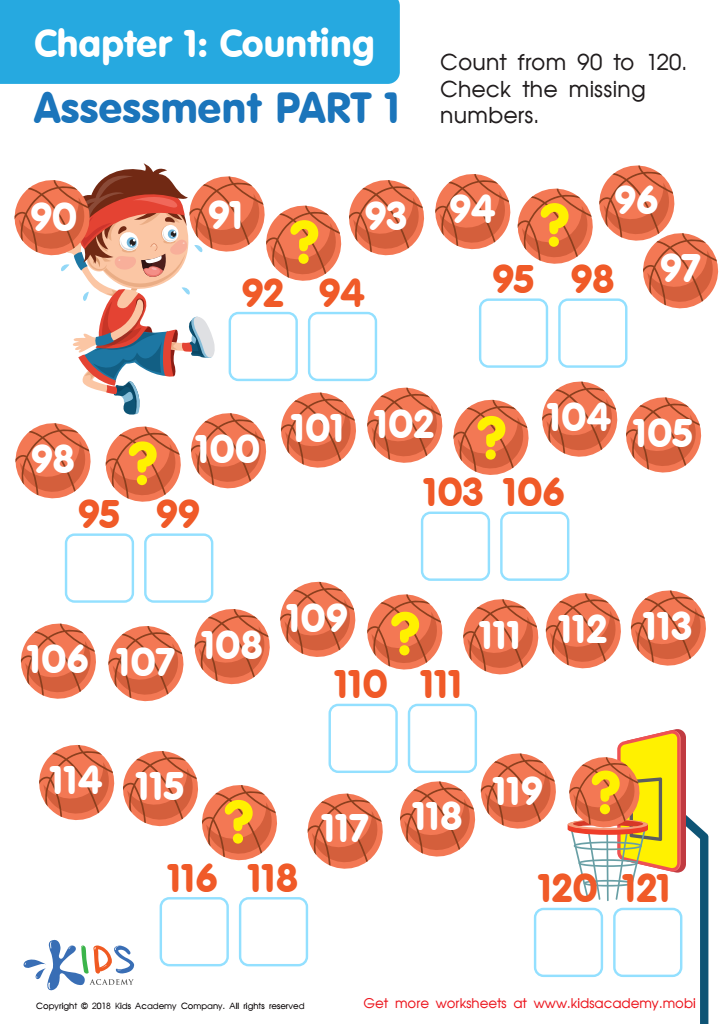
Counting Past 1: Assessment 1 Worksheet
 Assign to My Students
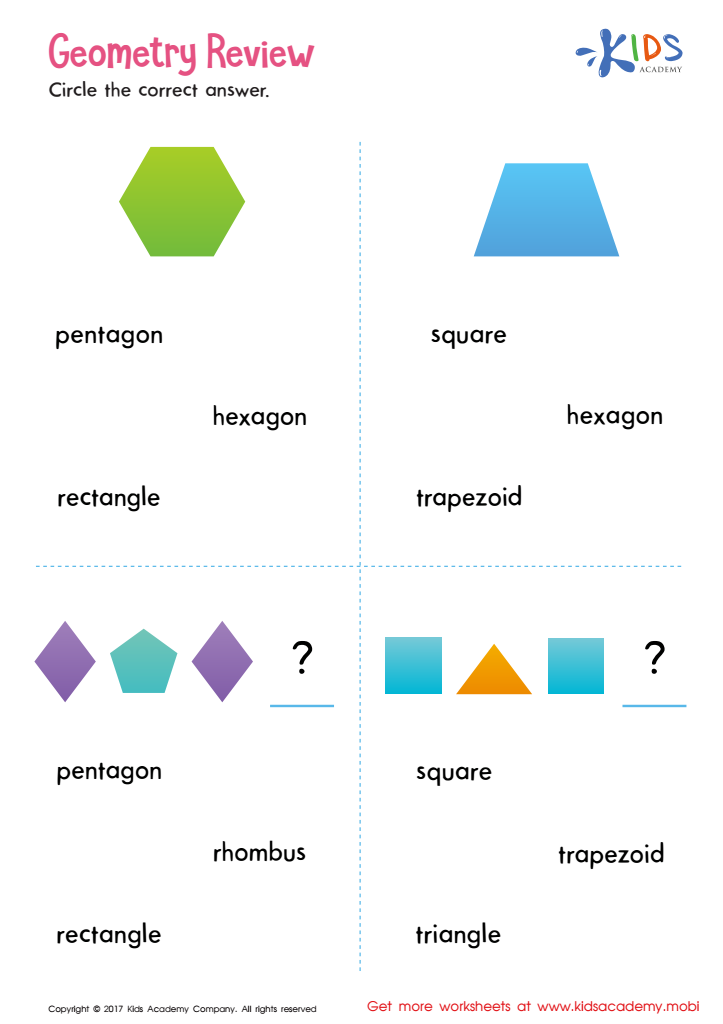
Geometry Review Printable
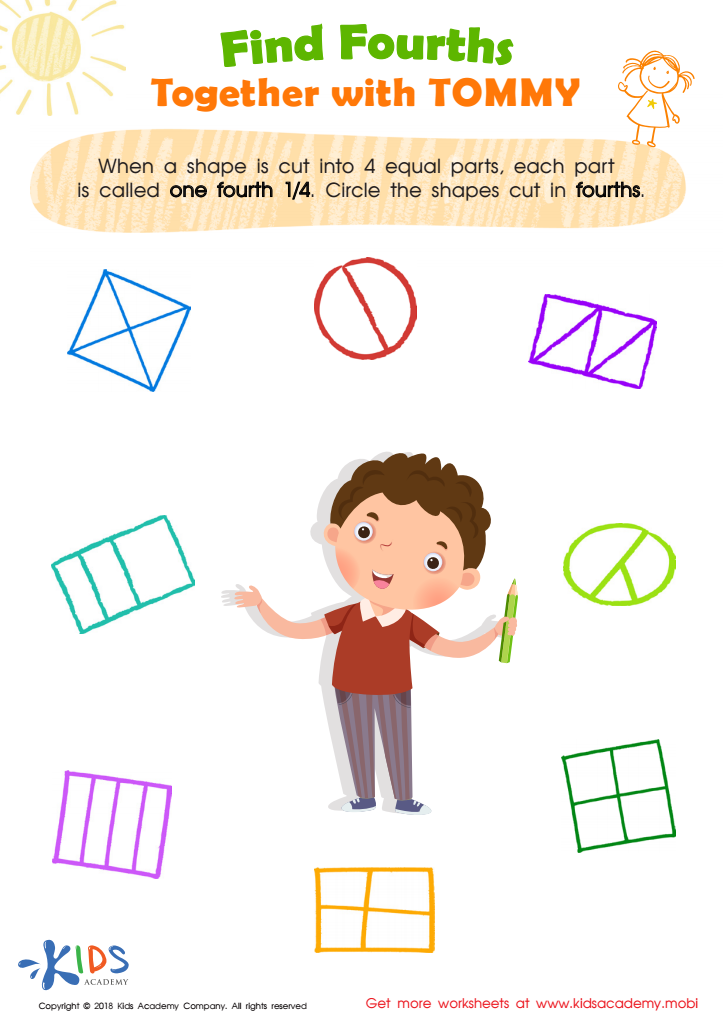
Find Fourths Together with Tommy Worksheet








Parents and teachers should prioritize developing fine motor skills through activities like coloring and integrating math for children aged 5-9 because these foundational abilities are critical to overall cognitive and physical development. Fine motor skills, which involve the small muscle movements of the hands and fingers, directly impact a child’s ability to perform essential tasks such as writing, manipulating small objects, and completing everyday activities independently.
When children engage in coloring and math together, they develop their hand-eye coordination, dexterity, and spatial awareness. Coloring within the lines requires precision and control, while recognizing numbers and shapes enhances their ability to understand mathematical concepts in a tangible, engaging way. This dual approach fosters both creativity and analytical thinking, making learning more comprehensive.
Additionally, integrating fine motor skills in math activities makes learning fun and reduces anxiety around challenging subjects by presenting them in a playful, hands-on manner. It encourages perseverance, attention to detail, and patience—essential qualities for academic success. Early mastery of these skills not only supports writing and arithmetic tasks but also boosts self-esteem, leading to a more positive attitude towards learning.
Ultimately, nurturing fine motor development through such creative methods equips children with the tools they need for future academic and personal growth, laying a solid foundation for lifelong learning.








