Fine Motor Skills Math Worksheets for Ages 5-9 - Page 9
211 filtered results
-
From - To

Count and Match: Feed the Animals Worksheet
 Assign to My Students
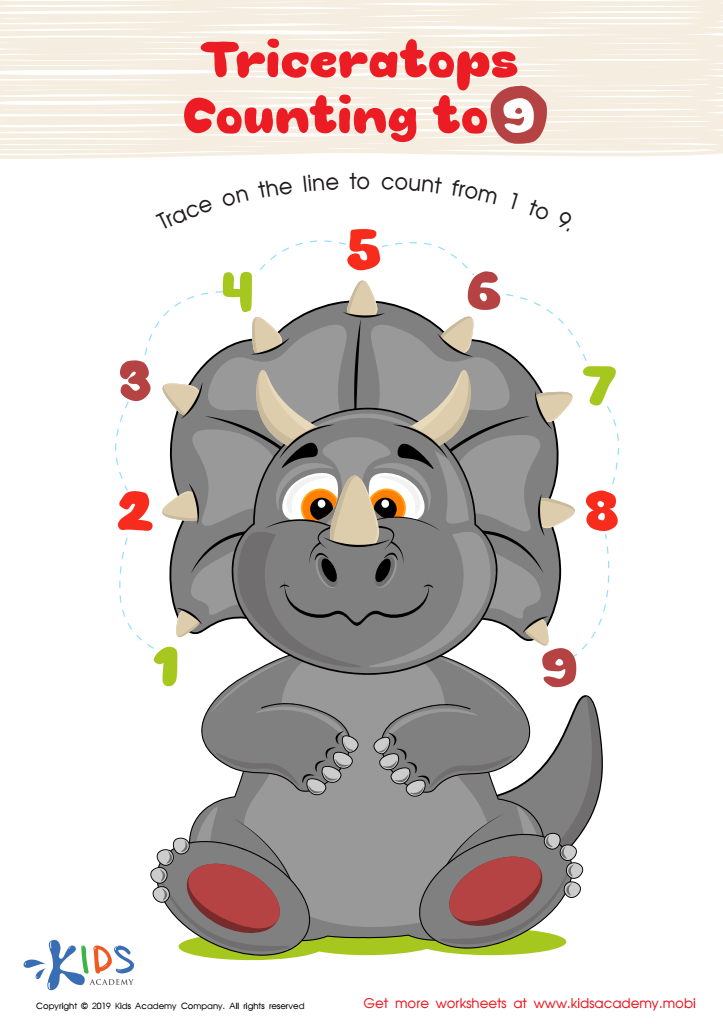
Triceratops Counting to 9 Worksheet
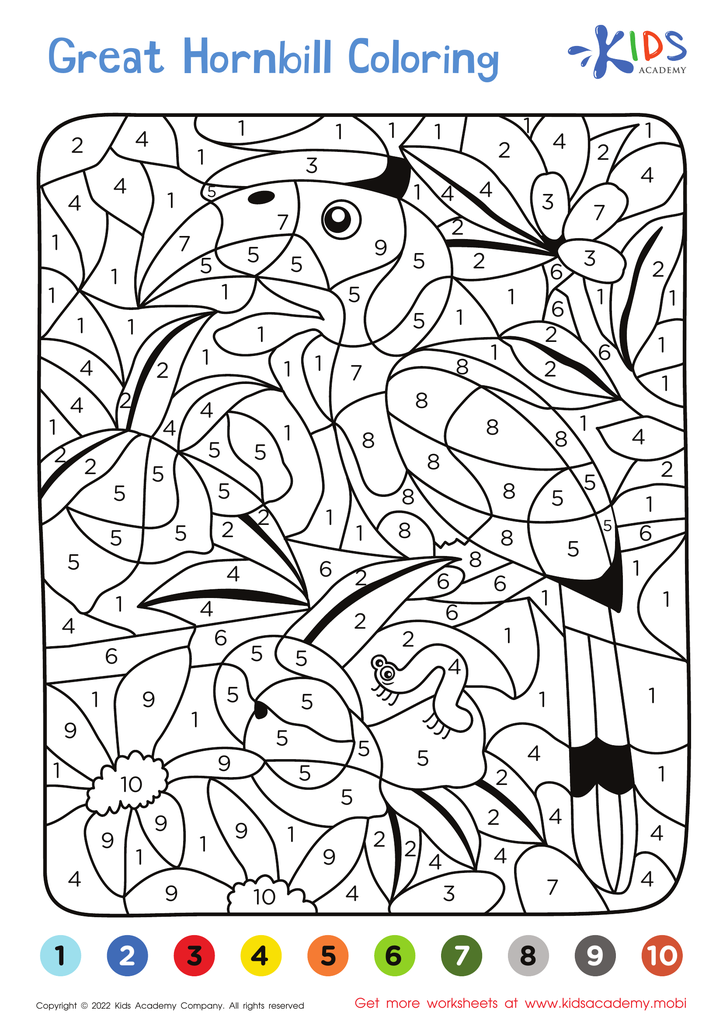
Great Hornbill – Coloring by Numbers

Counting on the City Skyline: Dot-to-Dot Worksheet
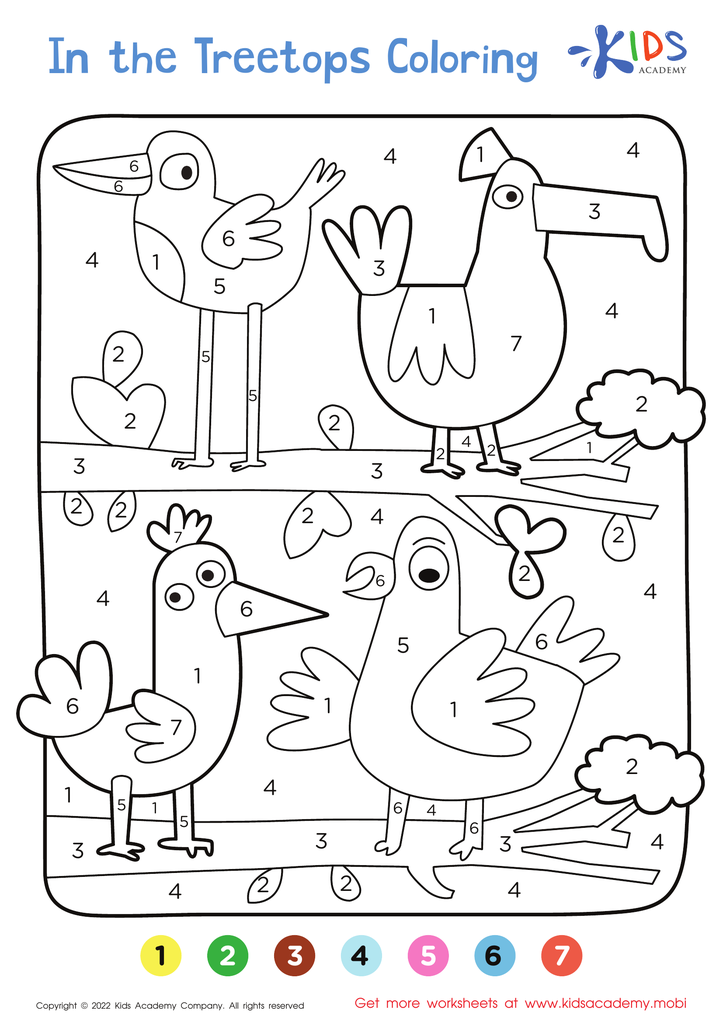
In the Treetops – Coloring Page
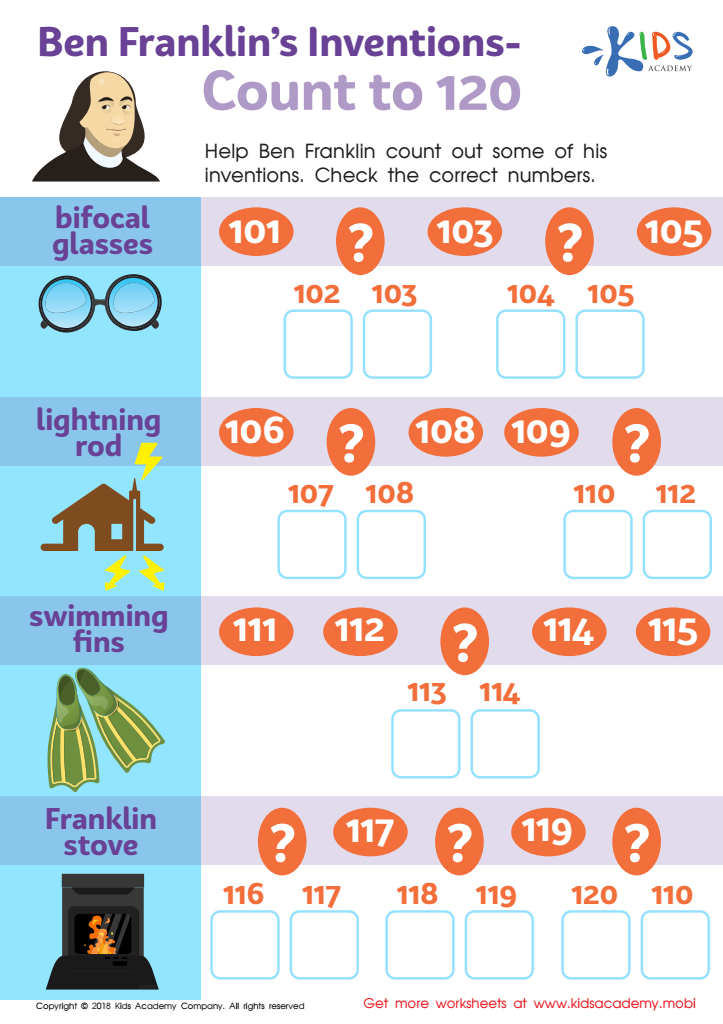
Ben Franklin’s Inventions – Count to 120 Worksheet

Twinkle, Twinkle, Little Star – Coloring by Numbers
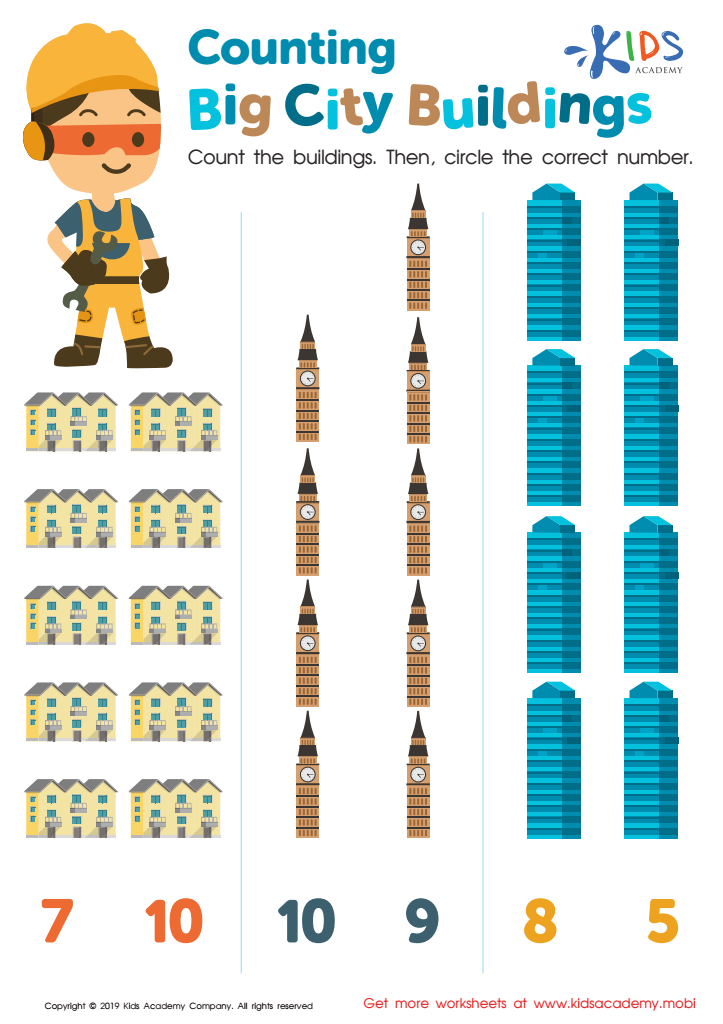
Counting Big City Buildings Worksheet
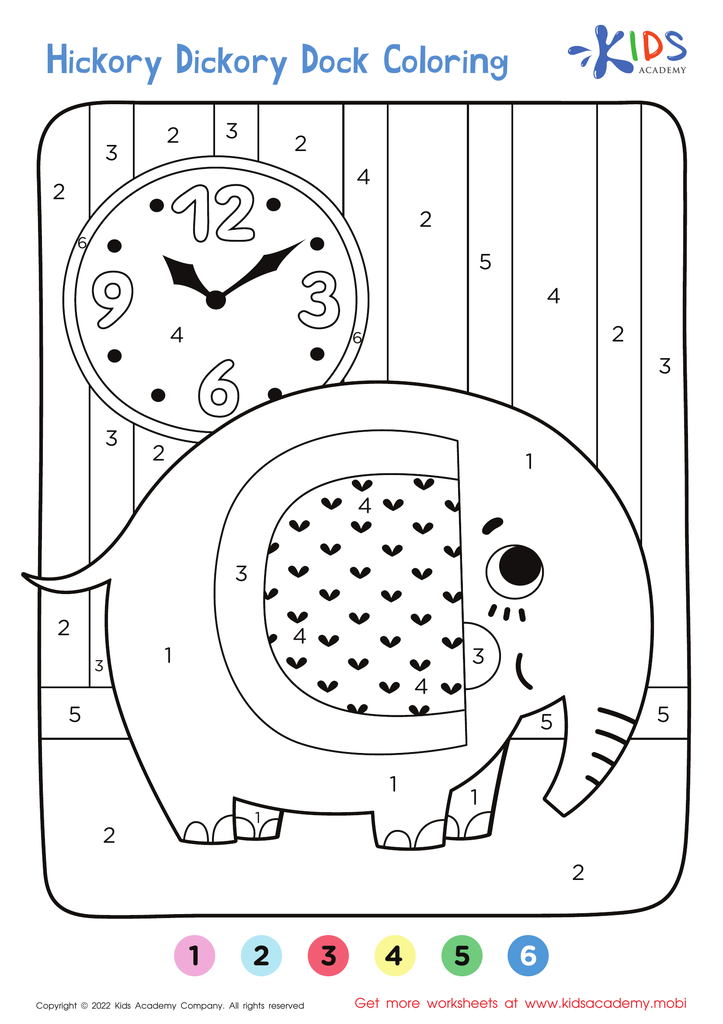
Hickory Dickory Dock – Coloring by Numbers
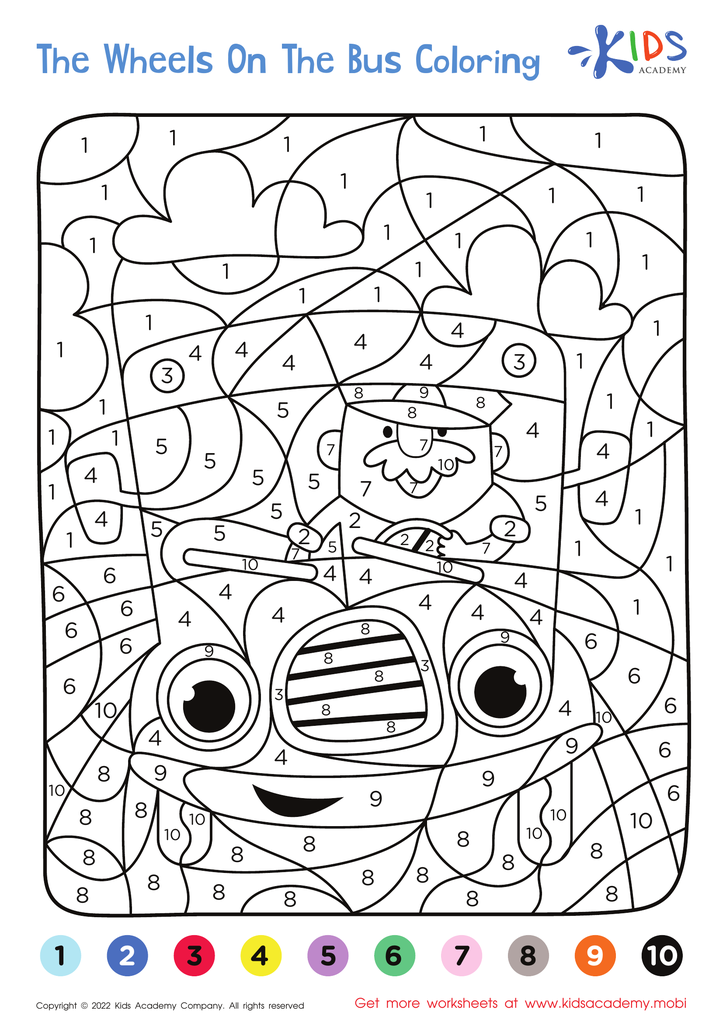
Wheels on the Bus – Coloring by Numbers
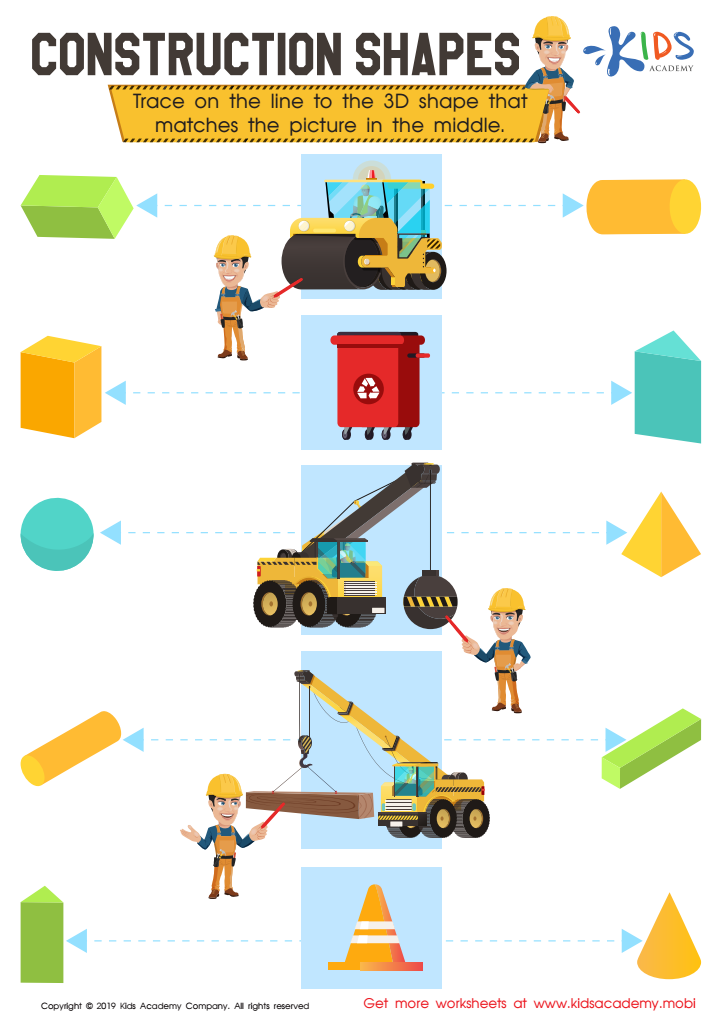
Construction Shapes Worksheet

Night Sky Numbers Worksheet
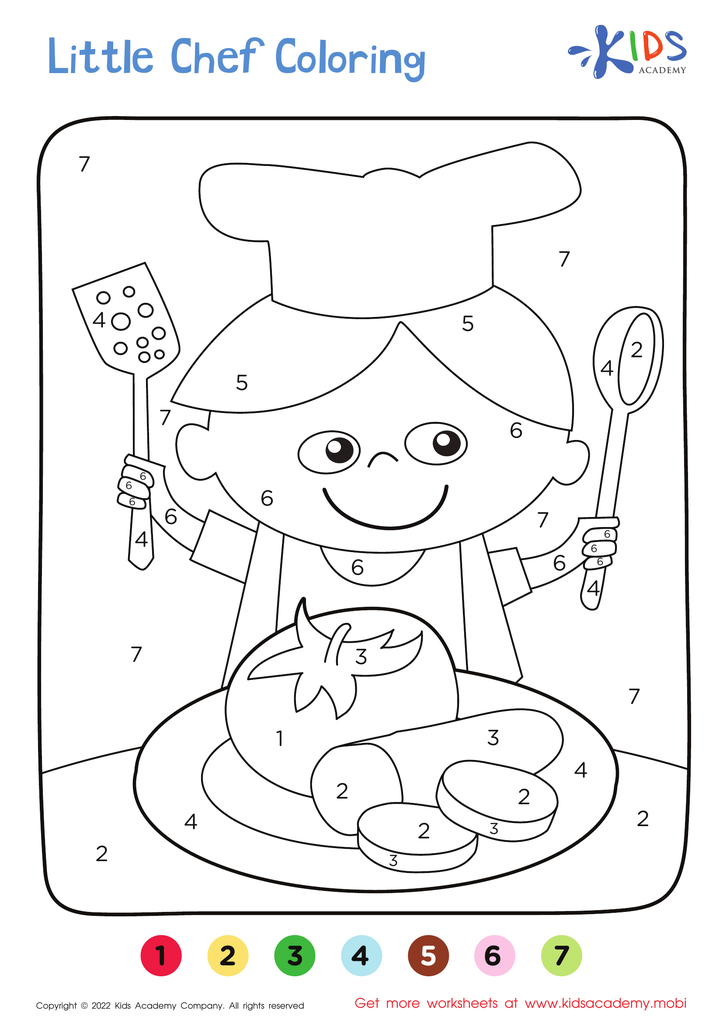
Little Chef – Coloring by Numbers
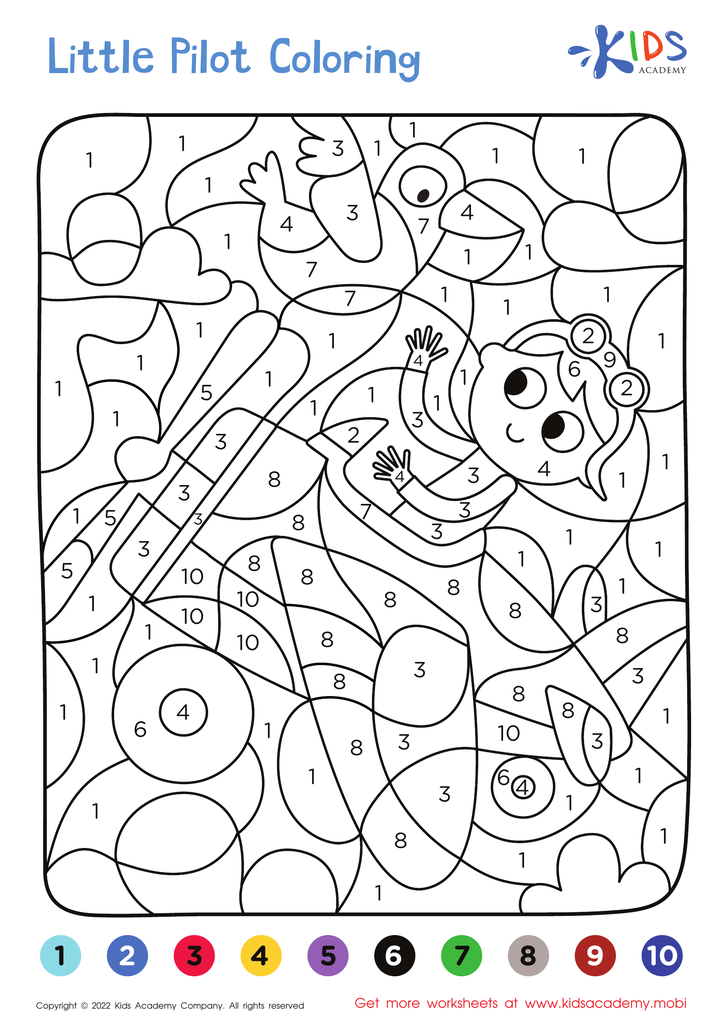
Little Pilot – Coloring by Numbers
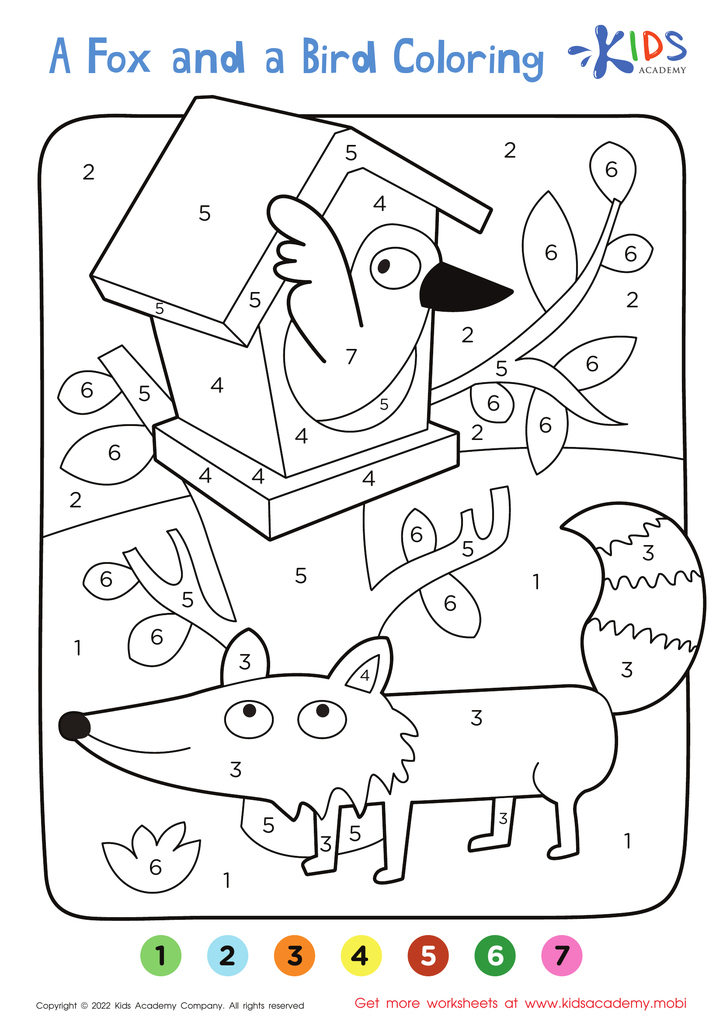
A Fox and a Bird – Coloring by Numbers
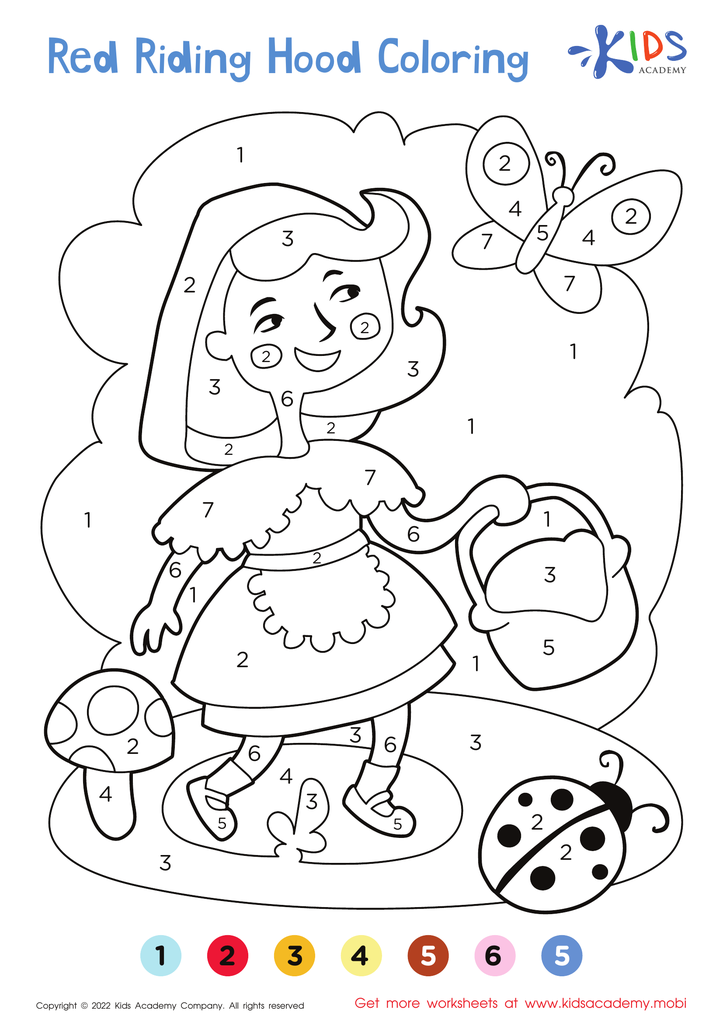
Little Red Riding Hood – Coloring by Numbers
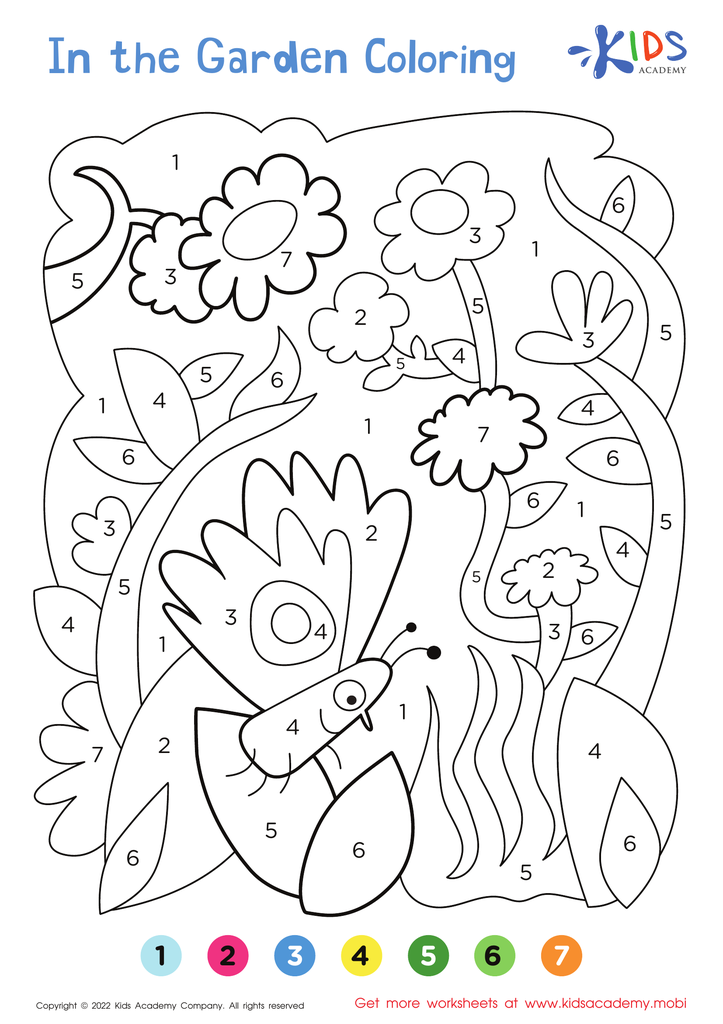
In the Garden – Coloring by Numbers








Fine Motor Skills Math is essential for children ages 5-9 because it intertwines physical development with cognitive skills fundamental for academic success and daily activities. Fine motor skills involve the coordination of small muscles in the hands and fingers, necessary for tasks such as writing, cutting with scissors, and manipulating small objects. Math activities, like counting beads, arranging shapes, or drawing numbers and patterns, enhance these skills by requiring precision and control.
Engaging in Fine Motor Skills Math activities builds muscle strength and dexterity, which are critical for clear and legible handwriting. This is integral not only to express mathematical solutions but also to confidently engage in a broad range of classroom activities. Furthermore, these activities support the development of hand-eye coordination and spatial awareness, which are crucial for understanding mathematical concepts such as geometry and symmetry.
For parents and teachers, fostering these skills in a math-rich environment promotes a dual benefit: supporting physical development while cultivating a positive relationship with math. Children who enjoy and confidently engage in math are more likely to excel and maintain interest in the subject throughout their academic journey. Thus, integrating Fine Motor Skills Math lays a strong foundation for both mathematical proficiency and essential life skills.








