Mathematical thinking Math Worksheets for Ages 5-9
7 filtered results
-
From - To
Explore our engaging "Mathematical Thinking Math Worksheets" tailored for ages 5-9, designed to stimulate young minds and enhance critical problem-solving skills. Our worksheets cover essential math concepts through fun and interactive activities, making learning enjoyable for children. Each activity promotes logical reasoning, pattern recognition, and the ability to think critically about numbers and operations. Parents and educators can easily download and print these resources to support classroom learning or at-home education. With colorful visuals and age-appropriate challenges, these worksheets foster a love for math and build a solid foundation for future learning. Start your child's mathematical journey today!
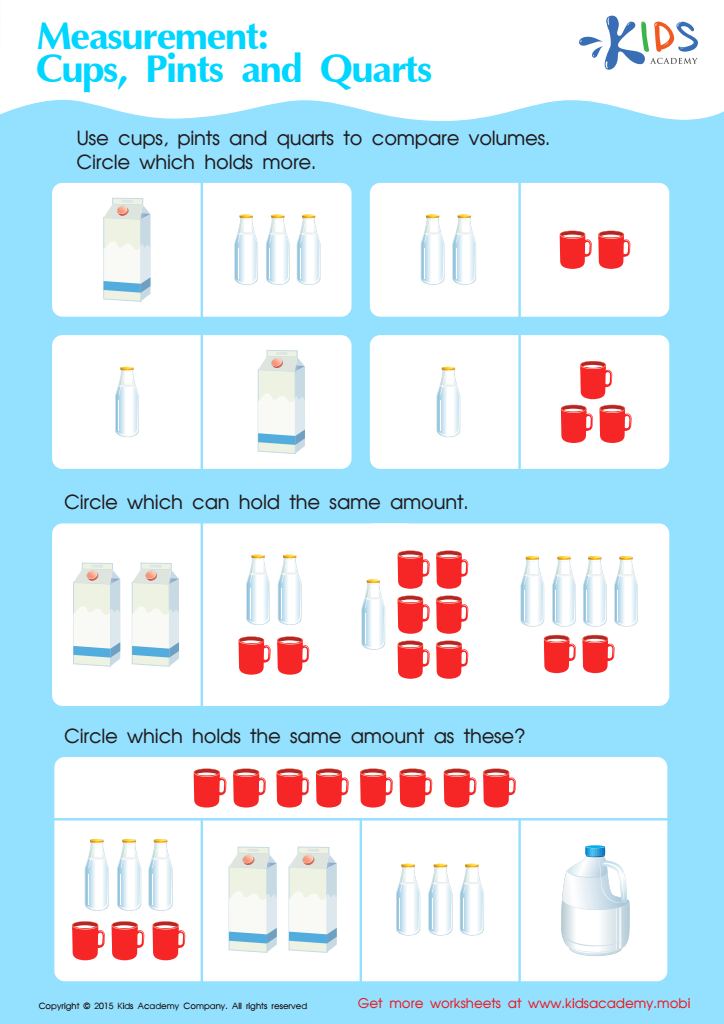
Measurement: Compare Volumes Worksheet
 Assign to My Students
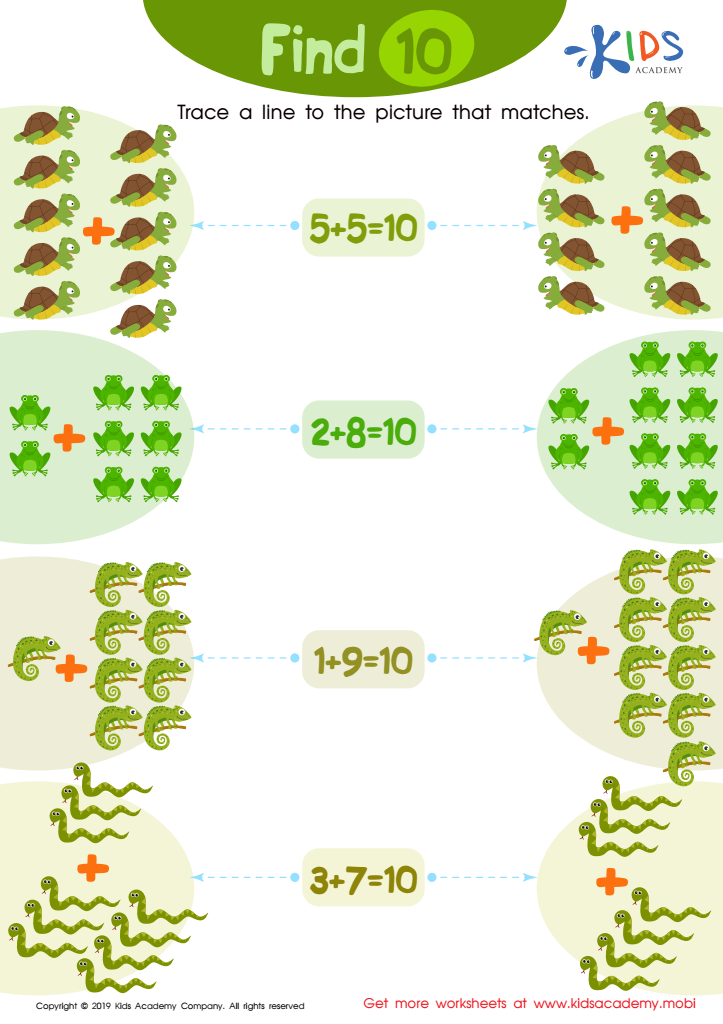
Find 10 Worksheet
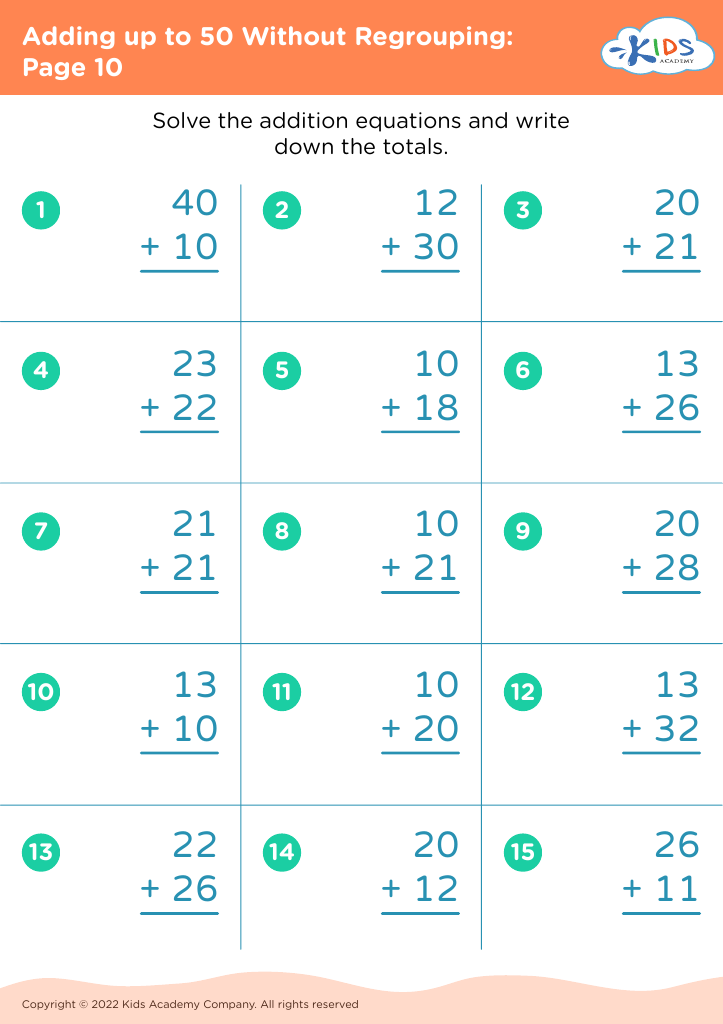
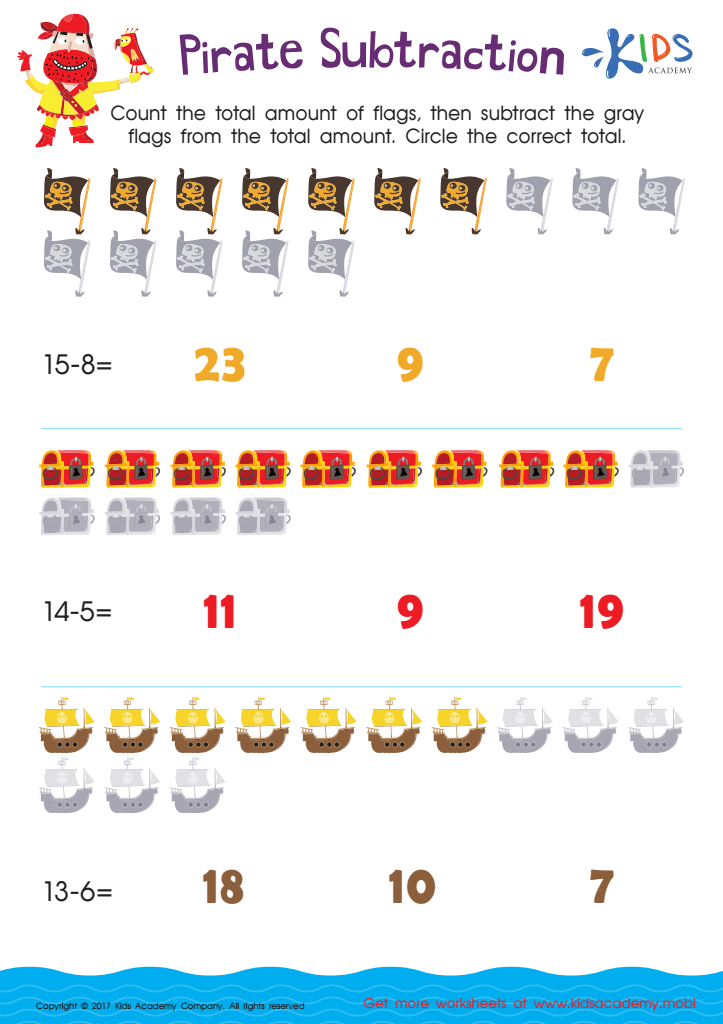
Pirate Subtraction Substraction Worksheet
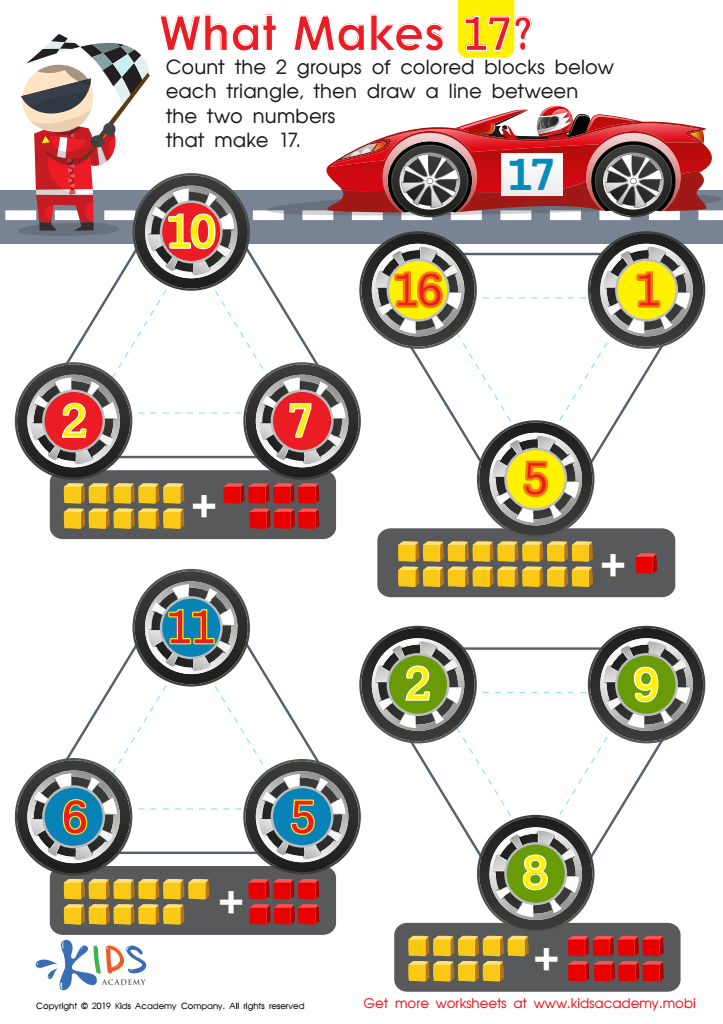
What Makes 17 Worksheet
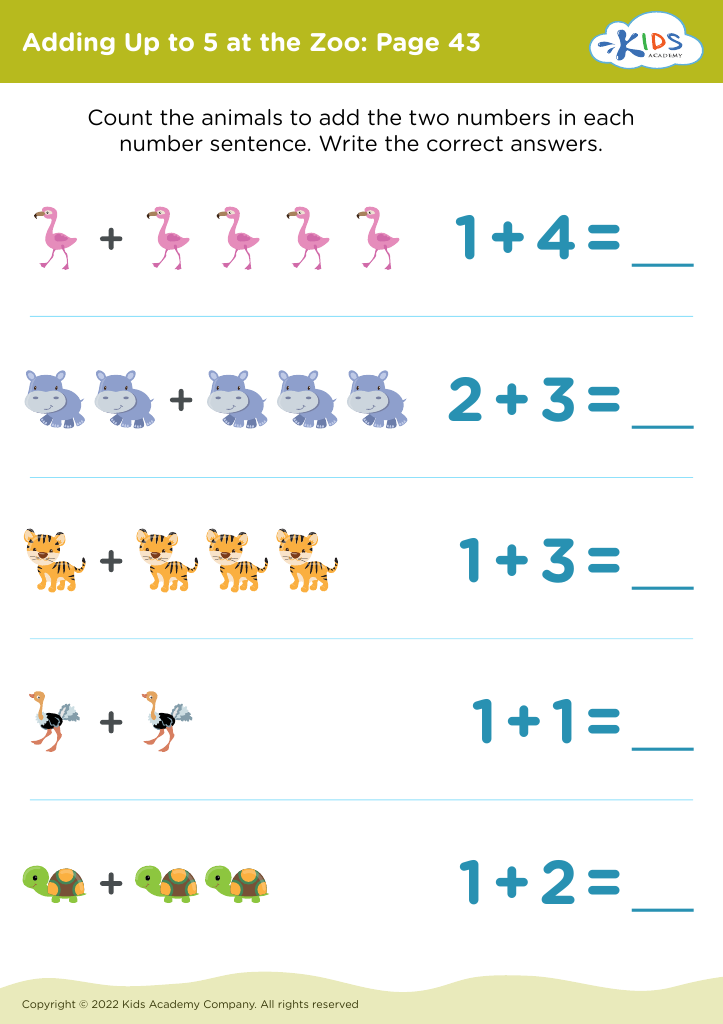
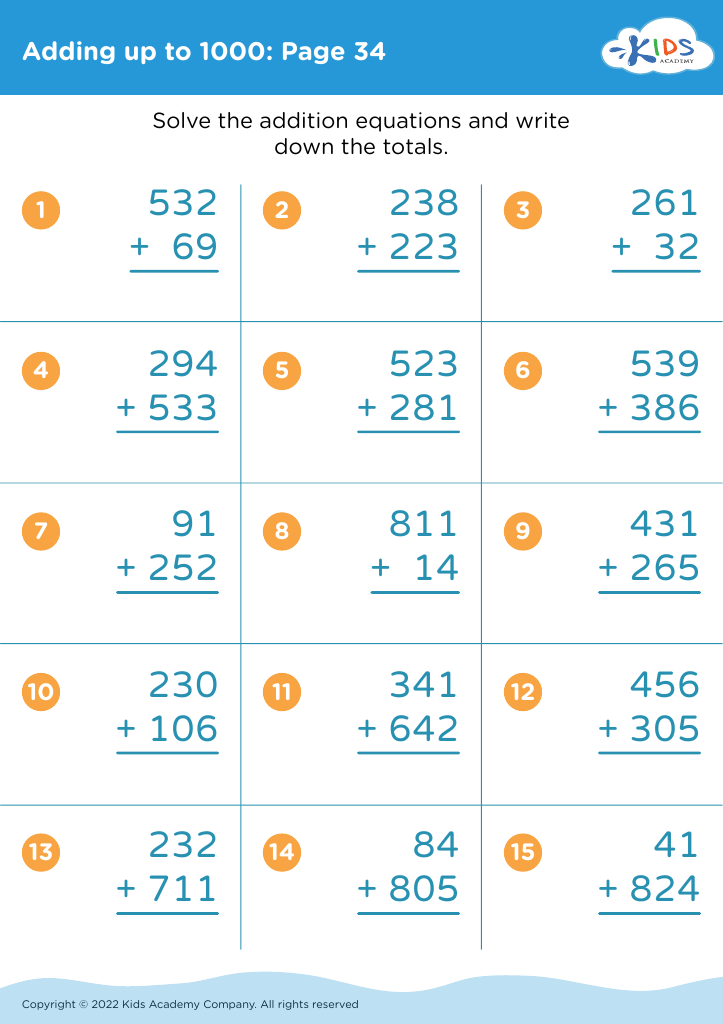








Mathematical thinking is crucial for children aged 5-9 as it lays the foundation for future academic success and everyday problem-solving. At this developmental stage, children are naturally curious and capable of understanding basic mathematical concepts. Encouraging mathematical exploration fosters critical thinking, logical reasoning, and creativity. Engaging with math helps children develop essential skills such as counting, identifying patterns, and spatial awareness, all of which are vital for subjects beyond math, including science and literacy.
Moreover, cultivating a positive attitude toward math during these formative years helps reduce math anxiety later in life. When parents and teachers demonstrate enthusiasm for math through games, puzzles, and real-life applications, they make the subject enjoyable and relatable. This engagement promotes a growth mindset, encouraging children to persevere through challenges and build confidence in their abilities.
Importantly, mathematical thinking nurtures essential life skills, such as decision-making, time management, and effective communication. As children learn to analyze situations and devise solutions, they become better prepared for unexpected challenges both in and out of the classroom. Therefore, prioritizing mathematical thinking for young learners is essential for their holistic development, academic growth, and long-term success.








