
Numerical reasoning Math Worksheets for Ages 5-9
3 filtered results
Difficulty Level
Grade
Age
-
From - To
Subject
Activity
Standards
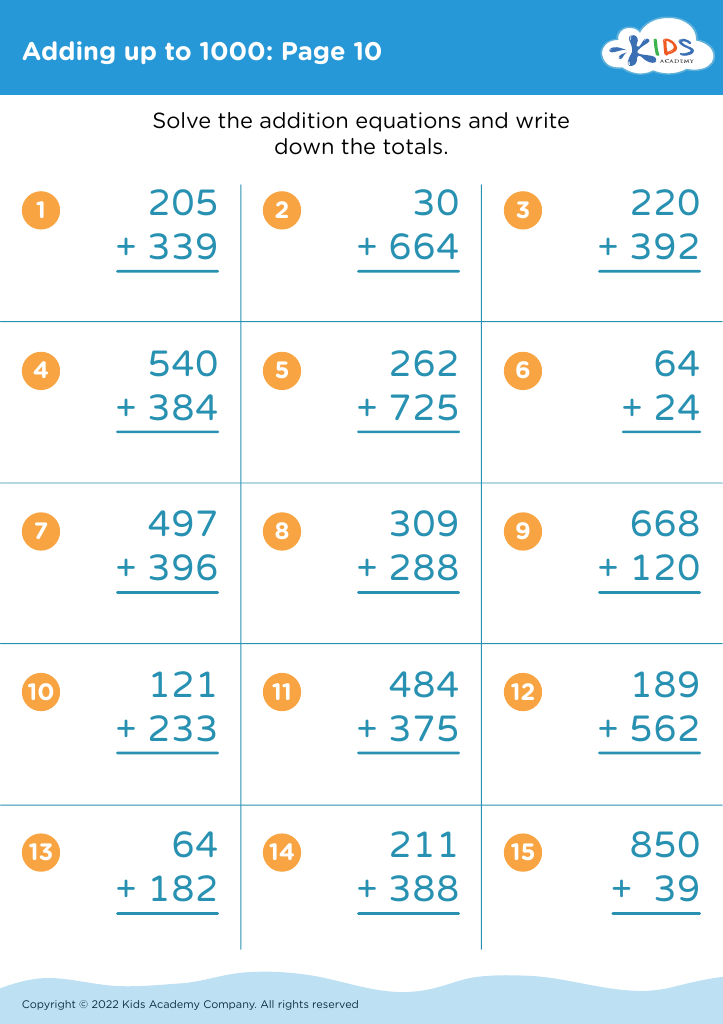
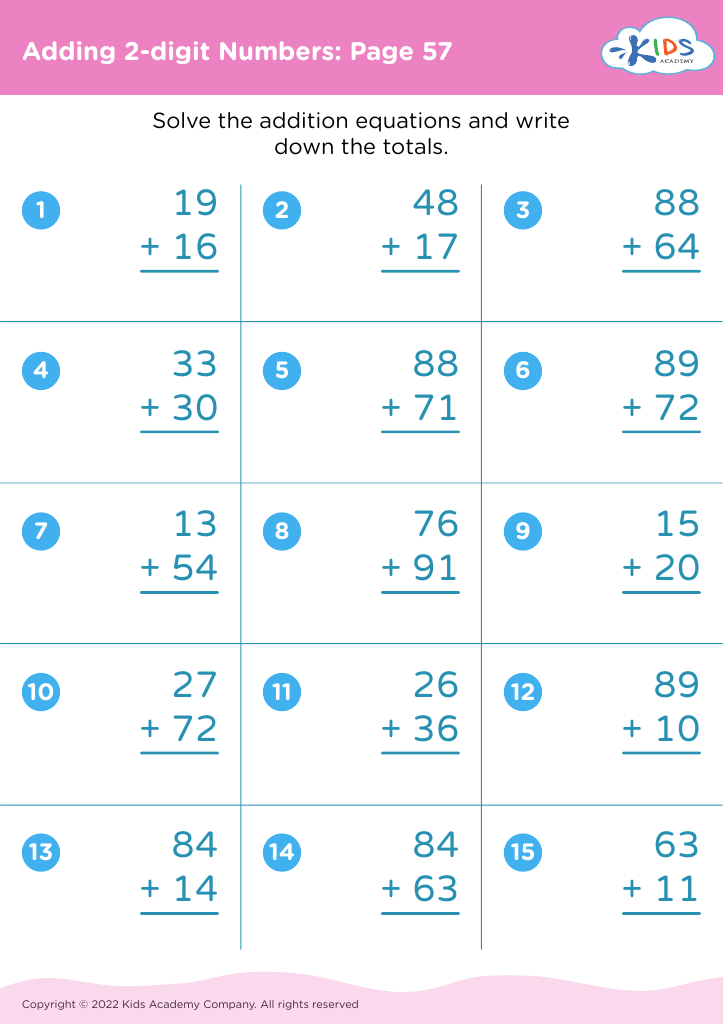
Welcome to our engaging collection of numerical reasoning math worksheets designed specifically for children ages 5-9! These interactive resources aim to build essential math skills through fun and challenging activities. Our worksheets cover fundamental concepts such as number recognition, counting, addition, and subtraction, fostering critical thinking and problem-solving abilities. With colorful visuals and age-appropriate exercises, your child will develop confidence and competence in numerical reasoning. Ideal for both classroom and home learning, these printable worksheets support early mathematical development while ensuring an enjoyable learning experience. Explore our innovative resources today and watch your young mathematicians thrive!
Favorites
With answer key
Interactive
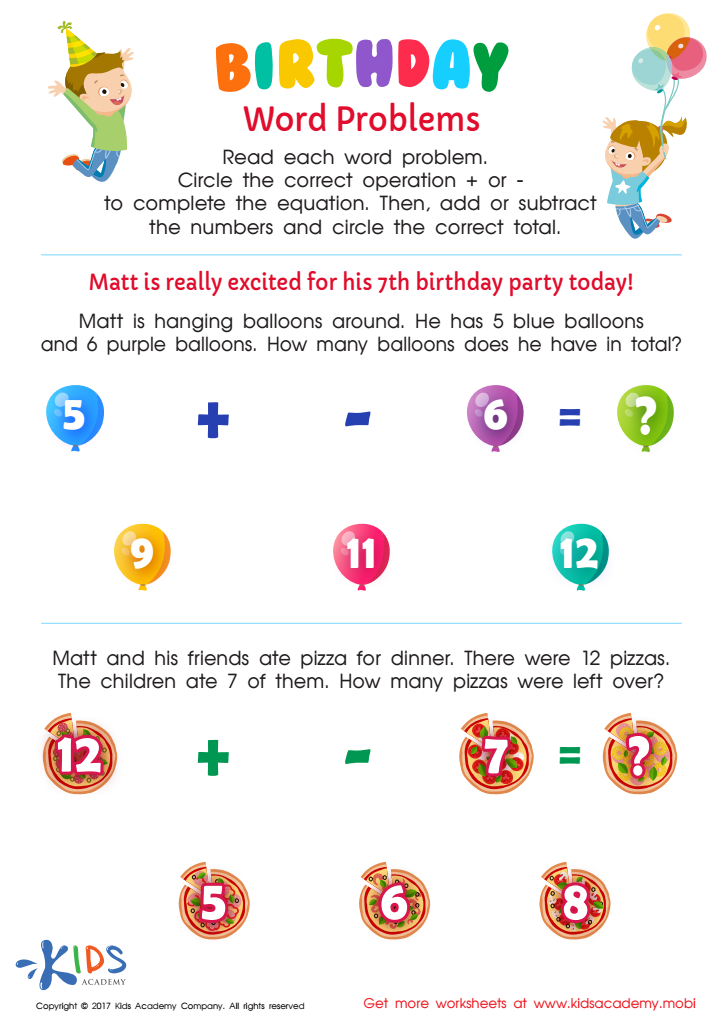
Birthday Word Problems Substraction Worksheet
This worksheet, Birthday Word Problems, is a great way to improve your child's math and literacy skills. It features tricky subtraction equations based on a birthday celebration - perfect for kids who love birthdays!
 Assign to My Students
Birthday Word Problems Substraction Worksheet
Worksheet
Join Kids Academy for Free
Who is primarily going to use this learning content?








Numerical reasoning is a crucial foundation for young students aged 5-9, forming the bedrock of their overall mathematical understanding and problem-solving skills. At this developmental stage, children are naturally curious and receptive to learning, making it an ideal time to introduce complex concepts in a simplified manner. By nurturing their numerical reasoning abilities, parents and teachers can foster critical thinking, logical reasoning, and the ability to make connections between different mathematical ideas.
Developing numerical reasoning skills helps children grasp essential concepts like addition, subtraction, and basic operations, which later evolve into more complex mathematics. It not only enhances their ability to perform calculations but also improves their confidence in tackling mathematical challenges. Additionally, good numerical reasoning equips students with practical problem-solving skills, making them adept at real-world applications of math in everyday scenarios.
Moreover, encouraging an interest in mathematical reasoning can positively influence a child’s attitude toward math, reducing anxiety and promoting a growth mindset. Ultimately, investing in numerical reasoning for young learners sets them on a path toward academic success and builds a love for math that can last for a lifetime. Parents and teachers play a vital role in this developmental stage and should prioritize fostering these essential skills.








