Problem Solving Math Worksheets for Ages 5-9 - Page 2
34 filtered results
-
From - To
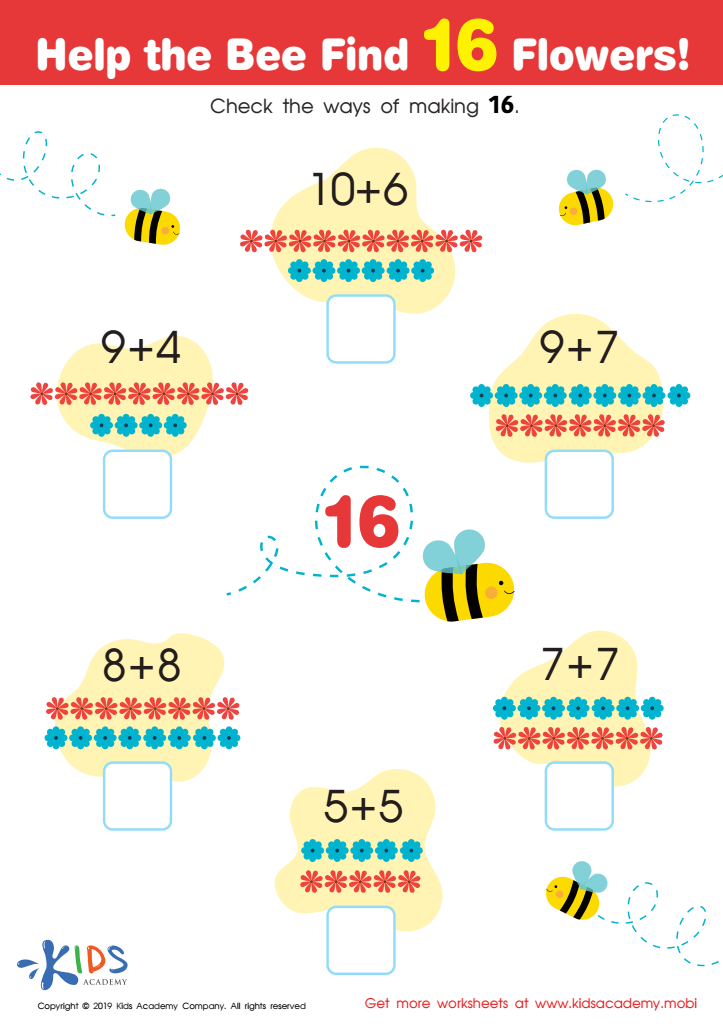
Help the Bee Find 16 Flowers Worksheet
 Assign to My Students
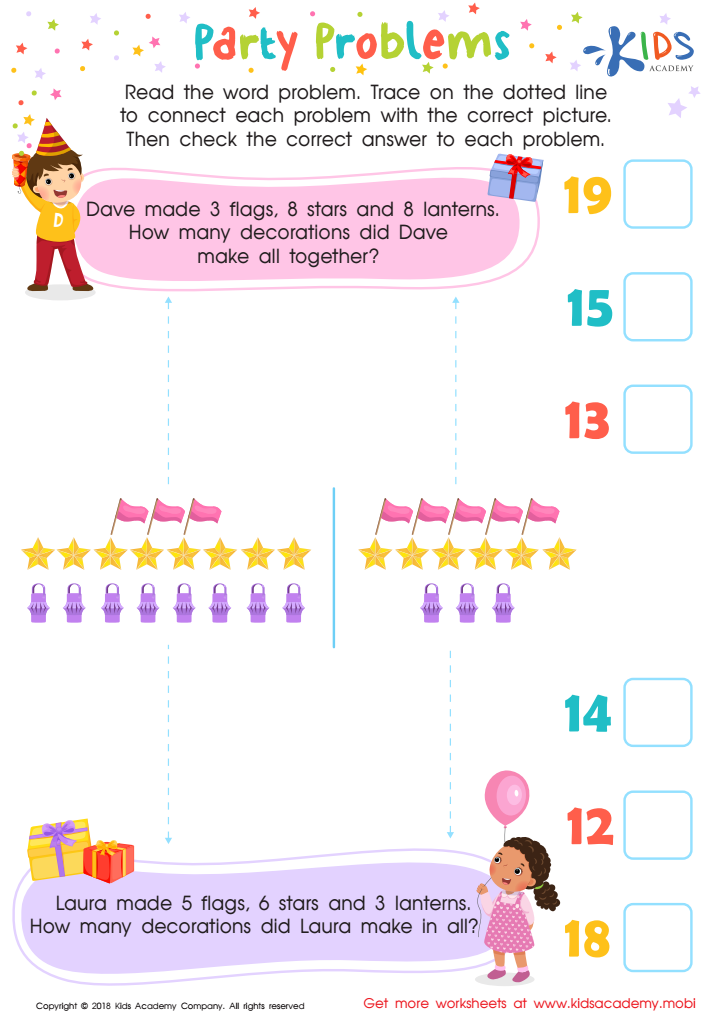
Party Problems Worksheet
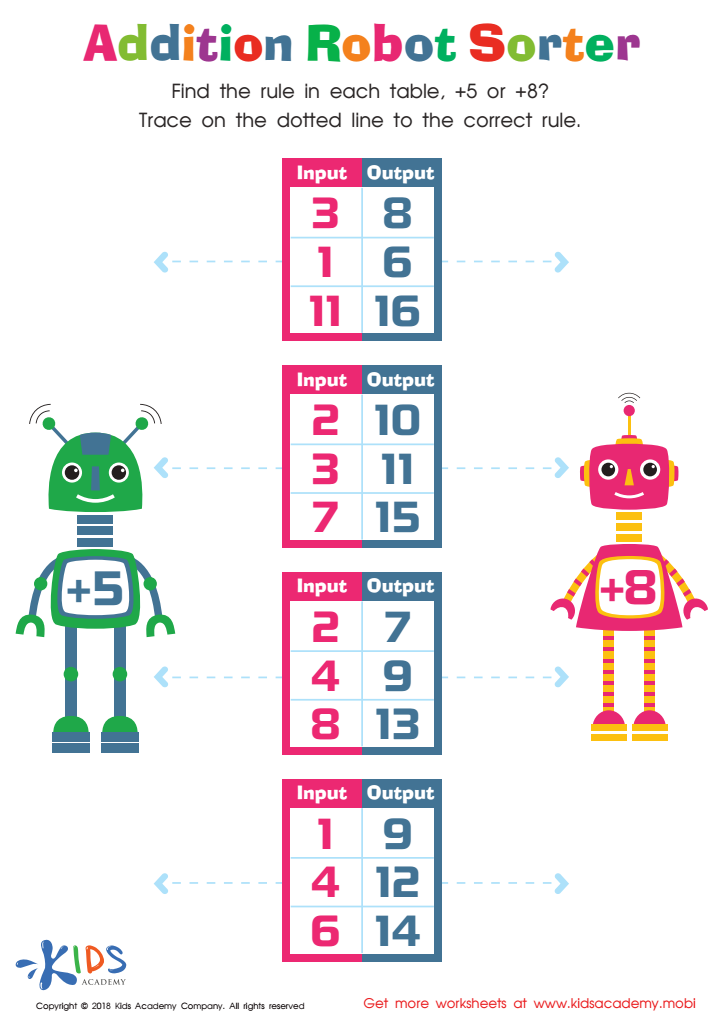
Addition Robot Sorter Worksheet
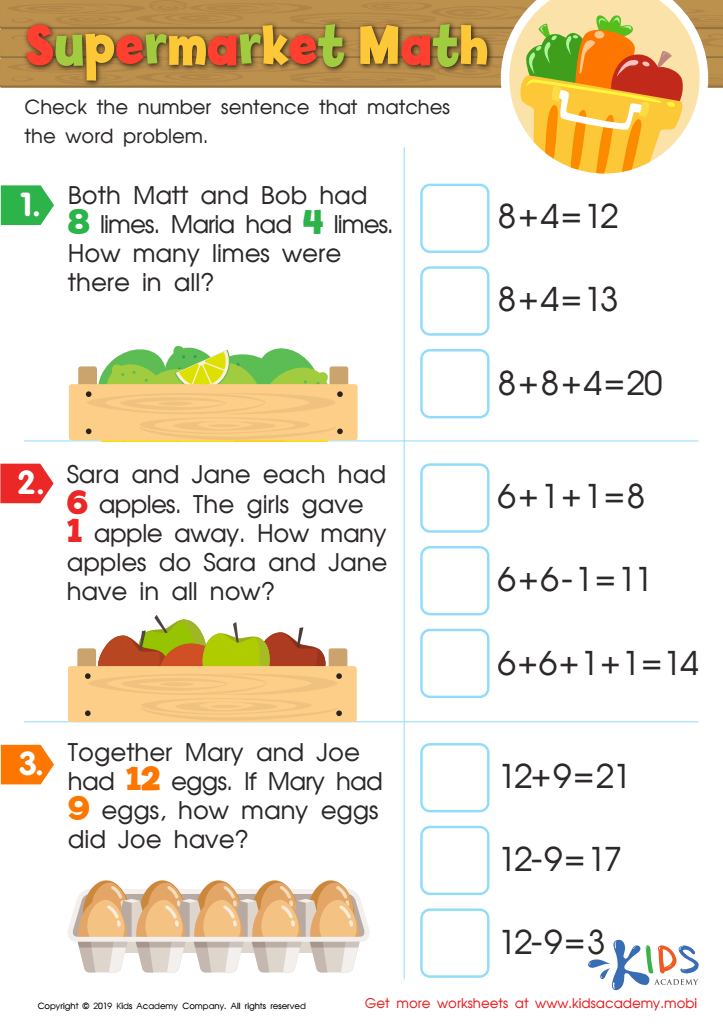
Supermarket Math Worksheet
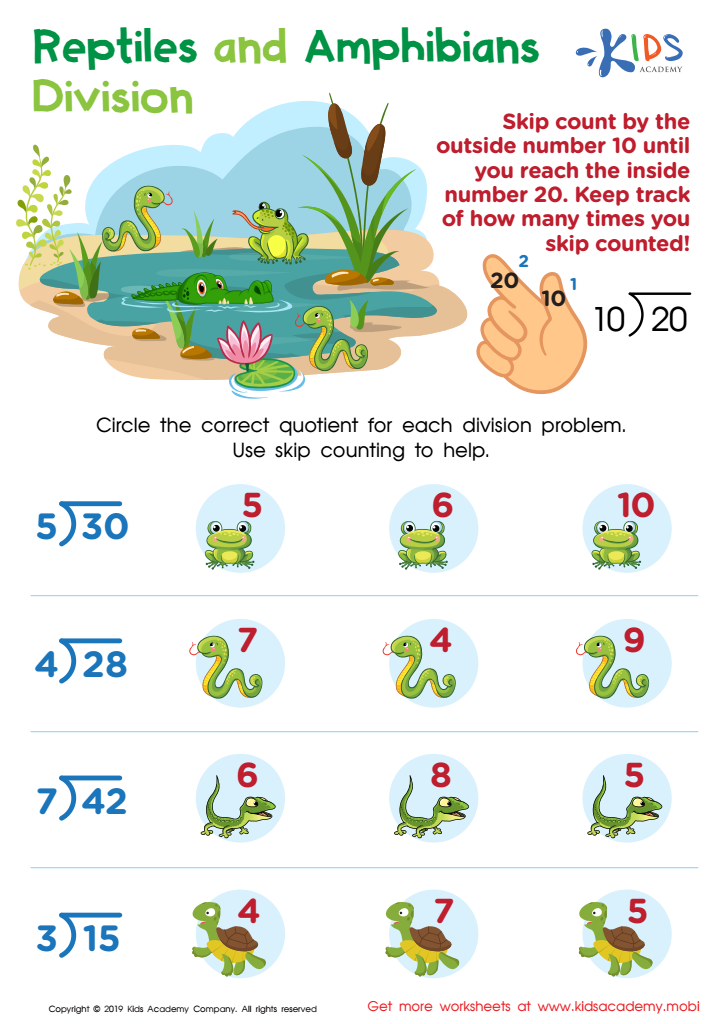
Reptile and Amphibians Division Worksheet
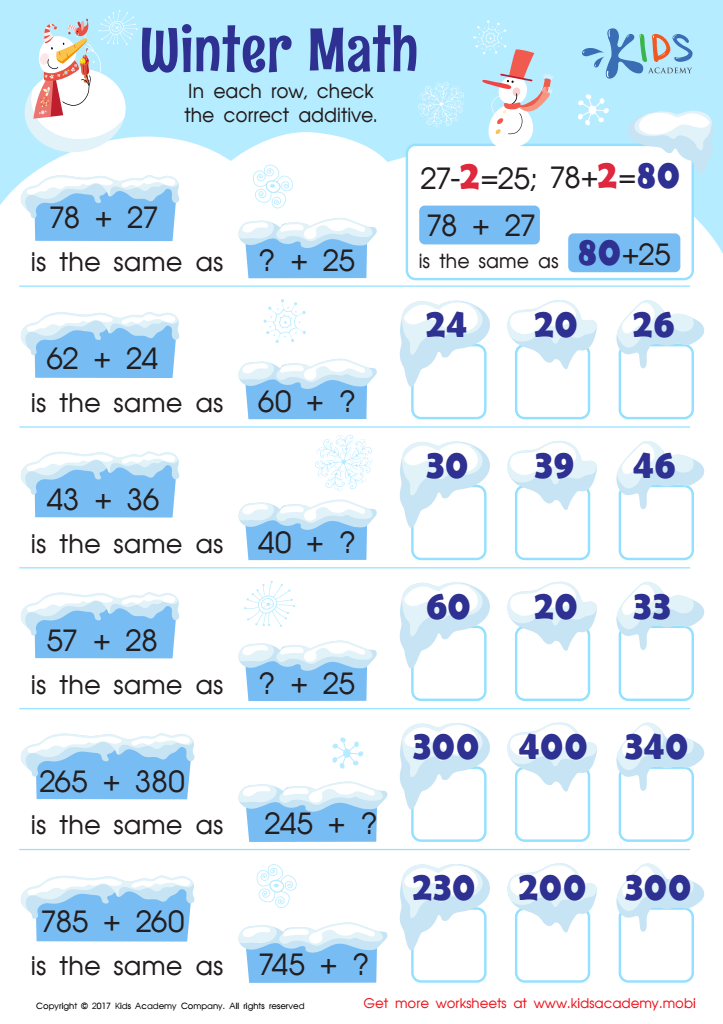
Free Addition Worksheet
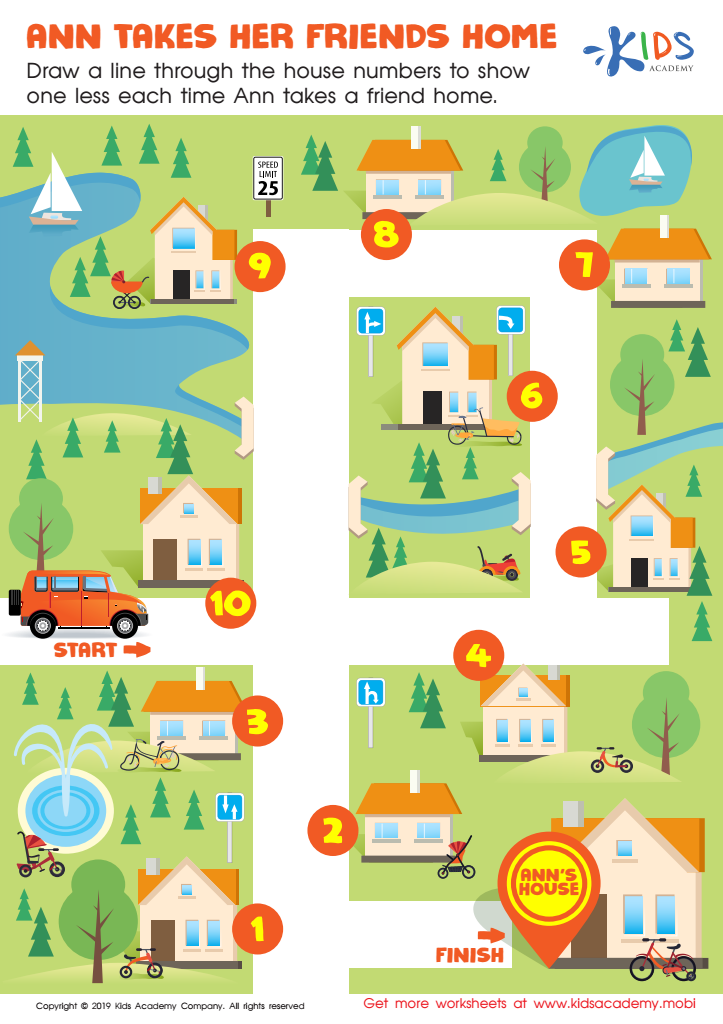
Ann Takes her Friends Home Worksheet







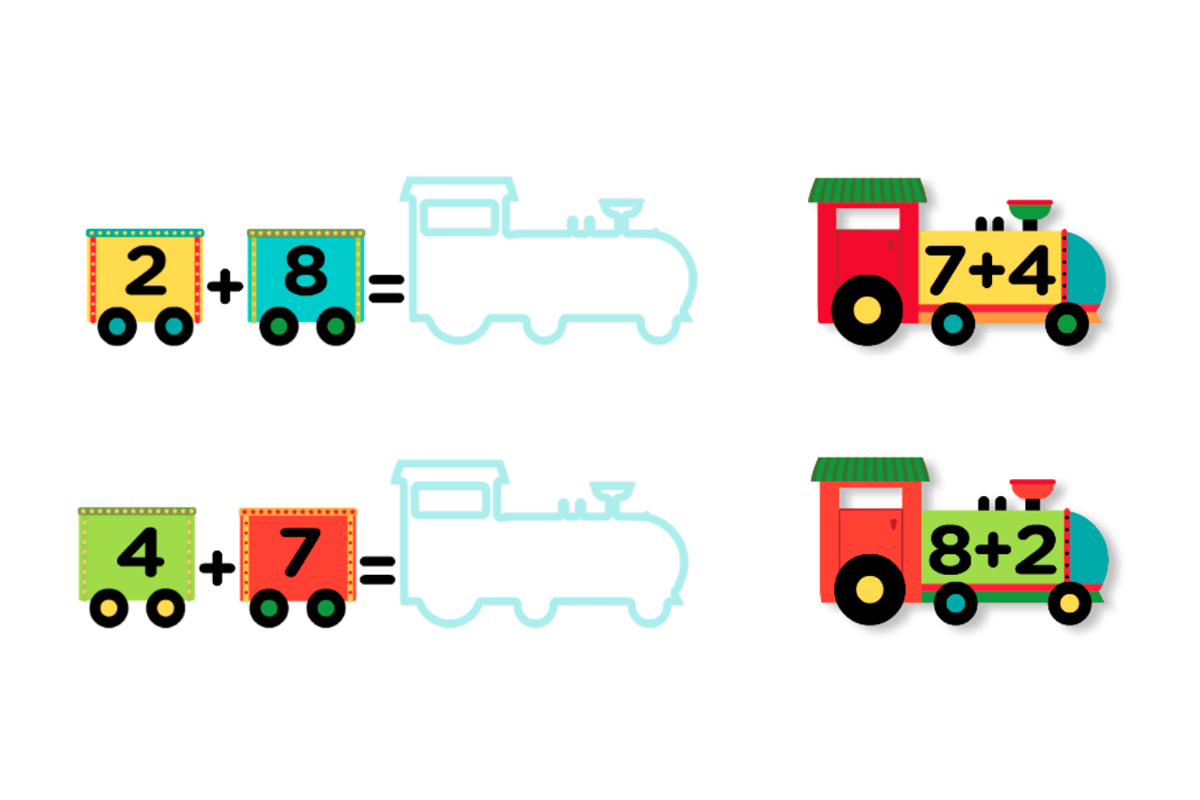
Parents and teachers should prioritize Problem Solving Math for children aged 5 to 9 because it lays a crucial foundation for critical thinking and lifelong learning. At this age, kids are naturally curious and eager to explore, making it an opportune time to introduce them to mathematical concepts that encourage exploration and reasoning. Problem-solving skills help children learn how to approach challenges systematically, fostering persistence and resilience in the face of difficulties.
Engaging in problem-solving activities nurtures creativity as children learn to devise multiple strategies to arrive at solutions. This ability to think flexibly is not just applicable in math; it extends to real-world scenarios where critical analysis and innovative thinking are crucial. Furthermore, effective problem-solving promotes deeper understanding of mathematical concepts, moving beyond rote memorization to grasping underlying principles.
Additionally, problem-solving math fosters collaboration and communication skills. When children work together to solve problems, they share ideas, debate solutions, and learn from one another. This communal approach nurtures social skills and teamwork, which are essential in today’s interconnected world. Ultimately, investing in problem-solving math at this critical developmental stage equips children with tools they need for academic success and everyday life.








