Recognition skills Math Worksheets for Ages 5-9
3 filtered results
-
From - To
Enhance your child's math abilities with our diverse collection of "Recognition Skills Math Worksheets" designed for ages 5-9. At Kids Academy, we offer engaging and educational printables to help young learners master number recognition, pattern identification, and shape differentiation. Our worksheets make learning fun and interactive, promoting confidence and a strong foundational understanding of basic math concepts. Ideal for both classroom and home use, these resources support cognitive development and prepare children for more advanced math challenges. Equip your child with essential skills for a bright academic future. Explore our collection today and unlock their full potential!
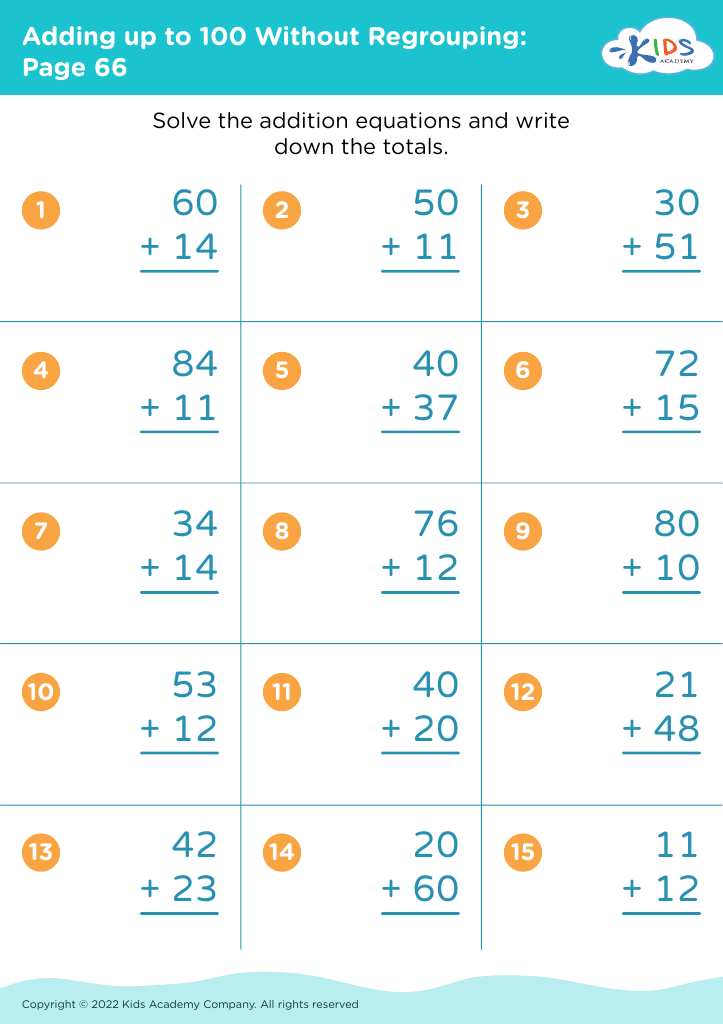
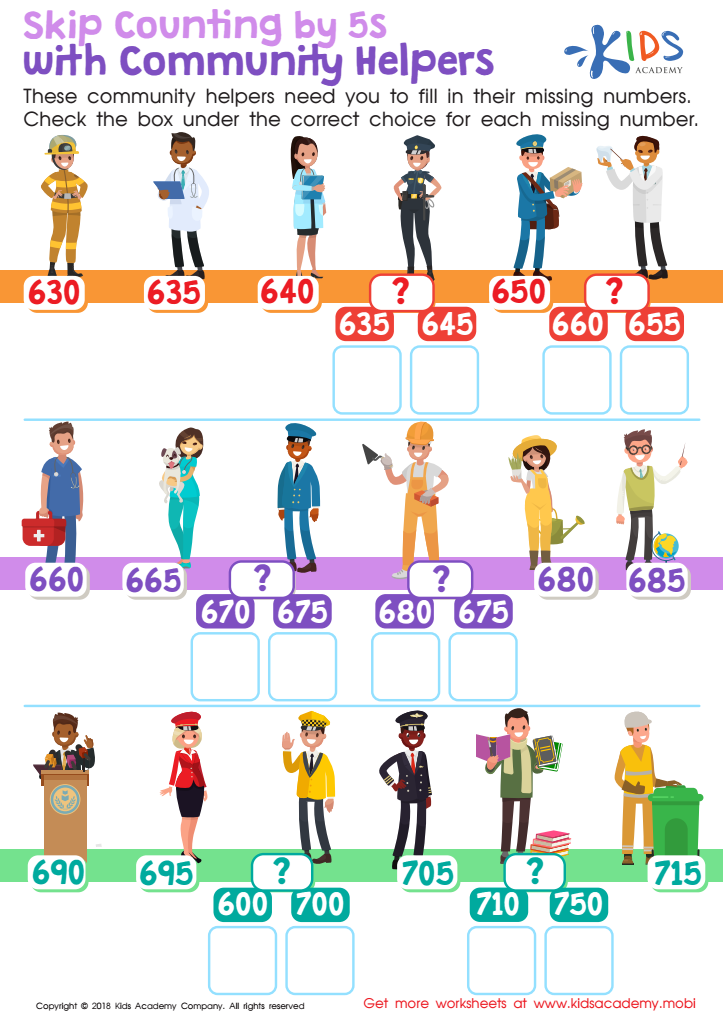
Skip Counting by 5s With Community Helpers Worksheet
 Assign to My Students
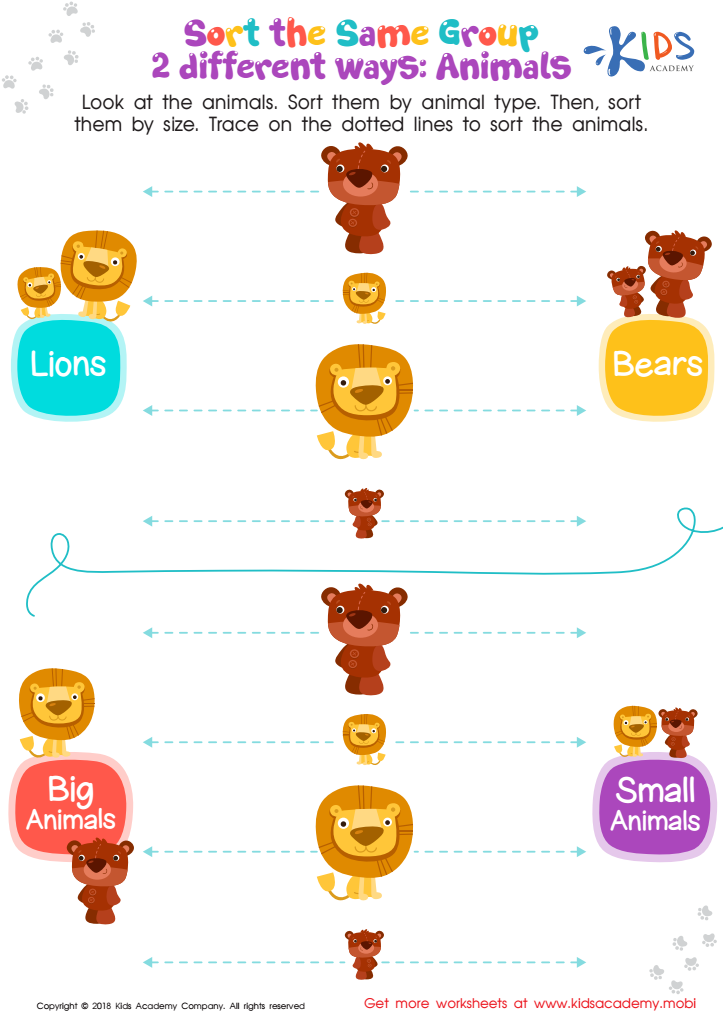
Sort the Same Group 2 Different Ways: Animals Worksheet








Recognition skills in math for children ages 5-9 are crucial because they lay the foundation for more advanced mathematical understanding. At this early stage, recognizing numbers, patterns, shapes, and basic arithmetic operations helps develop critical cognitive skills that impact a child's academic journey.
Firstly, strong recognition skills enhance a child's ability to understand and process mathematical concepts, leading to better problem-solving abilities. This understanding is fundamental in subjects beyond mathematics, including science and technology.
Secondly, early mastery of basic math skills fosters confidence and a positive attitude towards the subject. Children who struggle early often develop math anxiety, which can impede learning and lead to a dislike of the subject. On the other hand, children with good recognition skills feel more capable and are willing to engage with more complex problems.
Finally, math-related recognition skills support overall cognitive development, including logical thinking and memory. When children recognize patterns or numbers, they are essentially training their brain to identify relationships and make connections. This cognitive flexibility extends to other areas of learning and everyday life.
In essence, caring about and nurturing recognition skills in math not only sets a strong academic foundation but also supports a child's broader intellectual and emotional development, paving the way for future success in various fields.








