Recognizing numbers Math Worksheets for Ages 5-9
8 filtered results
-
From - To
Unlock your child's mathematical potential with our "Recognizing Numbers Math Worksheets for Ages 5-9." Designed to build fundamental numeracy skills, these engaging worksheets make number recognition fun and effective. Perfect for early learners, each worksheet features vibrant illustrations and interactive activities tailored to enrich a child's understanding of numbers. Suitable for classroom use or homeschooling, our resources aid in developing counting skills, number sequencing, and numerical familiarity. Help your child gain confidence in math with Kids Academy's expertly crafted worksheets, ensuring a strong numerical foundation and a love for learning. Explore now and make math enjoyable!
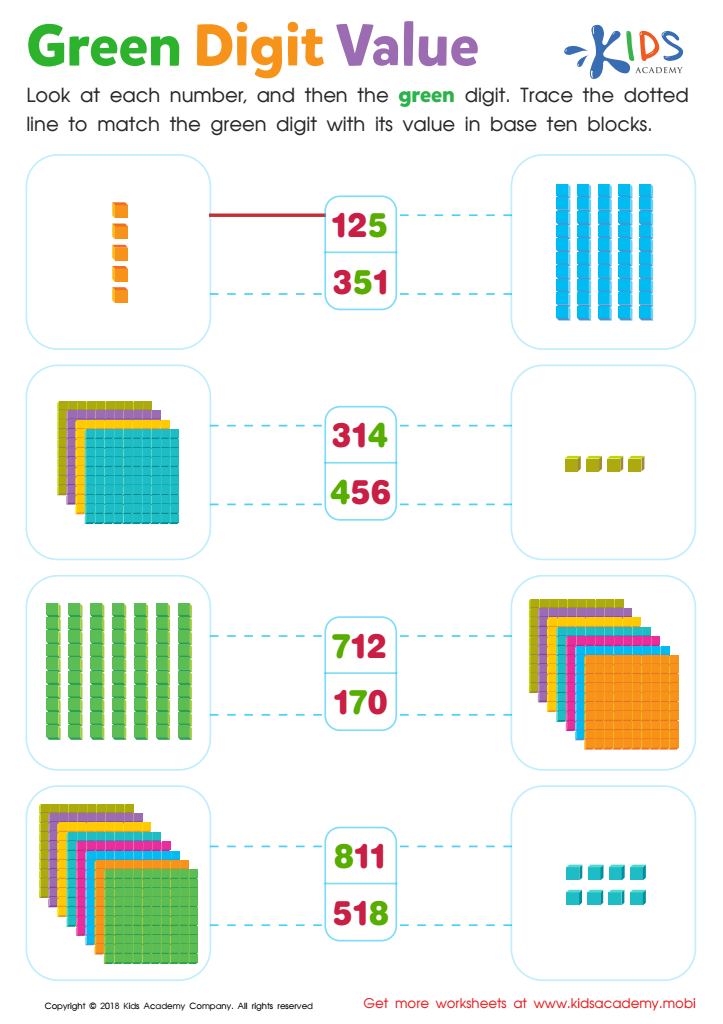
Green Digit Value Worksheet
 Assign to My Students
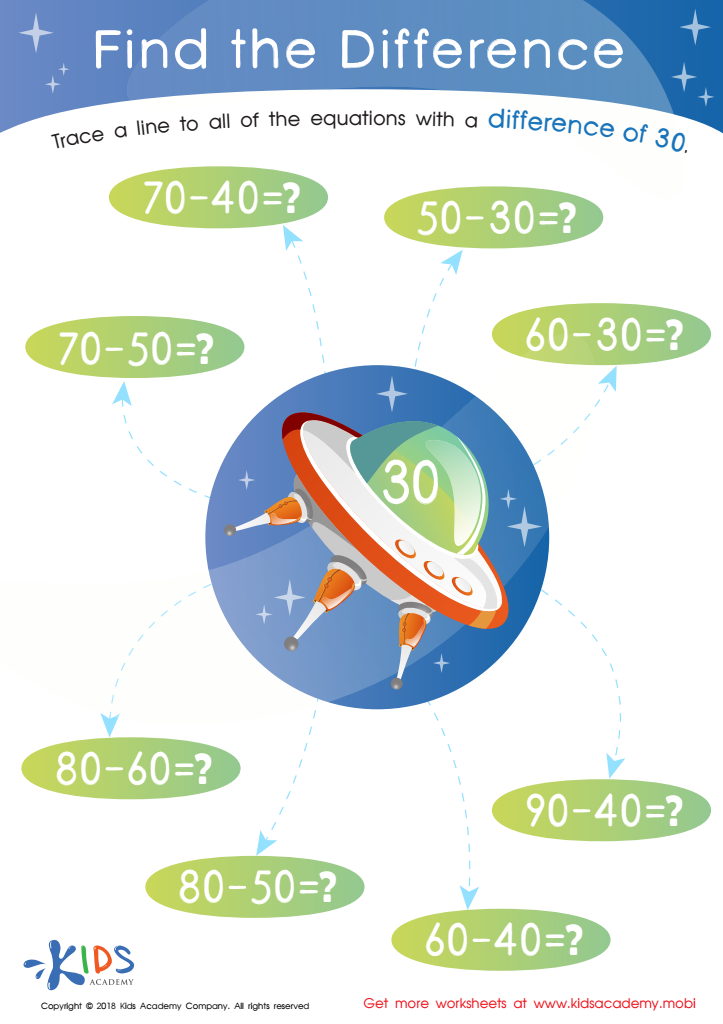
Find The Difference Worksheet
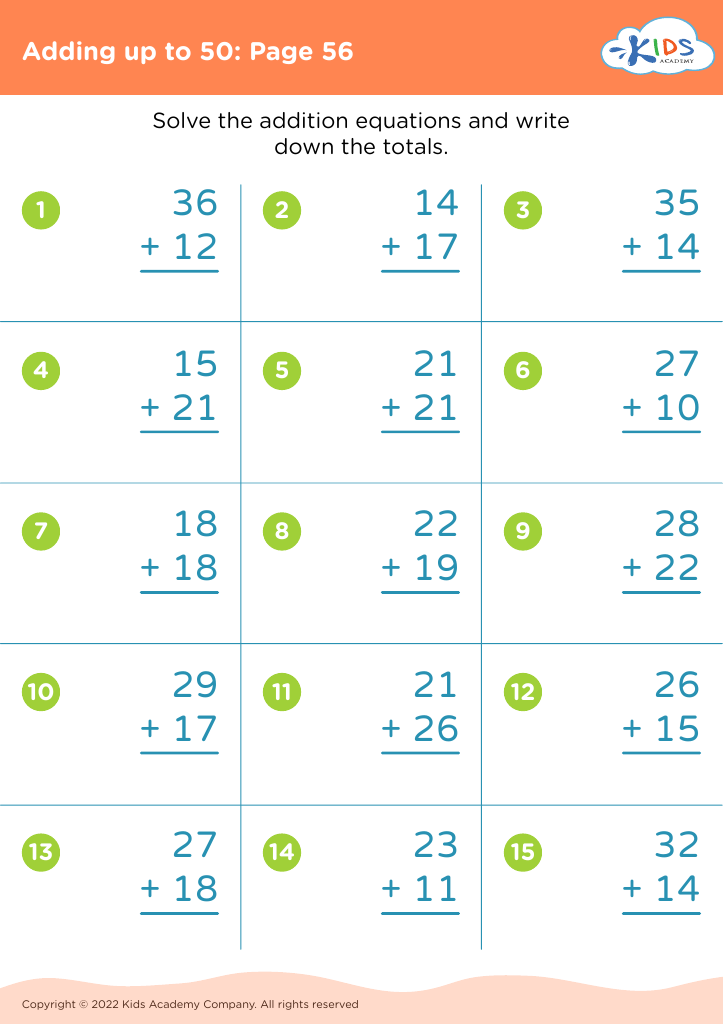
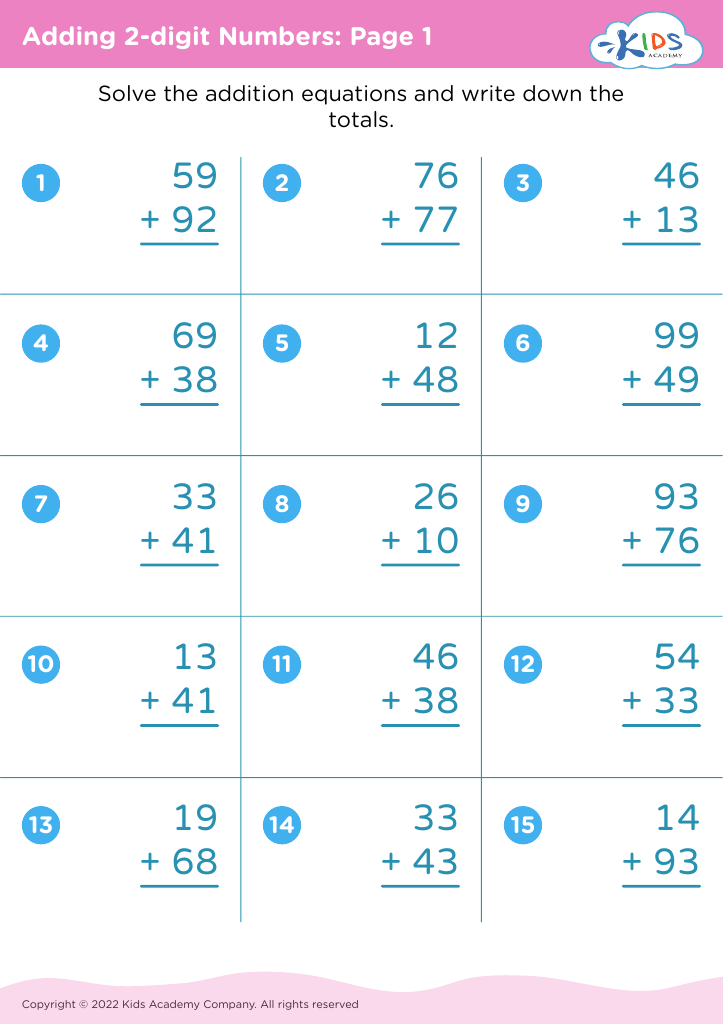
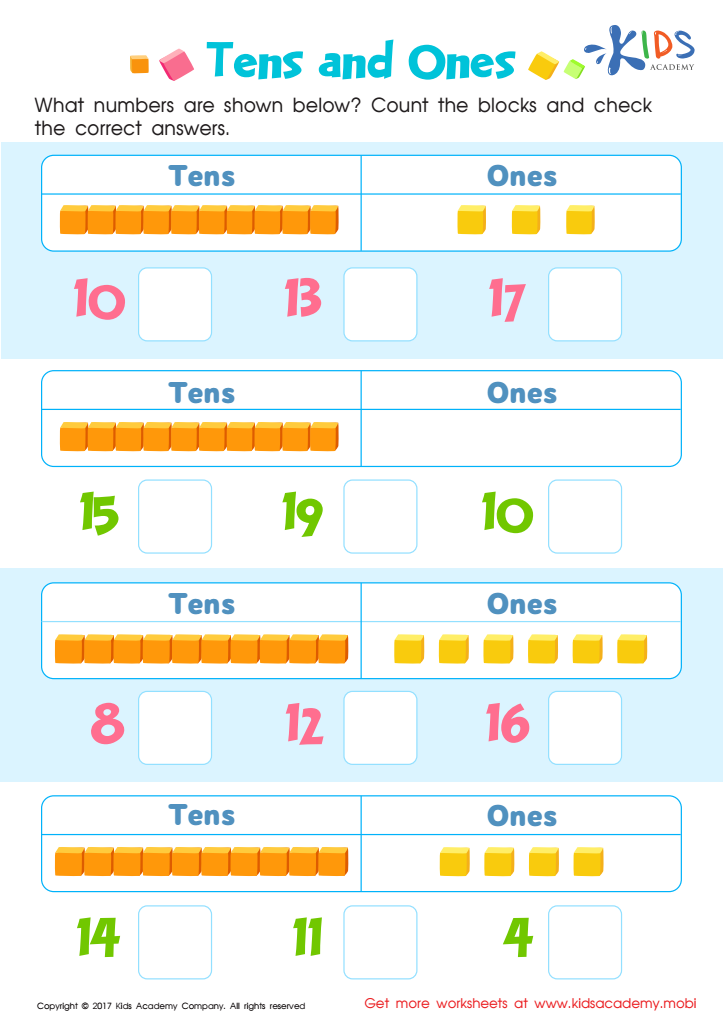
Tens and Ones Worksheet
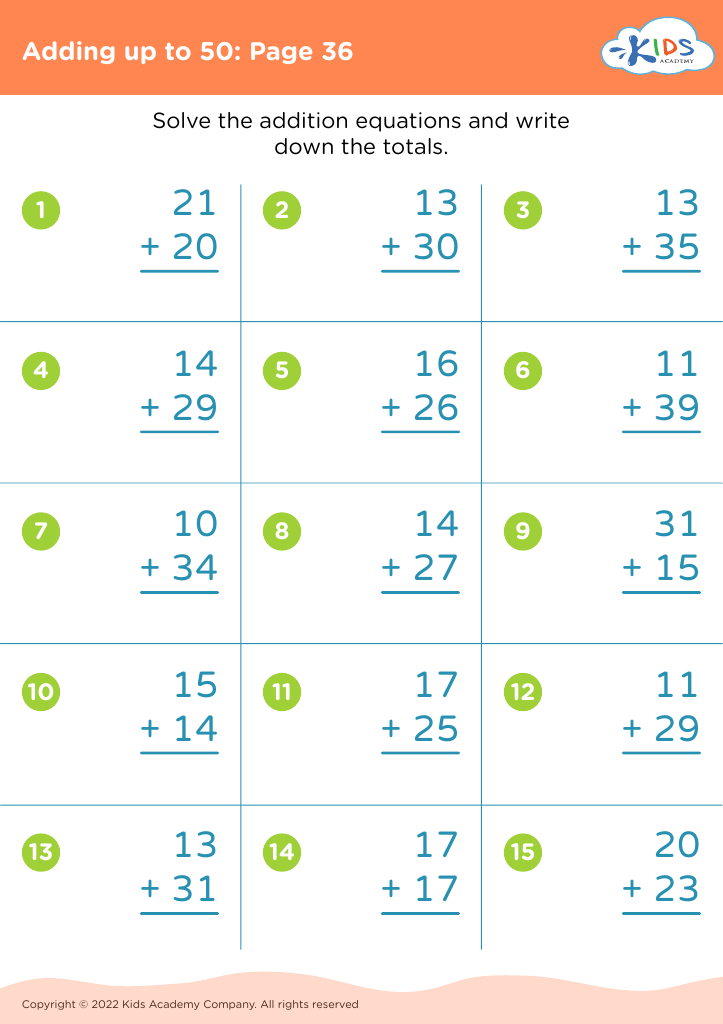
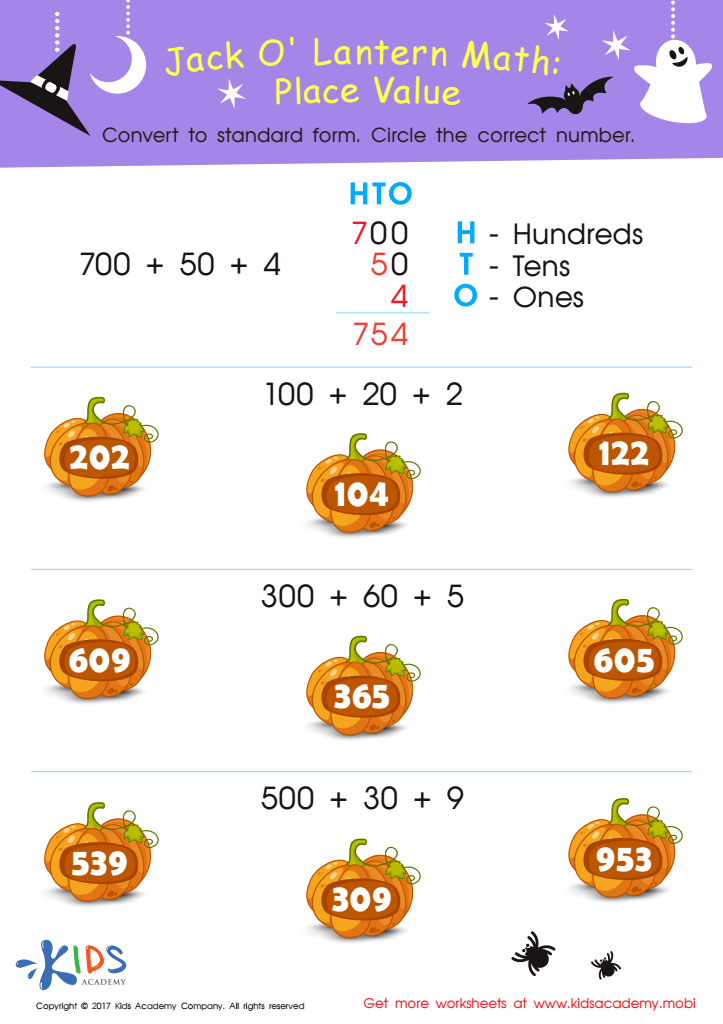
Free Place Value Worksheet
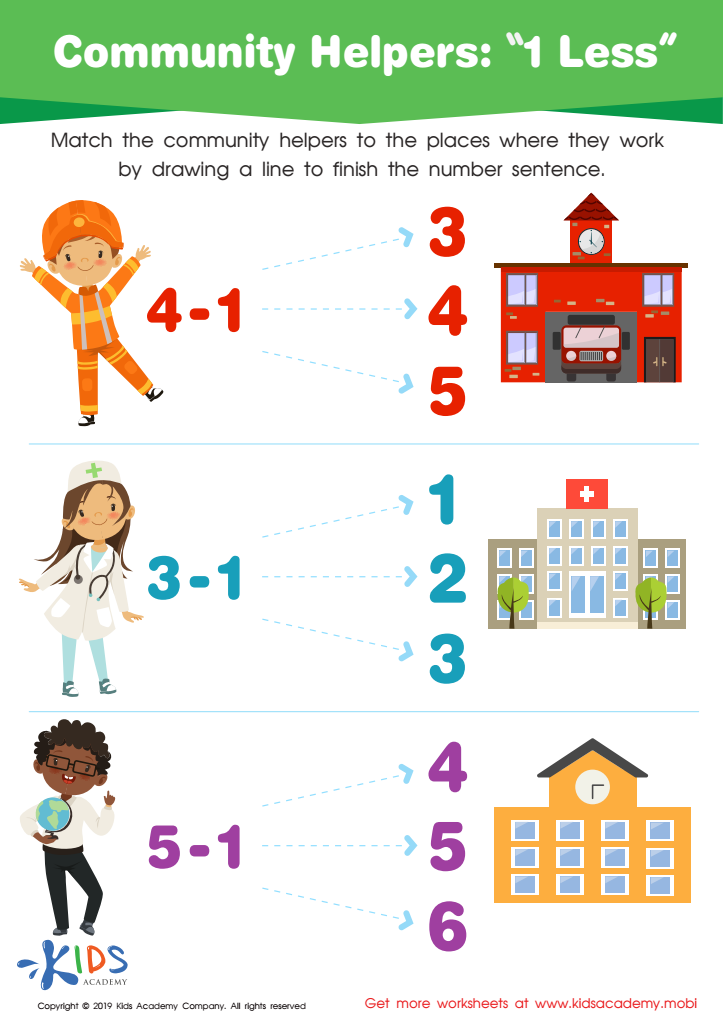
Community Helpers: 1 less Worksheet








Recognizing numbers in the early years, particularly for ages 5-9, is fundamental for a child's mathematical development and overall cognitive growth. For both parents and teachers, fostering number recognition in children is crucial as it forms the foundation of numeracy skills that they will use throughout their education and daily life.
Firstly, number recognition aids children in understanding basic math concepts, such as counting, addition, and subtraction. This early numerical comprehension enhances their ability to grasp more complex mathematical operations in later years, reducing the likelihood of educational gaps.
Secondly, recognizing numbers is intricately tied to the development of problem-solving and critical thinking skills. When children can identify and manipulate numbers with ease, they are more likely to engage in activities that require logical reasoning and justify mathematically sound conclusions.
Moreover, early competence in numbers greatly boosts a child's confidence and enthusiasm toward math. This positive early experience can forge a lifelong interest and aptitude for the subject, setting the stage for academic success.
Lastly, number recognition skills are necessary for day-to-day activities, such as telling time, handling money, and even following a sequence of steps. Both parents and teachers play pivotal roles in facilitating engaging and interactive learning experiences to support children’s number recognition skills, thus securing both their educational and practical life skills.








