Vocabulary enhancement Math Worksheets for Ages 5-9 - Page 2
46 filtered results
-
From - To
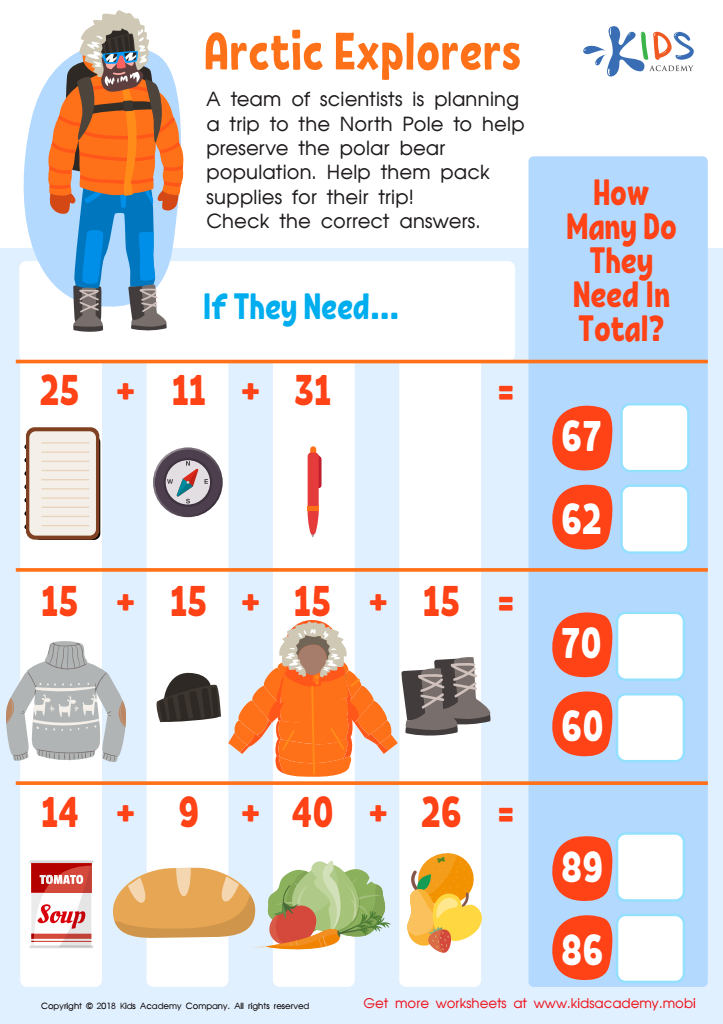
Arctic Explorers Worksheet
 Assign to My Students
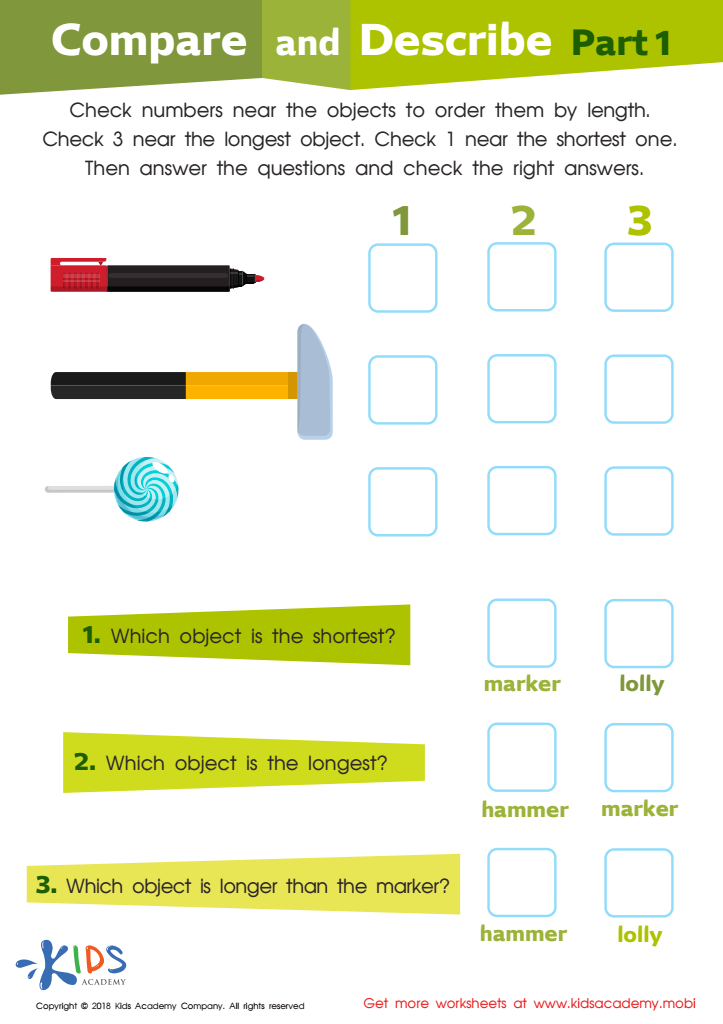
Compare and Describe: Part 1 Worksheet
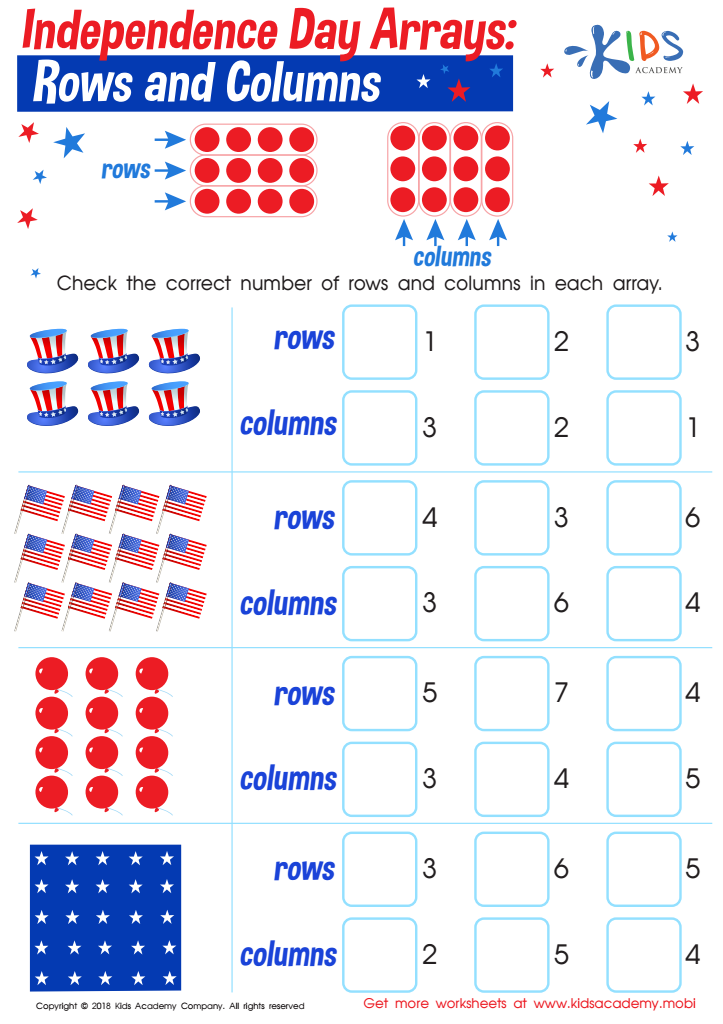
Independence Day Arrays: Rows and Columns Worksheet
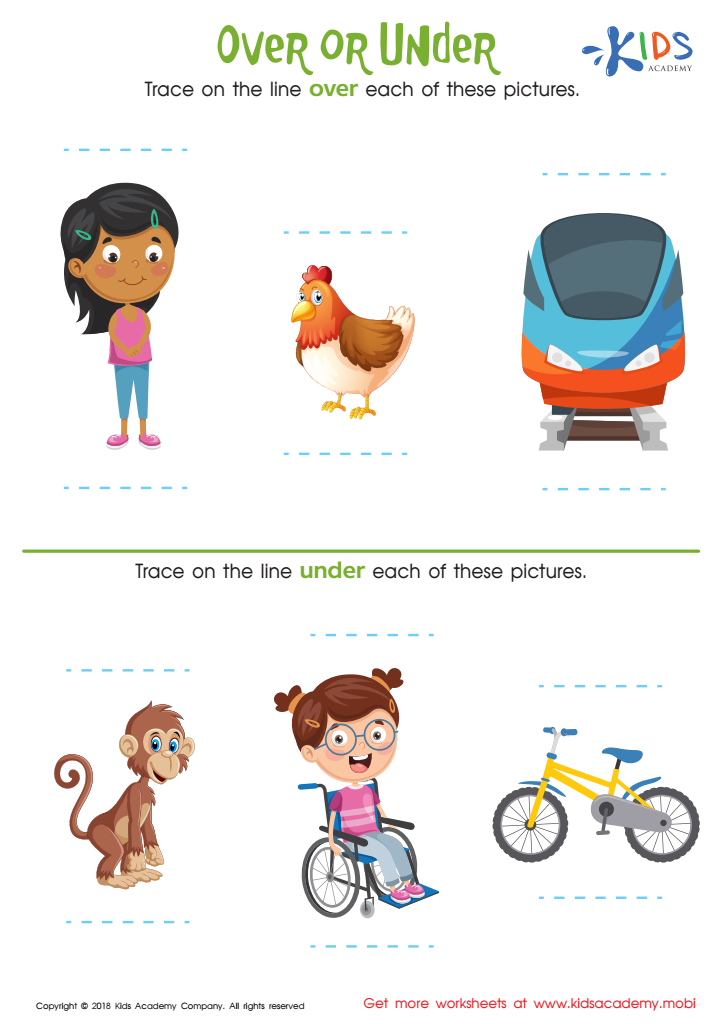
Over or Under Worksheet
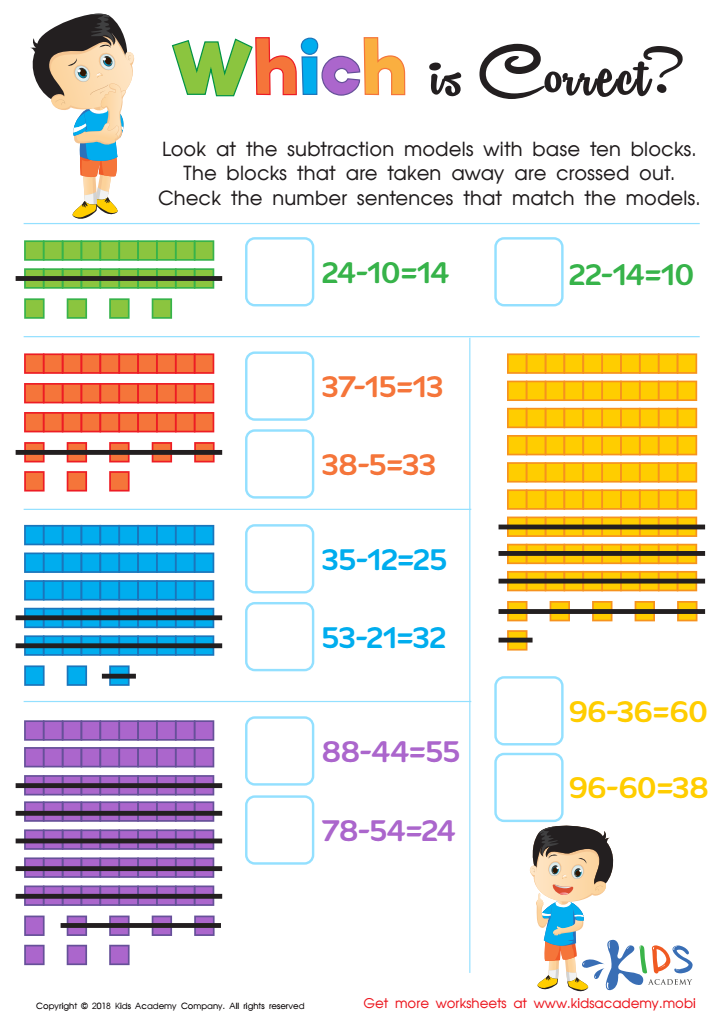
Which Is Correct? Math Worksheet
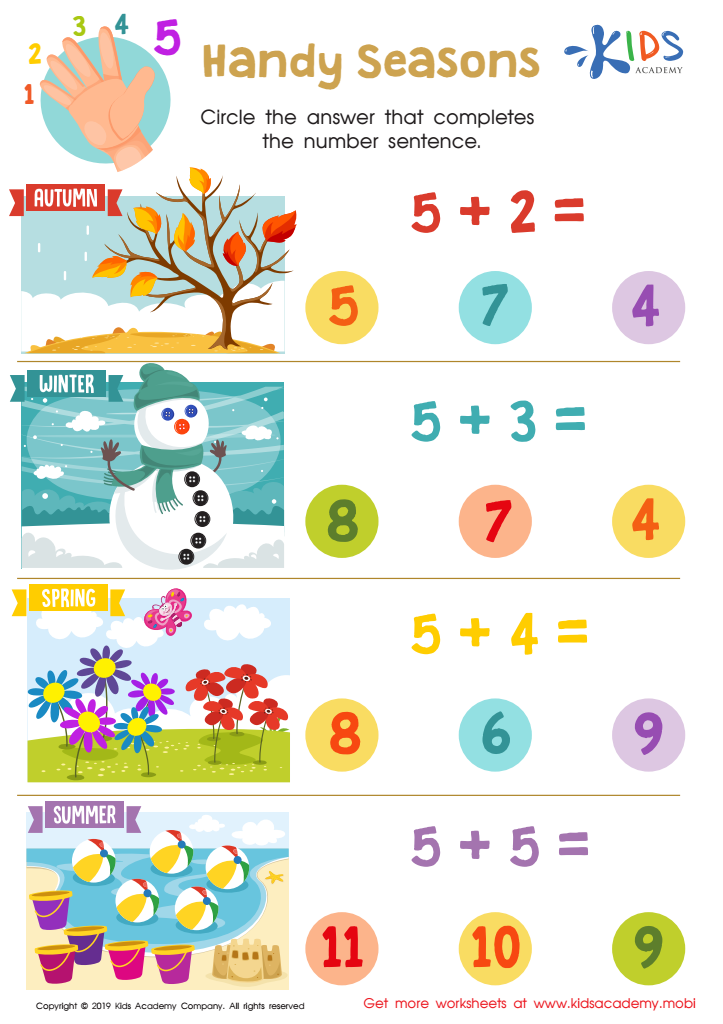
Handy Seasons Worksheet
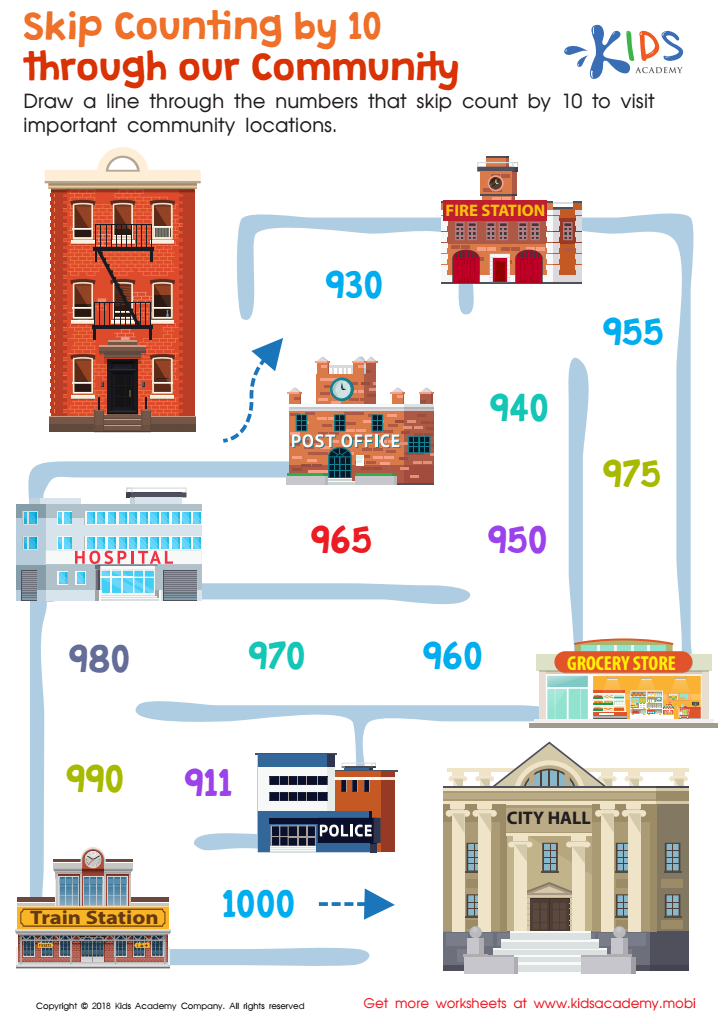
Skip Counting by 10 Through Our Community Worksheet
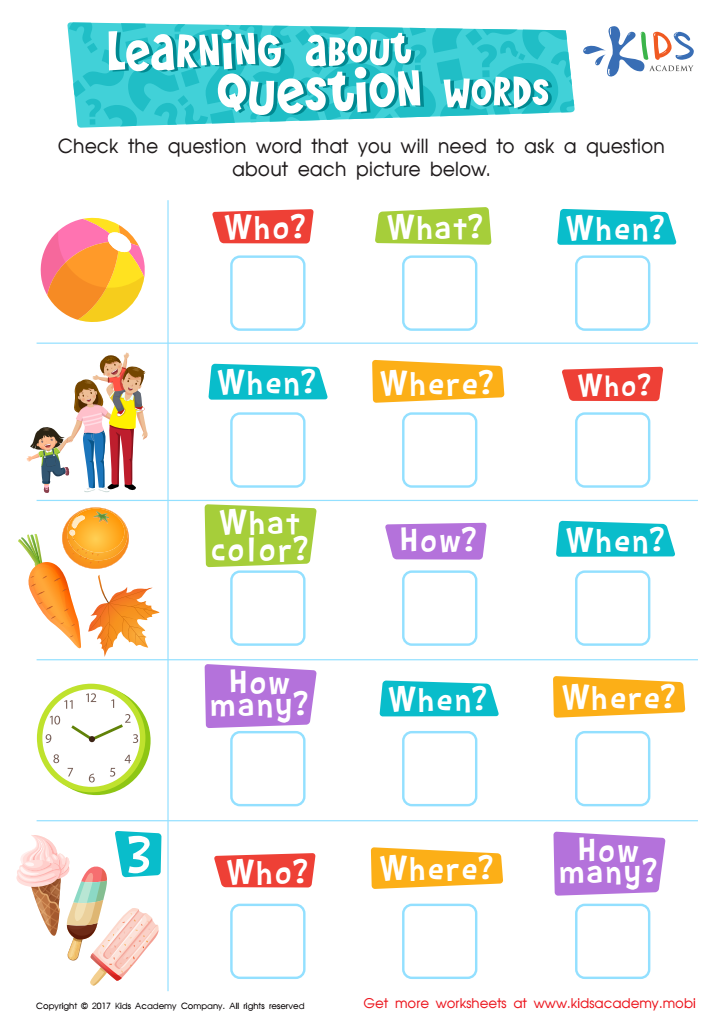
Learning about Question Words Worksheet
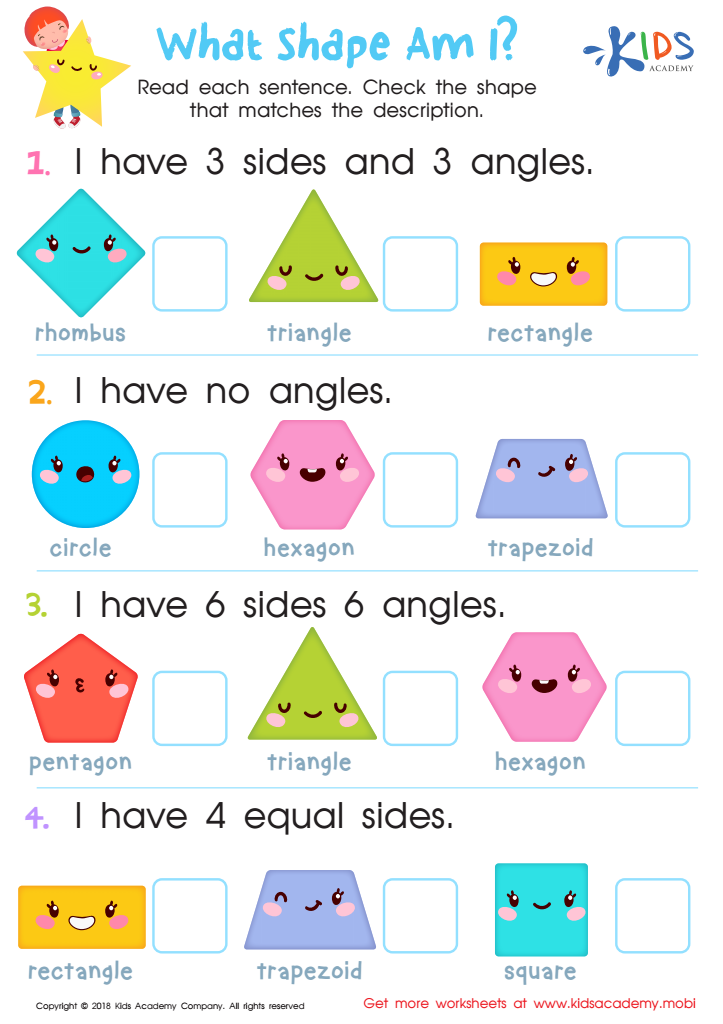
What Shape Am I? Worksheet
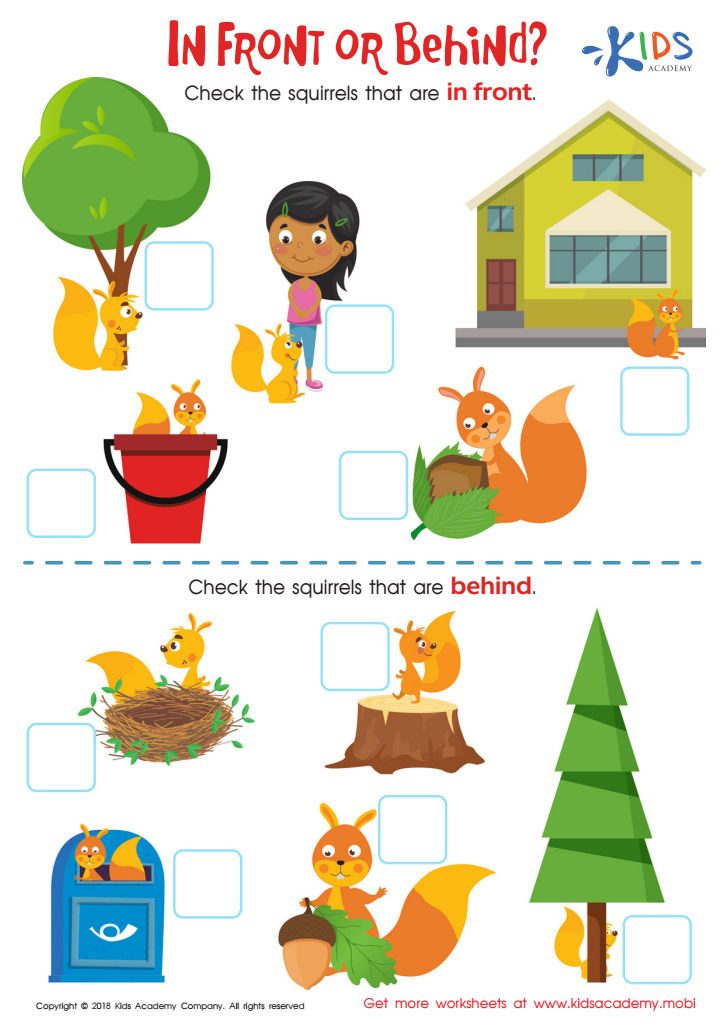
In Front or Behind: Part 2 Worksheet
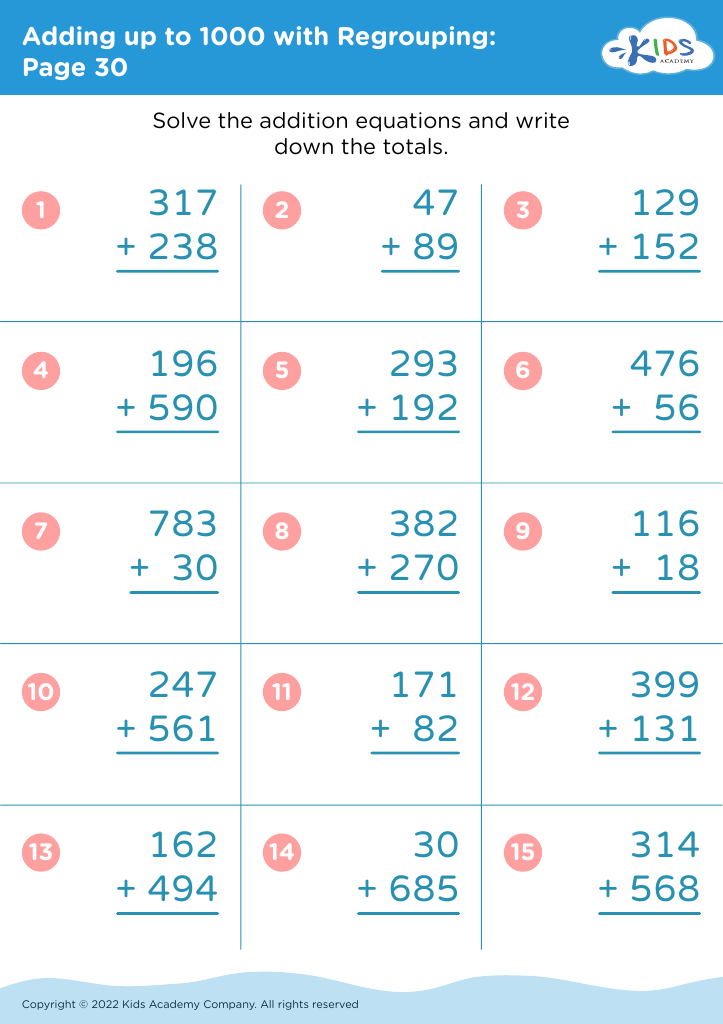
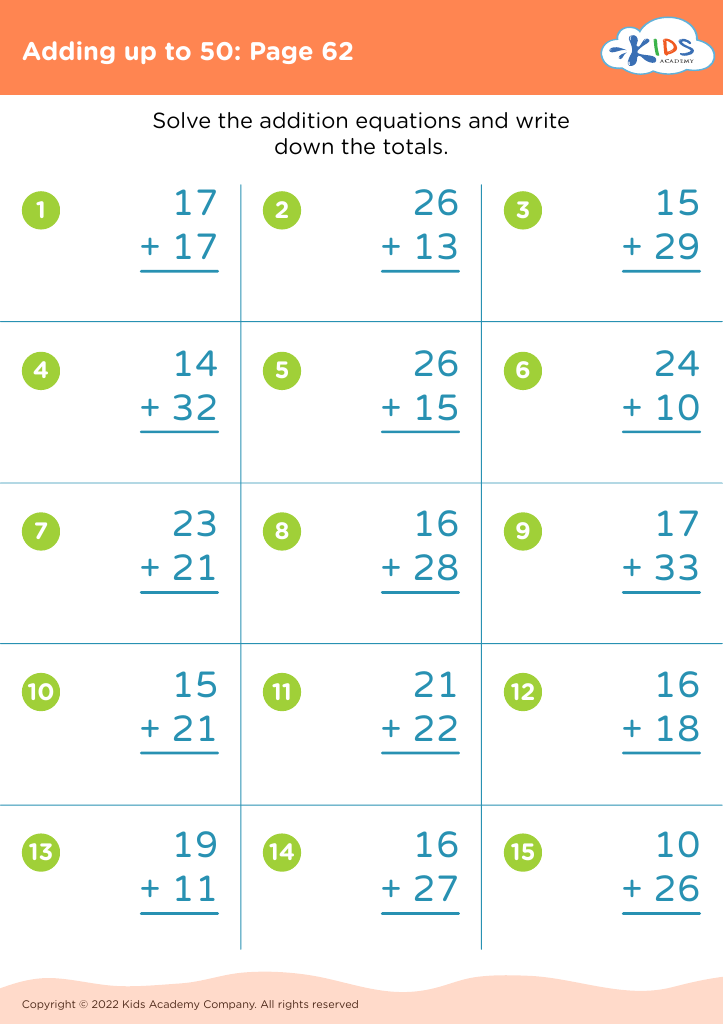
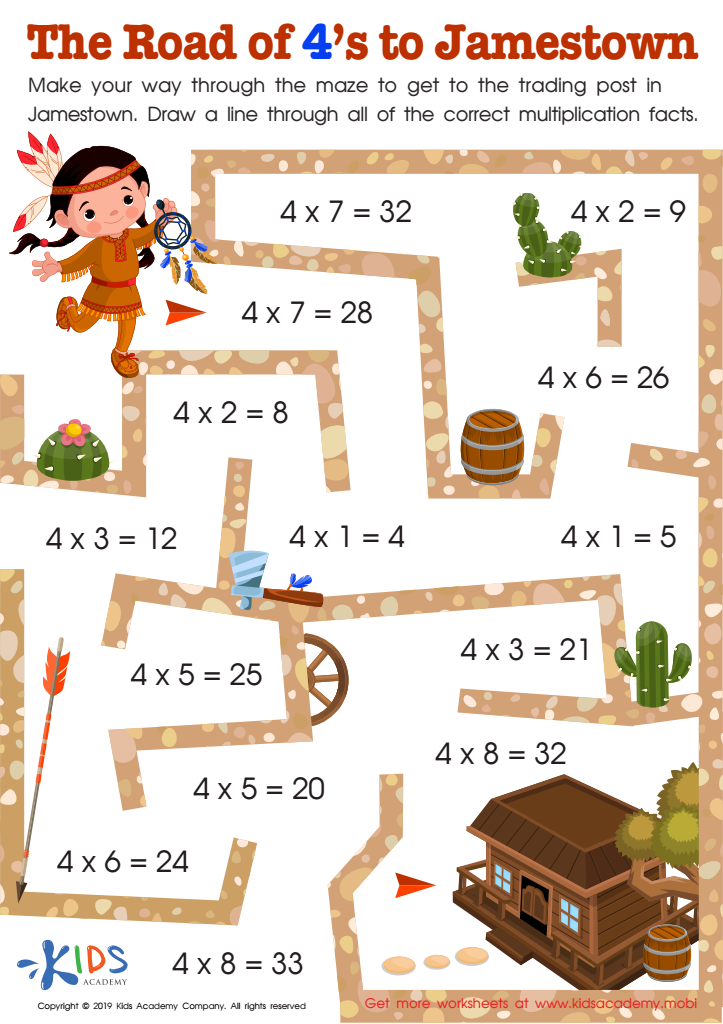
The Road of 4’s to Jamestown Worksheet
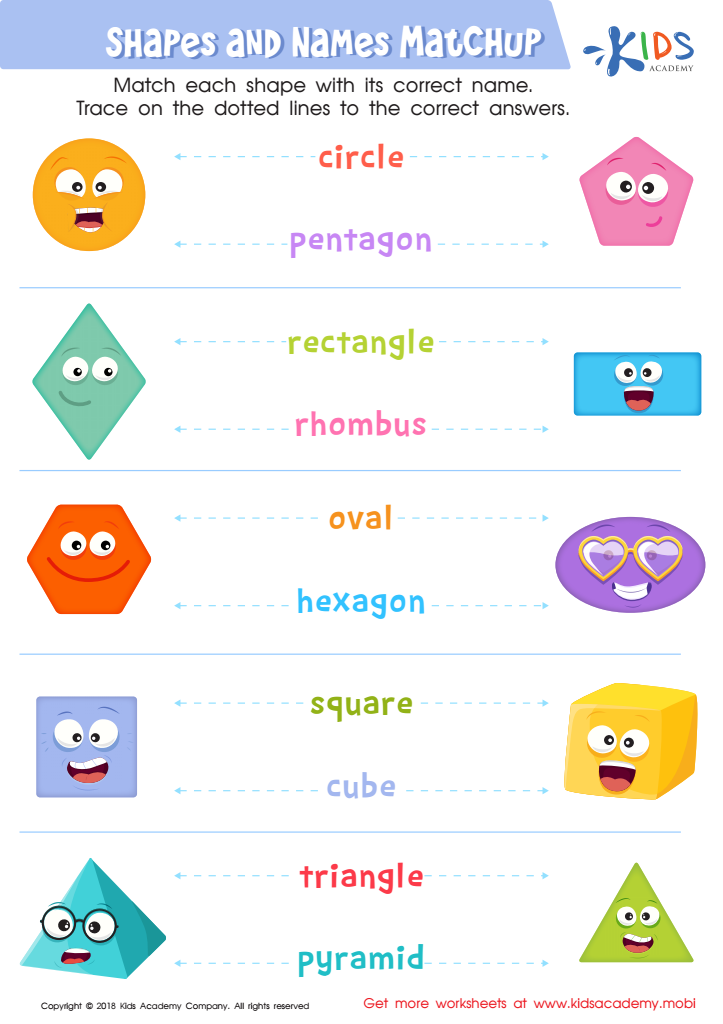
Shapes and Names Matchup Worksheet
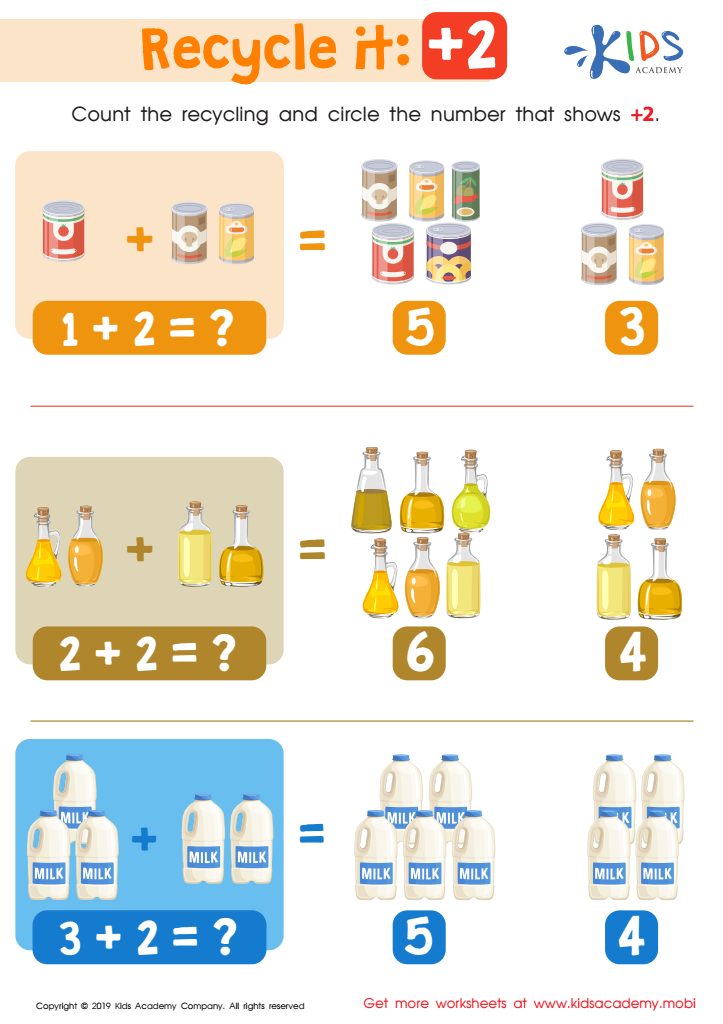
Recycle It: +2 Worksheet
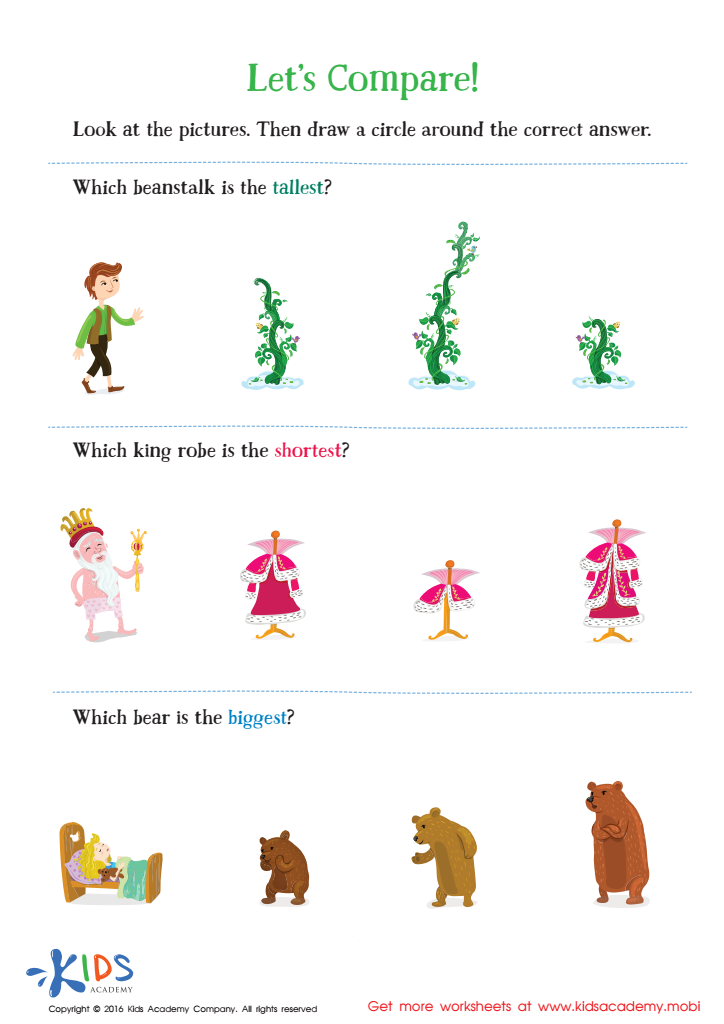
Fairy Tale Worksheet: Let's Compare
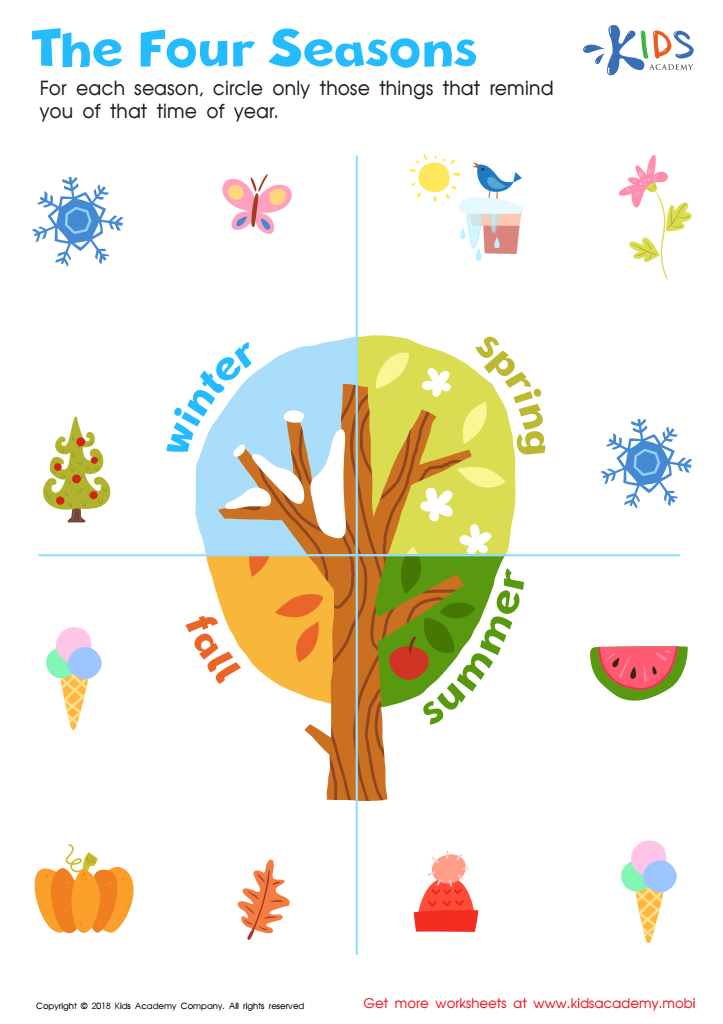
The Four Seasons Worksheet
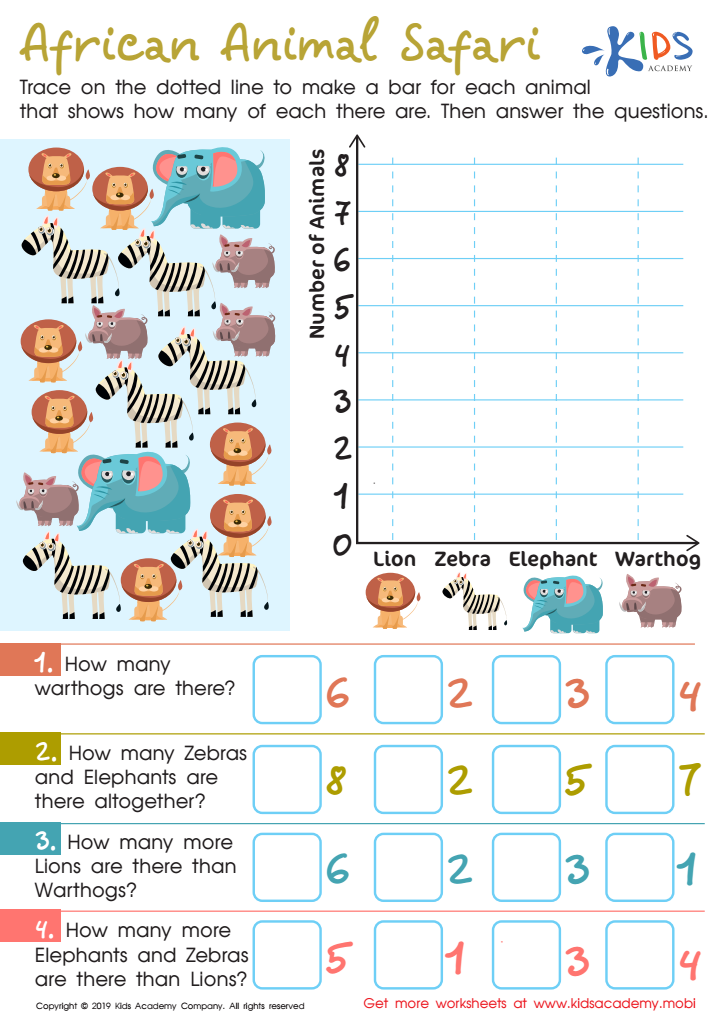
African Animal Safari Worksheet
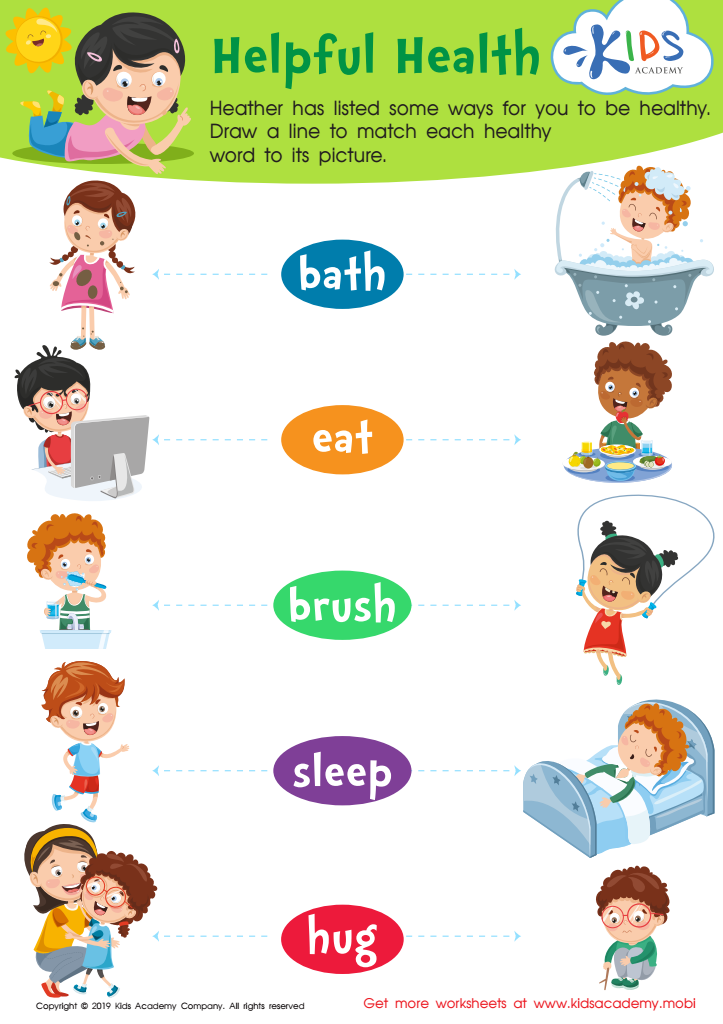
Helpful Health Worksheet
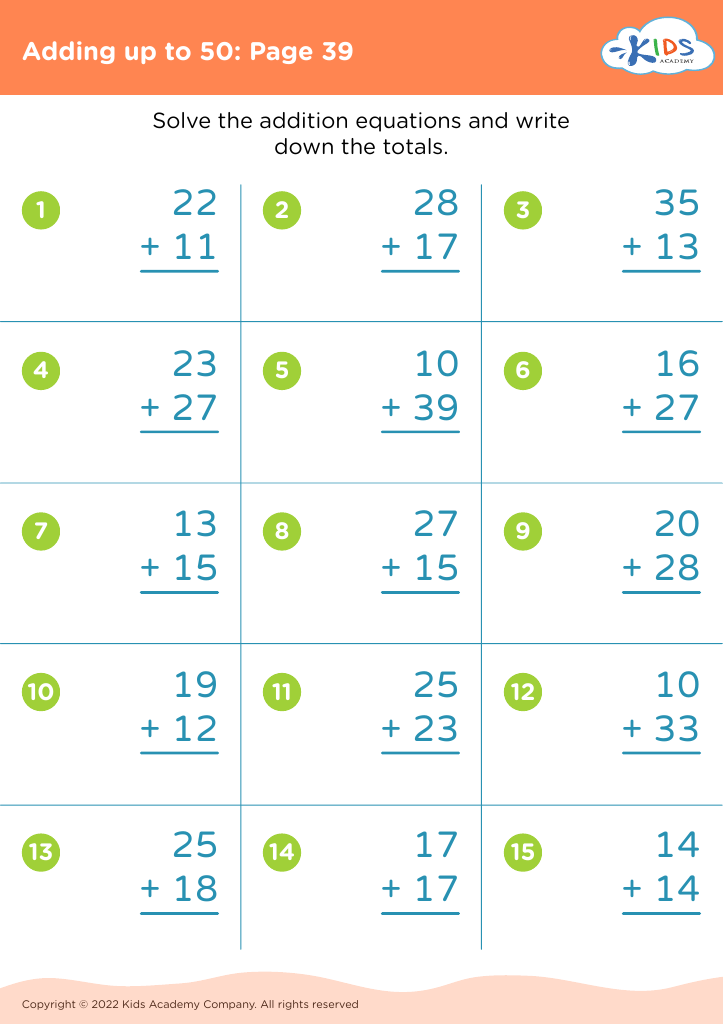




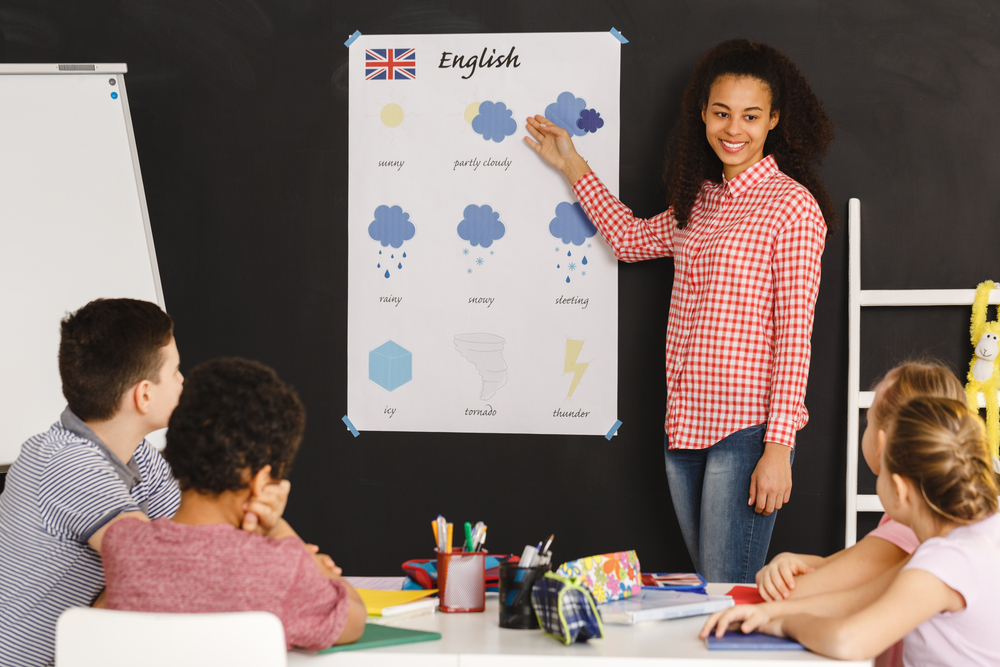



Vocabulary enhancement in math for children ages 5-9 is crucial for cultivating their overall cognitive development and academic success. During these formative years, children are not just learning numbers and operations; they are also building a linguistic foundation that will support their mathematical understanding.
A robust math vocabulary enables young learners to accurately express their thoughts, comprehend mathematical concepts, and engage in problem-solving tasks more effectively. Understanding terms like "sum," "difference," "greater than," and "fraction" allows children to grasp the relationships between numbers and visualize problems, leading to deeper comprehension and skills that extend beyond basic arithmetic.
Moreover, enhancing vocabulary in math fosters critical thinking and reasoning skills. It encourages students to articulate their thought processes, ask questions, and explain their answers, crucial components of mathematical learning. Additionally, exposing children to mathematical language in context aids in their reading comprehension, promoting a well-rounded education.
Lastly, involving parents and teachers in vocabulary development reinforces a child's experience. When caregivers model math language during everyday activities, it enriches a child's learning environment, strengthens home-school connections, and ultimately builds confidence and enthusiasm for math learning. Investing in vocabulary enhancement in math lays the groundwork for future academic achievements.








