Hand-eye Coordination Building Vocabulary Worksheets for Ages 5-9
4 filtered results
-
From - To
Our "Hand-eye Coordination Building Vocabulary Worksheets for Ages 5-9" are designed to support young learners in both physical and cognitive development. These interactive worksheets combine engaging vocabulary-building activities with tasks that enhance hand-eye coordination, such as tracing, matching, and puzzles. Each worksheet aims to make learning fun and effective by fusing essential reading skills with motor skill development. Perfect for kids ages 5-9, these resources provide a multi-faceted approach to early education, helping children strengthen their vocabulary while improving their fine motor skills. Boost your child's educational journey with these carefully crafted, enjoyable exercises.
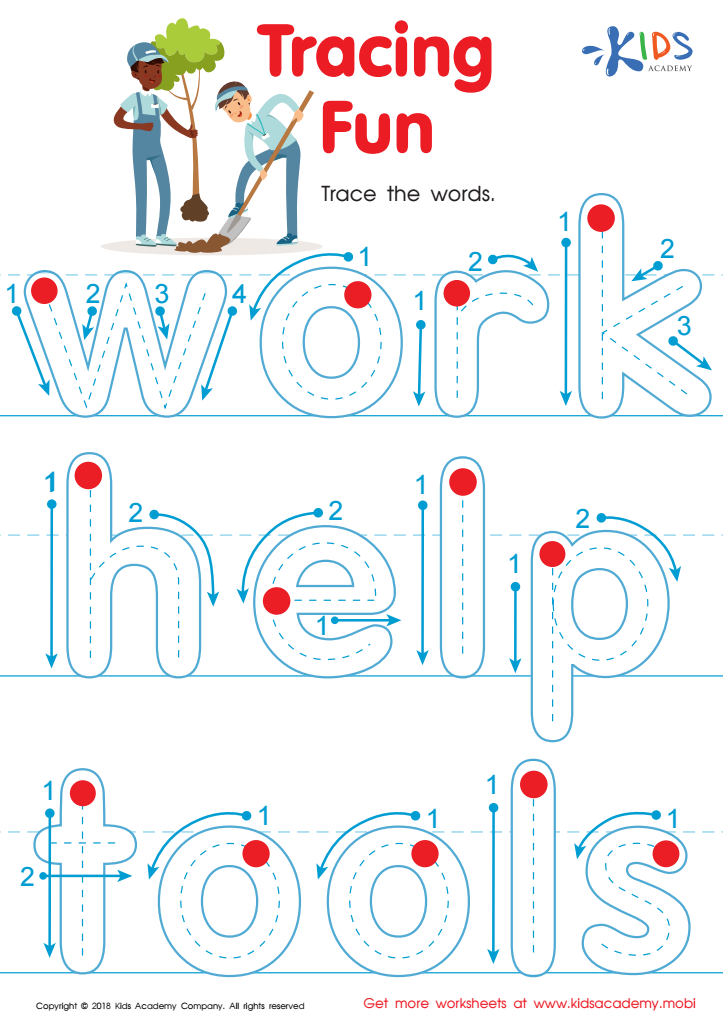
Tracing Fun Worksheet











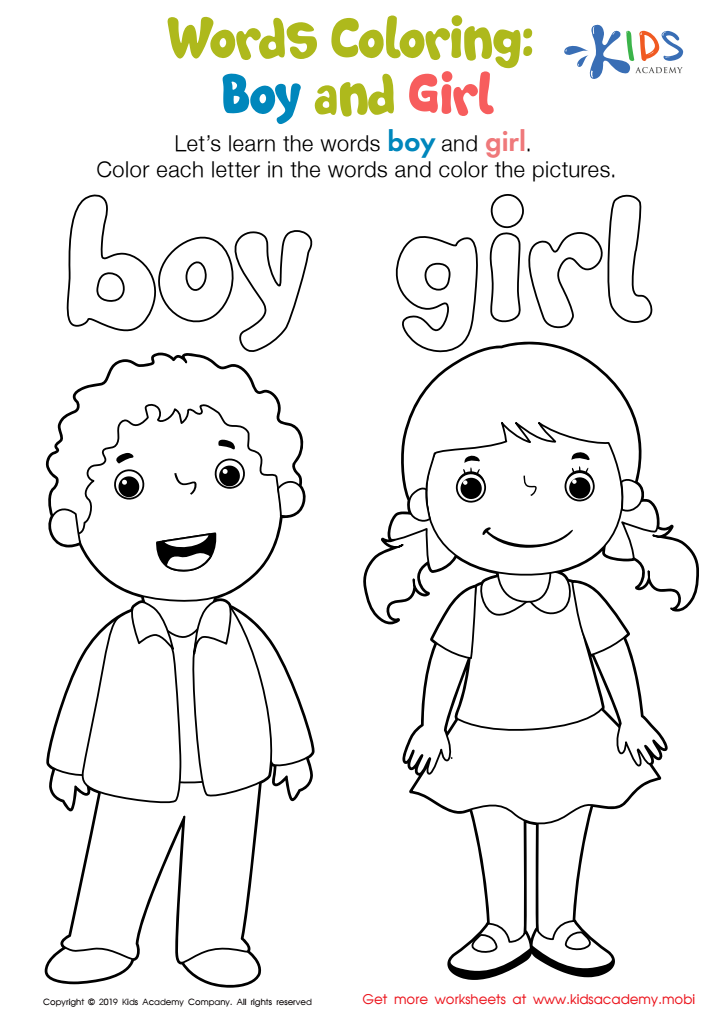
Boy and Girl Words Coloring Worksheet
 Assign to My Students
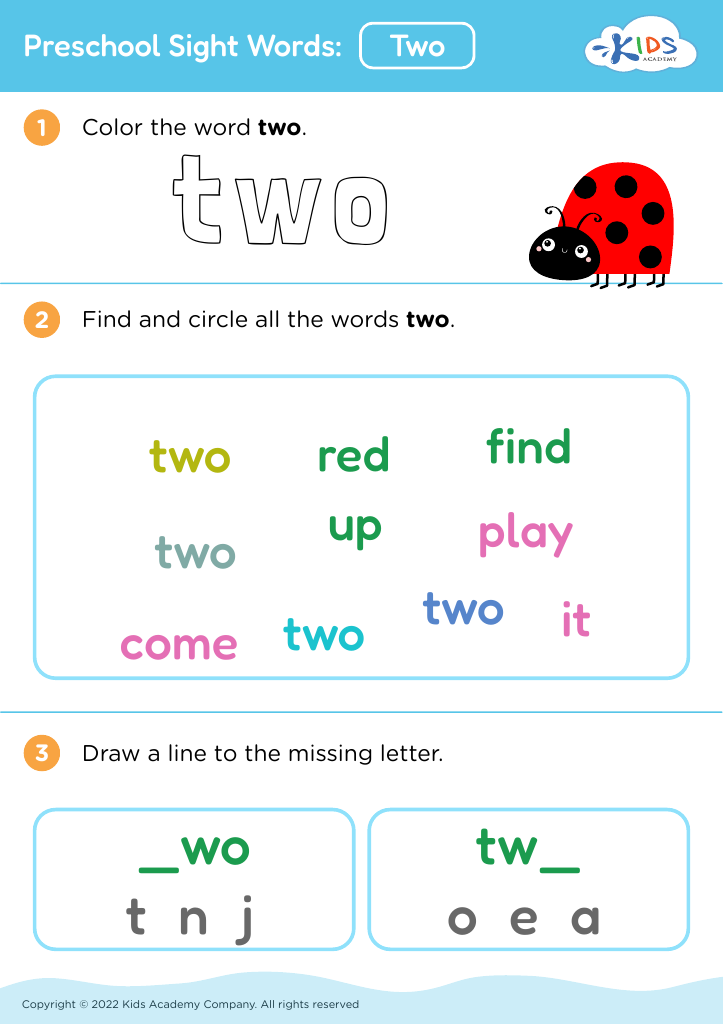
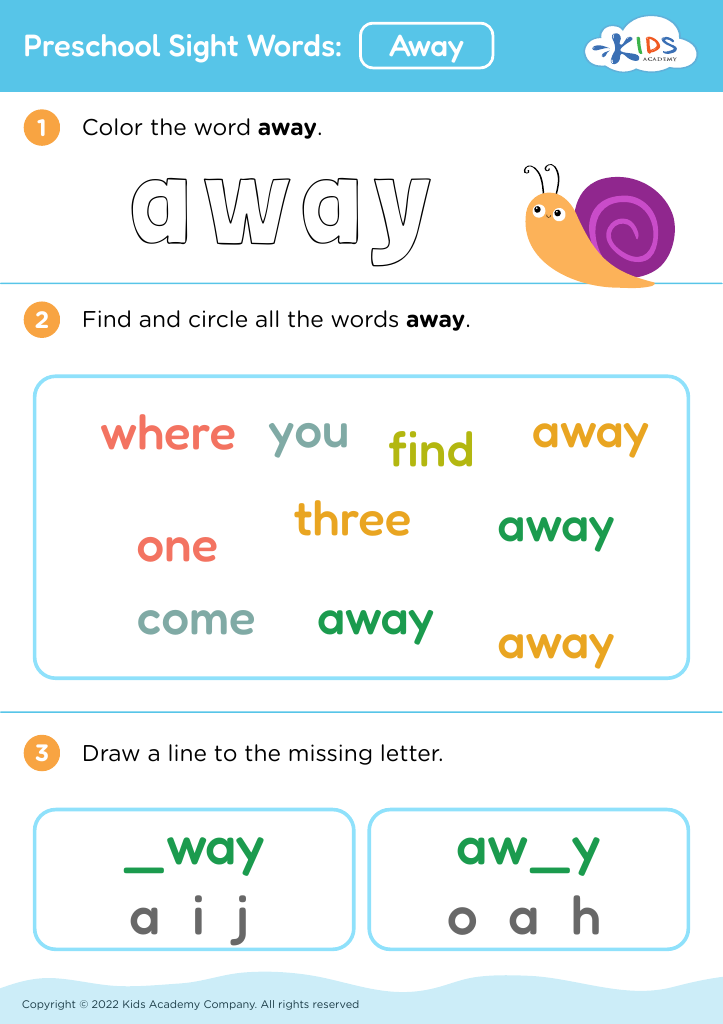



.jpg)




Hand-eye coordination and building vocabulary are two crucial areas of development for children aged 5-9, warranting attention from both parents and teachers. Hand-eye coordination involves the harmonious function of the hands and eyes, enabling children to perform everyday tasks efficiently. Activities like writing, drawing, and sports rely heavily on this skill. Enhancing hand-eye coordination can improve fine motor skills, supporting a child's academic success and boosting self-confidence. Proactive engagement in play-based activities like puzzles, arts and crafts, or catch games can be effective and enjoyable ways to nurture this skill.
On the other hand, building a robust vocabulary is fundamental for effective communication, critical thinking, and reading comprehension. A rich vocabulary not only aids in expressing thoughts and emotions clearly but also enhances the ability to understand and interpret information. This becomes especially pertinent as children are introduced to more complex texts and subjects in their academic journey.
For optimal development, it’s essential to create a stimulating environment that integrates hand-eye coordination activities and rich language experiences. Shared reading sessions, storytelling, and word games can be combined with movement-based activities to foster a well-rounded skill set. By prioritizing these developmental areas, parents and teachers can provide children with a stronger foundation for future educational endeavors and everyday life skills.








