Math problem-solving Building Vocabulary Worksheets for Ages 5-9
6 filtered results
-
From - To
Welcome to our Math Problem-Solving Building Vocabulary Worksheets tailored for children ages 5-9! These engaging worksheets combine essential math skills with vocabulary development, aimed at enhancing critical thinking and language comprehension. Each activity is designed to make math fun and interactive, helping young learners grasp concepts through vivid visuals and relatable scenarios. As students tackle various problem-solving challenges, they will also enrich their mathematical vocabulary, setting a strong foundation for future learning. Perfect for teachers, parents, or homeschoolers, our resources stimulate curiosity and foster a love for math and language in every child. Discover the joy of learning today!
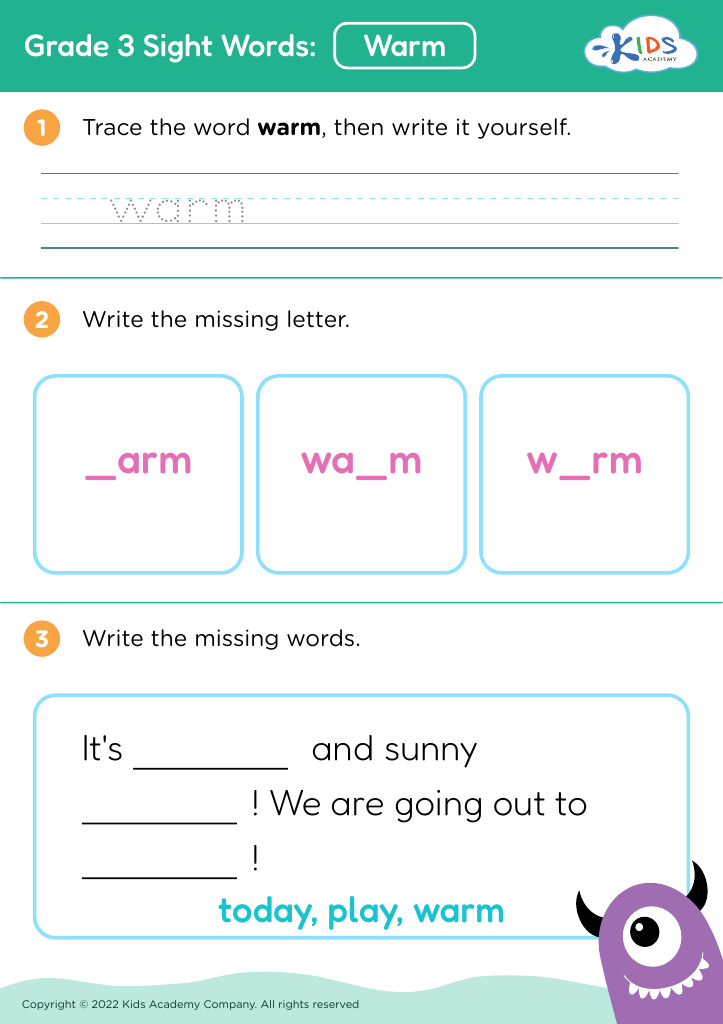











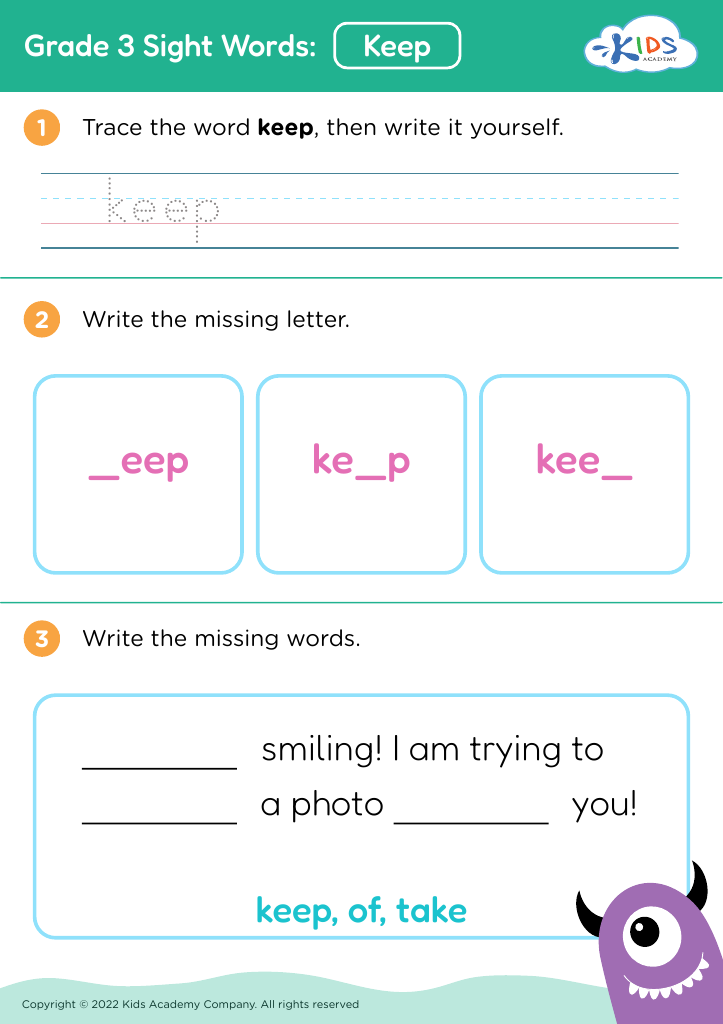
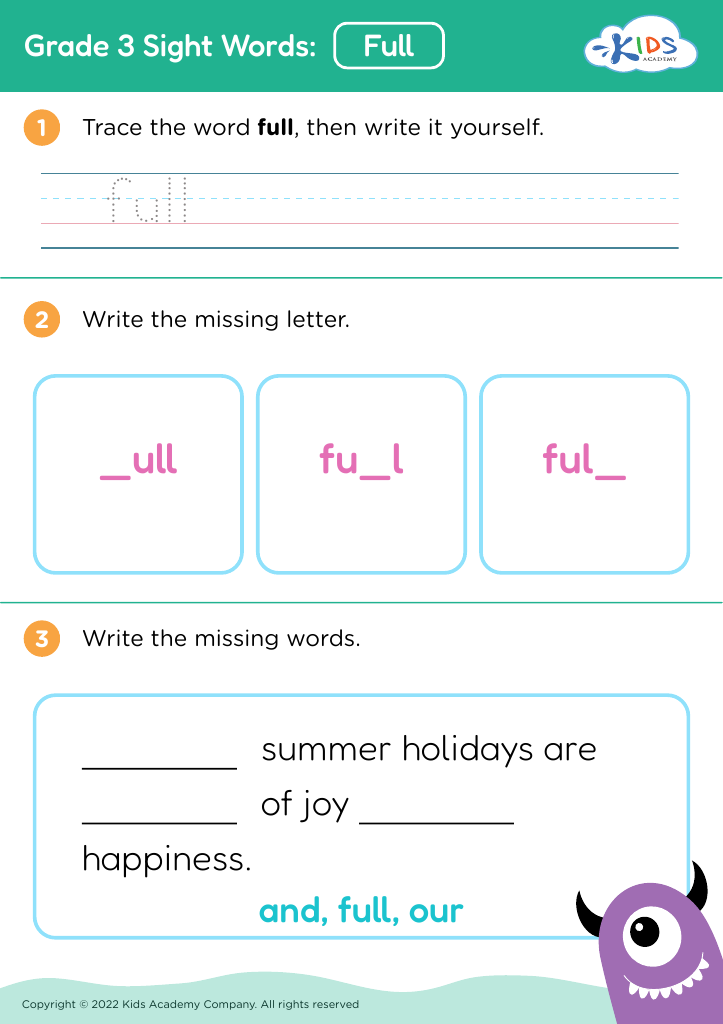
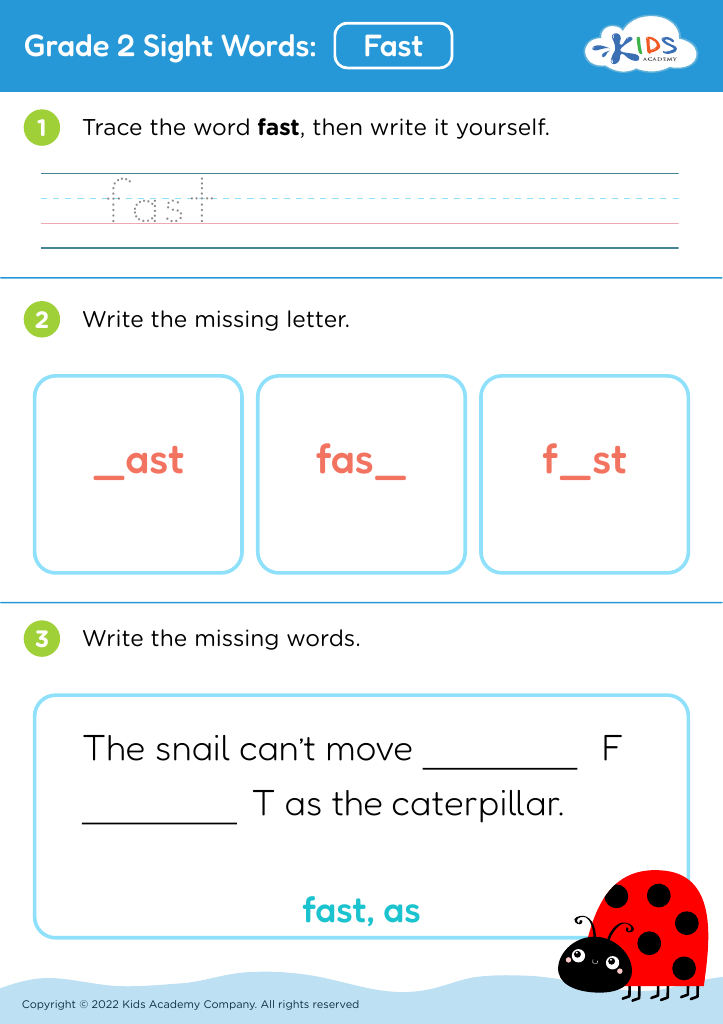





.jpg)


Building vocabulary in math problem-solving is crucial for children aged 5-9, as it lays the foundation for both their mathematical understanding and overall academic success. At this age, children are not only learning numerical skills but also developing the language necessary to articulate their thinking. Understanding math vocabulary—such as "sum," "difference," "greater than," and "equal to"—enables young learners to grasp concepts more deeply.
When parents and teachers focus on embedding vocabulary within math lessons, they facilitate clearer communication and critical thinking. Children who can express their reasoning are better equipped to tackle complex problems and explain their thought processes. This active engagement with language enhances their ability to comprehend word problems, allowing them to visualize and solve them effectively.
Additionally, a rich math vocabulary supports children's confidence and encourages a positive attitude towards math. Early exposure to mathematical language empowers them to engage in discussions, seek help, and collaborate with peers, fostering a community of learning. As parents and teachers prioritize vocabulary within math problem-solving, they nurture not just mathematical skills but also essential literacy, ensuring that students are well-prepared for future challenges in both mathematics and other subjects.








