
Mathematical reasoning Building Vocabulary Worksheets for Ages 5-9
6 filtered results
Difficulty Level
Grade
Age
-
From - To
Subject
Activity
Standards
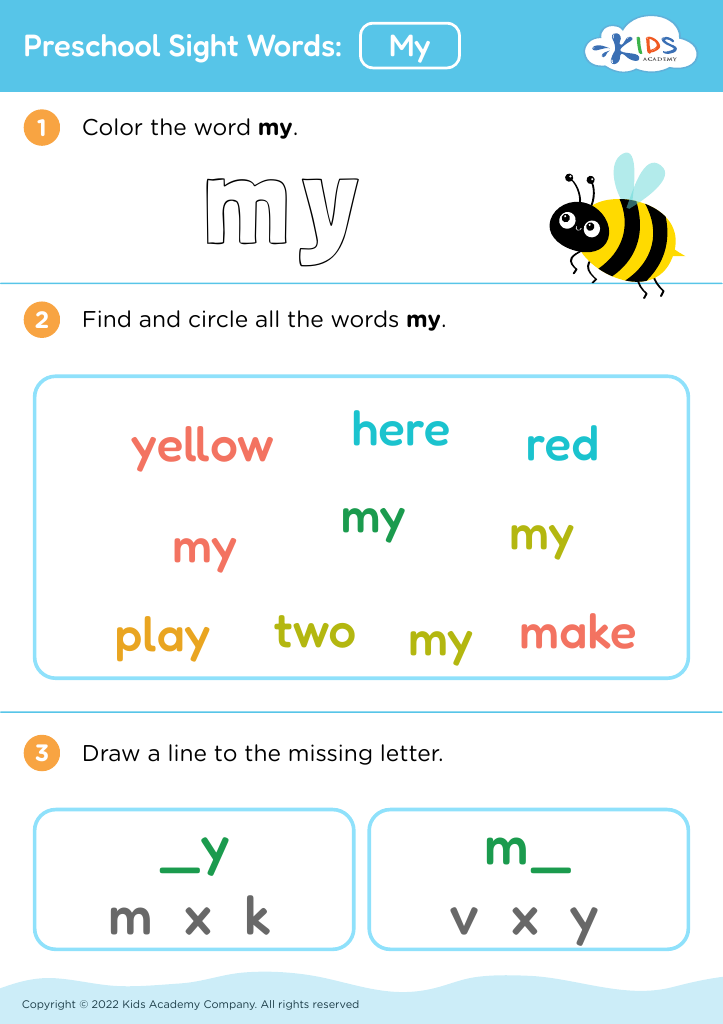
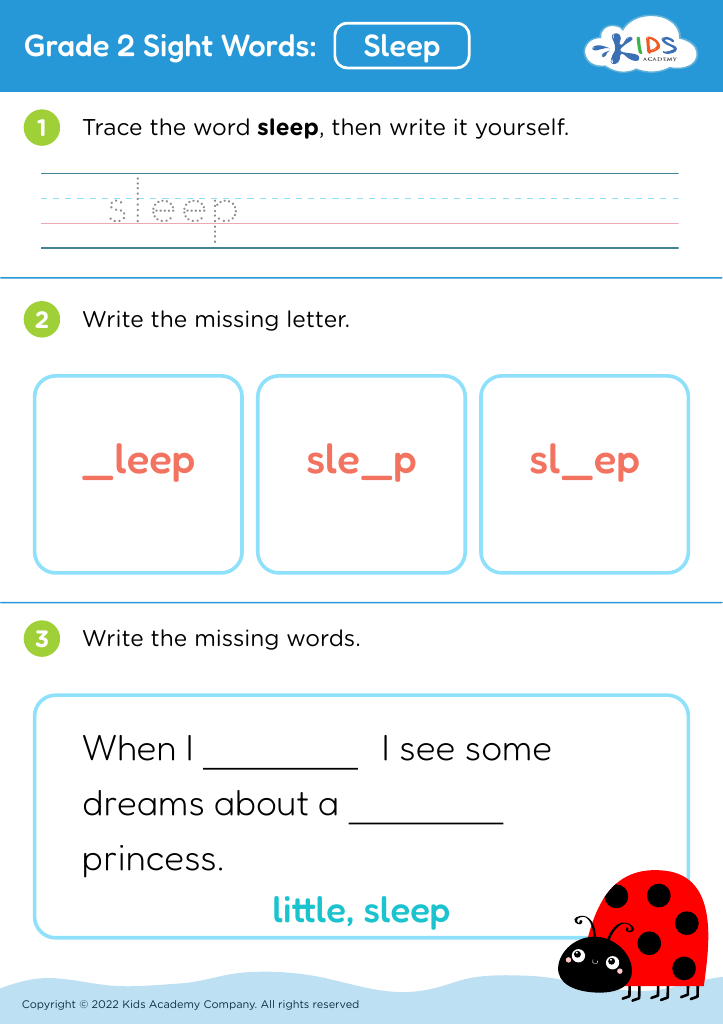
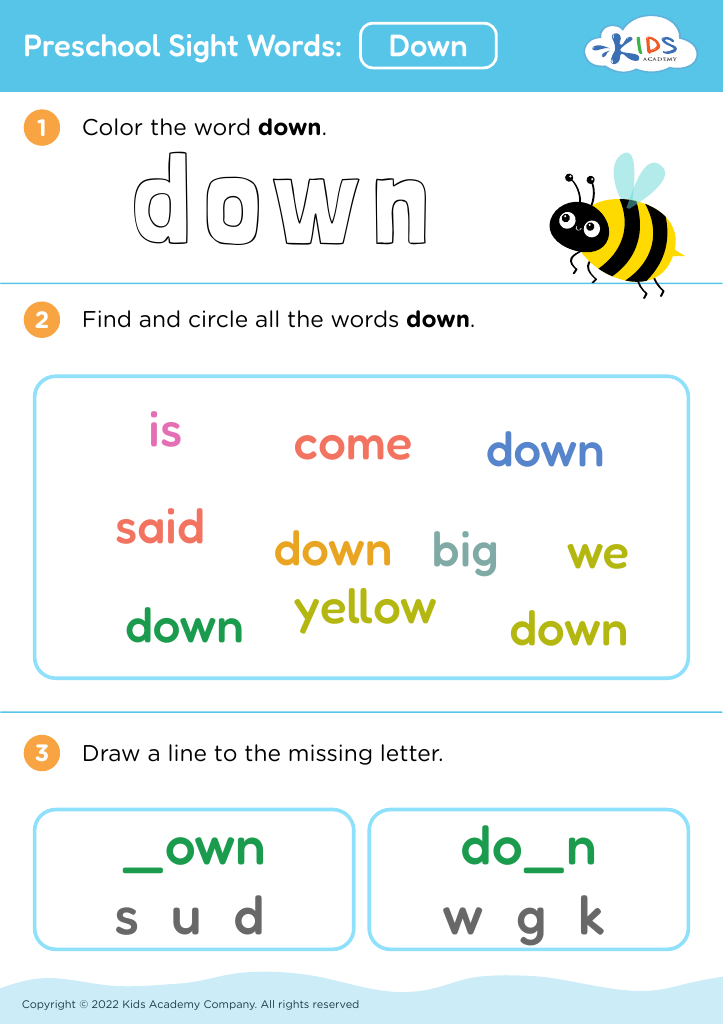
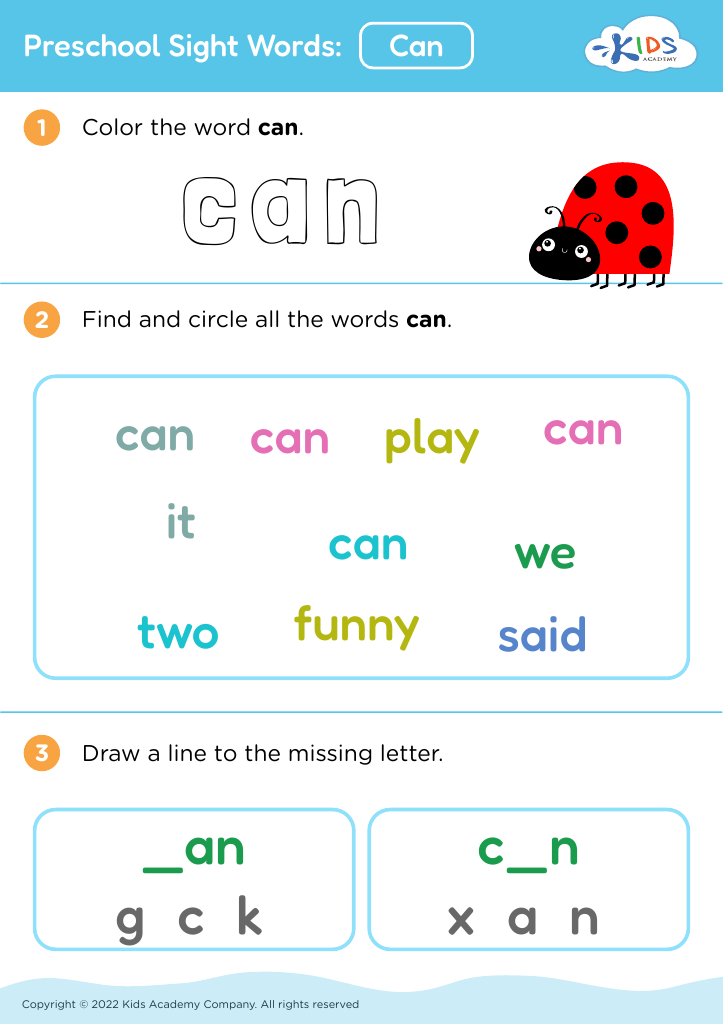
Discover our engaging "Mathematical Reasoning Building Vocabulary Worksheets" designed specifically for children aged 5-9. These worksheets combine fun and learning, helping young learners enhance their vocabulary while tackling essential math concepts. With vibrant illustrations and age-appropriate exercises, students will explore mathematical terminology, fostering both comprehension and critical thinking skills. Our resources not only promote vocabulary development but also encourage problem-solving through practical applications. Ideal for teachers and parents alike, these worksheets are perfect for classroom activities or at-home learning. Equip your child with the tools they need for academic success in a delightful and interactive way!
Favorites
With answer key
Interactive











Join Kids Academy for Free
Who is primarily going to use this learning content?








Mathematical reasoning and vocabulary development are crucial for children aged 5-9, laying the groundwork for their future academic success and overall cognitive growth. At this stage, children are naturally curious and eager to make connections, and fostering their mathematical reasoning enhances their problem-solving abilities and critical thinking skills.
When children learn to articulate their thoughts about math concepts, they not only understand numbers better but also deepen their comprehension of mathematical language. For instance, knowing terms like "subtract," "add," or "equals" allows them to communicate their reasoning effectively, thus bolstering their ability to tackle mathematical problems confidently.
Additionally, a robust mathematical vocabulary supports literacy skills, as many math concepts are intertwined with language. Exposure to mathematical vocabulary encourages children to engage in discussions, defend their reasoning, and explore concepts collaboratively. Parents and teachers nurturing this aspect can foster a more positive attitude towards math, reducing math anxiety and building a growth mindset.
Overall, prioritizing mathematical reasoning and vocabulary development not only enriches children’s learning experiences at a fundamental level but also equips them with essential life skills necessary for navigating an increasingly numerate world. Therefore, both parents and teachers should take an active role in cultivating these foundational skills.








