Number Recognition Building Vocabulary Worksheets for Ages 5-9 - Page 2
33 filtered results
-
From - To
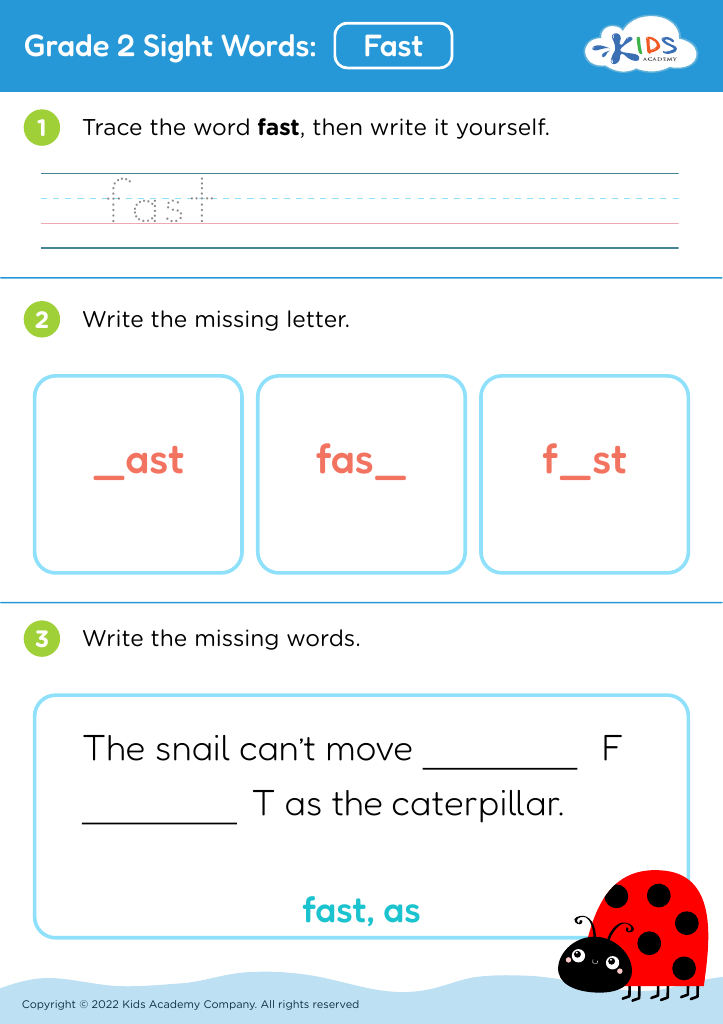











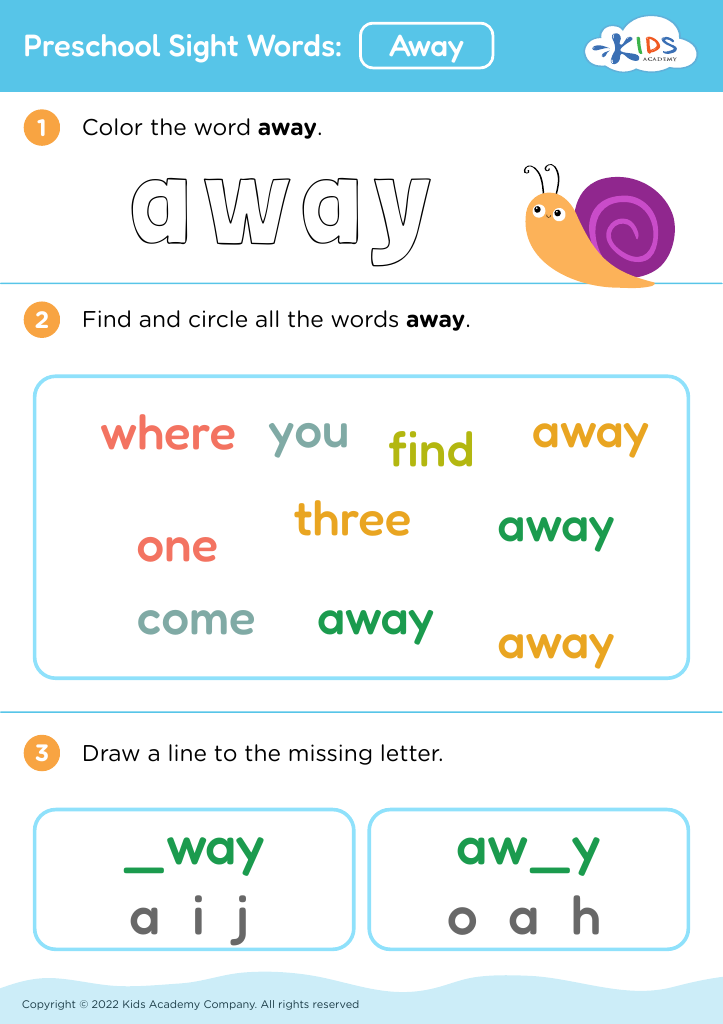
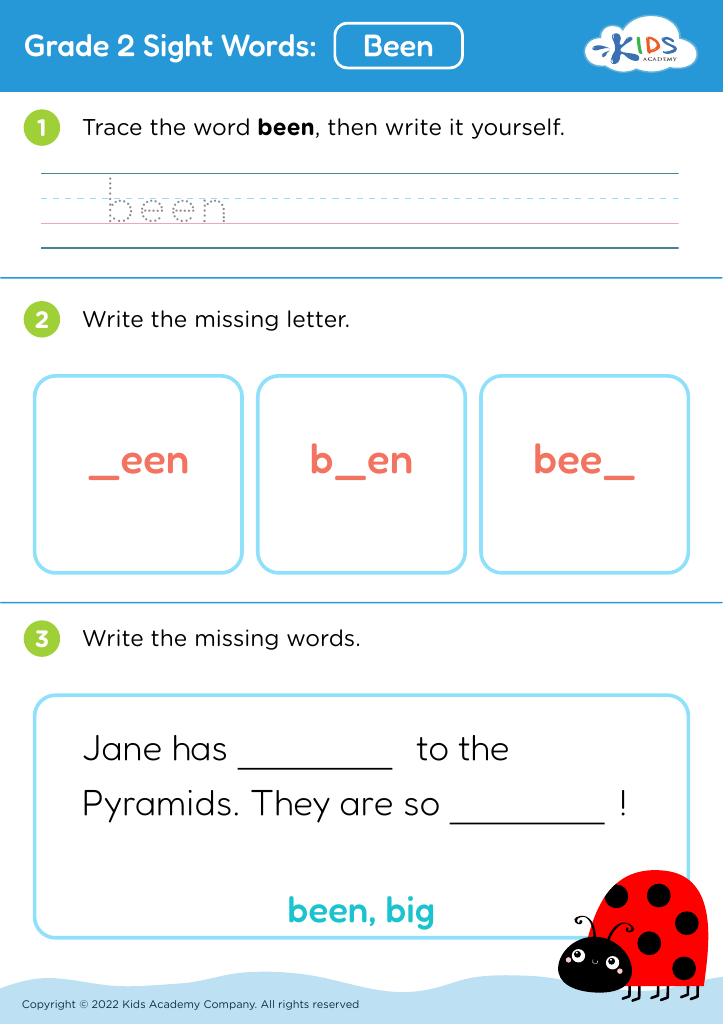
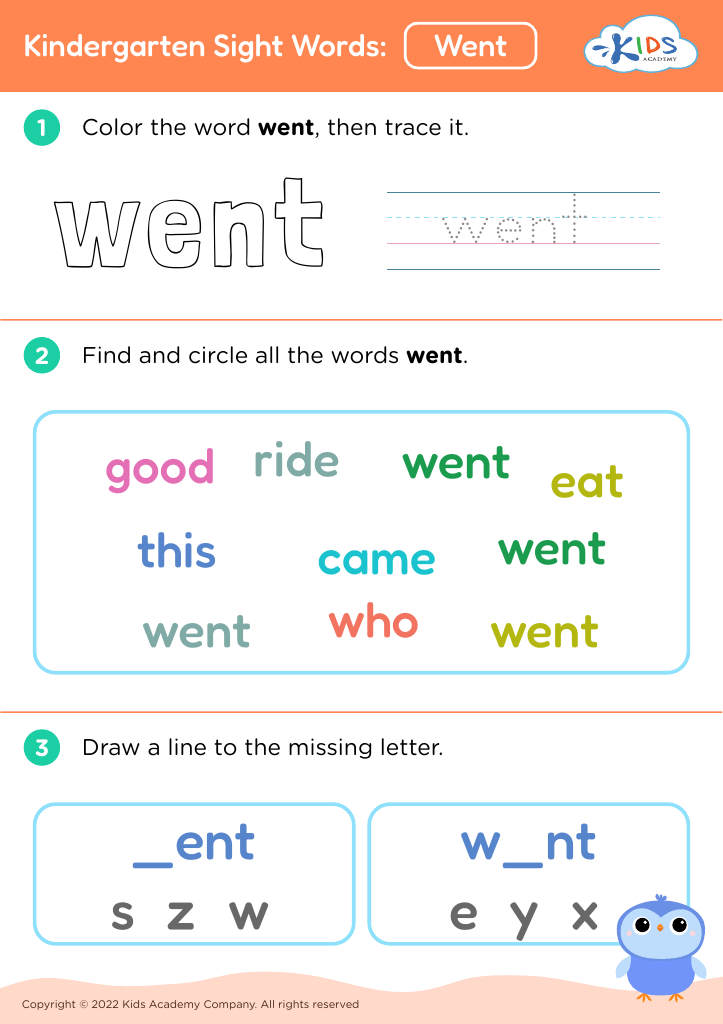
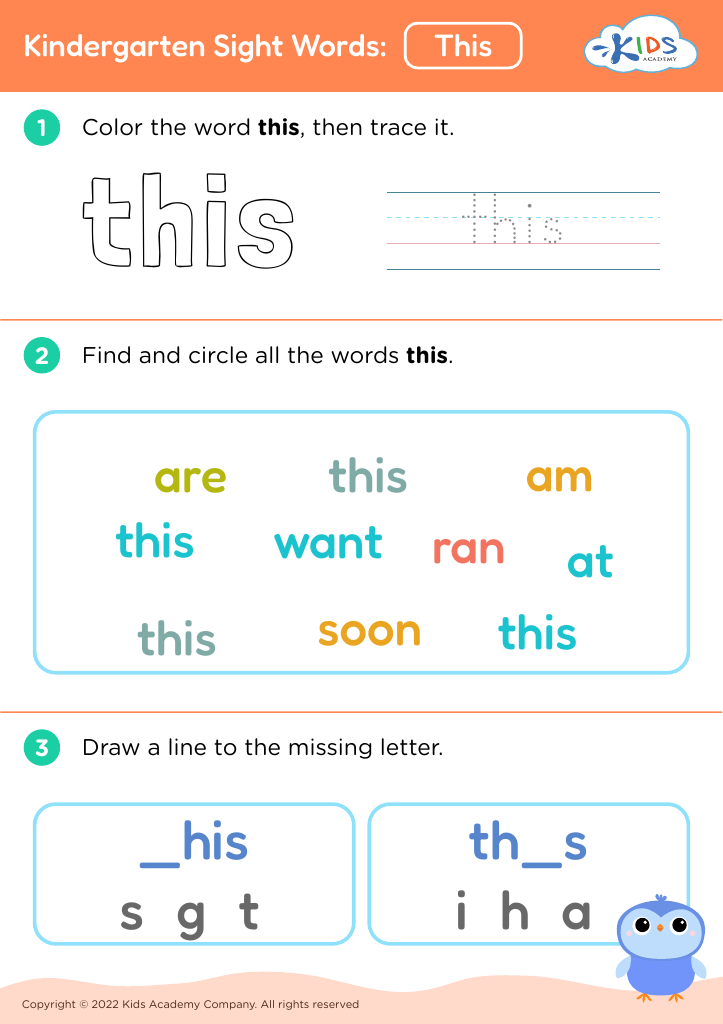
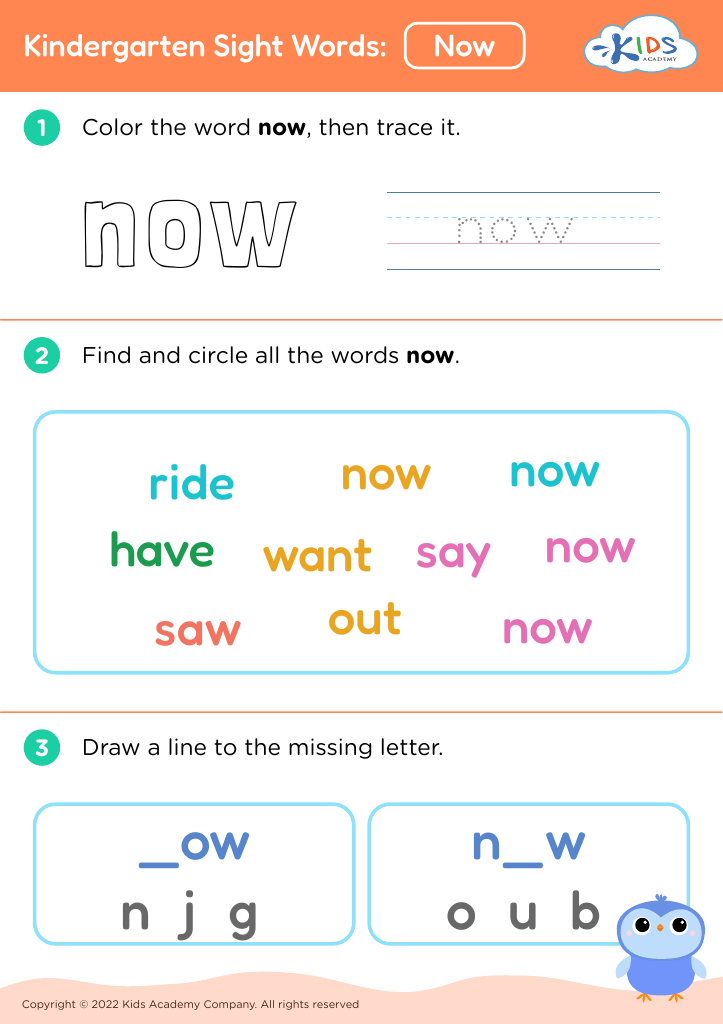
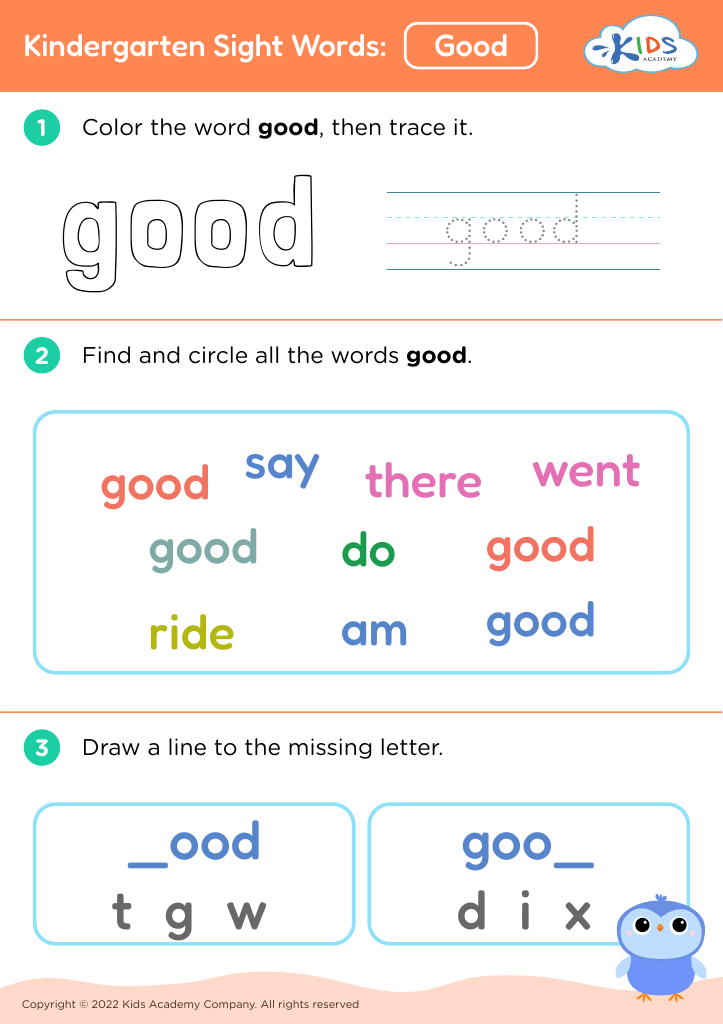
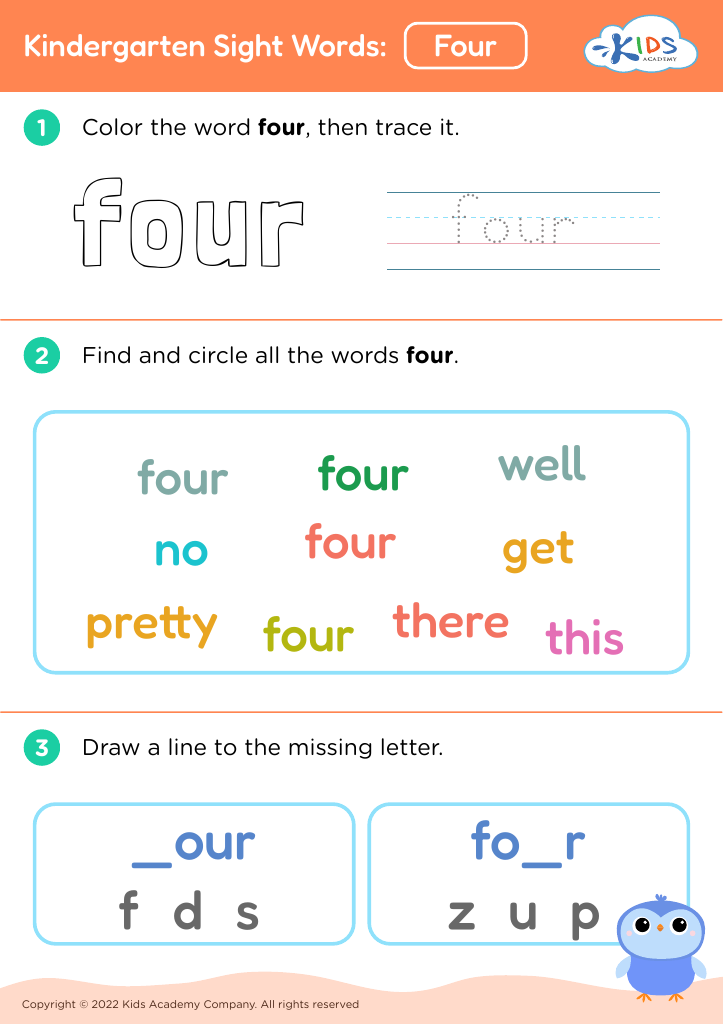
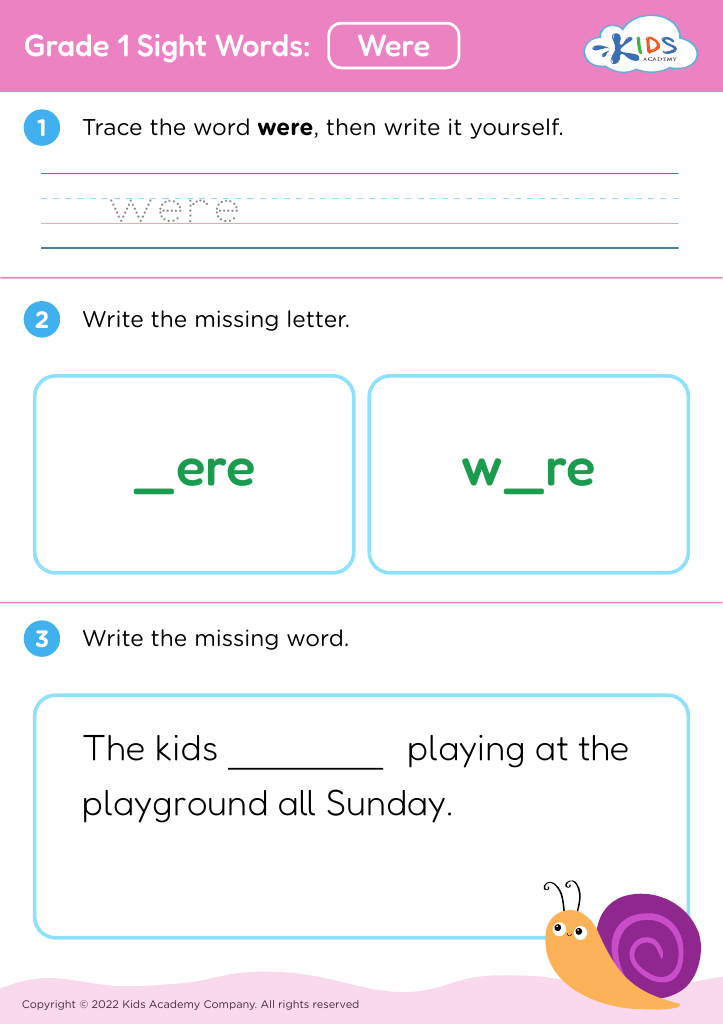








Parents and teachers should prioritize number recognition and vocabulary building for children aged 5 to 9, as these skills are foundational for future learning and critical thinking. Number recognition not only helps kids understand basic math concepts, but it also fosters confidence in their ability to solve problems and make sense of the world around them. Recognizing numbers lays the groundwork for more complex mathematics, promoting the ability to count, add, and identify patterns.
On the other hand, building vocabulary is essential for literacy development. A rich vocabulary enhances reading comprehension and communication skills. When children are exposed to diverse words and phrases, they can better express their ideas and emotions, which is crucial for social interaction and academic success.
Furthermore, intertwining number recognition with vocabulary expansion creates a holistic learning environment. For instance, using targeted language to describe numerical concepts—like "more," "less," or "equal"—helps children to connect math with language skills. Ultimately, developing these abilities early can lead to increased academic achievement and lifelong learning, making it vital for parents and teachers to foster a supportive learning environment that encourages growth in both number recognition and vocabulary.








