Phonics practice Building Vocabulary Worksheets for Ages 5-9
6 filtered results
-
From - To
Discover engaging phonics practice worksheets designed to boost vocabulary skills for children aged 5-9. Our printable resources combine fun activities with educational content, helping young learners master essential phonics concepts and expand their word knowledge. Each worksheet is thoughtfully crafted to promote reading fluency and phonetic understanding, making learning enjoyable and effective. With varied exercises, including word matching, puzzles, and sound recognition, children will build confidence in their reading abilities. Perfect for home or classroom use, these phonics worksheets provide valuable practice that supports literacy development. Help your child unlock the world of words and enhance their academic journey today!
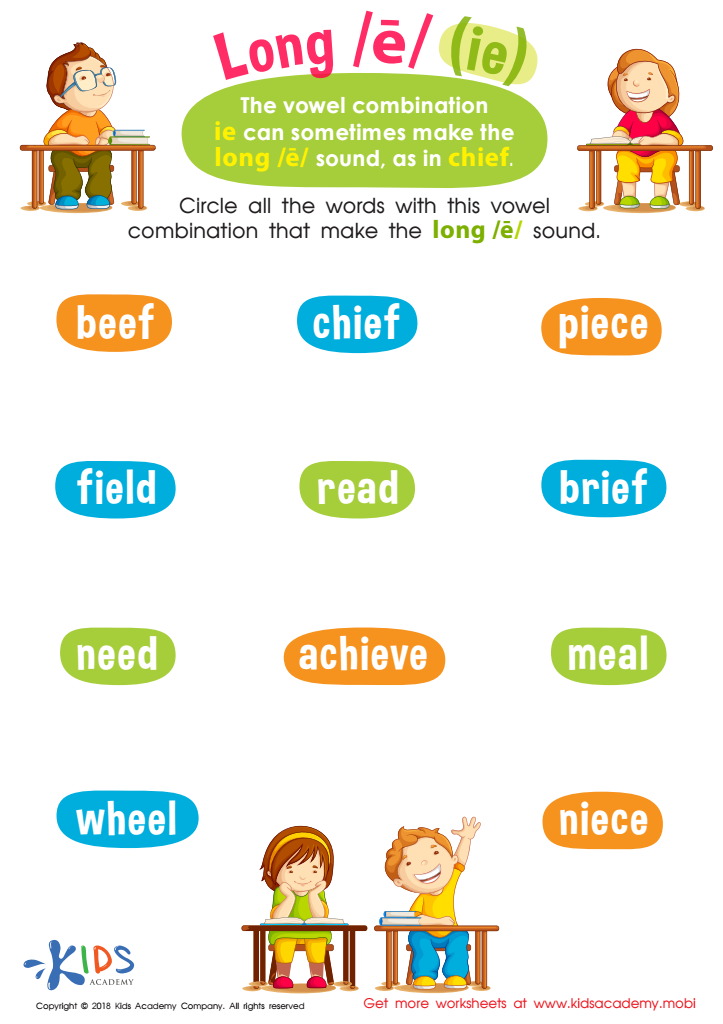
Reading: Long E and IE Worksheet
 Assign to My Students











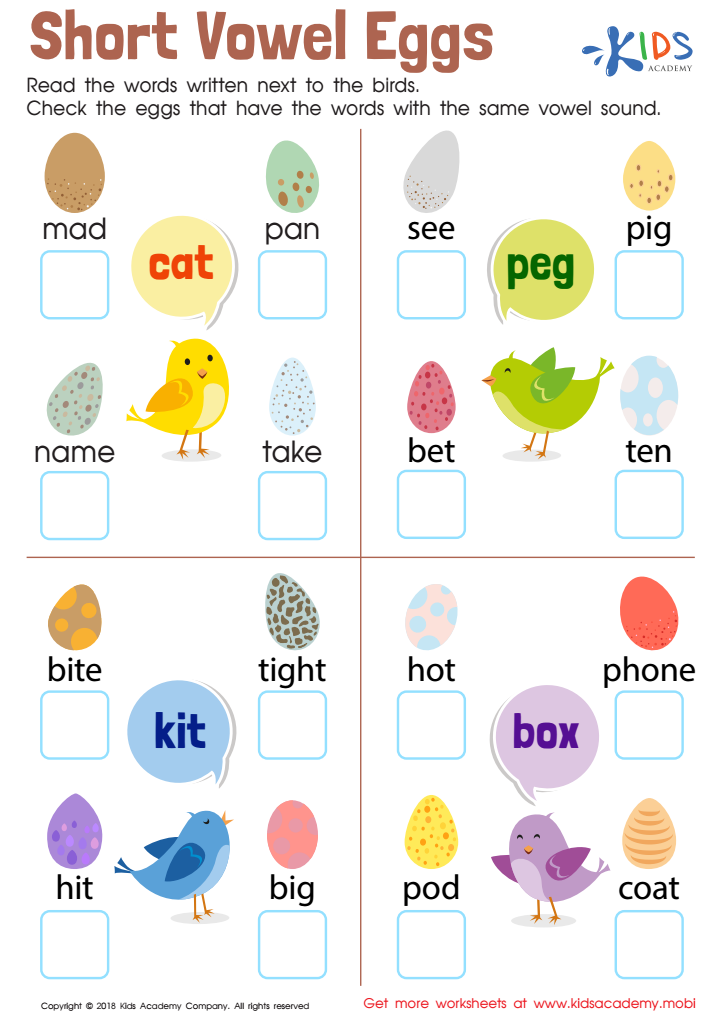
Short Vowel Eggs Worksheet
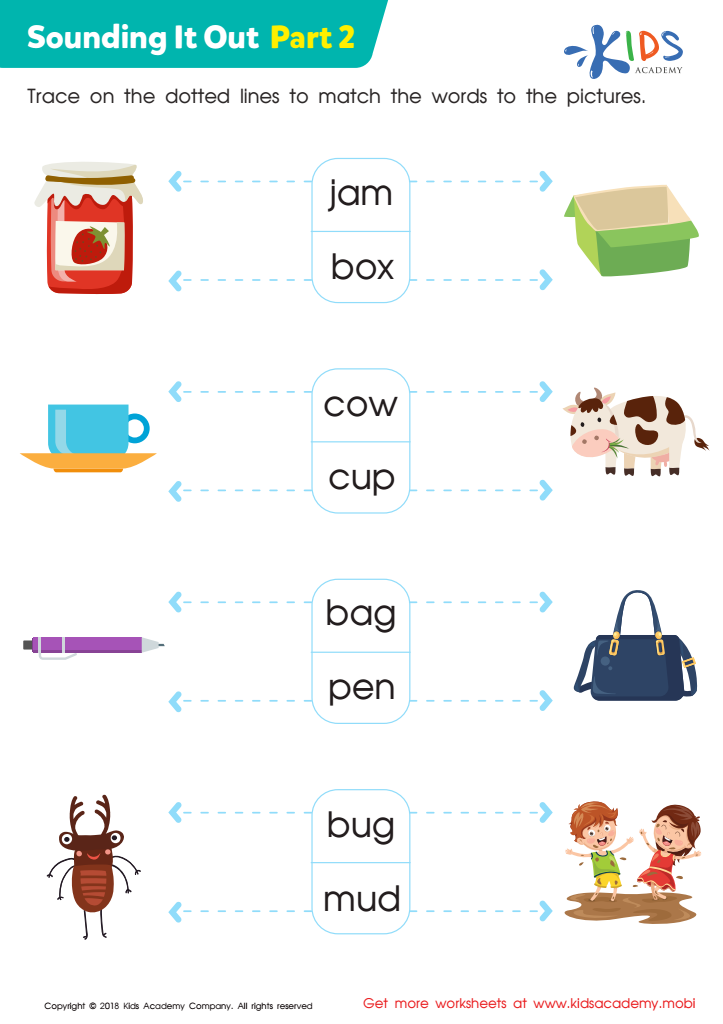
Sounding it Out: Part 2 Worksheet
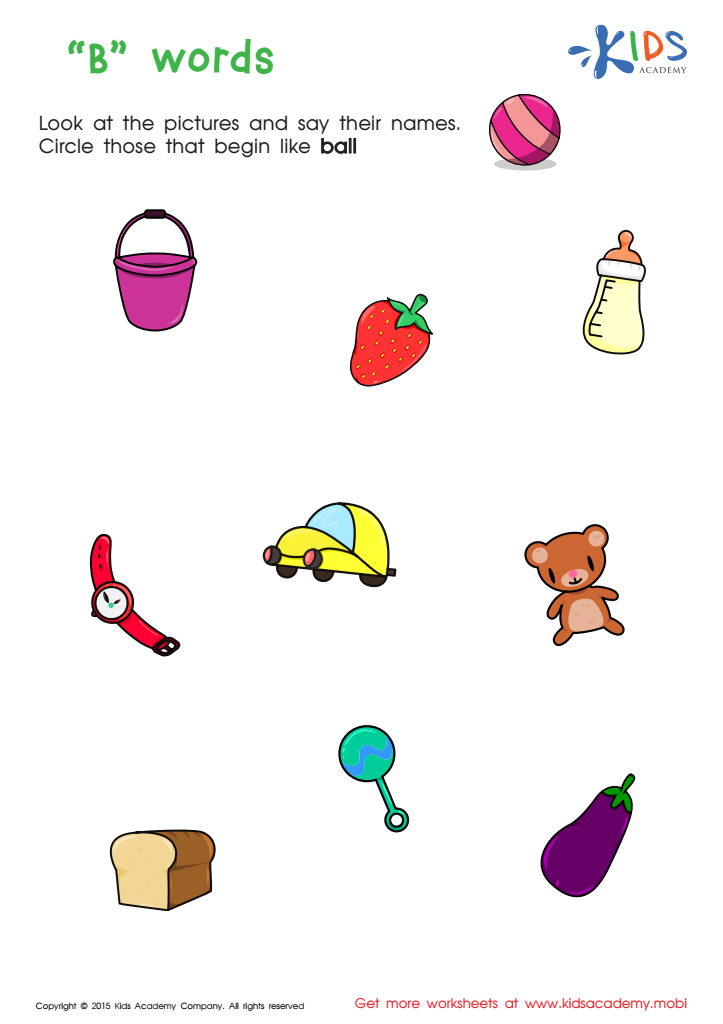
First Words Worksheet
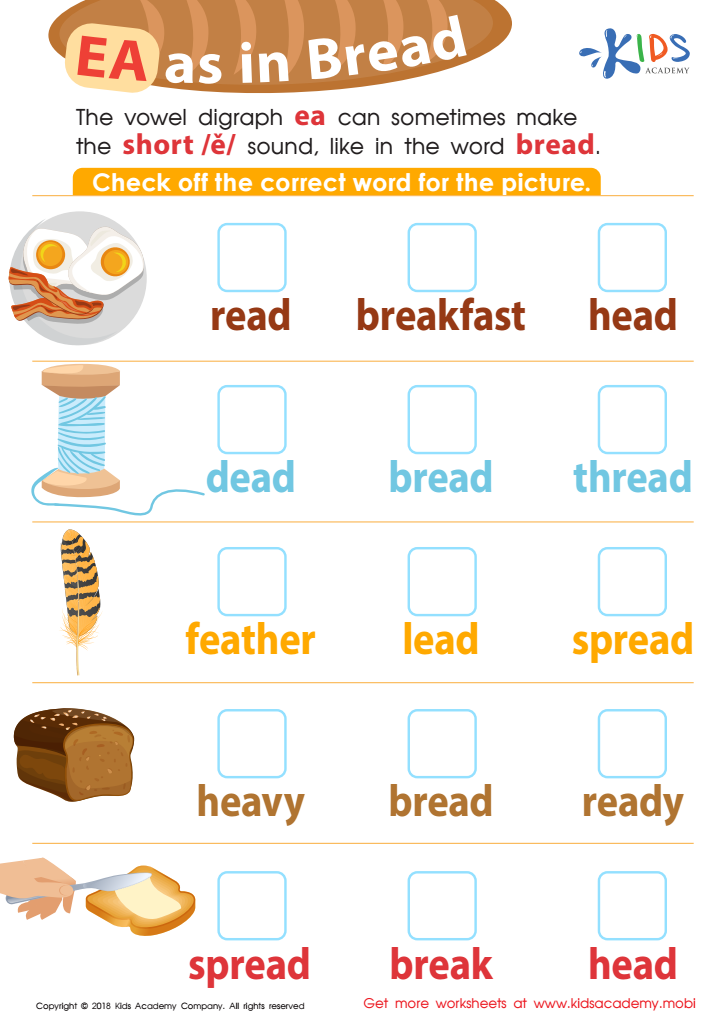
Reading: EA as in Bread Worksheet
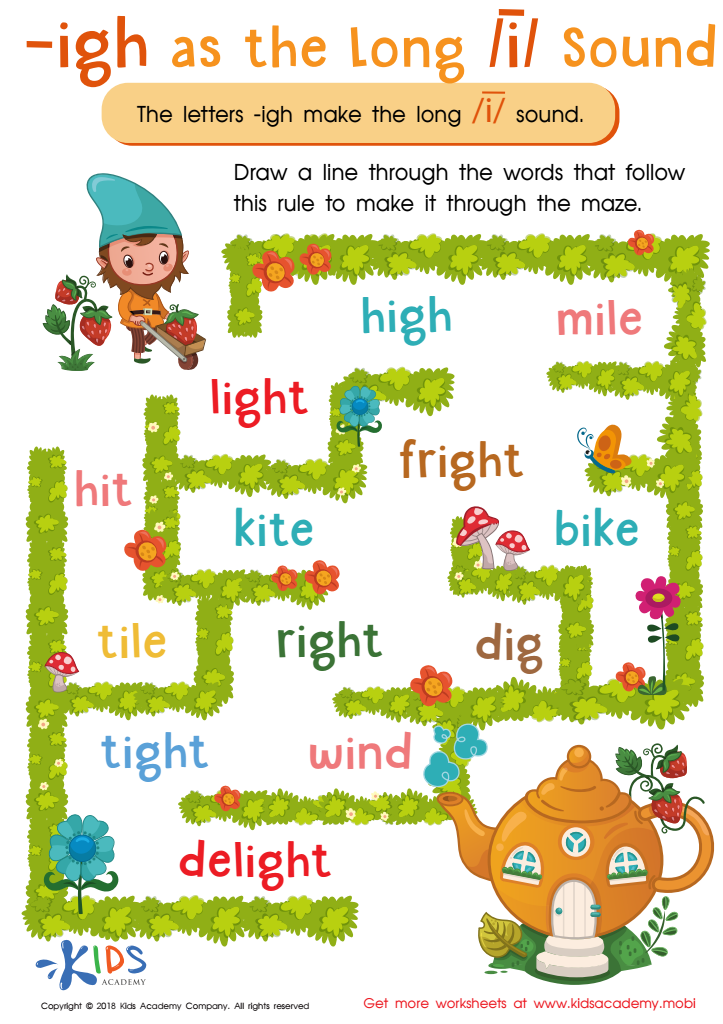
Reading: IGH as Long I Worksheet








Phonics practice and vocabulary building are crucial components of literacy development for children aged 5-9. During these formative years, children are developing foundational skills that significantly influence their future academic success. Phonics instruction helps children understand the relationship between letters and their corresponding sounds, enabling them to decode words efficiently. This decoding skill directly impacts their reading ability, comprehension, and fluency.
When children engage in phonics practice, they gain confidence in their reading skills, which encourages a love for reading and learning. Moreover, a strong vocabulary is essential for effective communication and comprehension; it enriches children’s understanding of the texts they read. As children learn new words, they expand their ability to express ideas and share experiences.
Parents and teachers play a vital role in this process by providing engaging phonics activities and introducing rich vocabulary through stories, games, and discussions. Encouraging regular practice not only helps children succeed academically but also enhances their critical thinking and creativity. Ultimately, supporting phonics and vocabulary development fosters lifelong learners, equipping children with the tools they need to navigate and succeed in an increasingly complex world. Therefore, prioritizing these practices is essential for educators and parents alike.








