Reading skills improvement Building Vocabulary Worksheets for Ages 5-9
5 filtered results
-
From - To
Boost your child's reading skills with our Building Vocabulary Worksheets, designed for ages 5-9. These engaging printable worksheets help young learners enhance their vocabulary and comprehension through fun, interactive activities. Developed by experts, they support reading fluency, enrich language skills, and foster a love for reading. Perfect for both classroom and home use, our worksheets are tailored to meet the needs of individual learners, ensuring every child can progress at their own pace. Empower your child to read confidently with our effective resources, and watch their love for learning soar. Visit Kids Academy today to explore our collection!
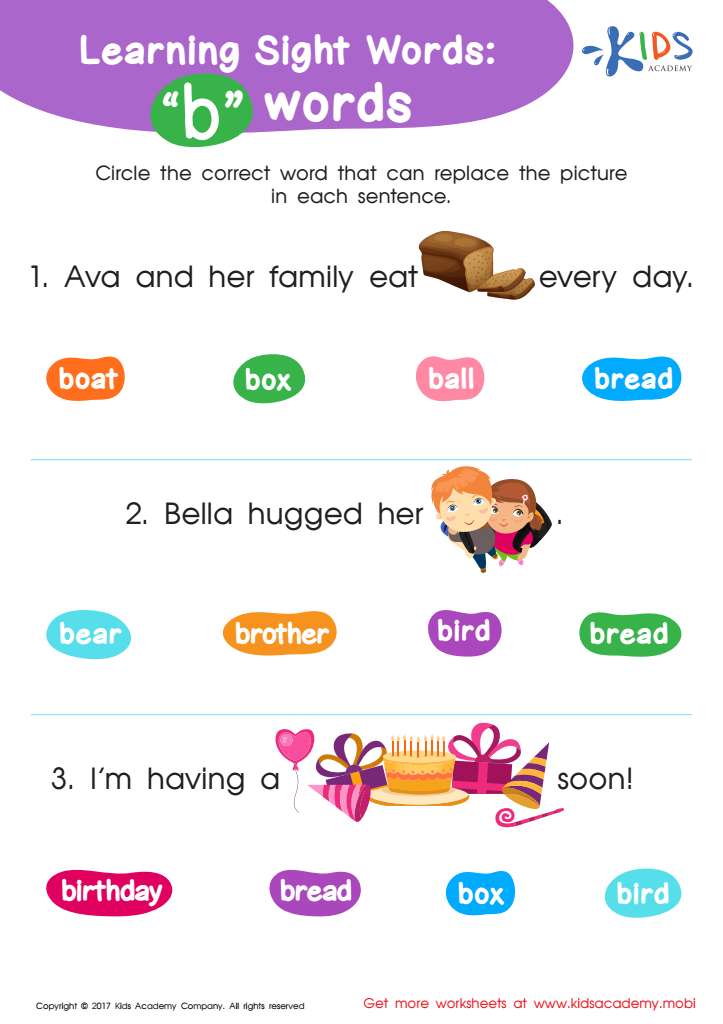
Sight Words Free Worksheet – B Words
 Assign to My Students











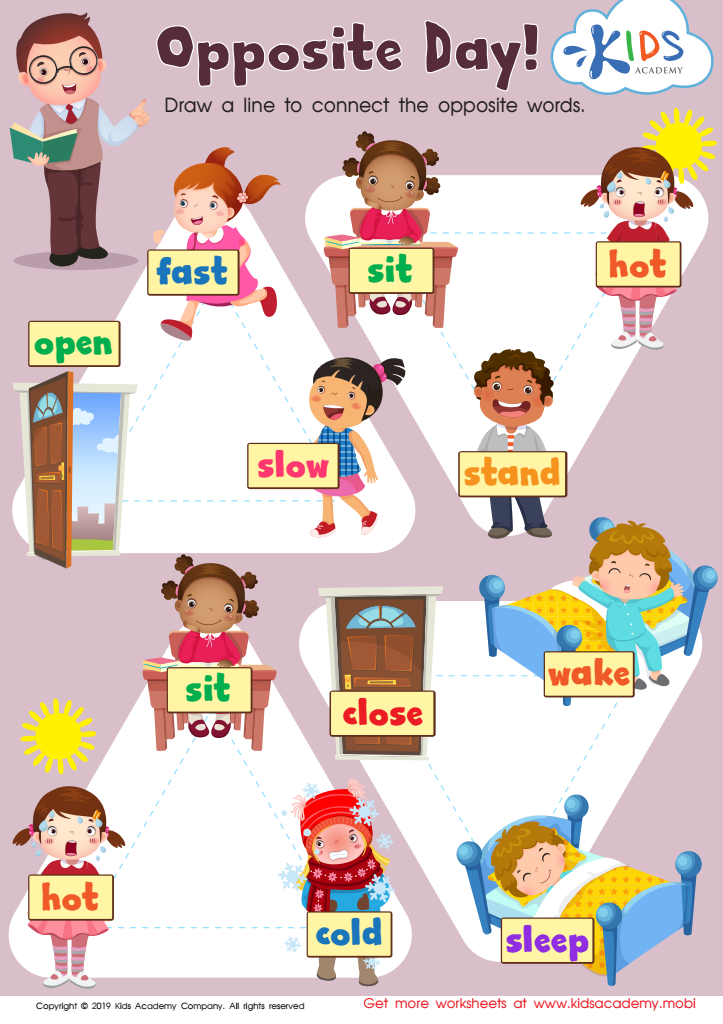
Opposite Day Worksheet
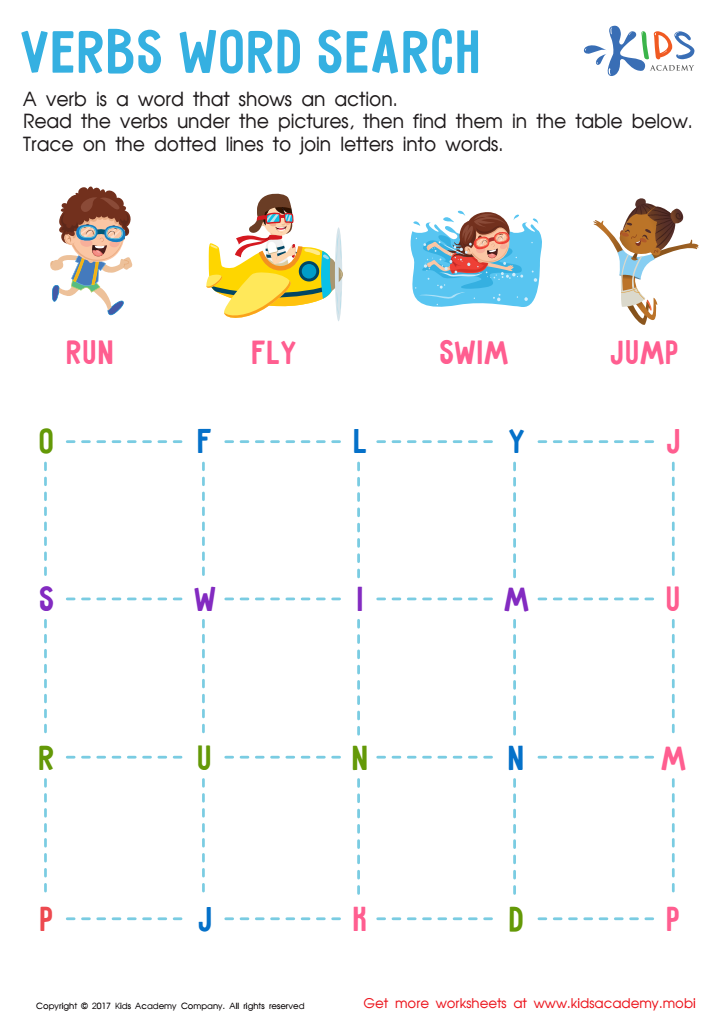
Verbs Word Search Worksheet
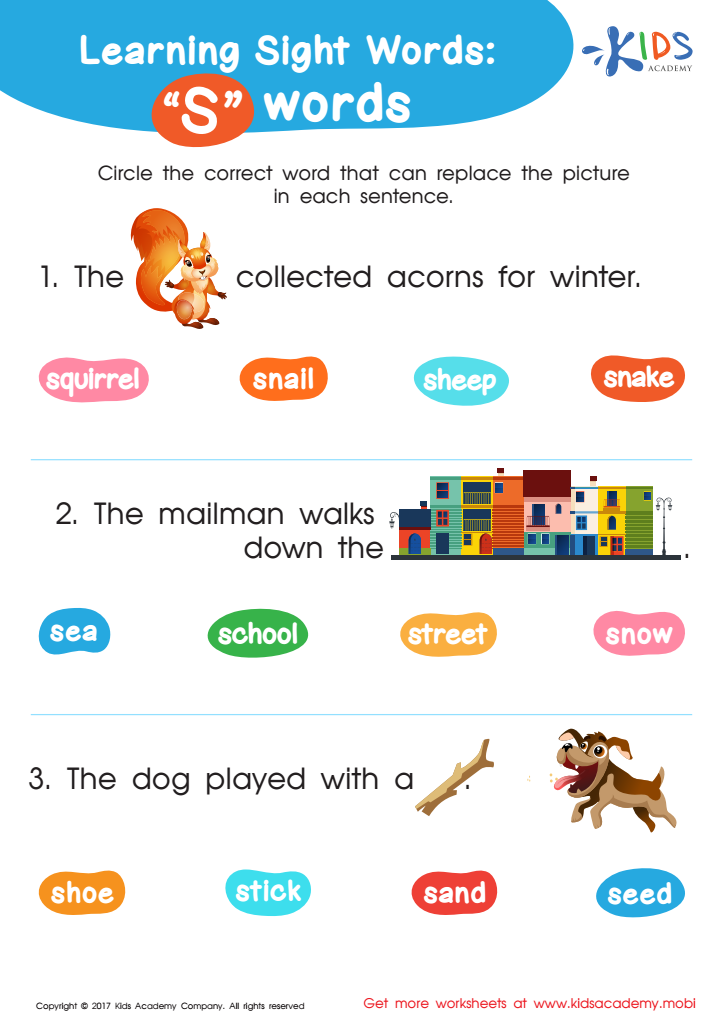
S Words Sight Words Worksheet
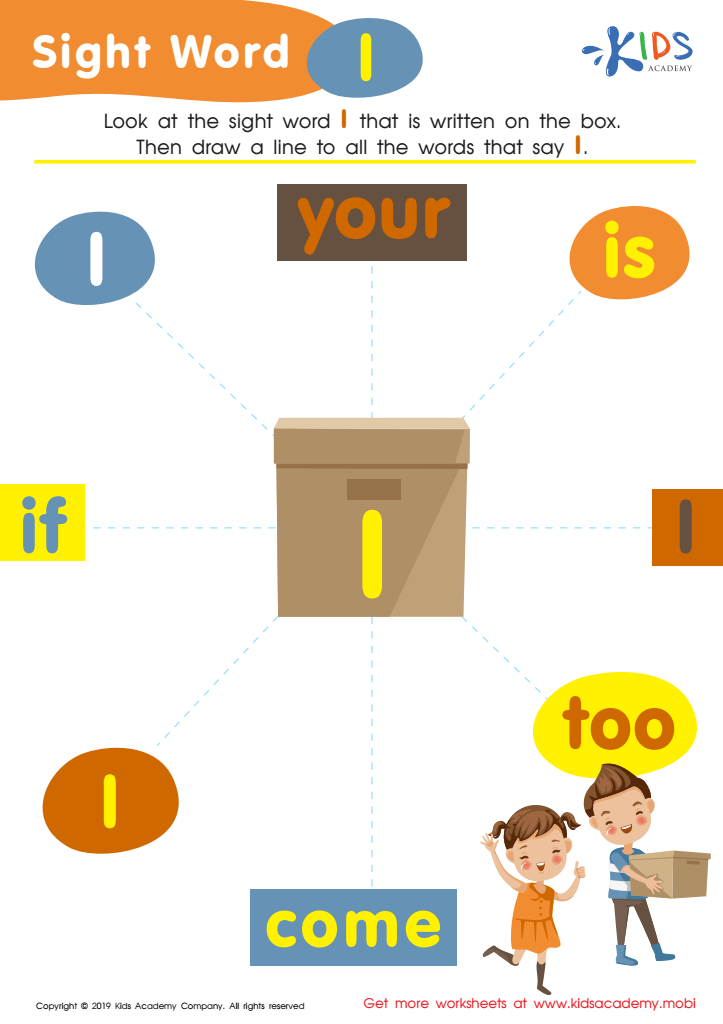
Sight Word I Worksheet


.jpg)





Reading skills and vocabulary development are critical for children aged 5-9 because these early years lay the foundation for lifelong learning and academic success. Strong reading abilities improve comprehension, enabling children to understand and engage with learning materials across all subjects. A rich vocabulary enhances communication skills, both written and oral, allowing students to express ideas clearly and effectively.
Reading proficiency also plays a crucial role in cognitive development. It stimulates brain functions such as attention, memory, and critical thinking. When children are exposed to a wide range of vocabulary and varied sentence structures, they develop better problem-solving skills and creative thinking.
Moreover, proficiency in reading and an expanded vocabulary positively impact confidence and self-esteem. Children who can read well are more likely to participate in classroom discussions and social interactions, fostering a love for learning and curiosity.
Investing time in reading and vocabulary activities at this age creates a positive feedback loop. As children experience success, their motivation to read increases, further improving their skills. For parents and teachers, prioritizing these aspects of learning provides children with the tools they need to navigate school and beyond, setting them up for a bright future.








