Enhance your child's understanding of fractions with our engaging Building Vocabulary Worksheets designed for ages 5-9. These worksheets offer a fun and interactive way for young learners to grasp fractional concepts through colorful images, relatable examples, and hands-on activities. As children explore fractions, they will also build essential vocabulary skills, making math learning both enjoyable and effective. Ideal for home or classroom use, these worksheets provide a strong foundation in mathematics while fostering a love for learning. Help your child develop critical thinking and problem-solving abilities as they engage with fractions in a supportive environment. Start their journey with our worksheets today!

Check out this FREE Trial Lesson on Building Vocabulary for age 5-9!

Exactly the Same, or Not

Favorites
With answer key
Interactive
  • 5-9
  • Understanding fractions
  • Building Vocabulary
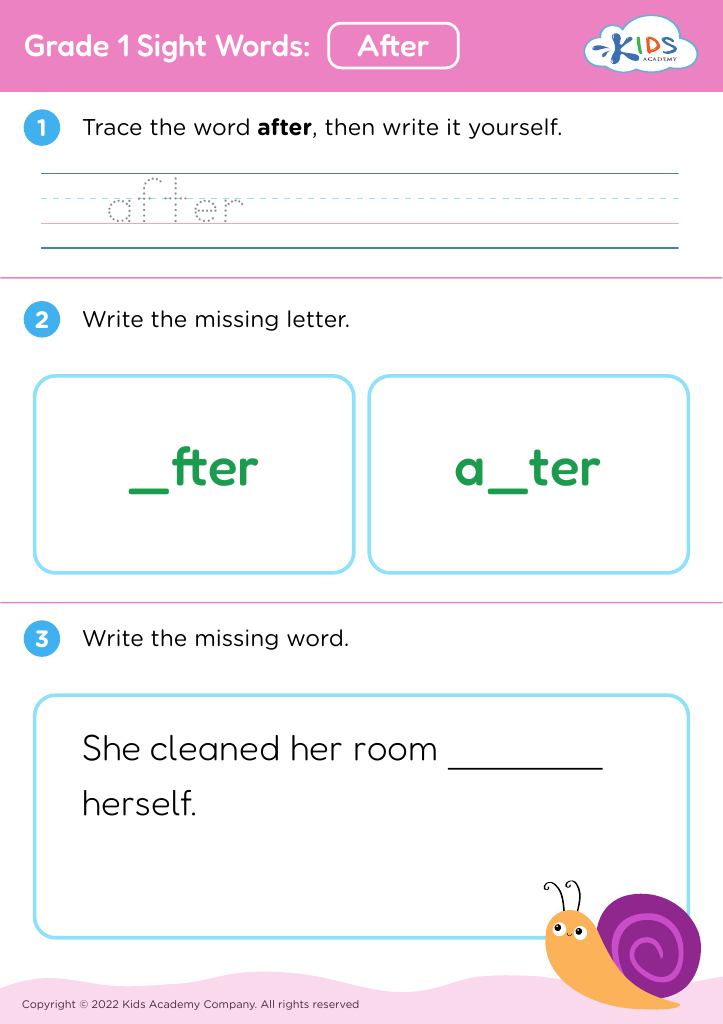
Grade 1 Sight Words: After

Grade 1 Sight Words: After

Grade 1 Sight Words: After
Worksheet
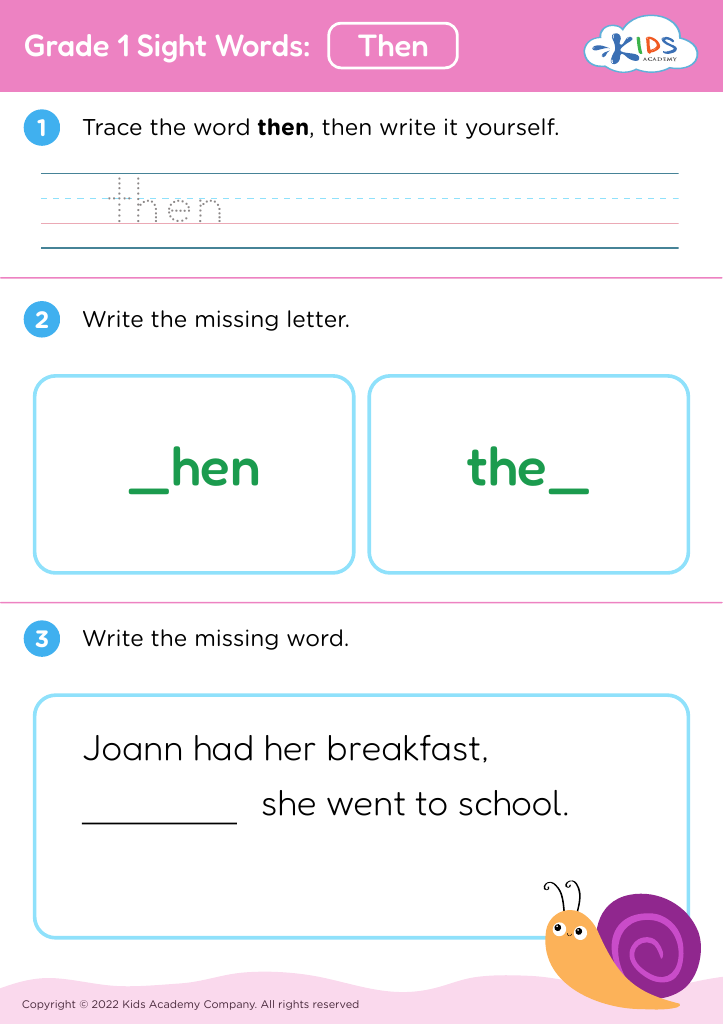
Grade 1 Sight Words: Then

Grade 1 Sight Words: Then

Grade 1 Sight Words: Then
Worksheet
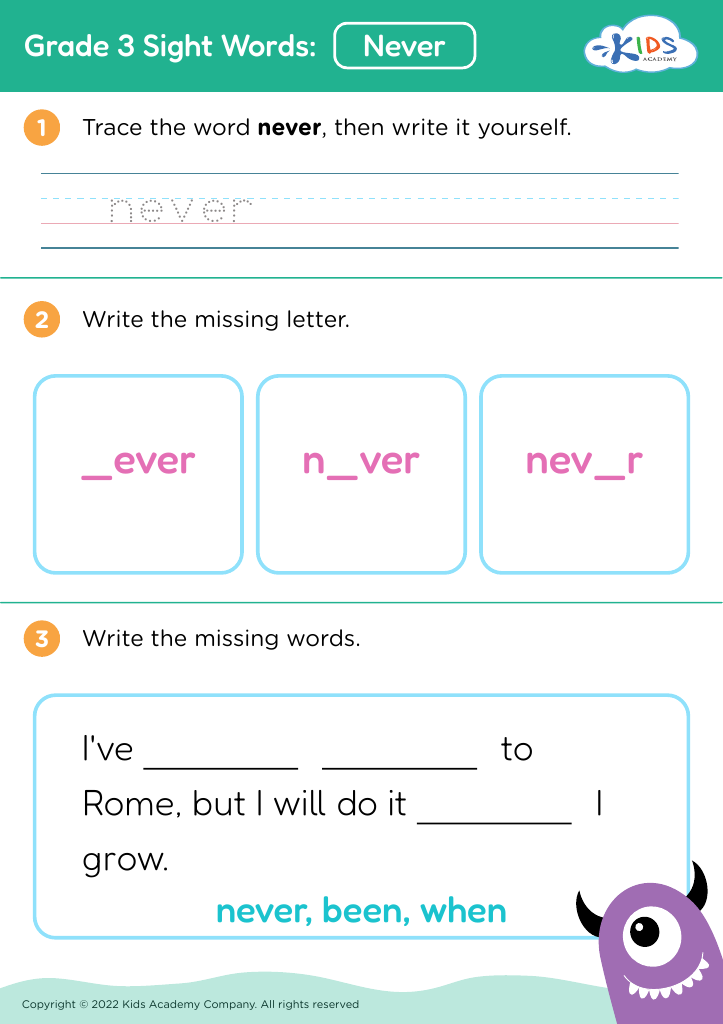
Grade 3 Sight Words: Never

Grade 3 Sight Words: Never

Grade 3 Sight Words: Never
Worksheet
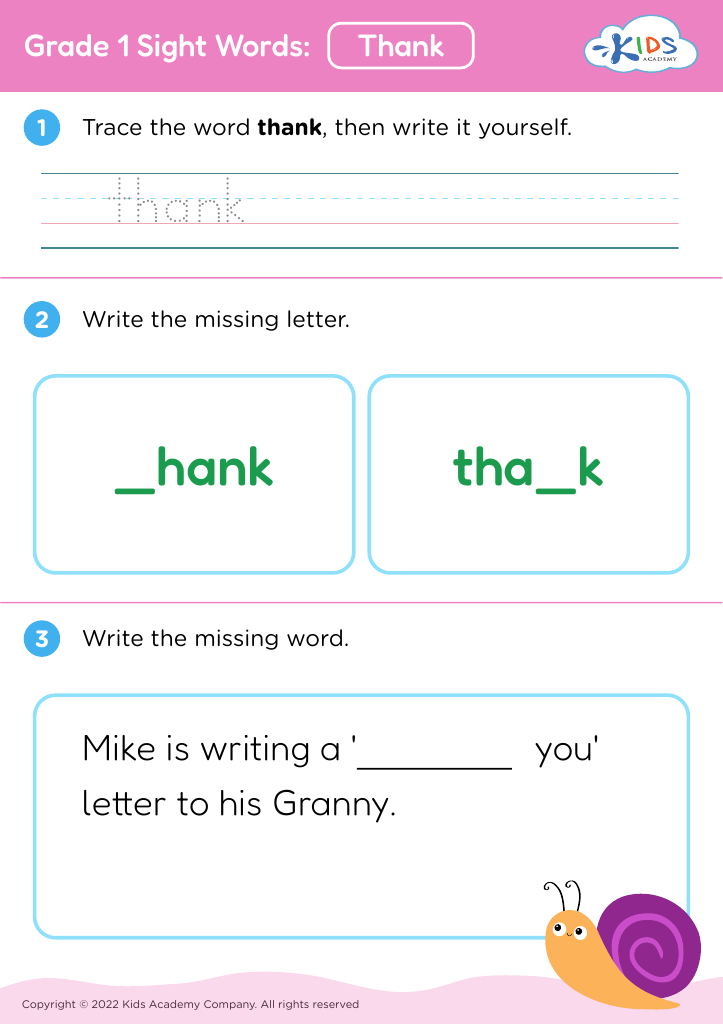
Grade 1 Sight Words: Thank

Grade 1 Sight Words: Thank

Grade 1 Sight Words: Thank
Worksheet
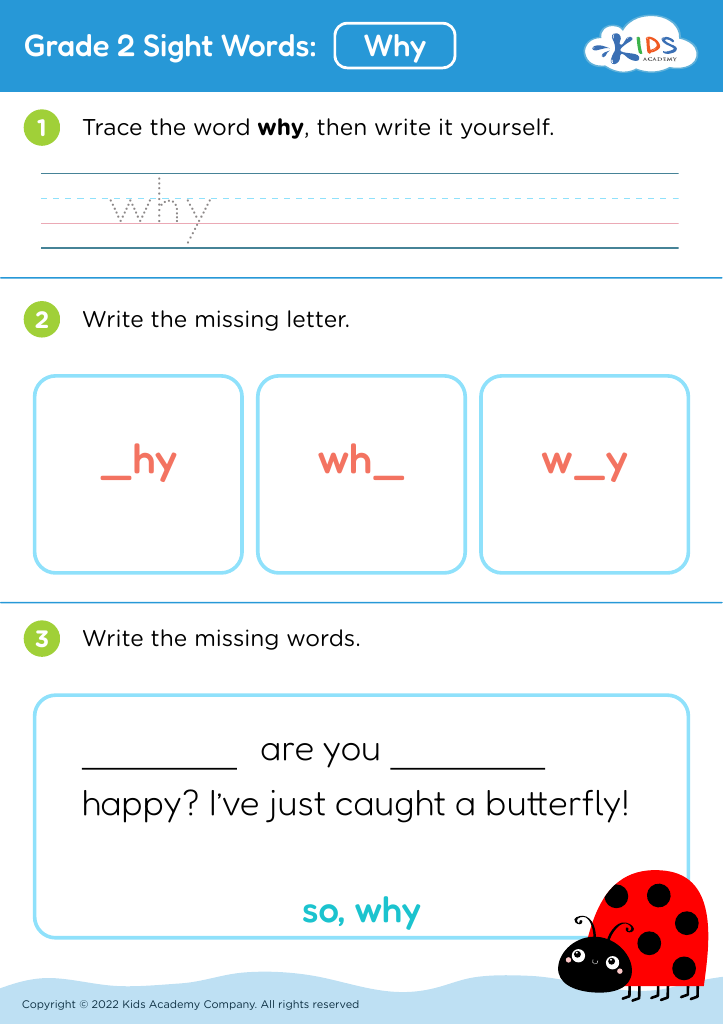
Grade 2 Sight Words: Why

Grade 2 Sight Words: Why

Grade 2 Sight Words: Why
Worksheet
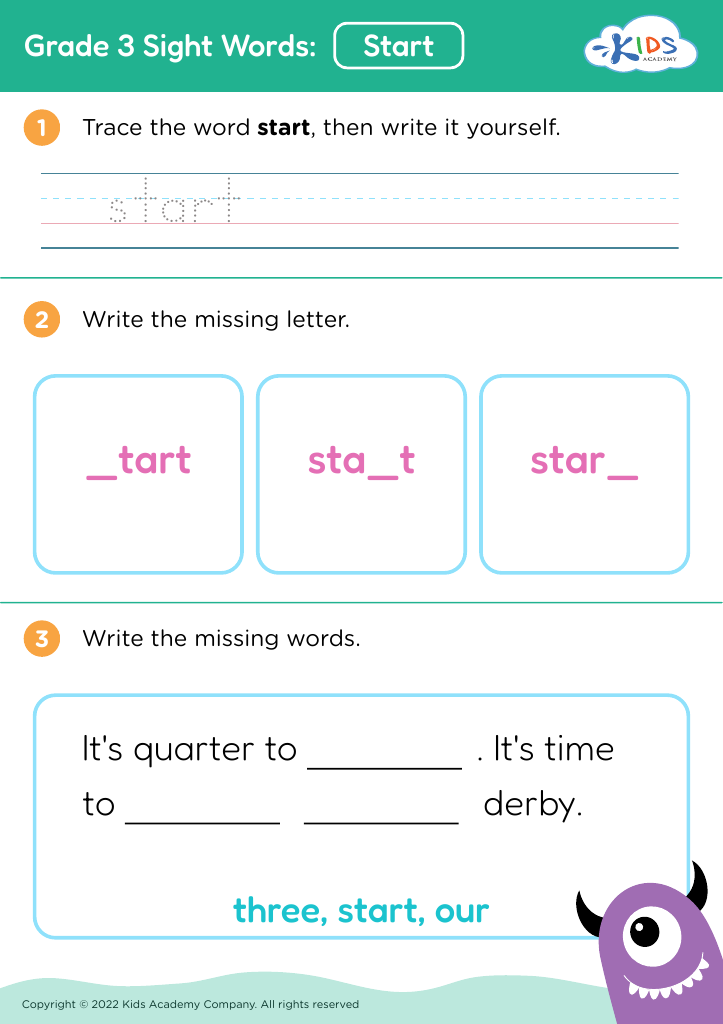
Grade 3 Sight Words: Start

Grade 3 Sight Words: Start

Grade 3 Sight Words: Start
Worksheet
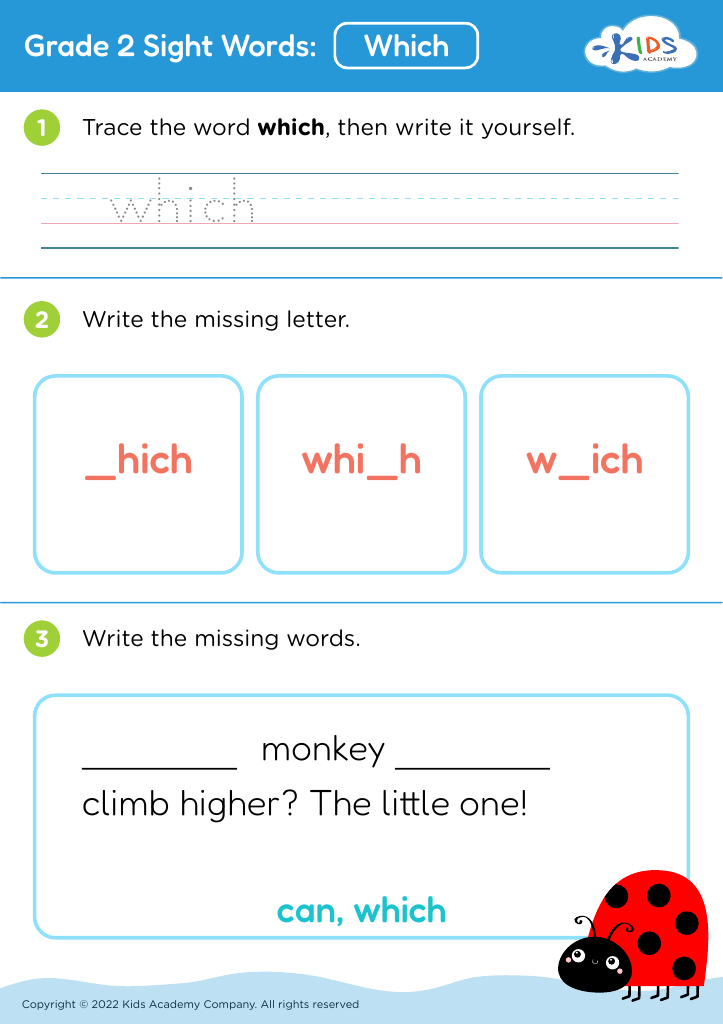
Grade 2 Sight Words: Which

Grade 2 Sight Words: Which

Grade 2 Sight Words: Which
Worksheet
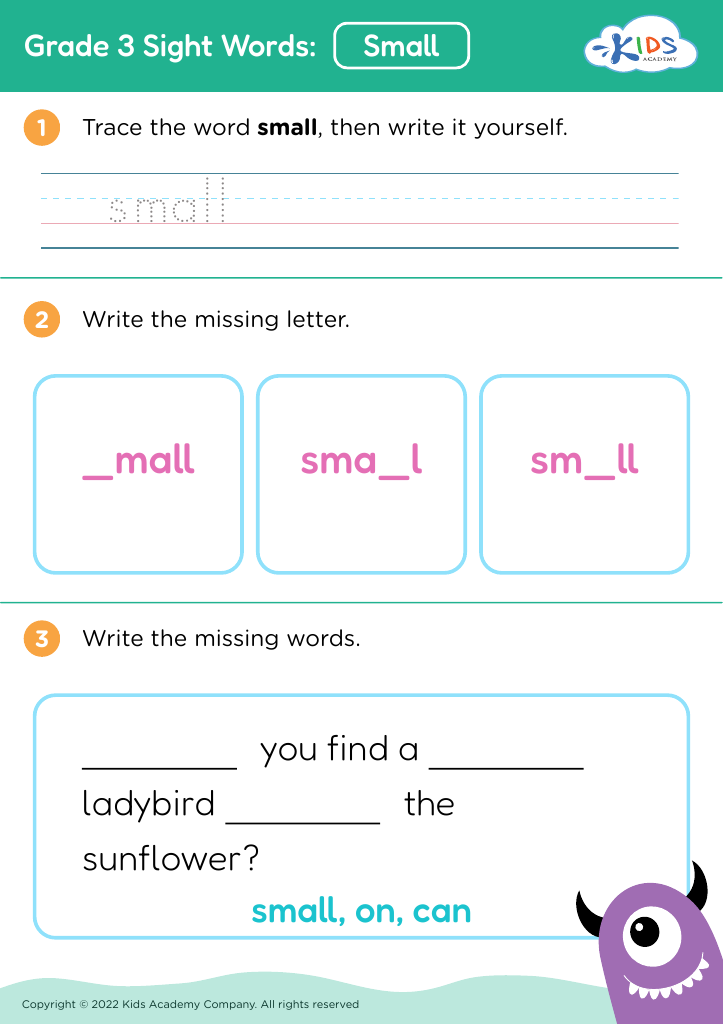
Grade 3 Sight Words: Small

Grade 3 Sight Words: Small

Grade 3 Sight Words: Small
Worksheet
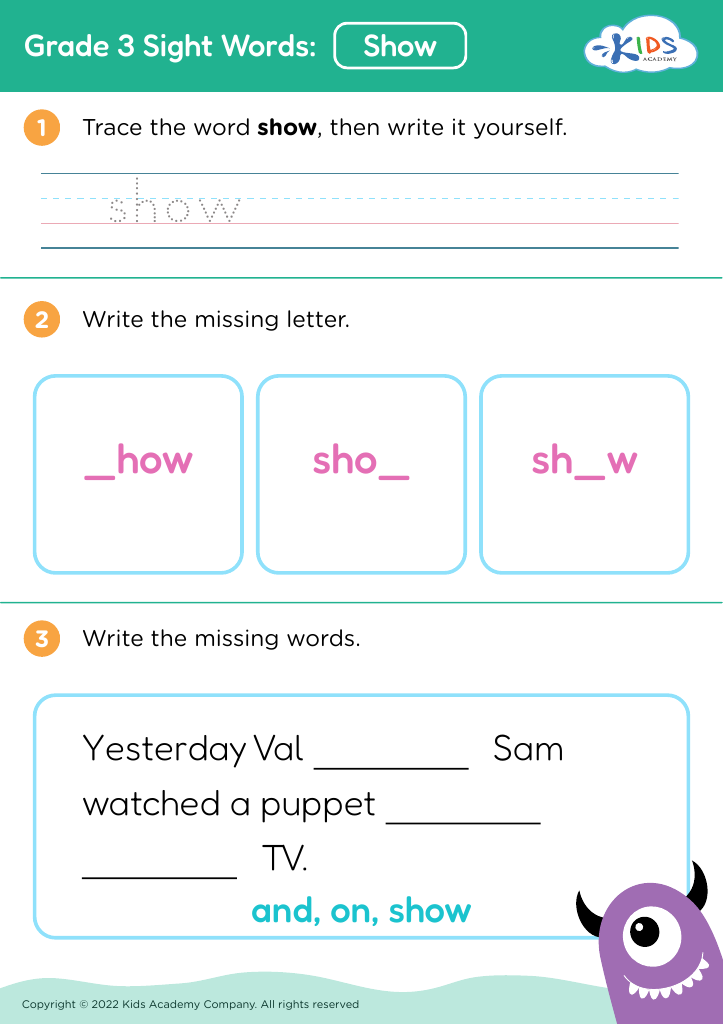
Grade 3 Sight Words: Show

Grade 3 Sight Words: Show

Grade 3 Sight Words: Show
Worksheet
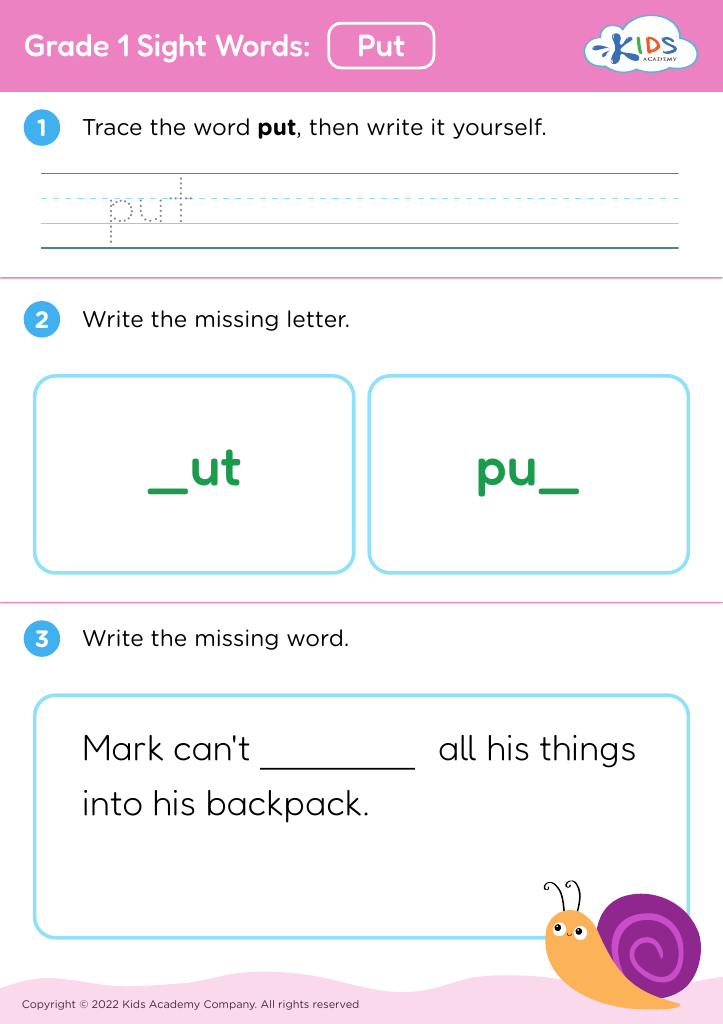
Grade 1 Sight Words: Put

Grade 1 Sight Words: Put

Grade 1 Sight Words: Put
Worksheet
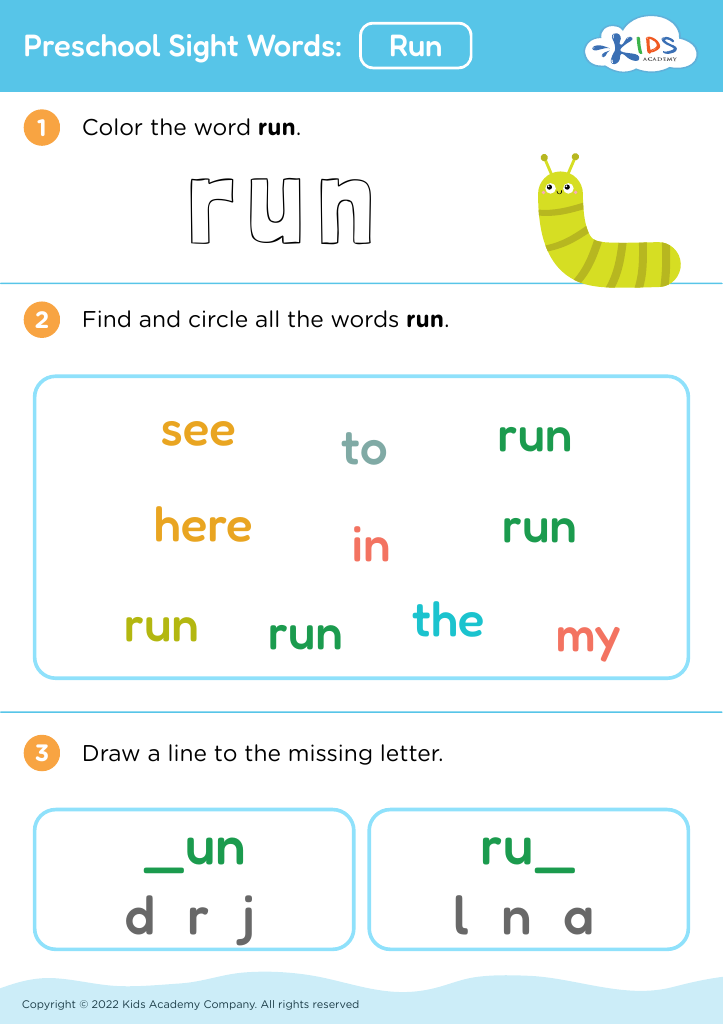
Preschool Sight Words: Run

Preschool Sight Words: Run

Preschool Sight Words: Run
Worksheet
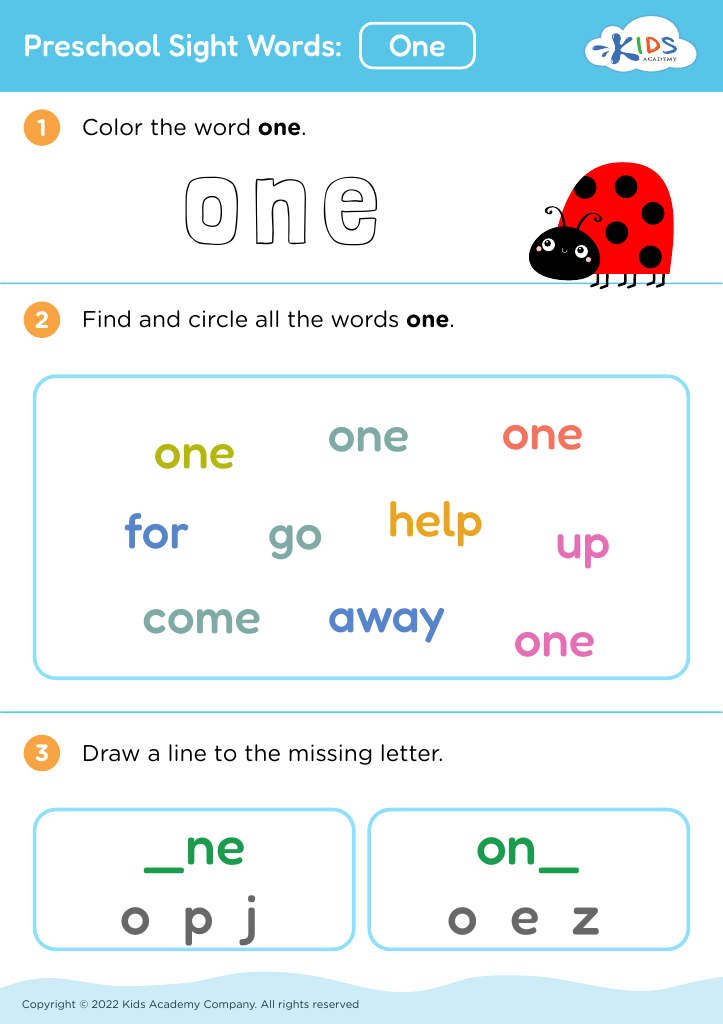
Preschool Sight Words: One

Preschool Sight Words: One

Preschool Sight Words: One
Worksheet
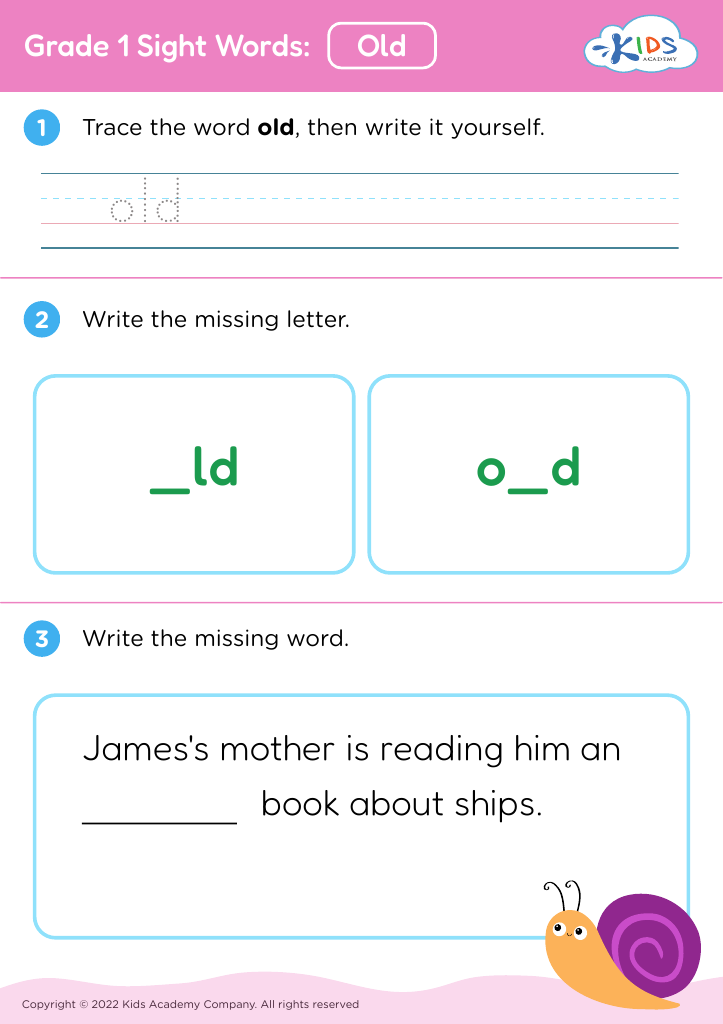
Grade 1 Sight Words: Old

Grade 1 Sight Words: Old

Grade 1 Sight Words: Old
Worksheet
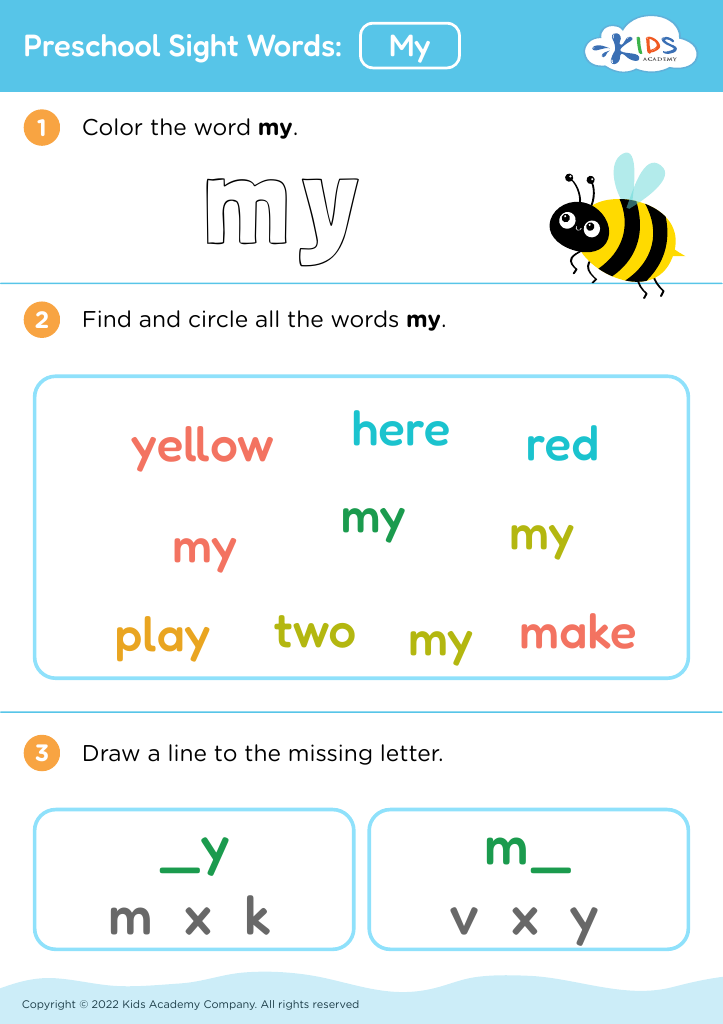
Preschool Sight Words: My

Preschool Sight Words: My

Preschool Sight Words: My
Worksheet
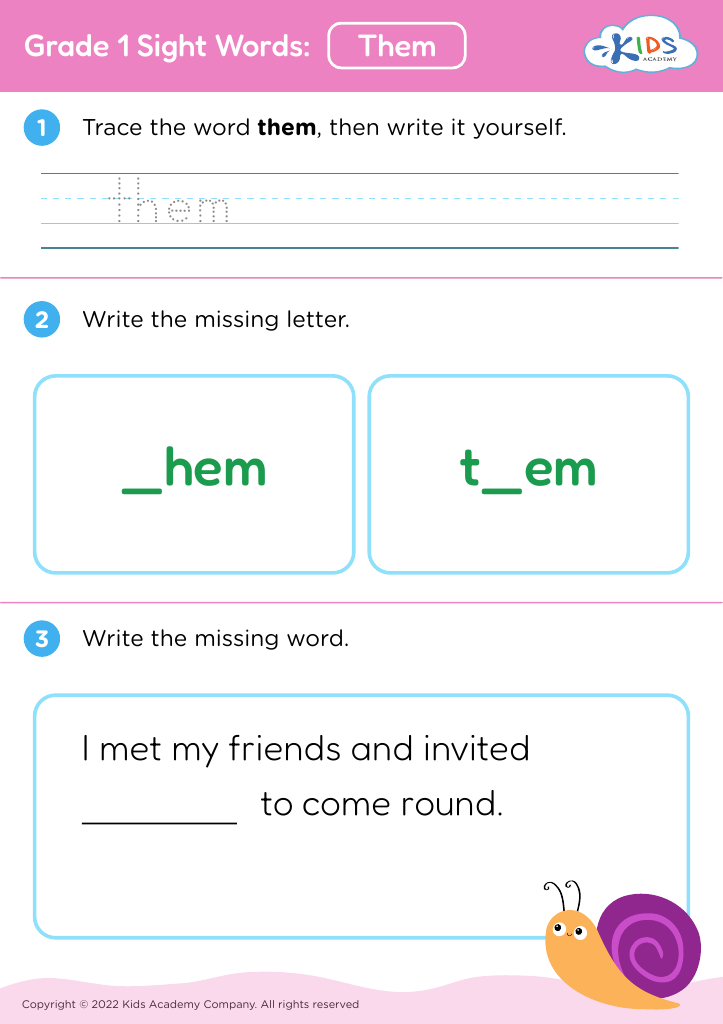
Grade 1 Sight Words: Them

Grade 1 Sight Words: Them

Grade 1 Sight Words: Them
Worksheet
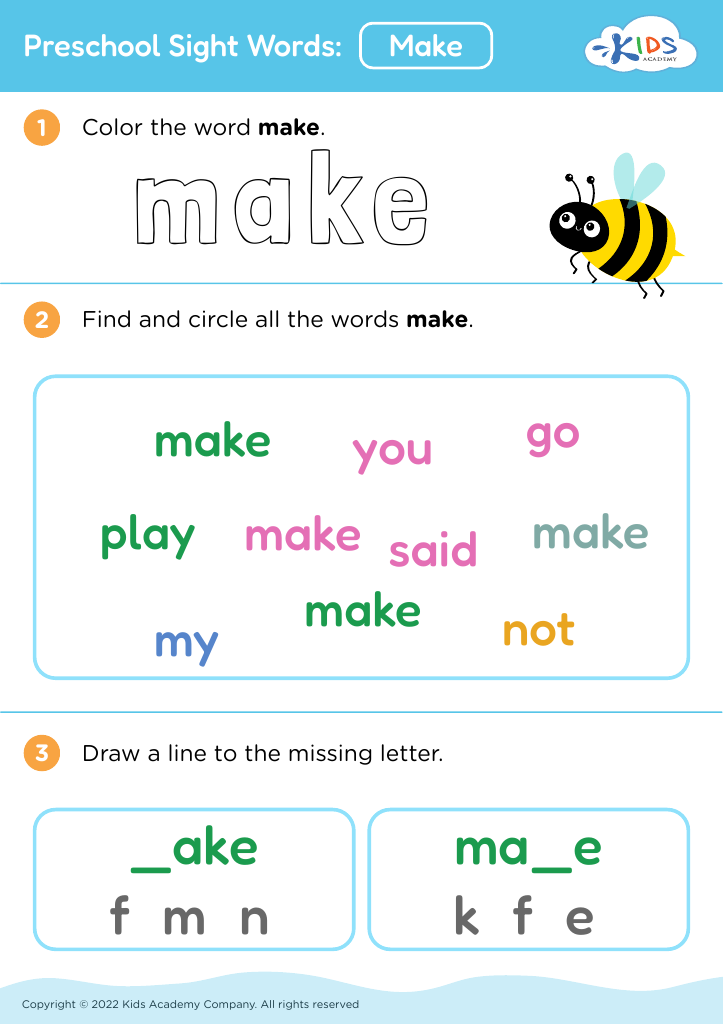
Preschool Sight Words: Make

Preschool Sight Words: Make

Preschool Sight Words: Make
Worksheet
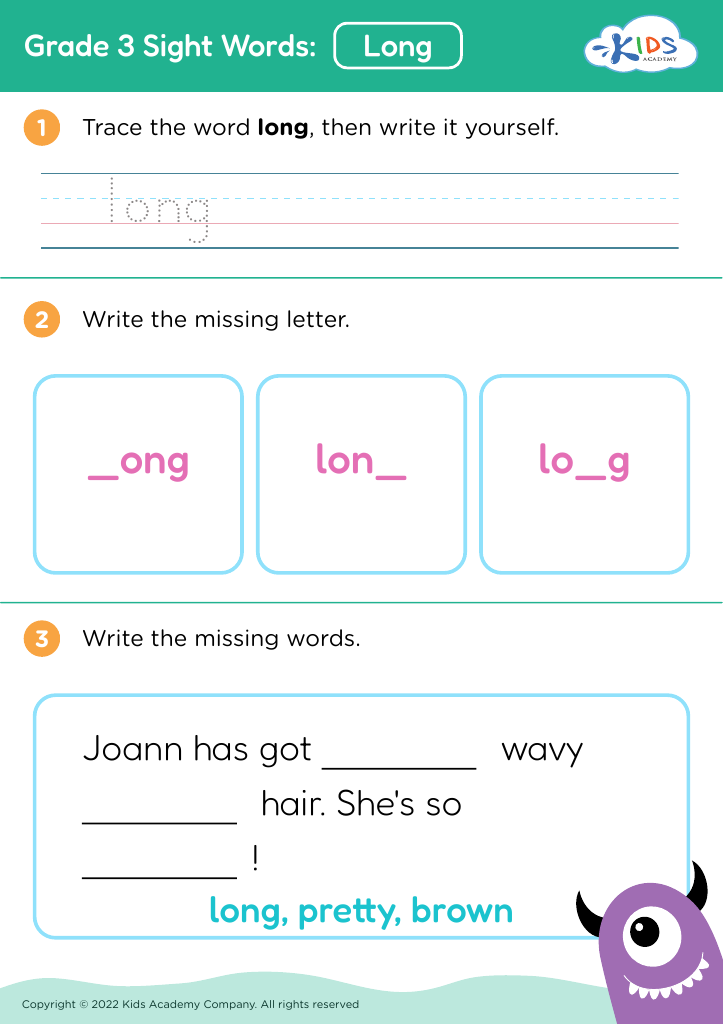
Grade 3 Sight Words: Long

Grade 3 Sight Words: Long

Grade 3 Sight Words: Long
Worksheet
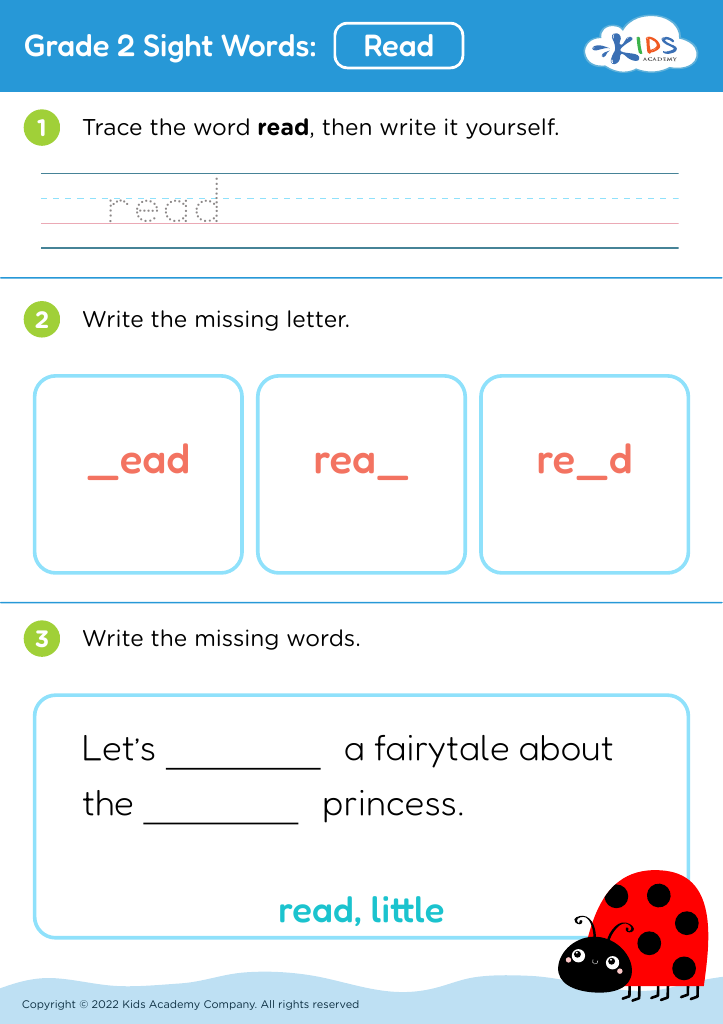
Grade 2 Sight Words: Read

Grade 2 Sight Words: Read

Grade 2 Sight Words: Read
Worksheet
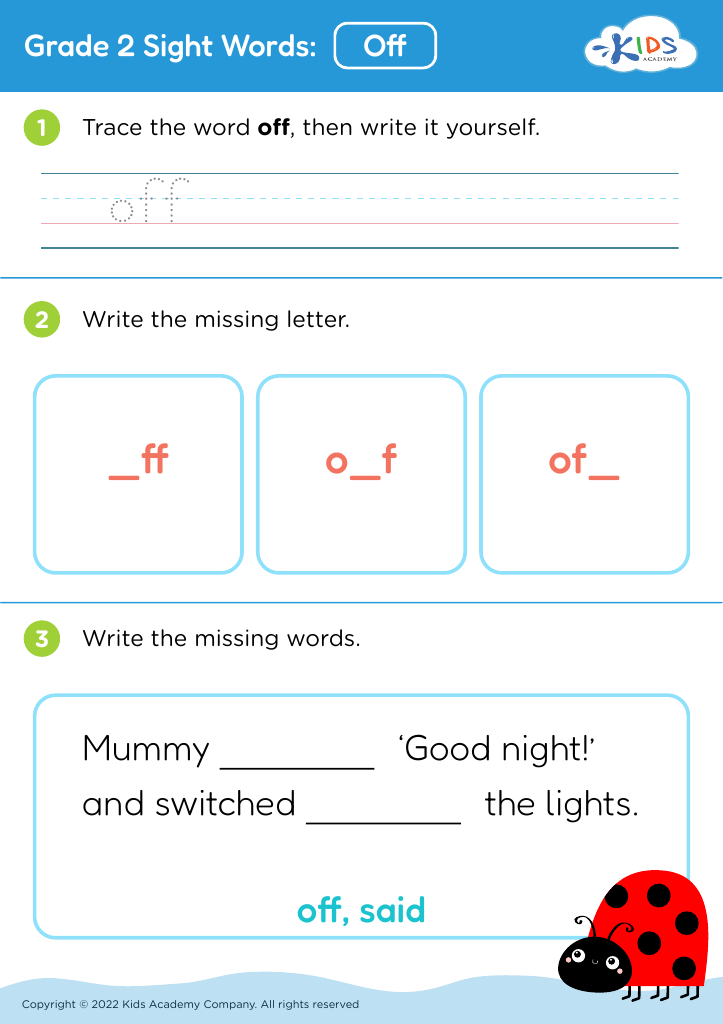
Grade 2 Sight Words: Off

Grade 2 Sight Words: Off

Grade 2 Sight Words: Off
Worksheet
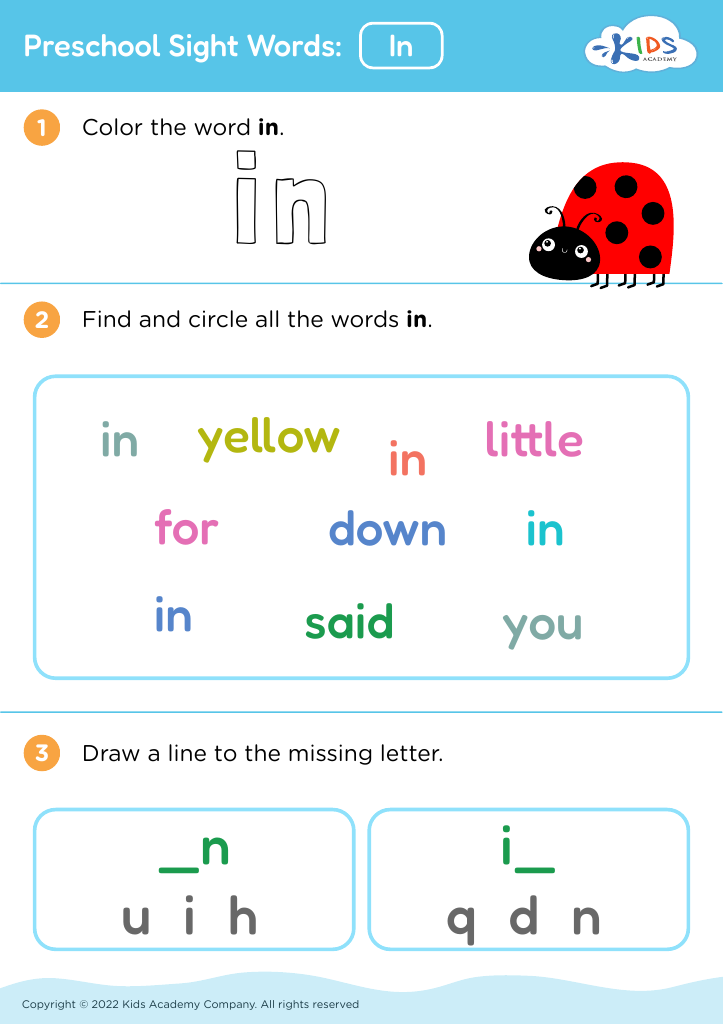
Preschool Sight Words: In

Preschool Sight Words: In

Preschool Sight Words: In
Worksheet
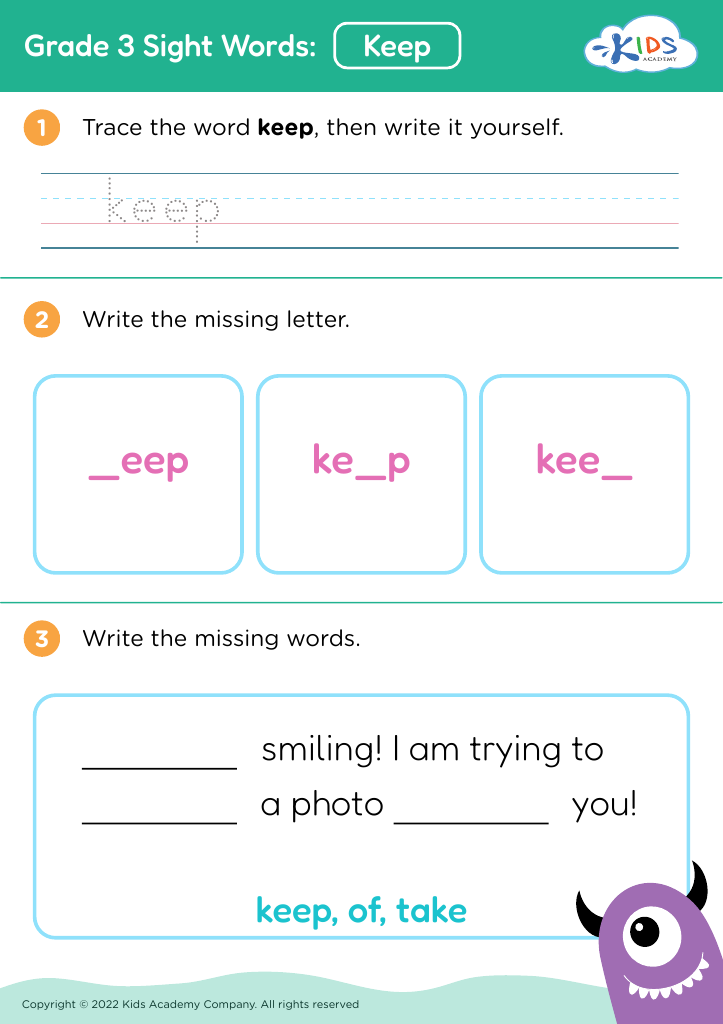
Grade 3 Sight Words: Keep

Grade 3 Sight Words: Keep

Grade 3 Sight Words: Keep
Worksheet
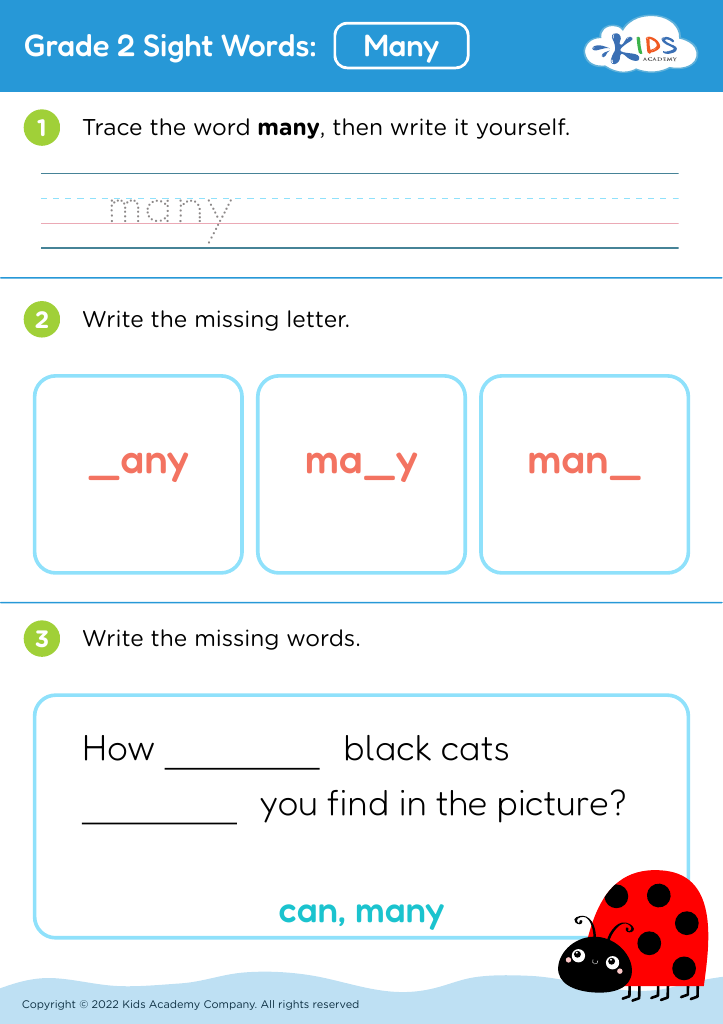
Grade 2 Sight Words: Many

Grade 2 Sight Words: Many

Grade 2 Sight Words: Many
Worksheet
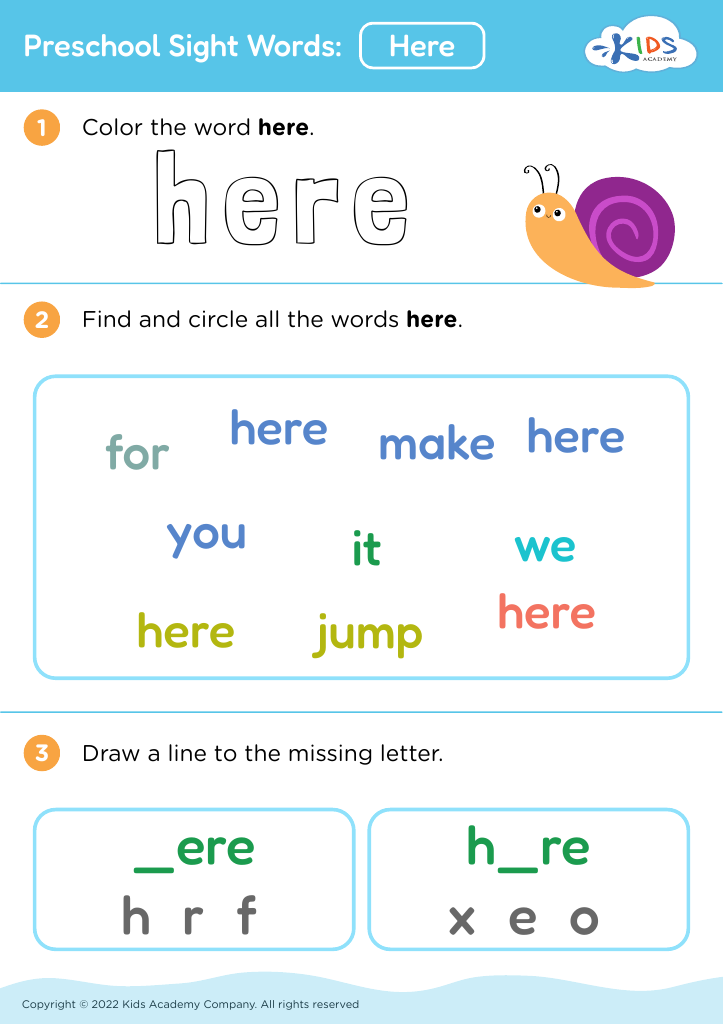
Preschool Sight Words: Here

Preschool Sight Words: Here

Preschool Sight Words: Here
Worksheet
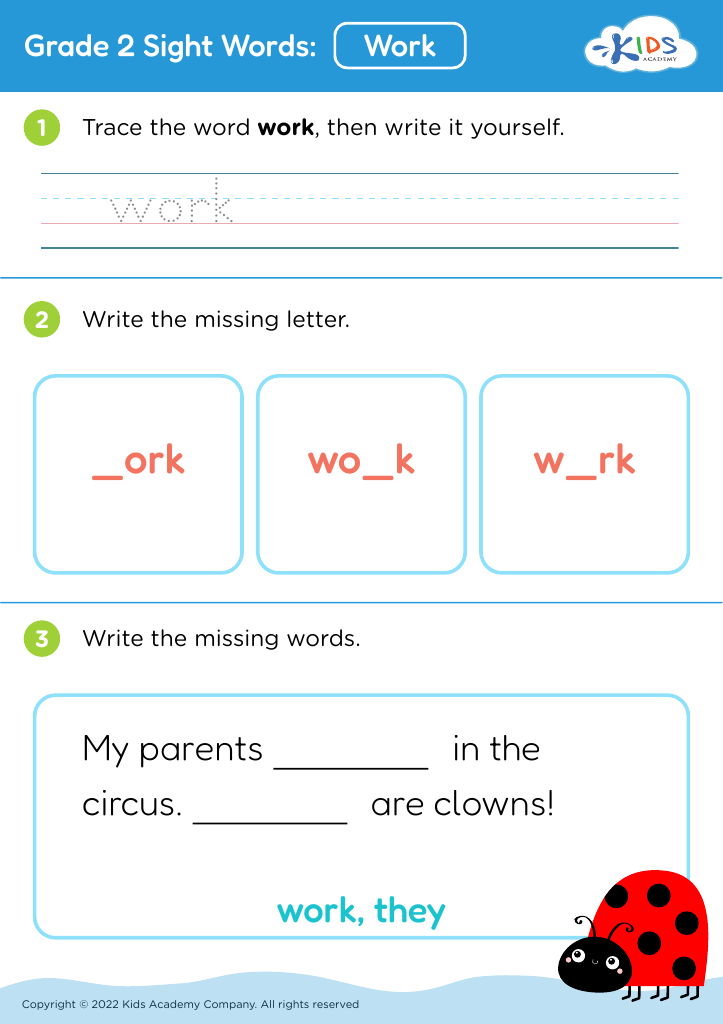
Grade 2 Sight Words: Work

Grade 2 Sight Words: Work

Grade 2 Sight Words: Work
Worksheet


Understanding fractions is a foundational skill in mathematics that helps children develop critical thinking and problem-solving abilities. For parents and teachers, fostering this understanding in ages 5-9 is crucial, as this is a developmental stage where students begin to engage with the concept of parts and wholes. Learning fractions supports not only math proficiency but also enhances a child's ability to comprehend real-world scenarios, such as cooking, measuring, and sharing.

Building vocabulary around fractions is equally important. The terminology—numerator, denominator, equivalent, and part—can be daunting for young learners. However, a well-developed vocabulary enables children to articulate their thinking, engage in discussions, and understand instructional language more effectively. It reinforces their conceptual grasp and helps connect mathematical ideas.

Moreover, early exposure to fractional vocabulary creates a positive learning environment where children feel comfortable exploring mathematical concepts. Engaging with fractions enhances their confidence, leading to greater academic achievement in the long run. Parents and teachers play a vital role in creating experiences—through games, activities, and discussions—that enrich vocabulary and concept understanding, ultimately helping children to not just memorize but deeply comprehend fractions! This holistic approach fosters a love for learning that extends beyond just mathematics.