Basic arithmetic practice Reading Worksheets for Ages 5-9
4 filtered results
-
From - To
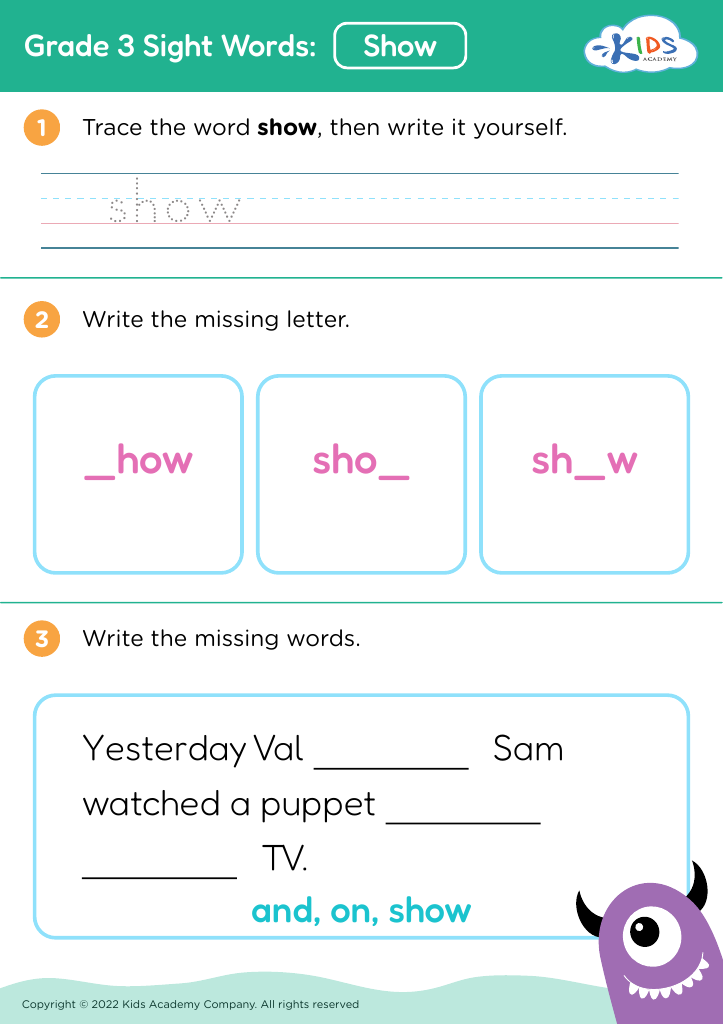
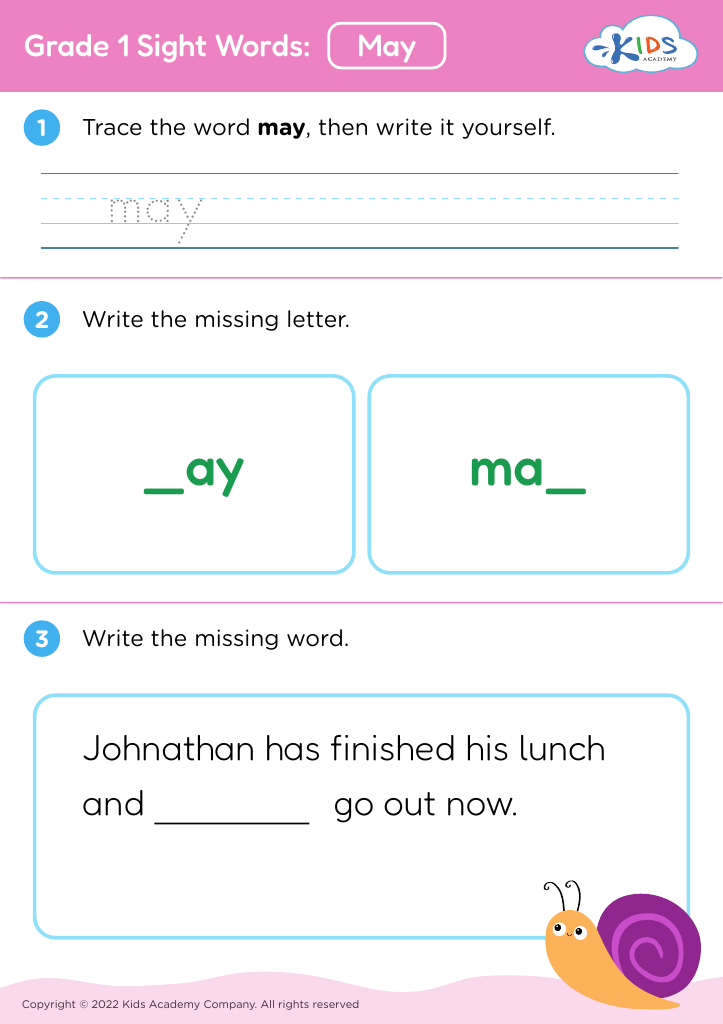
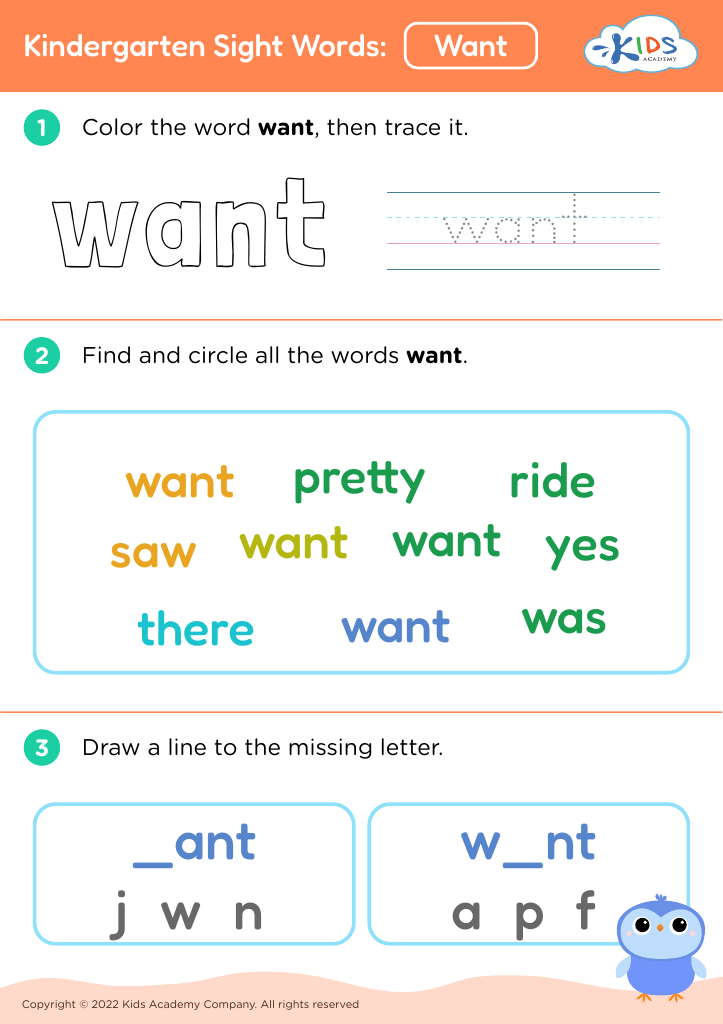
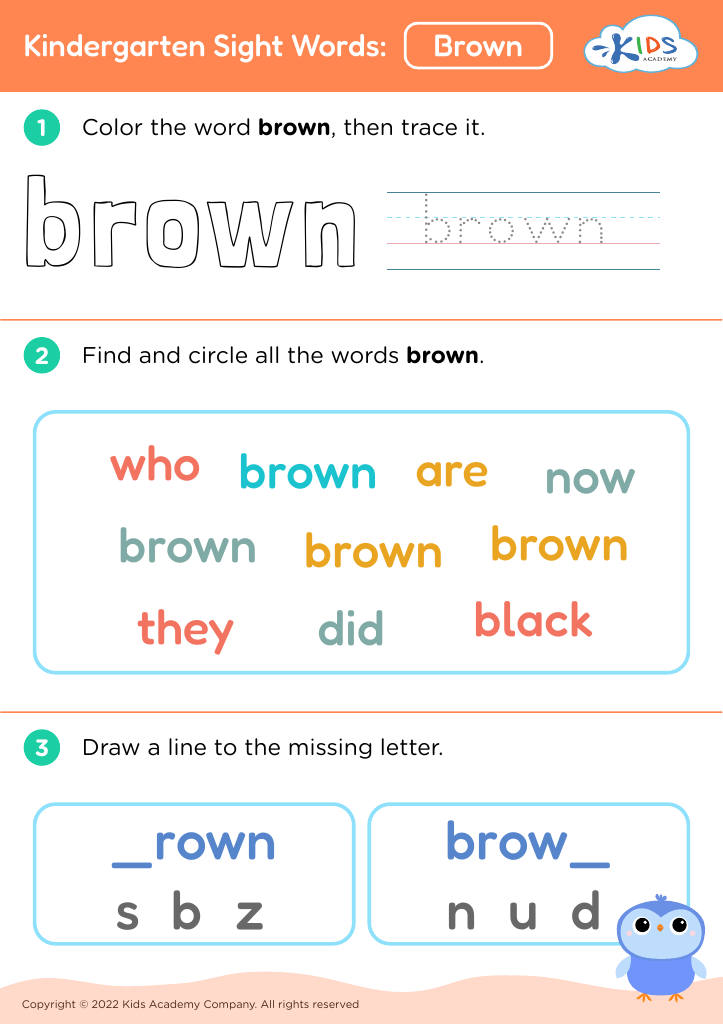
Enhance your child's math skills with our Basic Arithmetic Practice Reading Worksheets designed for ages 5-9. Our engaging worksheets make learning addition and subtraction fun and interactive. Perfect for early learners, these resources help build confidence and proficiency in basic arithmetic while promoting literacy skills. Each worksheet combines numerical problems with reading-based activities, ensuring a comprehensive learning experience. Whether at home or in the classroom, our materials support various learning styles and encourage critical thinking. Boost your child’s educational journey today with our easy-to-use, printable worksheets that streamline learning and make mastery of essential math concepts enjoyable!








Basic arithmetic practice is essential for children aged 5-9, as it lays the foundation for their future academic success and everyday problem-solving skills. At this age, children are developing critical mathematical concepts, such as addition, subtraction, and early multiplication, which are crucial for more complex math later on. Effective practice helps reinforce these skills and boosts confidence as they learn to independently solve problems.
Moreover, strong numeracy skills are linked to overall cognitive development and can enhance a child's ability to reason and think logically. Understanding numbers provides a sense of security in various daily activities, from counting items when shopping to understanding time.
Incorporating rich, engaging methods such as games, activities, and real-life applications can make learning arithmetic enjoyable. It encourages a positive attitude toward math, reducing the anxiety often associated with the subject. Parents and teachers should also be aware that early mastery of basic arithmetic can predict later academic outcomes, leading to higher achievement rates. Investing time in arithmetic practice fosters not just academic competence, but critical life skills as well. By prioritizing math literacy, parents and teachers play a significant role in empowering children for lifelong learning.








