Cultural awareness Reading Worksheets for Ages 5-9
3 filtered results
-
From - To
Discover our engaging Cultural Awareness Reading Worksheets designed specifically for children aged 5-9! These interactive resources encourage young learners to explore diverse cultures, traditions, and values through captivating stories and activities. With a focus on building empathy and understanding, our worksheets promote critical thinking and enrich reading comprehension skills. Ideal for both home and classroom use, each activity is tailored to spark curiosity and foster appreciation for global diversity. Empower your students with the tools they need to become informed, compassionate individuals. Browse our collection today and help nurture a sense of cultural awareness in your young readers!
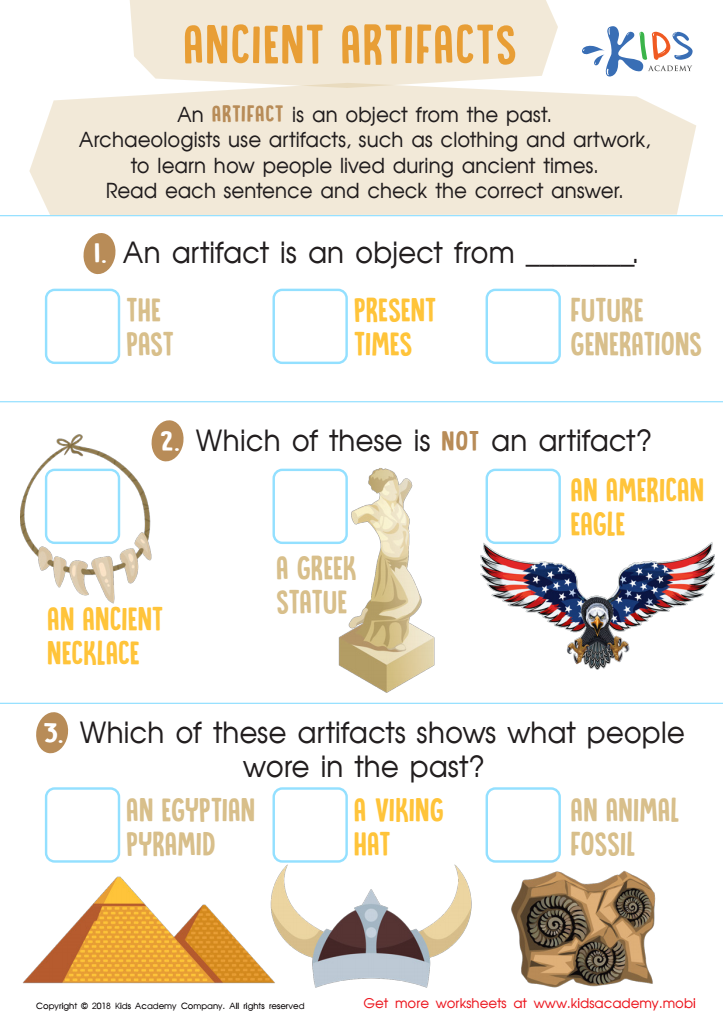
Ancient Artifacts Worksheet
 Assign to My Students
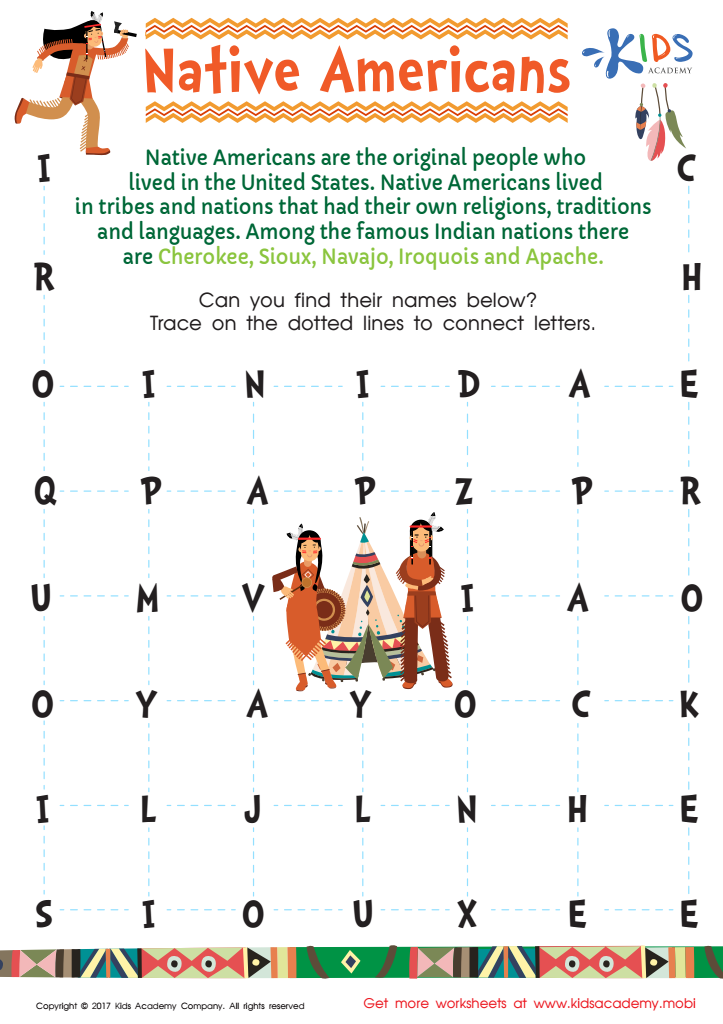
Native American Word Search Printable
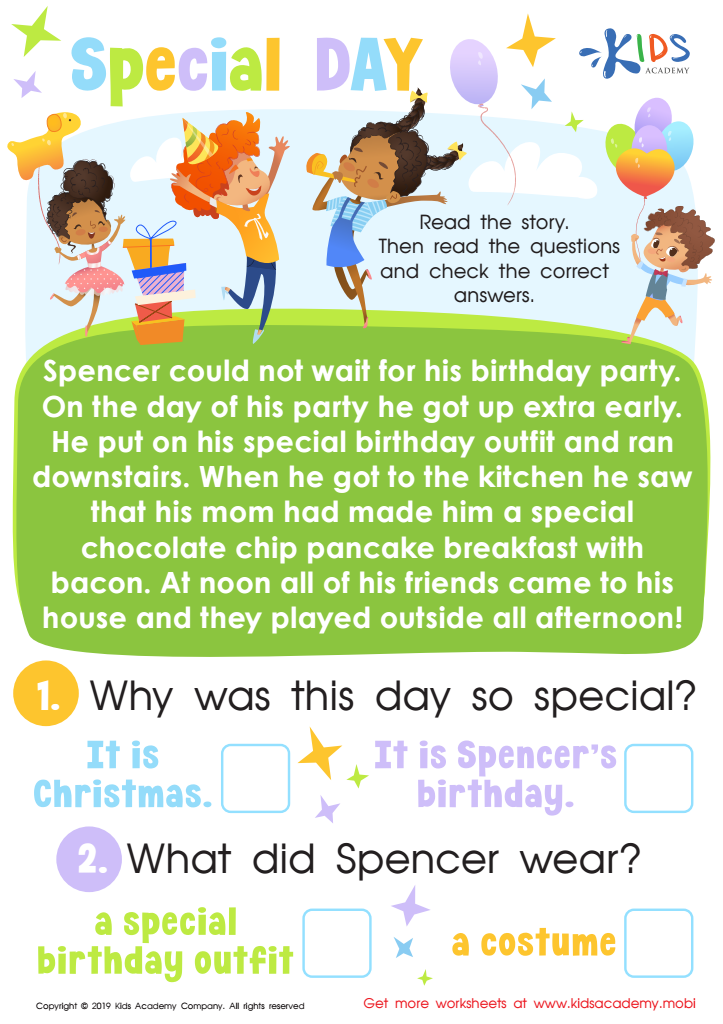
Special Day Worksheet








Cultural awareness reading for ages 5-9 is vital for developing children’s social and emotional intelligence, empathy, and understanding of diversity. At this formative stage, children are beginning to make sense of the world around them. Exposing them to diverse cultures through literature helps broaden their perspectives, encouraging appreciation for different backgrounds and lifestyles.
Parents and teachers play a crucial role in this process. Culturally-aware reading fosters inclusivity, making children feel represented and valued regardless of their background. It allows them to see themselves in stories or to learn about the experiences of others, fostering connections with peers. Moreover, it helps combat stereotypes and builds a foundation for critical thinking about societal issues.
Moreover, cultivating cultural awareness at an early age prepares children to thrive in a diverse society. As they grow, the skills of communication, adaptability, and understanding will benefit them in their personal and academic lives. Introducing books that celebrate various cultures—through stories, illustrations, and themes—can enrich conversations at home and in the classroom, creating a more equitable environment. Ultimately, promoting cultural awareness through reading nurtures compassionate, informed, and socially responsible futures. Therefore, it is essential for parents and teachers to prioritize this in early literacy practices.








