Fraction comparison Reading Worksheets for Ages 5-9
14 filtered results
-
From - To
Explore our engaging "Fraction Comparison Reading Worksheets" designed for children aged 5 to 9! These worksheets focus on enhancing youngsters' understanding of fractions through interactive reading activities. Students will learn to compare and contrast various fractions, building a foundation for critical thinking and arithmetic skills. Each worksheet features colorful visuals and relatable scenarios, making learning fun and accessible. Perfect for classroom use or at-home practice, our materials aim to boost confidence and competency in math. Give your child the tools they need to succeed in their educational journey! Check out our comprehensive collection for an enjoyable learning experience today!
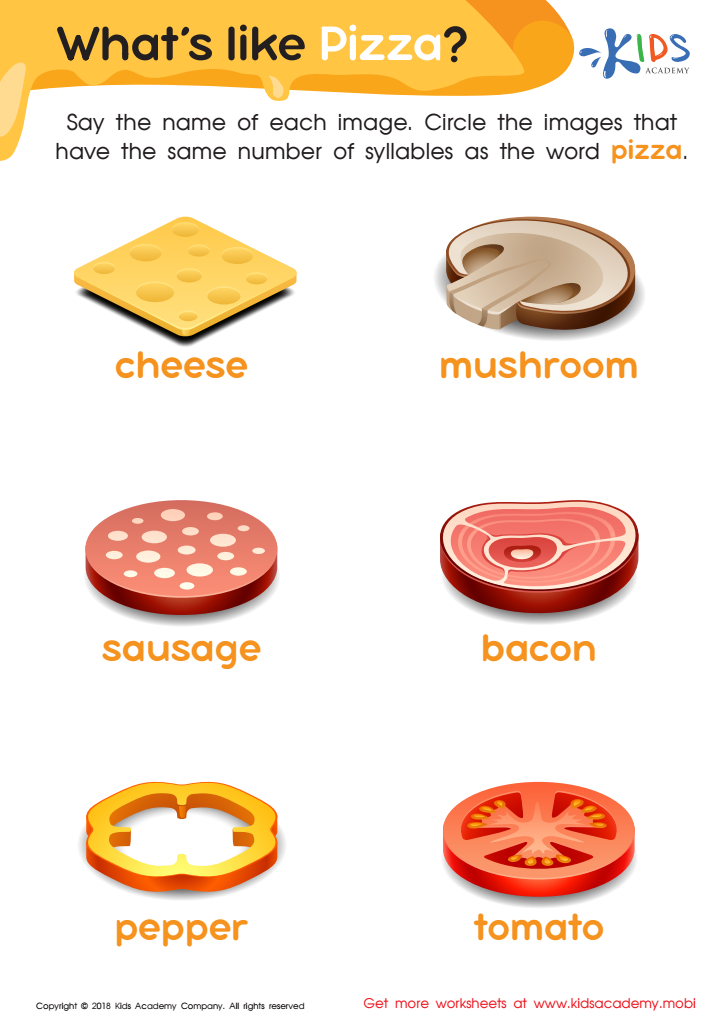
What's Like Pizza? Worksheet
 Assign to My Students
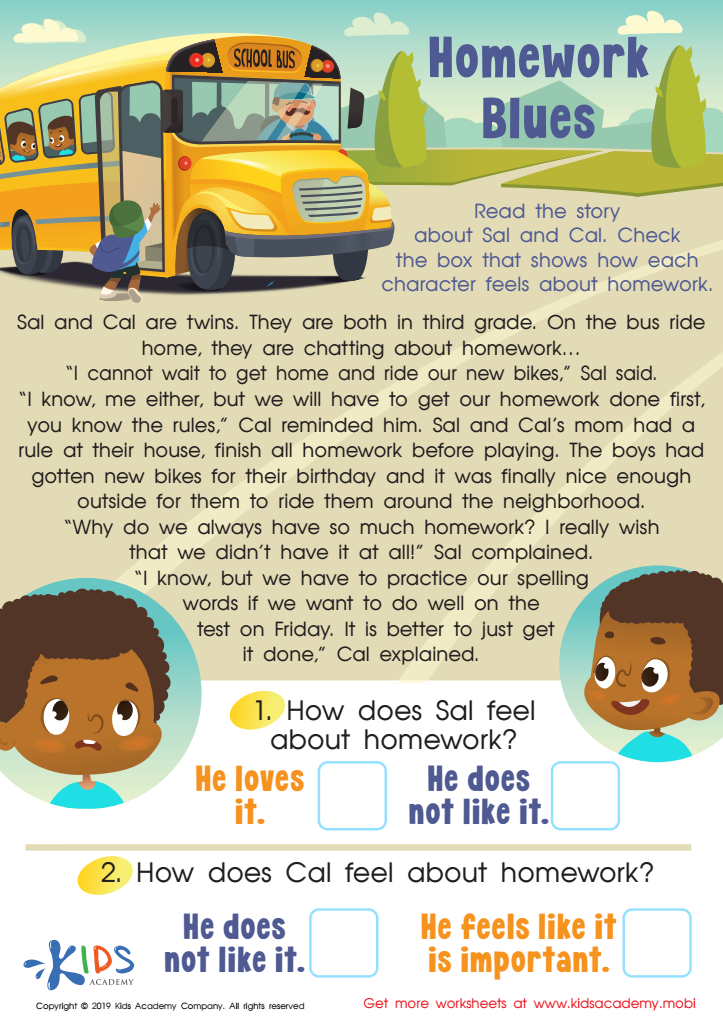
Homework Blues Worksheet
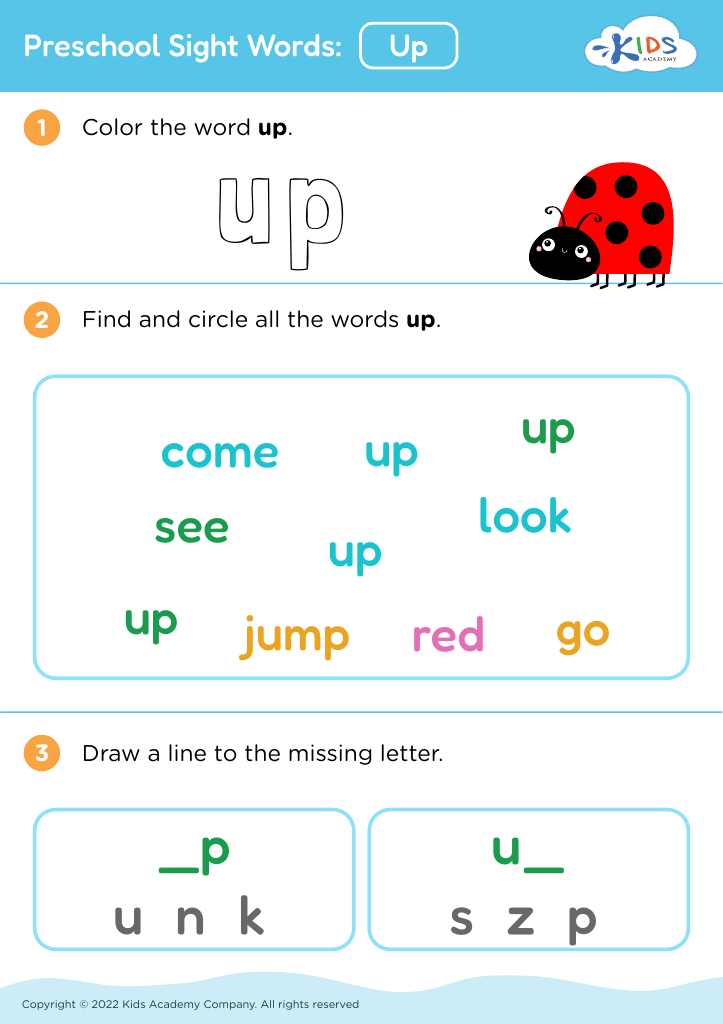
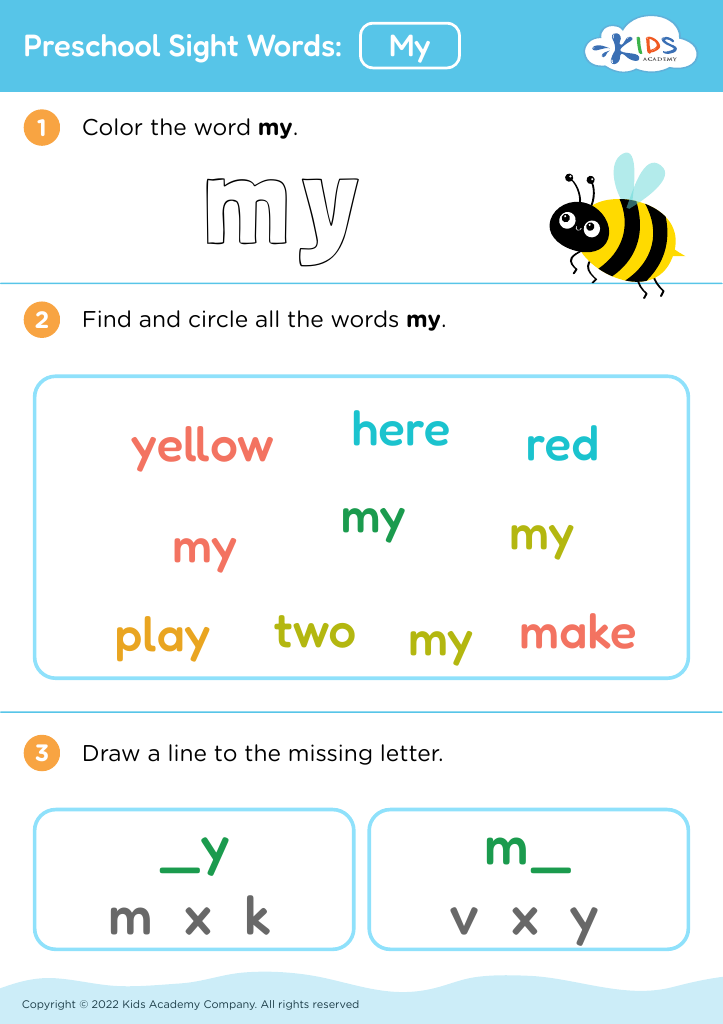







Understanding fraction comparison is vital for children aged 5-9 as it lays the foundation for more complex mathematical concepts they will encounter later in their education. As students begin their journey into fractions, they learn to recognize how parts relate to the whole, a skill that is not only useful in math but also in everyday life. Parents and teachers play a crucial role in supporting this learning process because it enhances critical thinking and problem-solving skills.
Reading about fraction comparison engages children in an interactive way, often involving visuals and relatable scenarios that capture their interest. When they encounter fractions in context, such as comparing slices of pizza or dividing items among friends, they can better grasp abstract concepts. This hands-on approach fosters not only understanding but also eases any math anxiety, making students more confident in their mathematical abilities.
Moreover, early mastery in comparing fractions employs essential cognitive skills, such as reasoning and analysis, contributing positively to overall academic success. By prioritizing the understanding of fraction comparison, parents and teachers prepare children for future challenges in math and improve their ability to apply academic knowledge in real-world situations. Cultivating these skills early ultimately propels children's lifelong learning.








