Improve vocabulary Reading Worksheets for Ages 5-9
5 filtered results
-
From - To
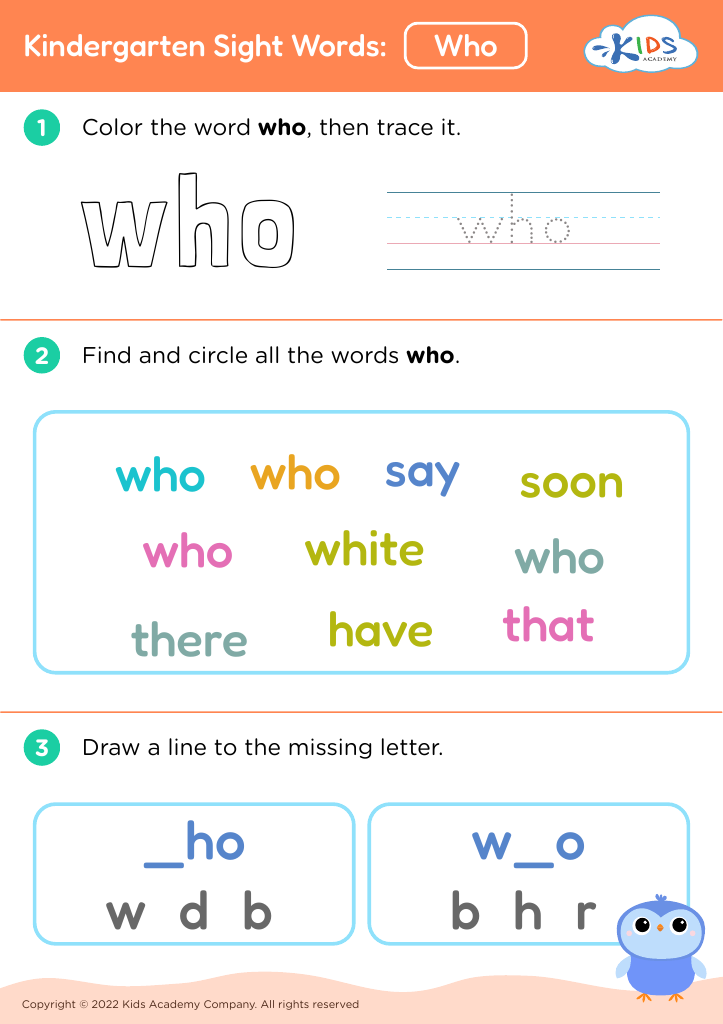
Enhance your child's vocabulary with our engaging reading worksheets designed for ages 5-9! Our comprehensive collection helps young learners expand their word bank while honing their reading skills. Each worksheet focuses on various themes, from animals to everyday objects, using fun puzzles, matching exercises, and color-coded activities. These worksheets are perfect for both classroom use and at-home practice, making learning enjoyable and effective. With easy-to-follow instructions and vibrant illustrations, your child will build confidence in their reading abilities and develop a love for learning. Start exploring our worksheets today and watch as their vocabulary flourishes!
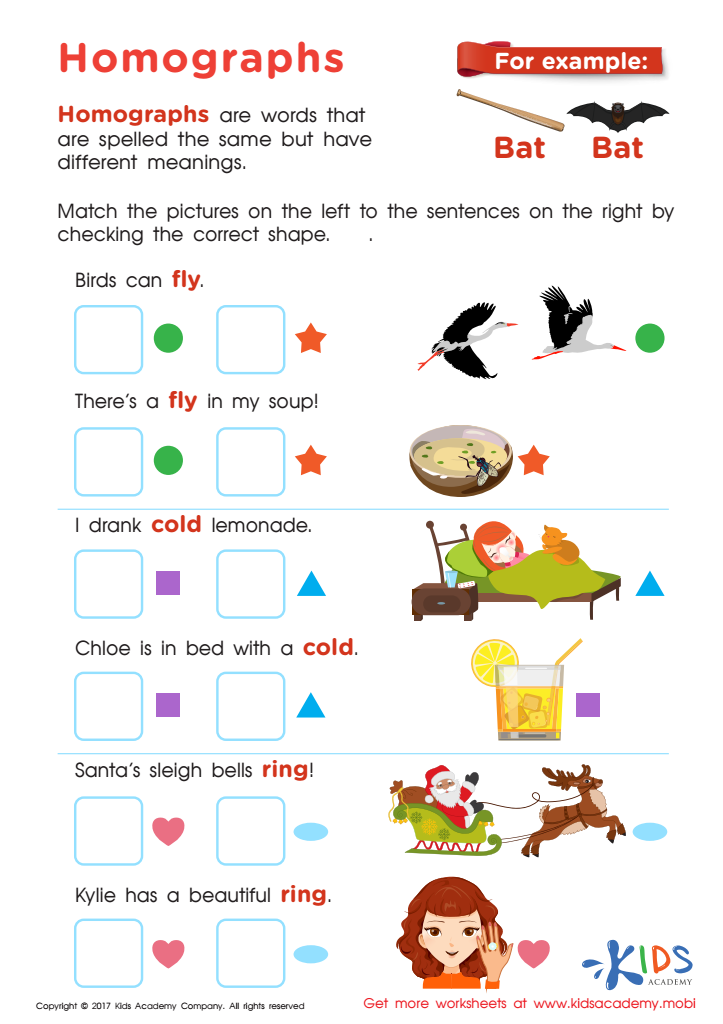
Homographs Free Printable Worksheet
 Assign to My Students
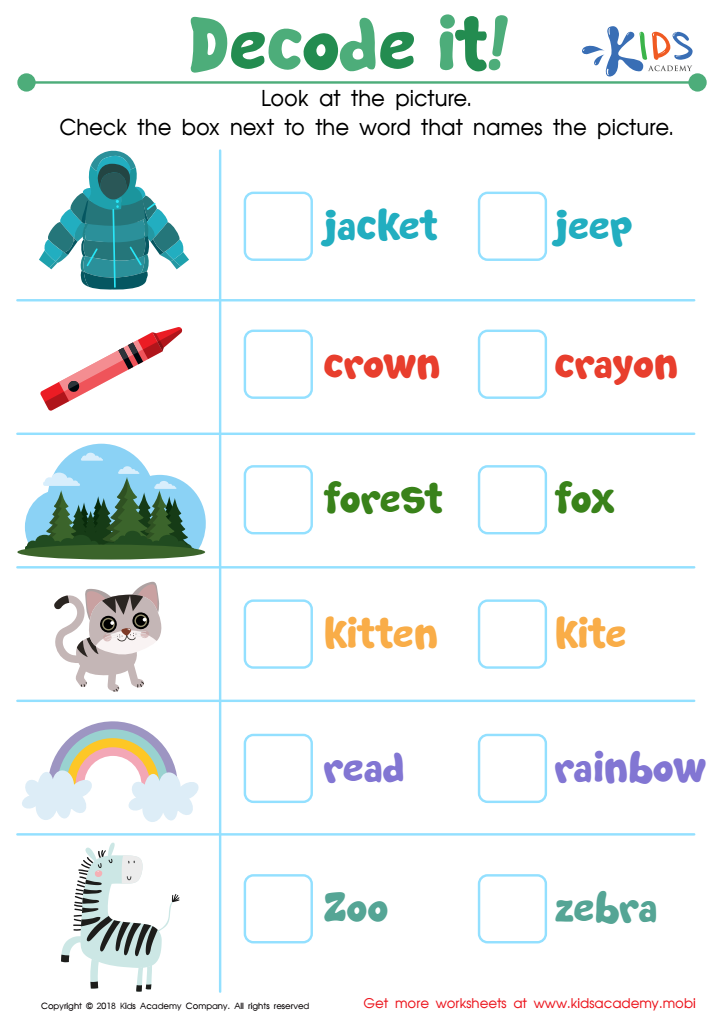
Reading: Decode It Worksheet
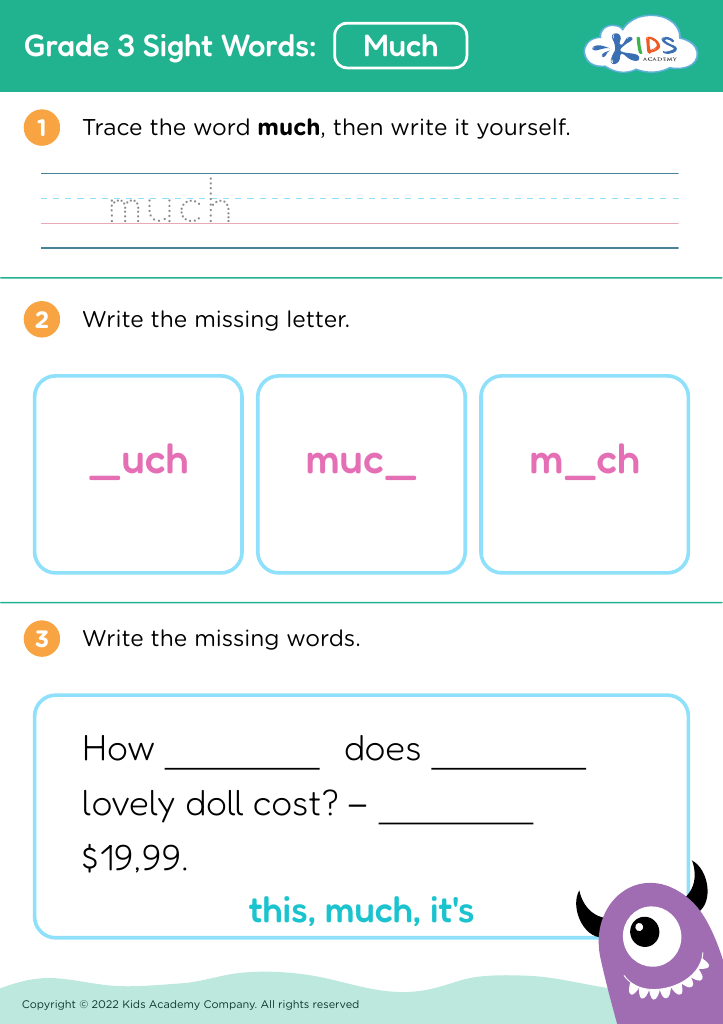
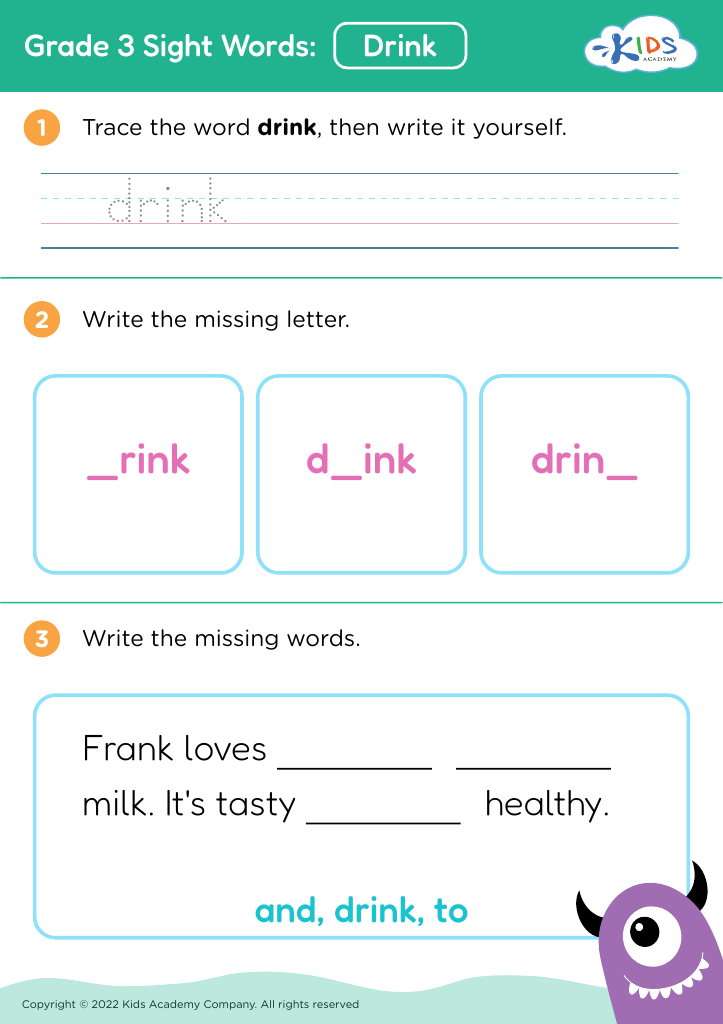







Improving vocabulary and reading skills for children aged 5-9 is crucial for several reasons. At this age, children are developing foundational literacy skills that will serve as building blocks for their future academic success. A rich vocabulary enhances a child's ability to comprehend what they read, making it easier for them to grasp complex ideas and concepts as they progress through their education. Furthermore, a robust vocabulary helps children articulate thoughts, express themselves clearly, and engage effectively in conversations, both socially and intellectually.
Teachers and parents play a vital role in fostering a love for reading and improving vocabulary. Engaging children in regular reading activities—including picture books, storytelling, and discussions about new words—can enhance their language skills significantly. Additionally, exposure to diverse texts expands their understanding of different contexts and cultures, preparing them to navigate an increasingly interconnected world.
Moreover, strong vocabulary and reading abilities are linked to improved critical thinking and problem-solving skills. By investing time and effort into enhancing these skills at a young age, parents and teachers not only support academic achievement but also empower children to become confident, capable learners who are prepared for lifelong success.








