Information processing Reading Worksheets for Ages 5-9
4 filtered results
-
From - To
Enhance your child's reading skills with our engaging Information Processing Reading Worksheets designed for ages 5-9. These specially crafted worksheets help young learners develop essential comprehension skills by encouraging them to analyze, interpret, and process information effectively. Each worksheet includes captivating stories, questions, and activities tailored to different reading levels, ensuring that every child finds the right challenge. By fostering critical thinking and comprehension through fun exercises, these resources support early literacy in a dynamic way. Ideal for home or classroom use, our worksheets empower children to become confident readers who can navigate various types of texts with ease.
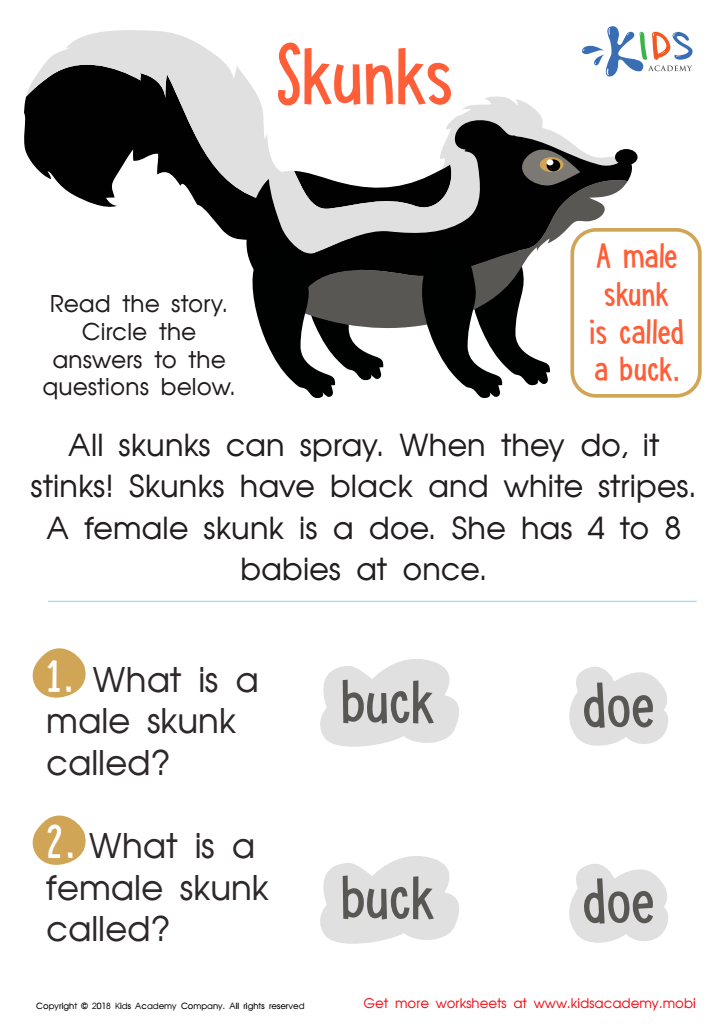
Skunks Worksheet
 Assign to My Students
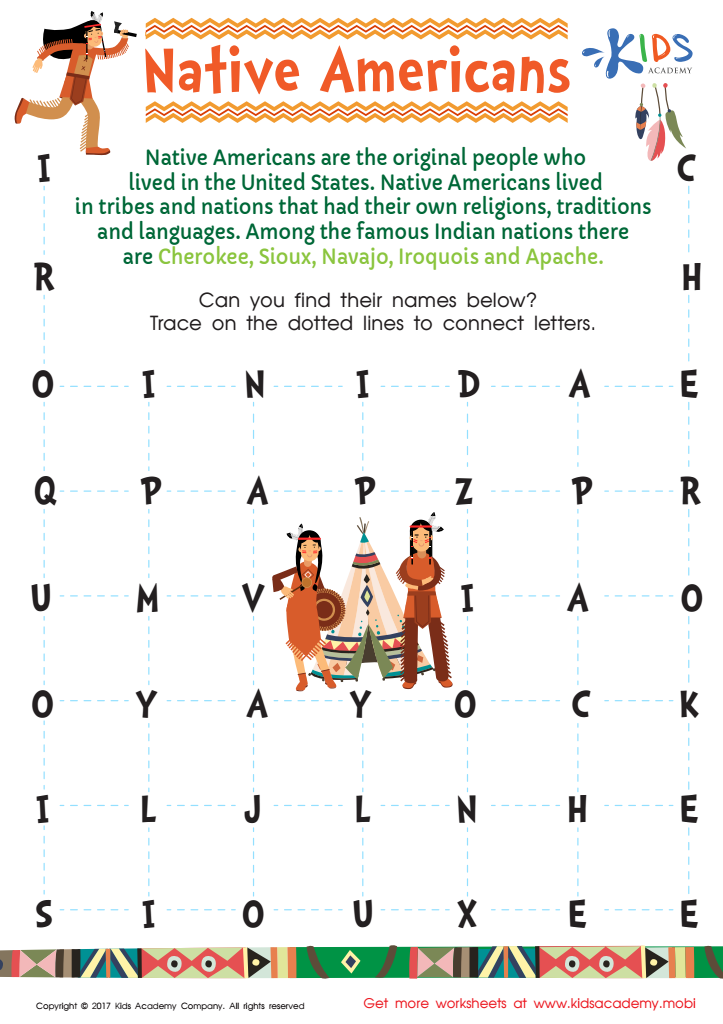
Native American Word Search Printable
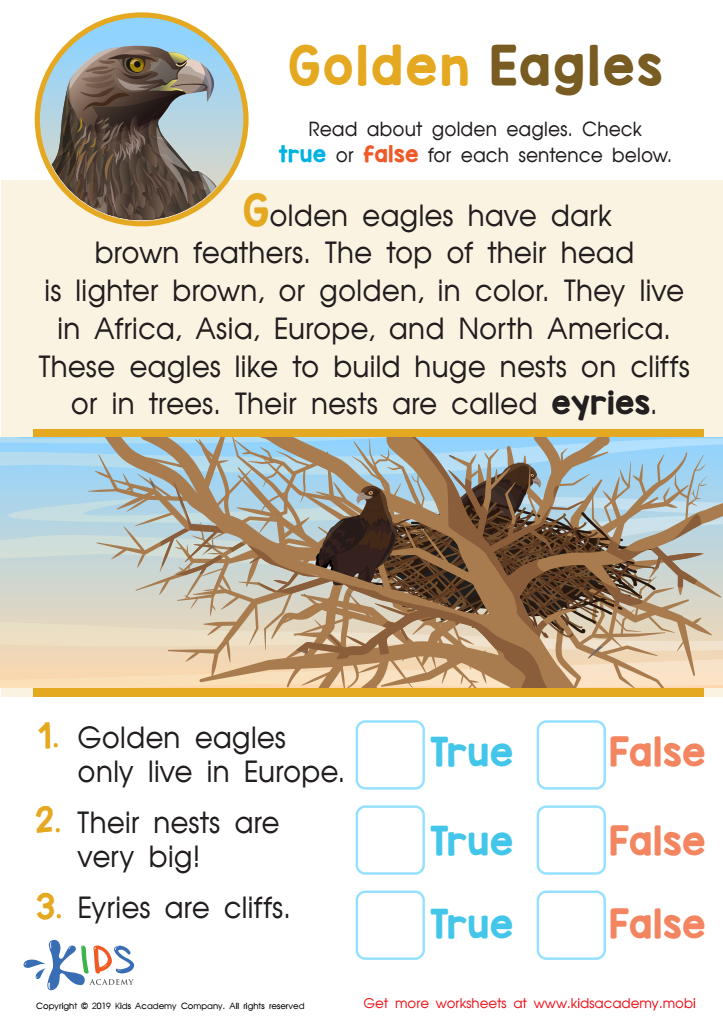
Golden Eagles Worksheet
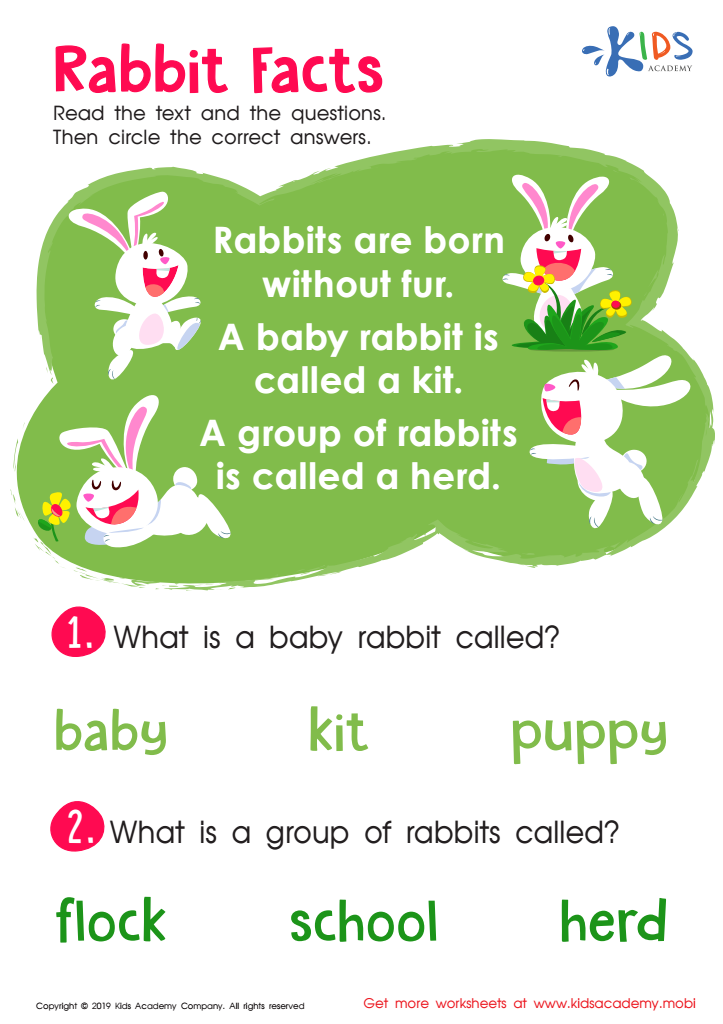
Rabbit Facts Worksheet


.jpg)





Information processing reading is crucial for children aged 5-9, as it lays the foundation for their overall academic success and cognitive development. At this age, children's brains are remarkably receptive, efficiently acquiring language and literacy skills through interactions with text. Understanding how children process information when reading helps parents and teachers to better support their learning needs.
Primarily, effective information processing assists young readers in decoding text, comprehending meaning, and retaining knowledge. Recognizing how children absorb and interpret information can guide educators in selecting appropriate reading strategies, materials, and interventions. For example, strategies such as phonemic awareness and vocabulary expansion directly enhance children’s ability to connect sounds with written words.
Moreover, fostering strong information processing skills cultivates critical thinking and analytical abilities, essential for future learning. It also boosts children's confidence and motivation, making them more inclined to participate in reading-related activities.
Lastly, engagement in information processing discussions equips parents and teachers with insights into how they can contribute to a child's summer reading program, book selection, and reading routines, ensuring the development of lifelong literacy skills. By prioritizing this area, adults can play a pivotal role in shaping capable, enthusiastic readers who succeed academically and beyond.








