
Understanding habitats Reading Worksheets for Ages 5-9
3 filtered results
Difficulty Level
Grade
Age
-
From - To
Subject
Activity
Standards
Discover the magical world of habitats with our "Understanding Habitats" reading worksheets, designed specifically for children aged 5 to 9. These engaging activities help young learners explore various ecosystems, from lush forests to arid deserts, enhancing their understanding of the environment. Each worksheet encourages critical thinking and boosts literacy skills through fun exercises that promote vocabulary development and reading comprehension. With colorful illustrations and age-appropriate content, kids will enjoy learning about plants, animals, and their roles within different habitats. Perfect for home or classroom use, our worksheets inspire curiosity and foster a love for nature while building essential reading skills.
Favorites
With answer key
Interactive
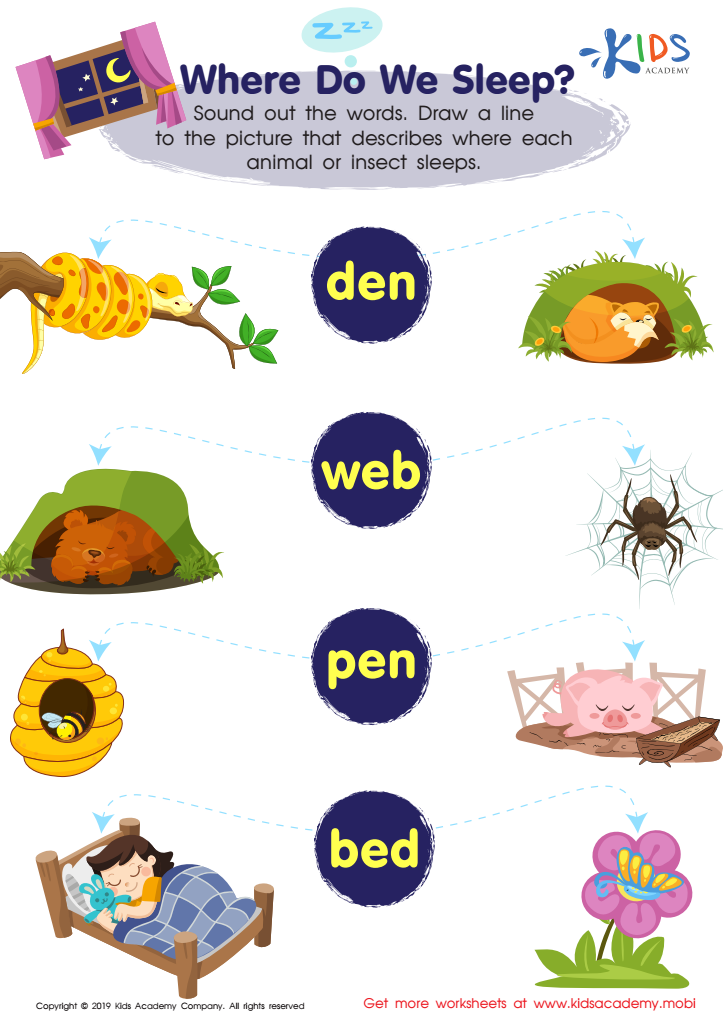
Where Do We Sleep Worksheet
Help your kids understand the importance of a safe space with this activity: Ask them to draw a line connecting the different animals and insects to the words that describe where they sleep. Remind them that everyone needs a sanctuary to rest – like the animals and insects in this printout.
 Assign to My Students
Where Do We Sleep Worksheet
Worksheet
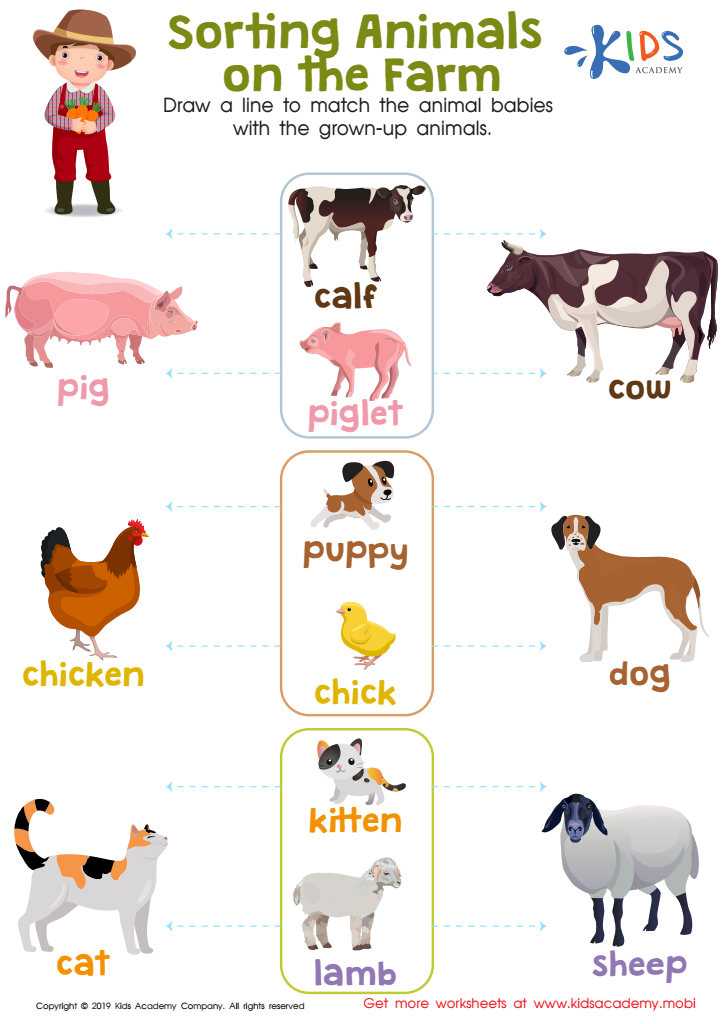
Sorting Animals on the Farm Worksheet
This PDF worksheet engages preschoolers in a fun activity to match Mama farm animals with their babies, strengthening their sorting and patterning skills. They'll learn to recognize rules and relationships, while gaining familiarity with animal-related words.
Sorting Animals on the Farm Worksheet
Worksheet
Join Kids Academy for Free
Who is primarily going to use this learning content?








Understanding habitats is crucial for children aged 5-9, and both parents and teachers play an essential role in nurturing this awareness. During these formative years, children develop a sense of curiosity about the world around them. Reading about various habitats—such as forests, oceans, deserts, and wetlands—encourages them to appreciate the diversity of life and the intricate connections between species and their environments.
Engaging with habitat literature cultivates a deeper understanding of ecosystems, instilling environmental stewardship in young minds. This breed of literacy promotes critical thinking as children explore the needs of animals and plants, their roles in the ecosystem, and the importance of biodiversity—concepts vital in fostering a generation that respects nature and advocates for conservation.
Additionally, comprehending habitats enhances vocabulary, language skills, and comprehension, integrating science with reading and sparking interest in further exploration of nature and science. Irrespective of whether they engage with books together or discuss impacts on local habitats, parents and teachers can foster a love for learning and develop responsible future citizens who are aware of their responsibility toward preserving our planet. By supporting this educational journey, adults can help children grow into informed advocates for the environment.








