Information retention Reading Non-Fiction Worksheets for Ages 5-9
4 filtered results
-
From - To
Enhance your child's learning experience with our engaging Information Retention Reading Non-Fiction Worksheets, designed specifically for ages 5-9. These worksheets support young readers in developing essential skills to understand and remember key facts from non-fiction texts. Through interactive activities tailored to their age group, children will enhance their comprehension, critical thinking, and retention abilities. Our worksheets promote a fun learning environment where kids can explore diverse topics while practicing vital reading strategies. Equip your child with the tools necessary for academic success and confidence in their reading abilities, all while discovering the fascinating world of non-fiction literature. Start nurturing their skills today!
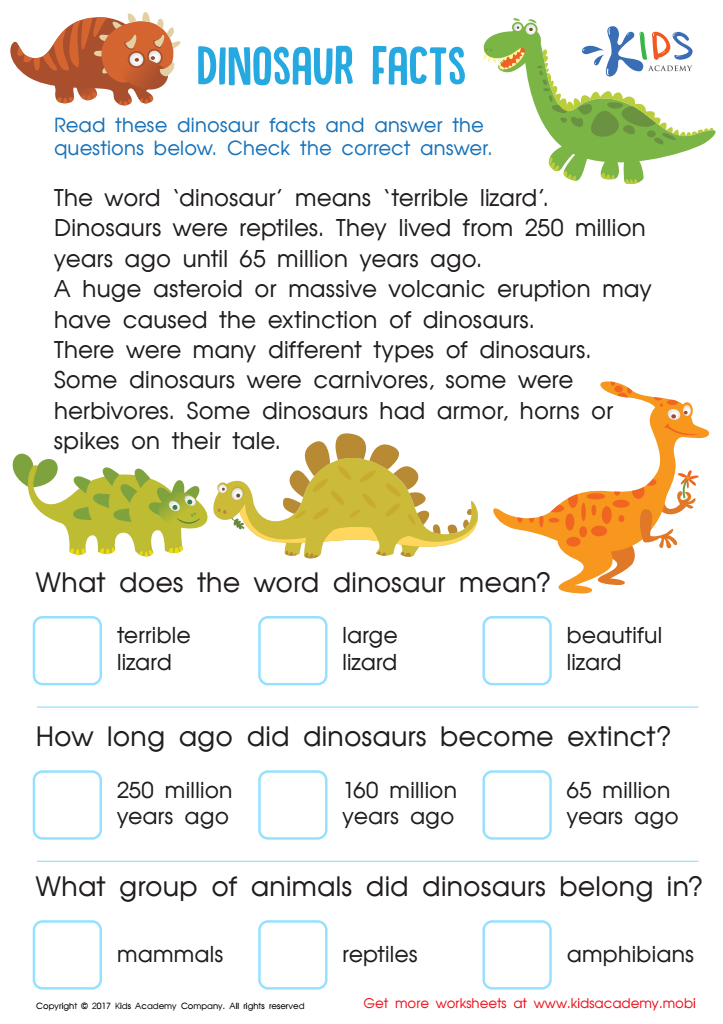
Dinosaur Facts Worksheet
 Assign to My Students
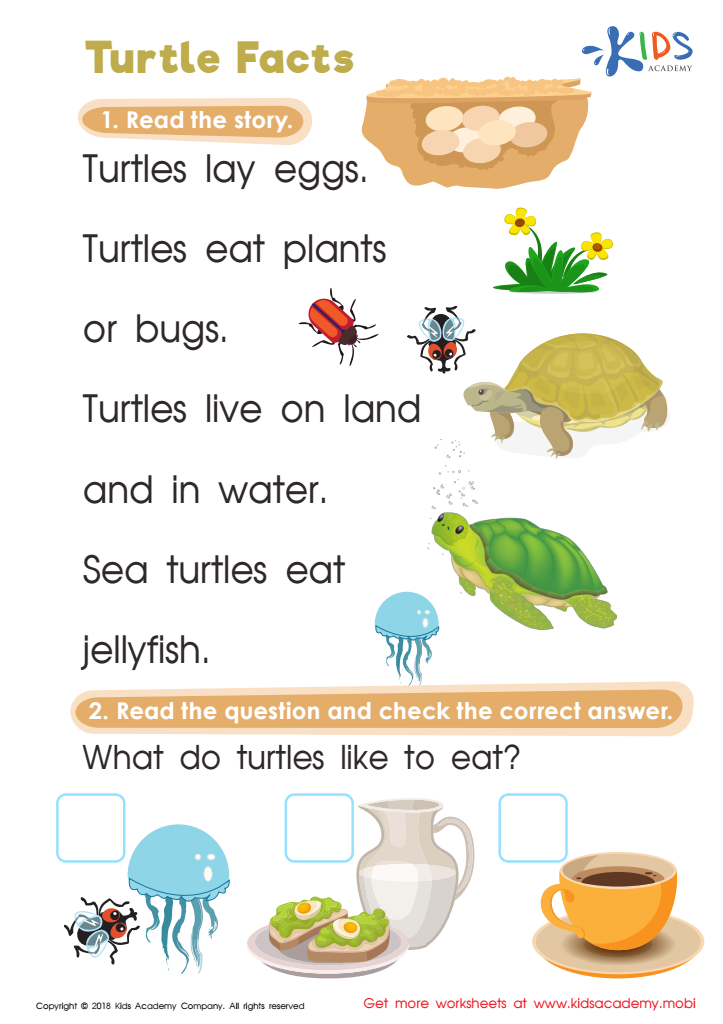
Turtle Facts Worksheet
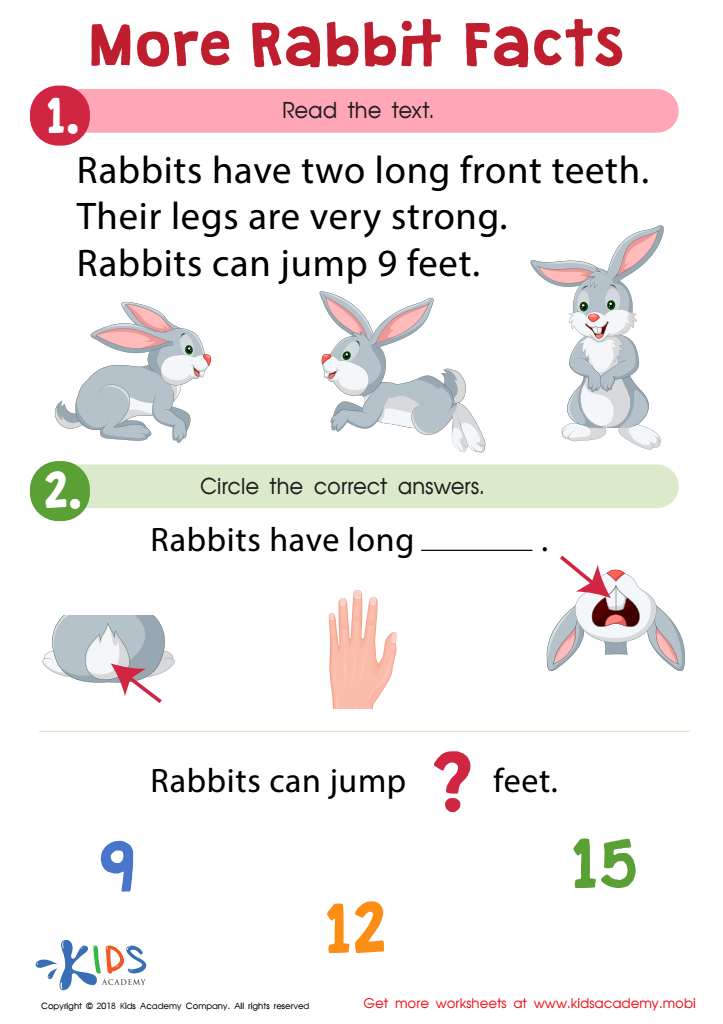
More Rabbit Facts Worksheet
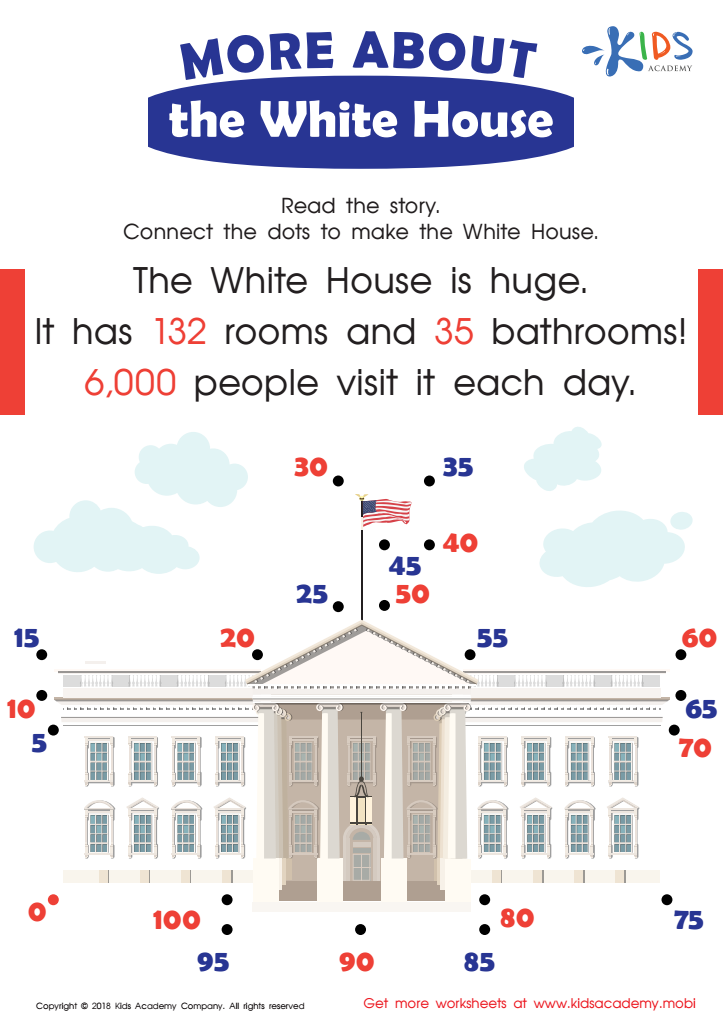
More About the White House Worksheet








Information retention in reading non-fiction is crucial for children aged 5-9 because it lays the groundwork for critical thinking and broader comprehension skills. At this age, children are developing their cognitive abilities and are naturally curious about the world around them. Non-fiction books provide factual information about various topics, from animals to science, helping them satisfy their curiosity and build a strong knowledge base.
Parents and teachers should care about this because effective information retention enhances a child's ability to remember and apply what they learn, which is essential for academic success beyond early grades. Retaining information from non-fiction reading can also boost vocabulary, improve comprehension, and foster a love for learning. Engaging with factual texts teaches children to distinguish between credible information and misinformation, an important skill in today's digital age.
Moreover, encouraging children to discuss and reflect on non-fiction material can enhance memory retention and stimulate further inquiry. When children retain and utilize information they've read, they become empowered learners, capable of connecting concepts and understanding the world more holistically. Supporting this process not only nurtures academic skills but also fosters informed, curious, and enthusiastic individuals ready to engage with their environments. Therefore, prioritizing information retention in non-fiction is pivotal for educational growth.








