Understanding ecosystems Animals Worksheets for Ages 5-9
3 filtered results
-
From - To
Explore the exciting world of ecosystems with our "Understanding Ecosystems Animals Worksheets" designed for children aged 5-9. This engaging collection of worksheets helps young learners discover the relationships between animals and their environments. With colorful illustrations and interactive activities, kids can explore habitats, food chains, and the importance of biodiversity. Our thoughtfully crafted worksheets encourage critical thinking and creativity, making science fun and accessible. Ideal for classrooms or at-home learning, these resources foster a deeper appreciation for nature while enhancing essential skills. Dive into the fascinating ecosystem with your little ones and watch their curiosity flourish!
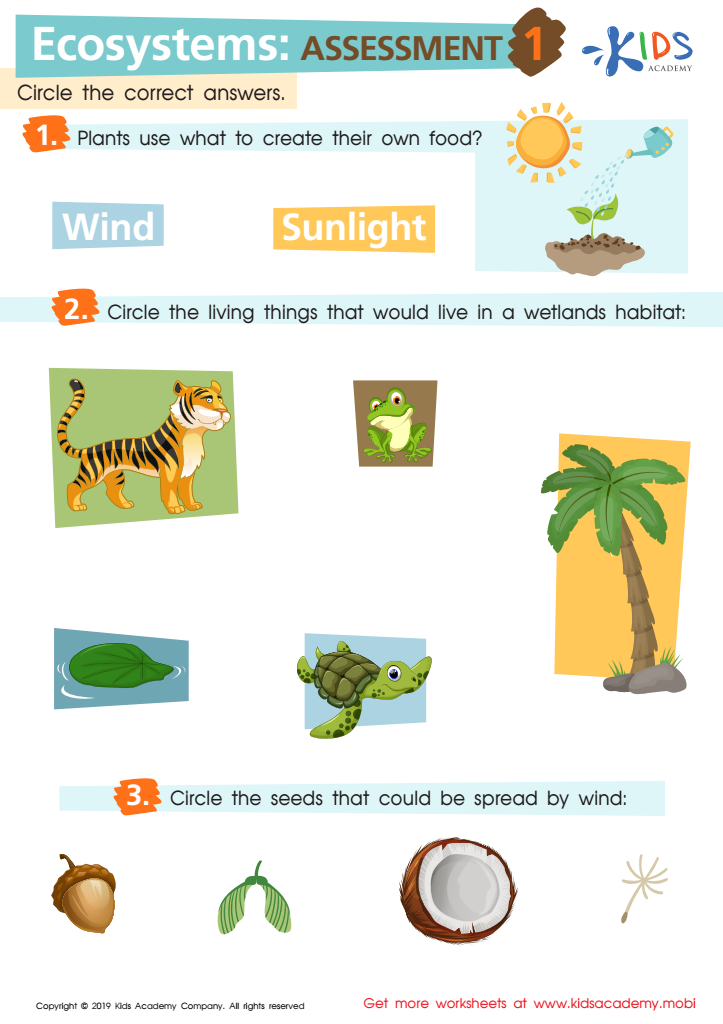
Ecosystems: Assessment 1 Worksheet
 Assign to My Students
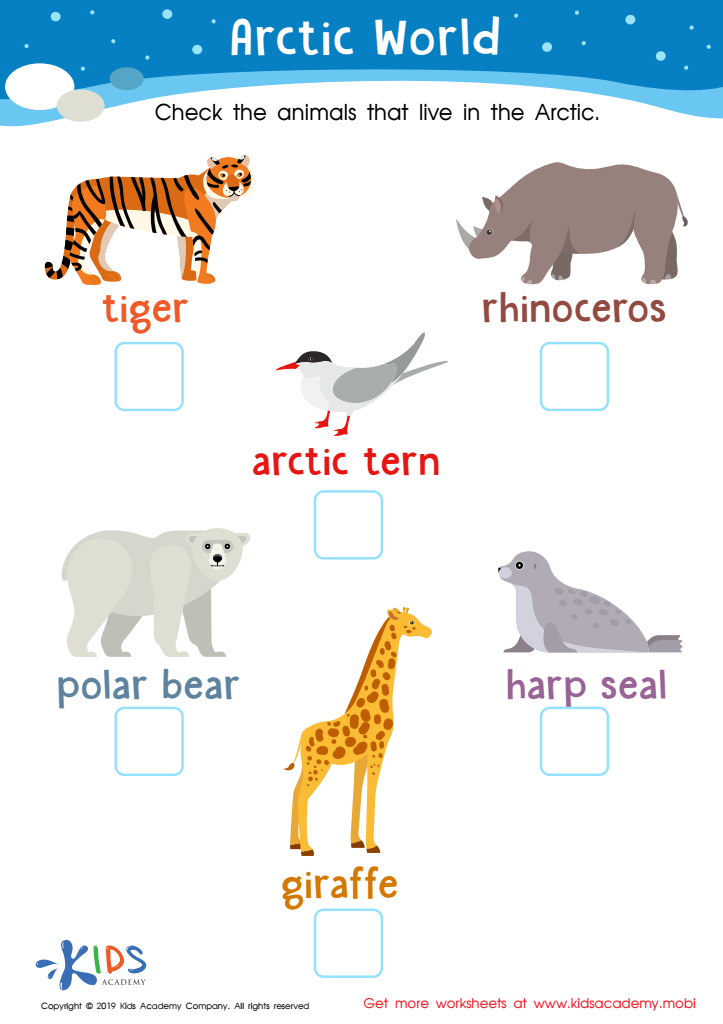
Arctic World Worksheet
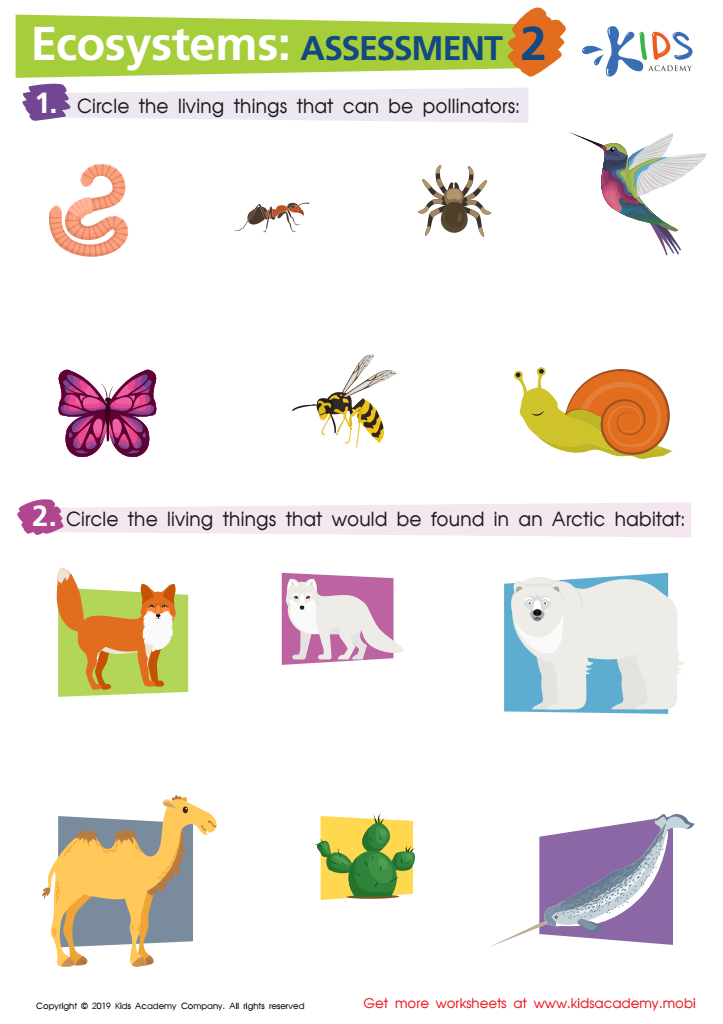
Ecosystems: Assessment 2 Worksheet


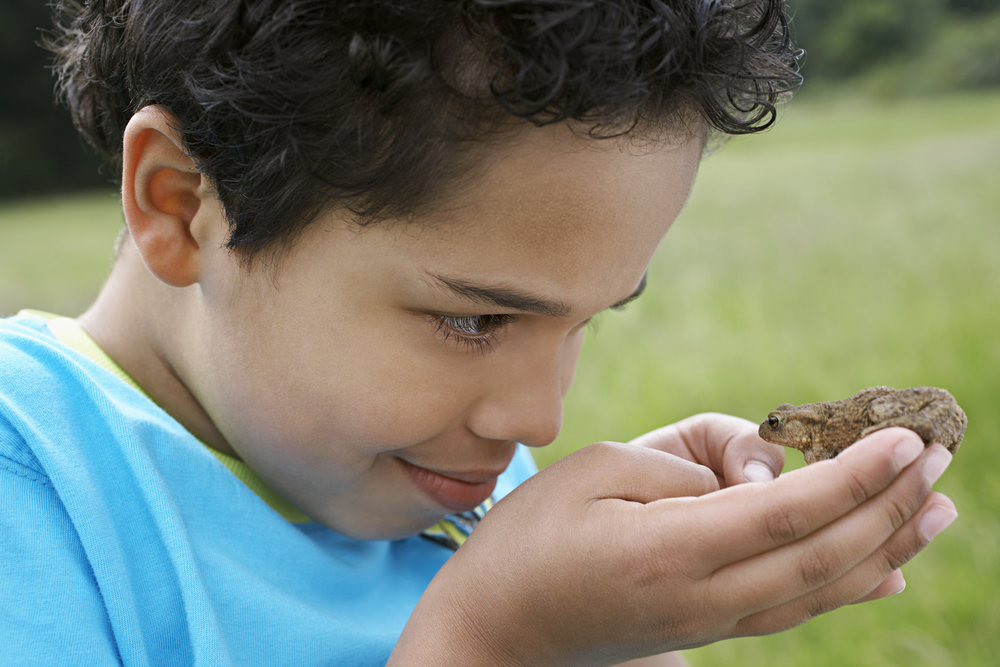





Understanding ecosystems and animals is crucial for children ages 5-9 for several reasons. First, early exposure to these concepts fosters a sense of wonder and curiosity about the natural world, which can ignite a lifelong passion for science and nature. Teaching children about ecosystems helps them recognize the interconnectedness of life, promoting empathy and respect for all living beings.
Additionally, learning about animals and their habitats cultivates an awareness of environmental stewardship. As children understand how ecosystems function and the roles different animals play within them, they are more likely to develop a sense of responsibility towards the environment. This early education can lead to mindful behaviors that contribute to conservation efforts.
Furthermore, understanding ecosystems enhances critical thinking and problem-solving skills. Children learn to ask questions, analyze data, and draw conclusions based on observations, foundational skills that are applicable in various aspects of their education and life.
Lastly, knowledge about animals and ecosystems provides a context for understanding broader concepts such as climate change, biodiversity, and sustainability, equipping children to become informed, compassionate adults who can actively participate in preserving our planet. Engaging with these topics truly enriches their education and shapes them into conscientious global citizens.