Analyzing data Science Worksheets for Ages 5-9
5 filtered results
-
From - To
Explore our engaging "Analyzing Data Science Worksheets" designed specifically for children aged 5-9! These worksheets help young learners develop critical thinking and data analysis skills through fun activities. Children will engage with vibrant visuals and hands-on exercises that introduce concepts such as sorting, categorizing, and interpreting data. Whether they're counting jellybeans or analyzing weather patterns, these worksheets make learning enjoyable and interactive! Parents and educators can use these resources to enhance classroom learning or provide enriching activities at home. Empower your child’s curiosity by diving into the exciting world of data science today!
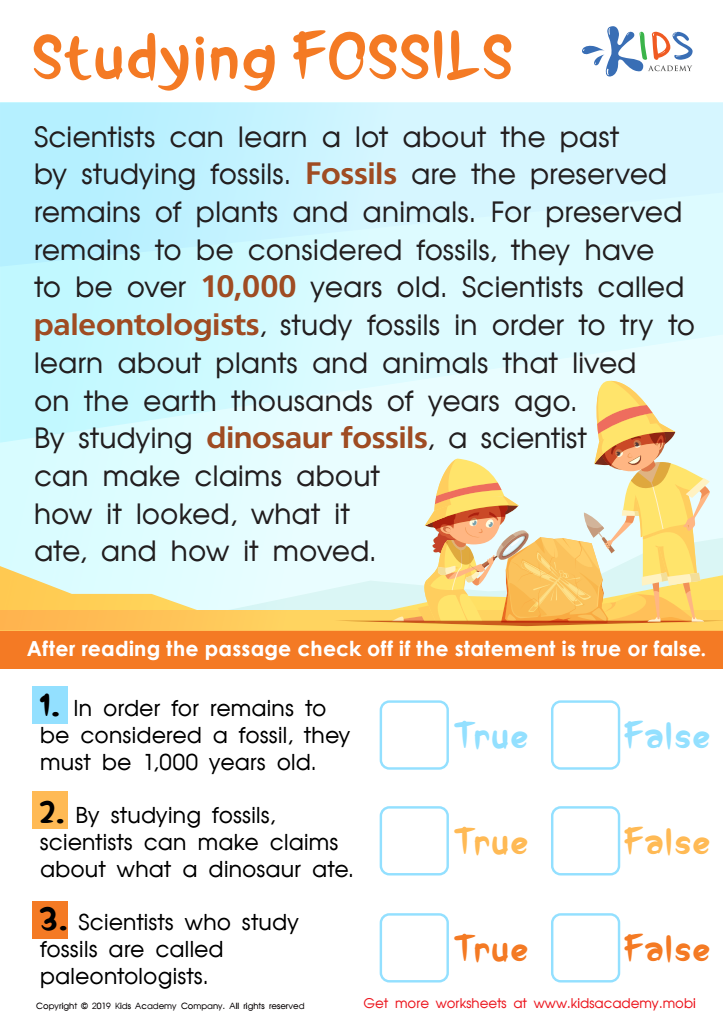
Studying Fossils Worksheet
 Assign to My Students
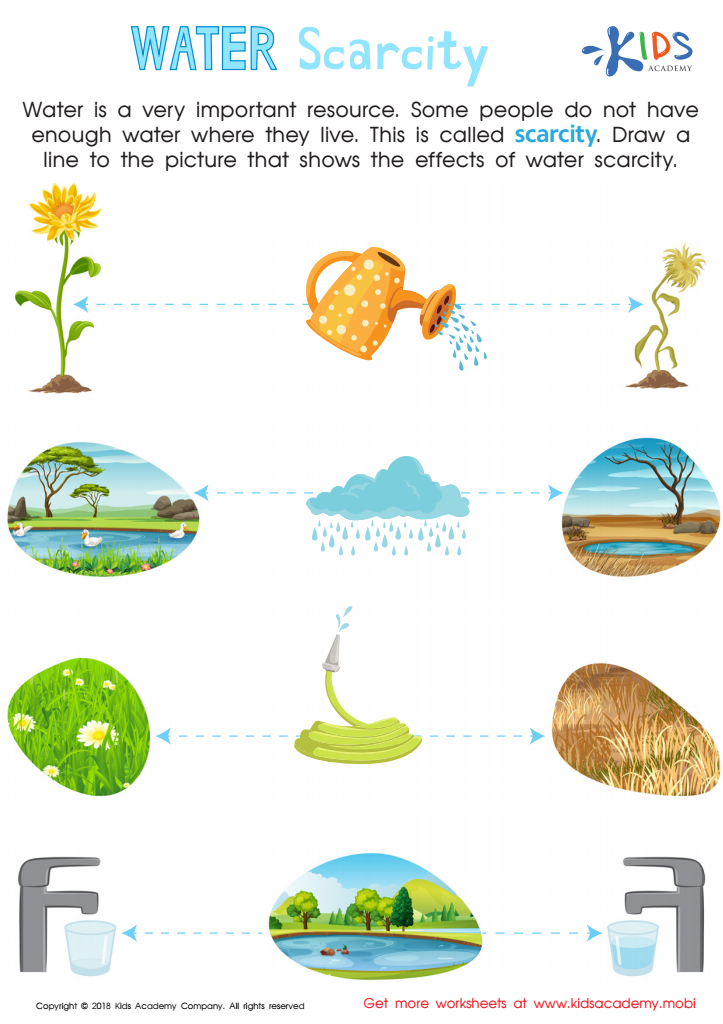
Water Scarcity Worksheet
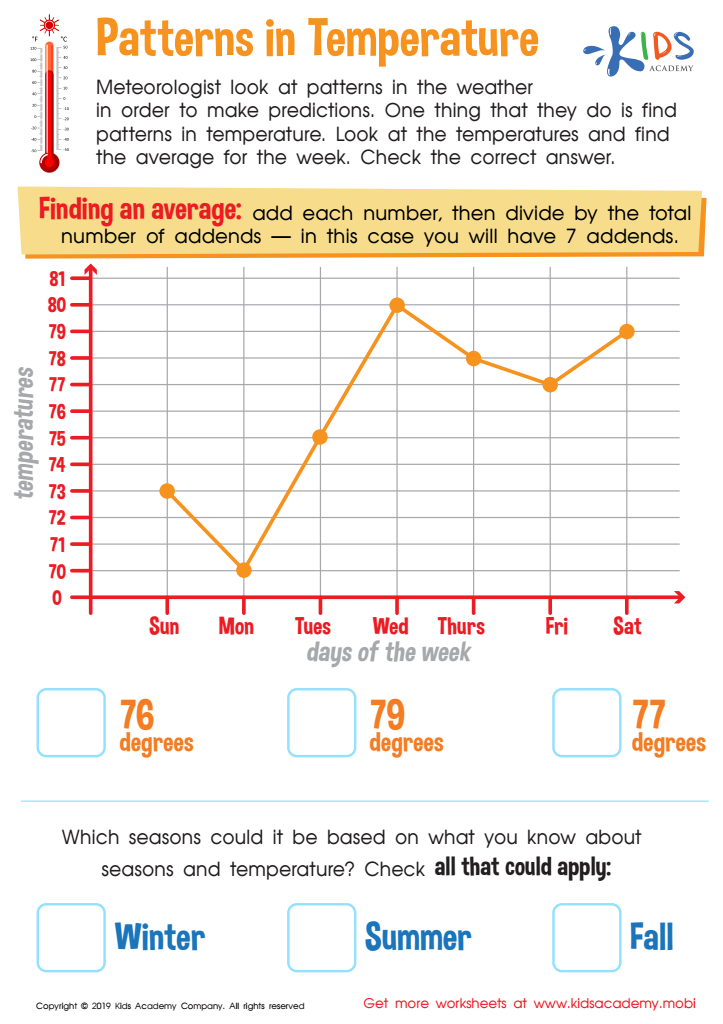
Patterns in Temperature Worksheet
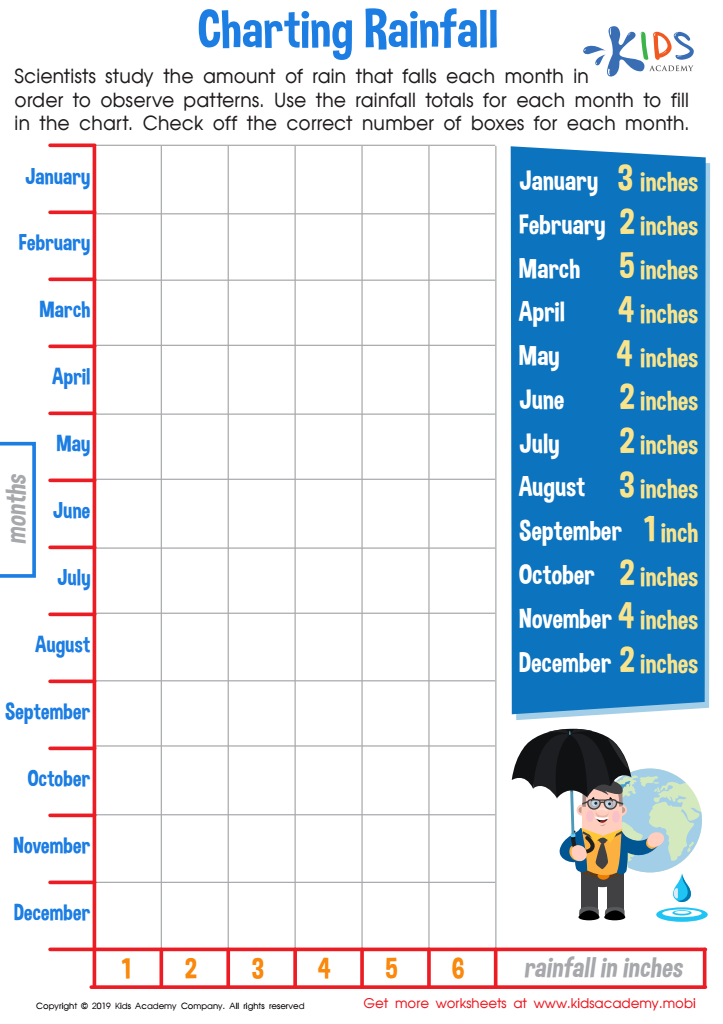
Charting Rainfall Worksheet
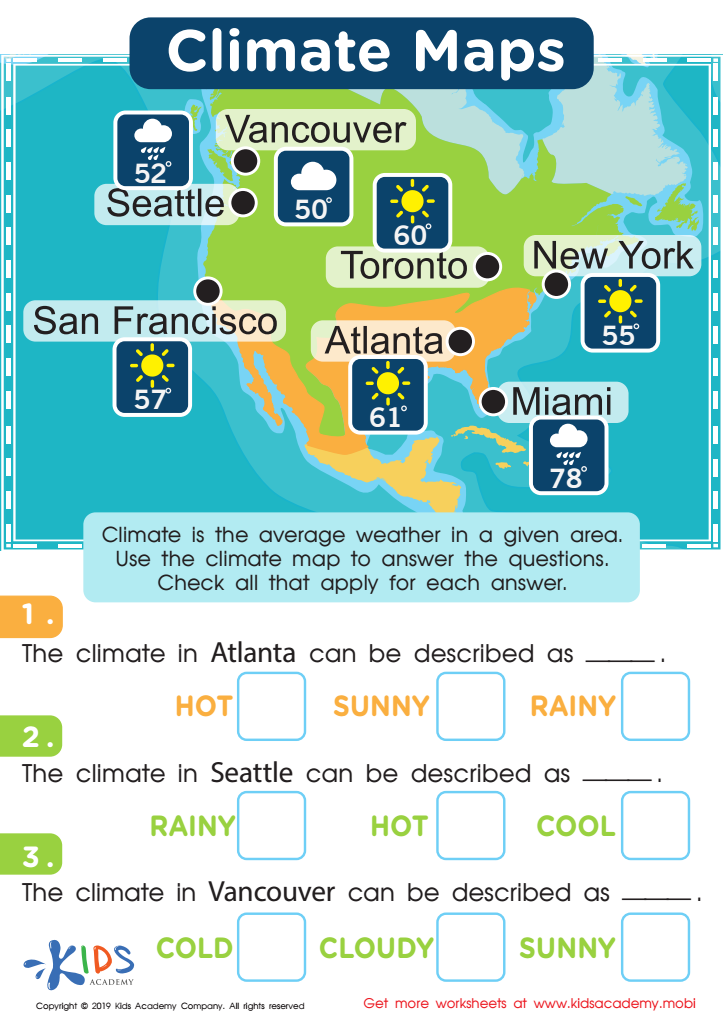
Climate Maps Worksheet








Analyzing data at an early age is crucial for children's cognitive development and future success, especially for ages 5-9. During this formative stage, children are naturally curious and eager to explore the world around them. Introducing data science concepts helps cultivate critical thinking and problem-solving skills, laying a robust foundation for their future academic pursuits.
For parents and teachers, understanding the importance of data analysis empowers them to provide enriched learning experiences. It encourages kids to ask questions, make predictions, and draw conclusions based on information. Engaging with data—from simple counting exercises to interpreting charts or graphs—promotes numeracy skills and fosters an early appreciation for mathematics.
Moreover, data literacy is increasingly vital in today’s technology-driven society. By teaching children how to interpret and analyze data, they become more adept at navigating the digital world responsibly and intelligently. This knowledge prepares them not only for higher academic challenges but also for modern careers where data plays a pivotal role.
In summary, emphasizing data analysis for young learners cultivates essential skills, enhances critical thinking, and equips students for navigating an increasingly complex information landscape, ultimately benefiting their overall development and future success.







