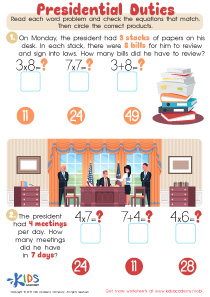
Critical Thinking Geography Worksheets for Ages 5-9
4 filtered results
-
From - To
Enhance your child's geographical knowledge with our engaging Critical Thinking Geography Worksheets designed specifically for ages 5-9. These thoughtfully crafted worksheets encourage young learners to explore fundamental concepts in geography while developing essential cognitive skills. Through exciting activities, children will learn to analyze maps, understand landforms, and connect social studies topics to their everyday lives. Our resources foster creativity and critical thinking, ensuring students not only absorb information but also question and interpret it. Perfect for both classroom settings and home learning, these worksheets provide a fun and interactive way for children to broaden their geographical understanding and enhance their analytical abilities.
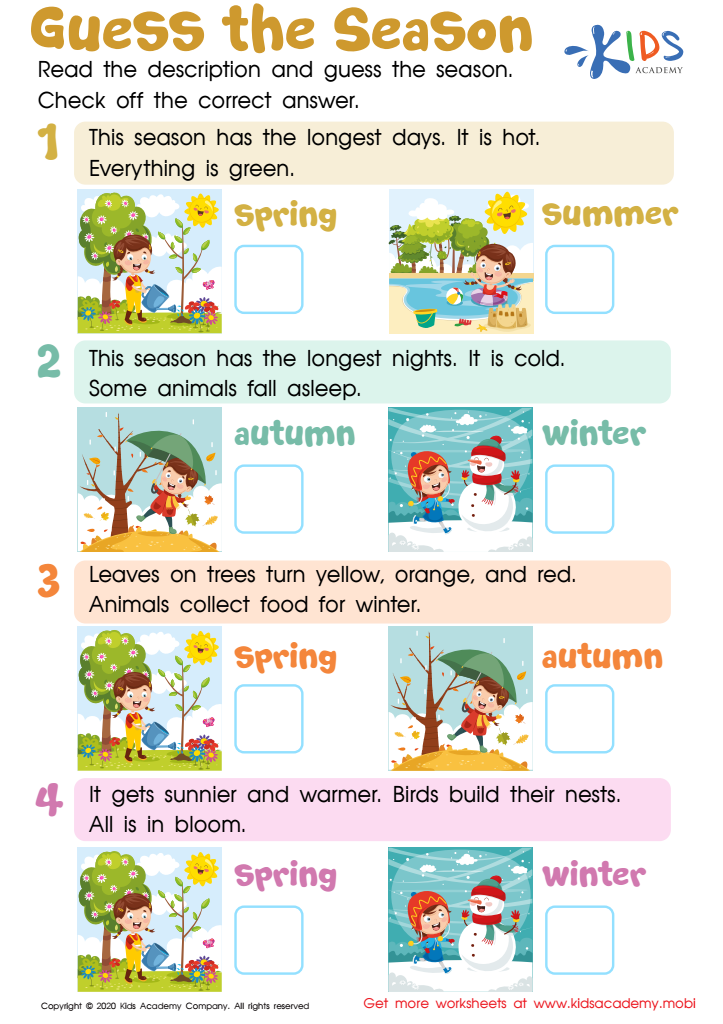
Guess the Season Worksheet
 Assign to My Students
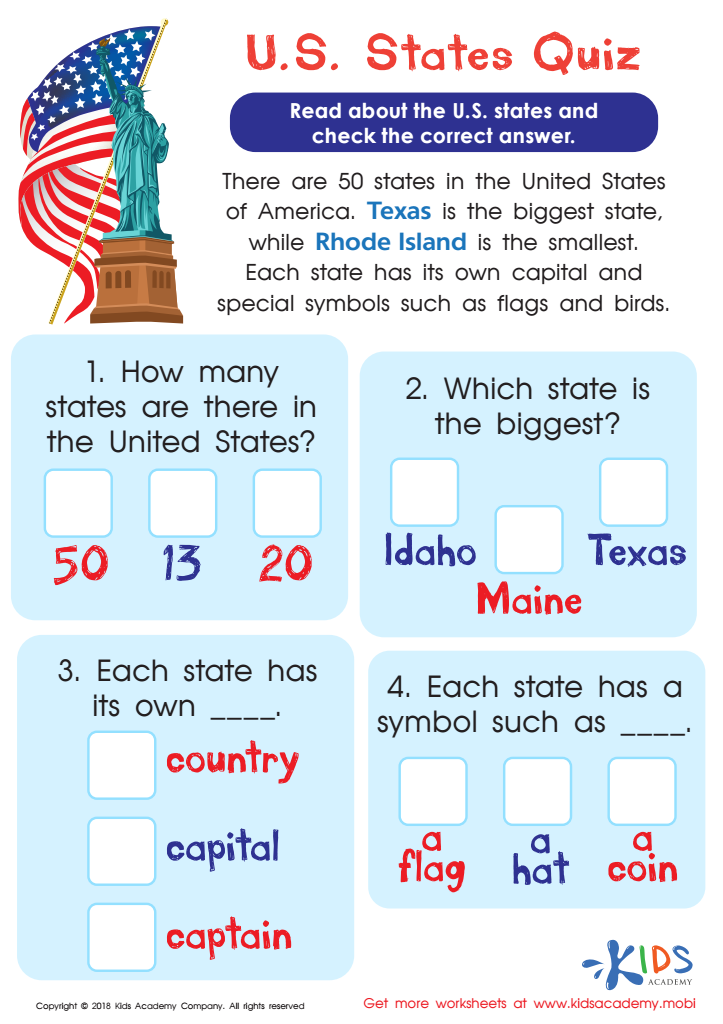
U.S. States Quiz Worksheet
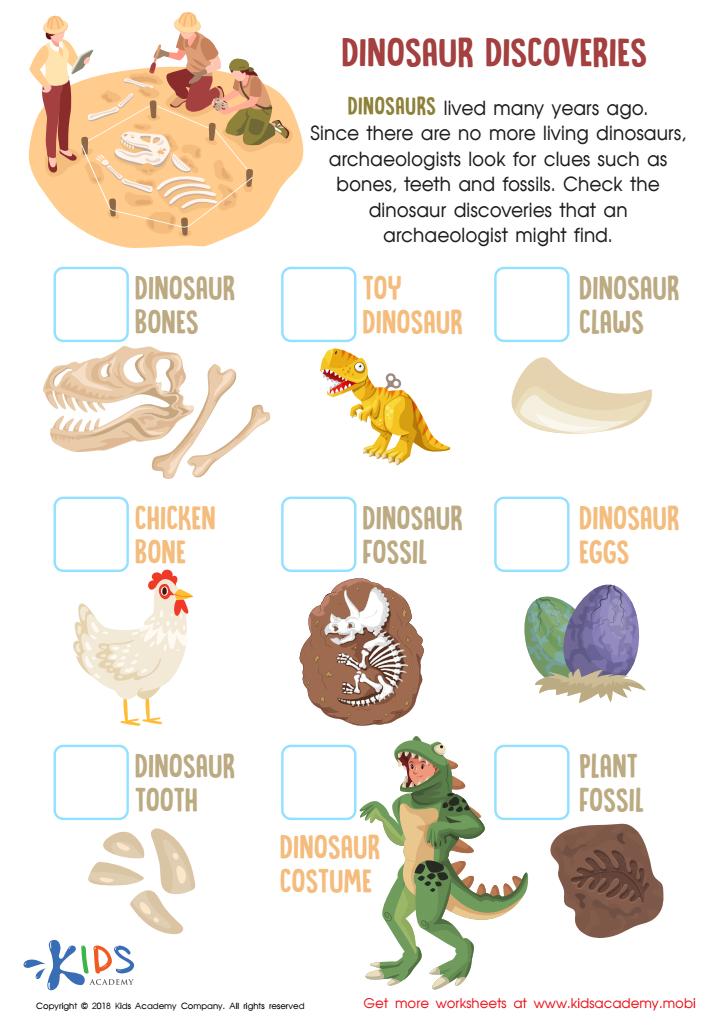
Dinosaur Discoveries Worksheet
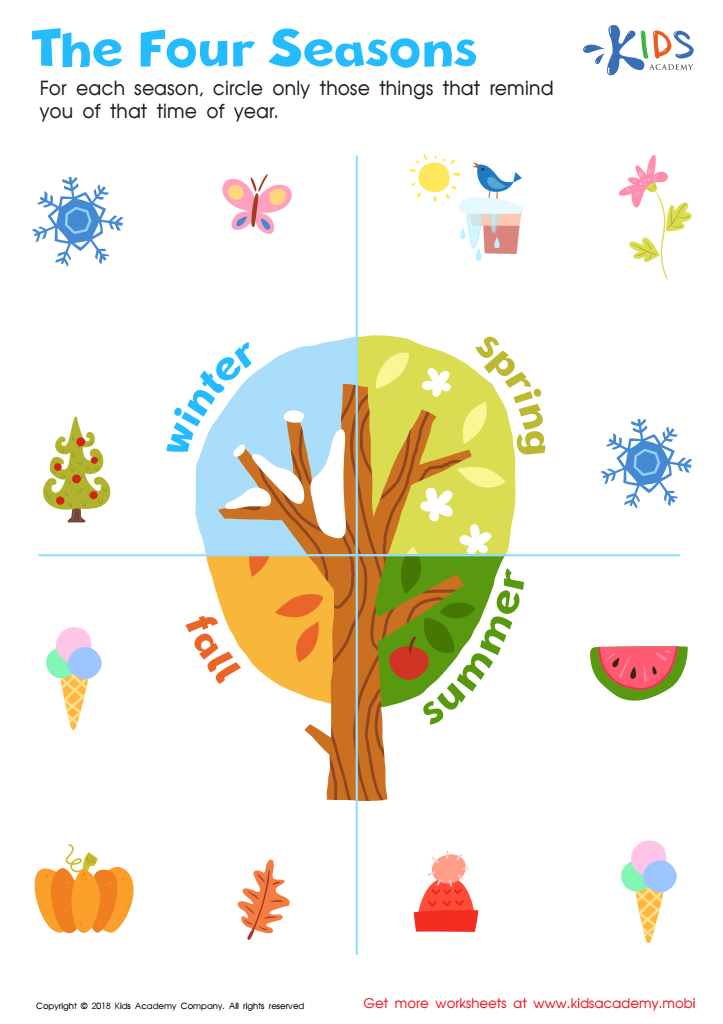
The Four Seasons Worksheet







Critical Thinking Geography for ages 5-9 is essential for nurturing young minds in a rapidly changing world. At this developmental stage, children are like sponges, absorbing information and learning the skills they'll carry throughout life. Engaging them in critical thinking within geography helps cultivate problem-solving abilities, analytical reasoning, and creativity.
By exploring basic concepts such as maps, patterns, and cultures, children learn not only about the world around them but also how to evaluate information, ask important questions, and consider multiple viewpoints. These skills are crucial for developing informed, responsible citizens who understand global issues, from environmental challenges to cultural diversity.
Parents and teachers should care because fostering critical thinking in geography encourages children to be active learners rather than passive recipients of information. This approach empowers them to think independently, reflect on their learning, and make connections between the environment and their daily lives.
Moreover, as technology transforms accessibility to information, equipping children with the ability to critically assess that information is vital. Emphasizing critical thinking in geography at this young age lays a strong foundation for lifelong learning and adaptability in an interconnected world.