Geography skills Geography Worksheets for Ages 5-9
3 filtered results
-
From - To
Discover an engaging collection of geography worksheets designed for children ages 5-9 at Kids Academy! Our Geography Skills worksheets help young learners explore the world around them, enhancing their understanding of maps, continents, countries, and physical features. Each worksheet is crafted to develop essential skills like recognizing landforms, understanding directions, and learning about diverse cultures. With bright visuals and captivating activities, these worksheets keep students excited while promoting geographical awareness. Perfect for homeschooling or classroom use, our resources aim to make learning fun and effective. Start your child's geographical adventure today with our interactive and informative worksheets!
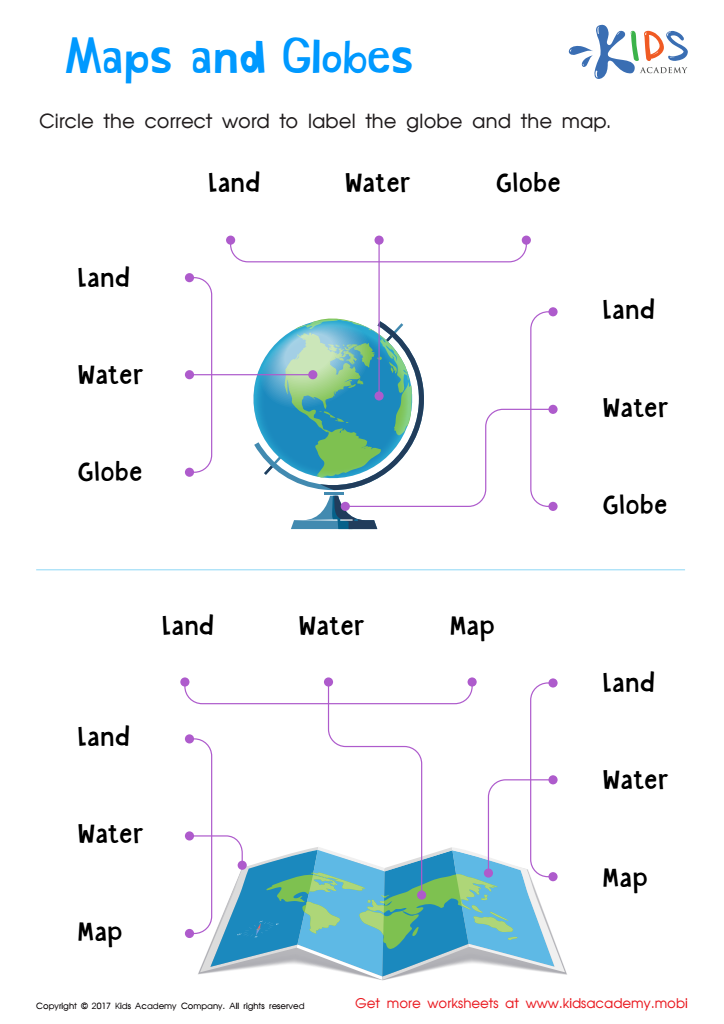
 Assign to My Students
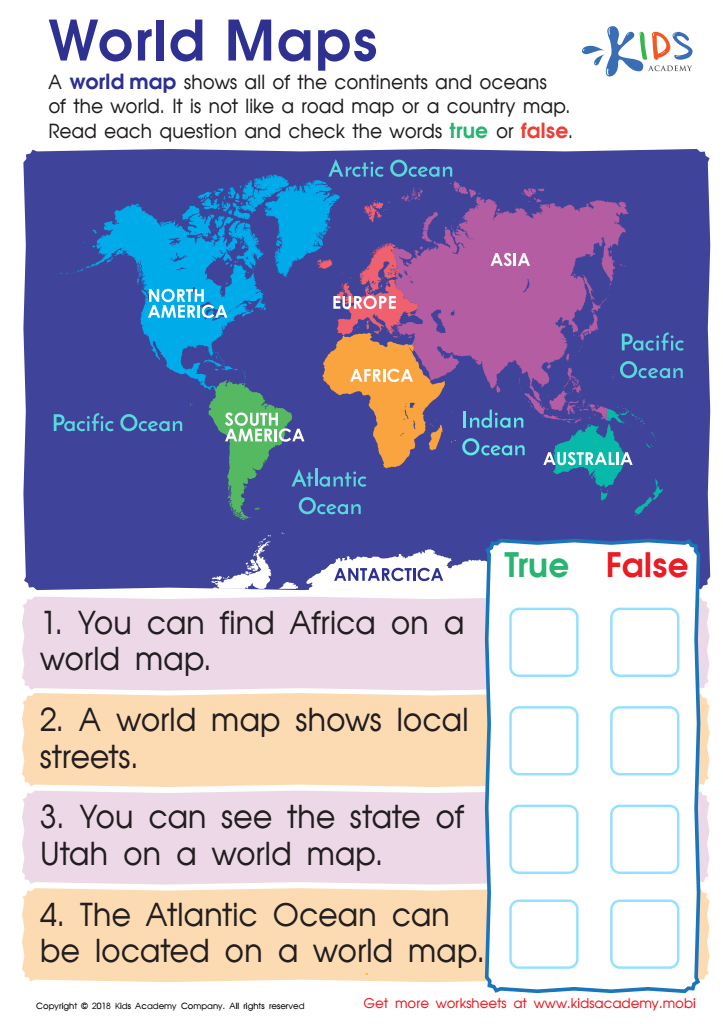
World Maps Worksheet
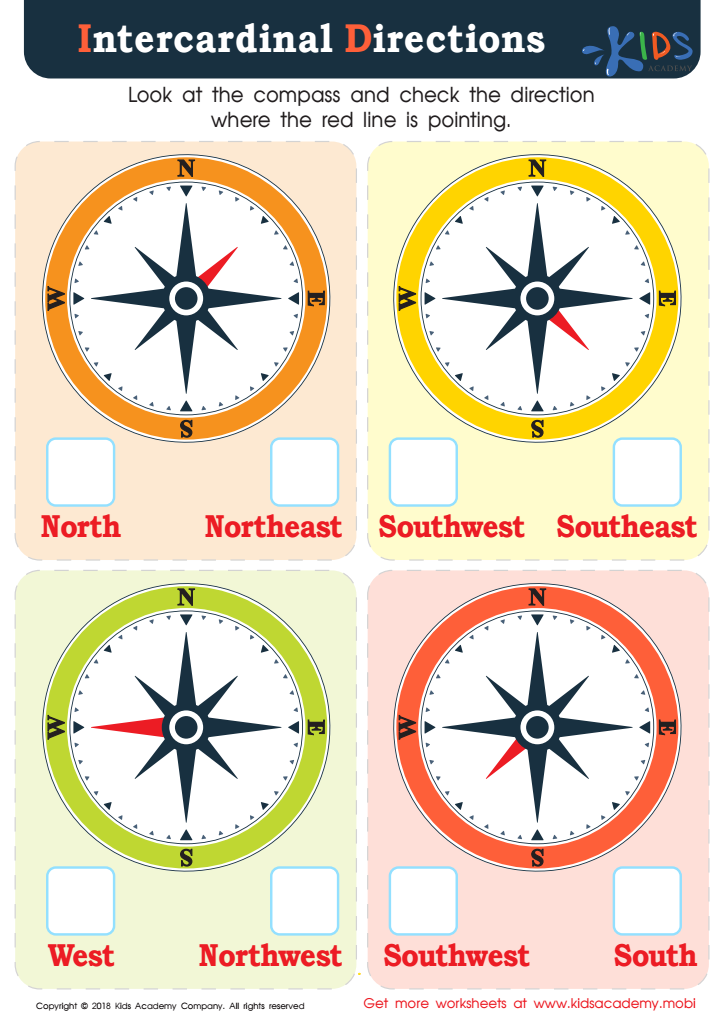
Intercardinal Directions Worksheet






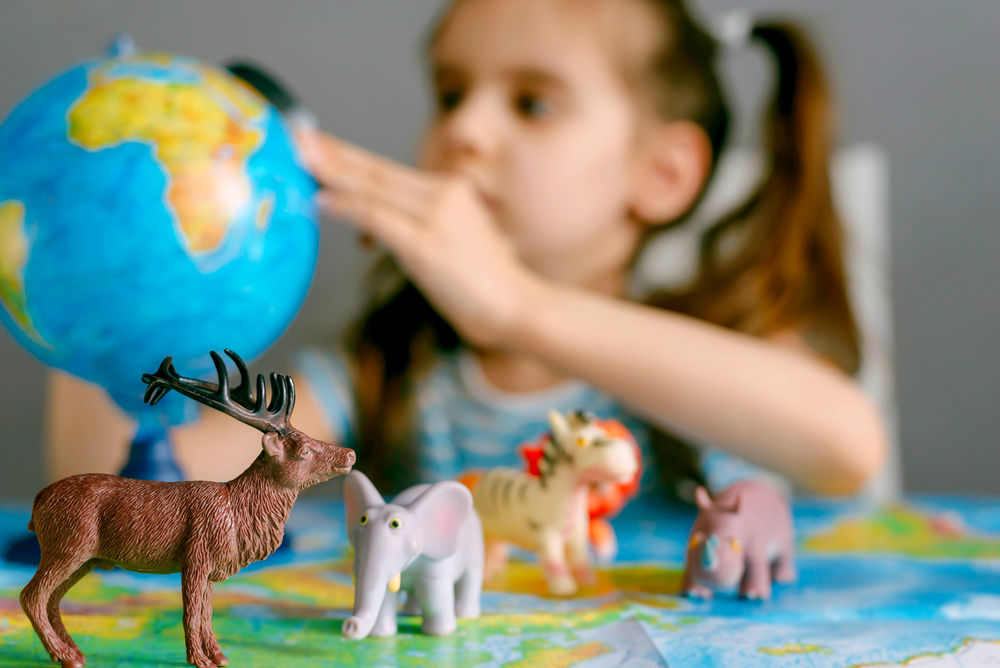
Geography skills are essential for children aged 5-9, as they lay the foundation for a richer understanding of the world. At this developmental stage, children are naturally curious about their environment, and fostering geography skills helps satisfy that curiosity. Teaching geography encourages spatial awareness, allowing children to understand where they fit in the grand scheme of things, both locally and globally.
Moreover, geography education promotes critical thinking and analytical skills. As children learn about maps, landmarks, and various cultures, they develop the ability to compare, contrast, and recognize patterns. These skills contribute to problem-solving and informed decision-making, applicable in countless real-life situations.
Additionally, learning about geography at a young age cultivates empathy and appreciation for diversity. Children learn that the world is made up of different cultures, languages, and lifestyles, fostering respect and understanding towards people from various backgrounds. This sociocultural awareness is vital in today's increasingly interconnected world.
Finally, geography skills can spark a lifelong interest in exploration, whether it's through travel, environmental stewardship, or global awareness. By nurturing these skills early on, parents and teachers can help children grow into informed, responsible citizens who appreciate the world around them.








